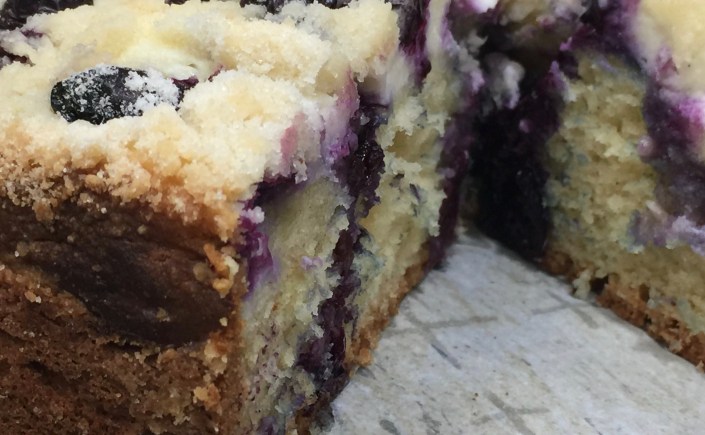
My life has been chaotic for the last six months and now that the dust has started to settle I’m trying to get myself back on track. One of the ways I see myself doing that is trying to post more often on my blog. I missed not doing my regular posts but dealing with health care issues was so much more important. Now I am trying to put one foot in front of the other in an attempt to establish my new normal and begin to incorporate some of the things that brought joy into my life before everything started. This blog is certainly one what to do that.
I made this recipe the other day and posted some pictures on Instagram and Facebook and got so many comments about sharing the recipe that I felt compelled to blog it faster than I thought I would. I made this recipe mainly because I had a ton of blueberries that I needed to use (Lord only knows why I bought so many) and I also had several bars of cream cheese.
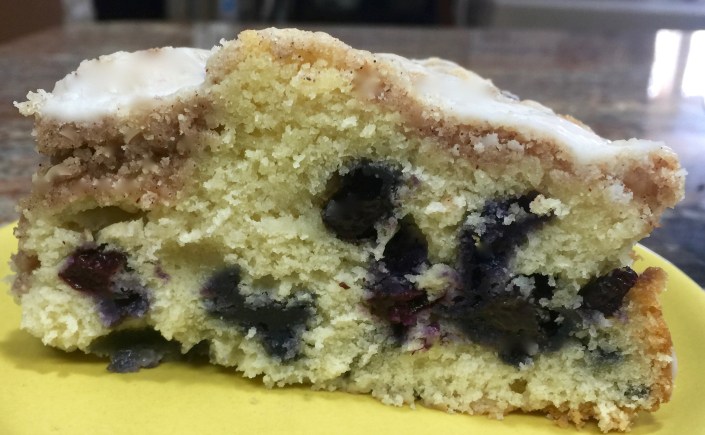
I have to say that I was more than pleasantly surprised at the outcome. What I liked the best about this coffee cake is the addition of the cream cheese layer. It provides a nice moistness to the cake and really kicks the cake over the top. So let’s talk blueberry cream cheese coffee cake…
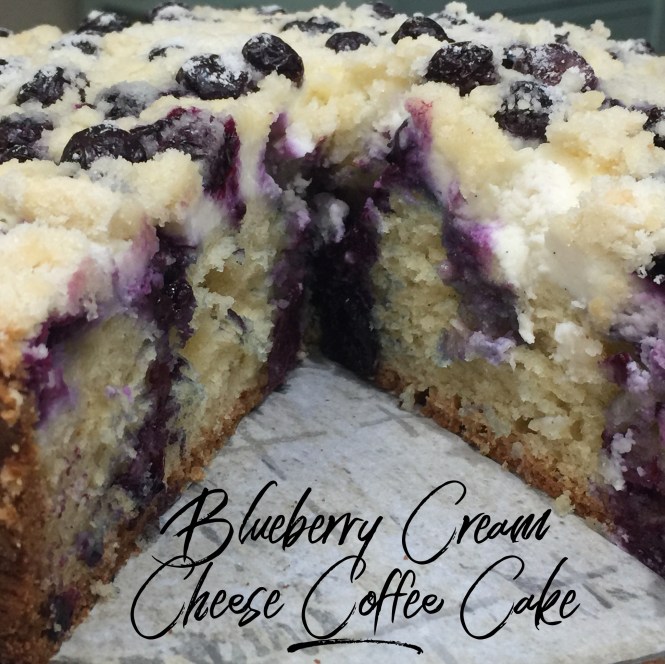
Lesson Learned 1 – This cake requires you to be organized: This cake has 3 separate processes, that being making the cream cheese filling, making the cake batter and making the streusel topping. It requires a little more equipment to get the coffee cake put together. I recommend you use a separate hand mixer and bowl to make the cream cheese filling. Then I recommend making the streusel topping so you are ready to top the cake once you’ve assembled the layers. Use your stand mixer to make the cake batter. Try to measure everything out for all three processes before you begin. That way the processes will run smoothly. It really isn’t a hard cake to make. It just has a few more steps than most.
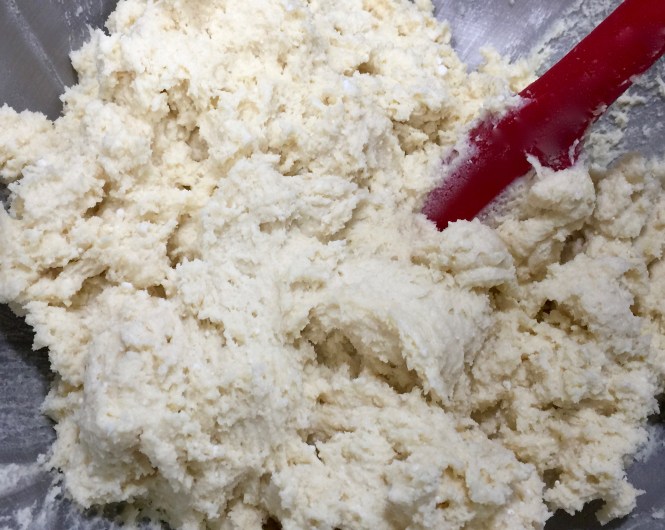
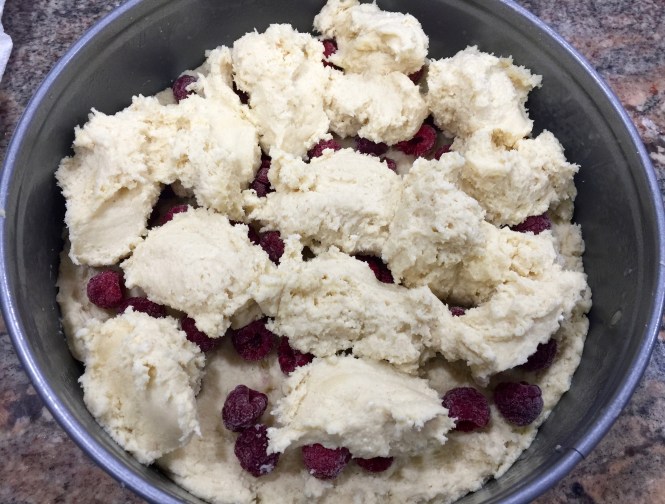
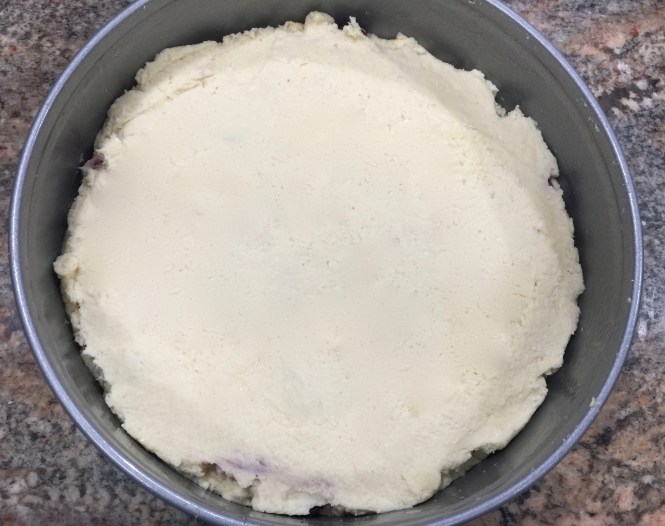
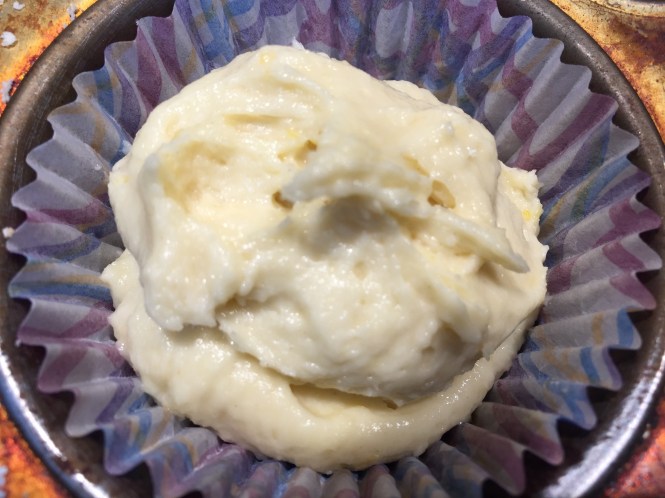
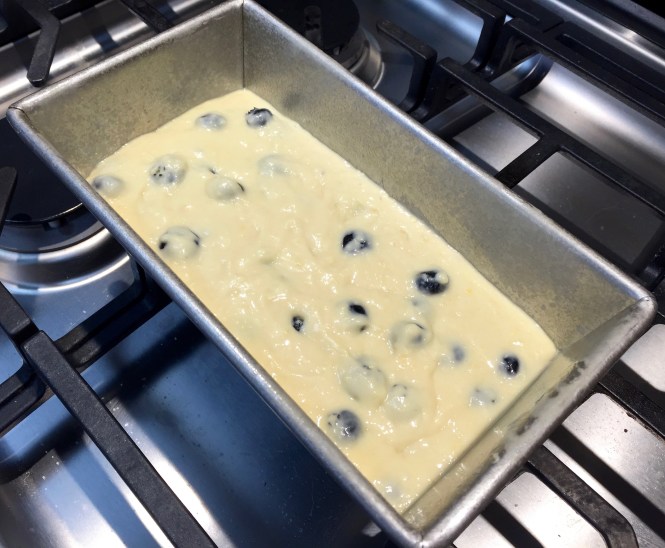
Lesson Learned 2 – The cake batter is thick: This batter creates a nicely dense cake that is balanced out by the cream cheese layer. But a dense batter can be a challenge to spread around when it comes time to put it in a pan. I’ve learned over time that when you work with a dense batter it’s better to drop it in the pan in spoonfuls all around the pan. That way when it comes time to spread the layer most of the batter is already in place and you can spread the batter around more easily.
Lesson Learned 3 – Vanilla bean paste versus vanilla extract: When I’m making a recipe where I want to really kick up the vanilla flavor I use vanilla bean paste. The paste has a syrup-like consistency and it measures out the same way as vanilla extract. Vanilla bean paste is richer and more flavorful. It is also much more expensive. But if you can afford it I highly recommend using it. But only use it for special recipes. Using it in things like cookies doesn’t really make a difference. But using it in something like this recipe or a creme brulee really enhances the flavor of the dish.
Lesson Learned 4 – Arranging the blueberries in the layers: This cake requires two blueberry layers, one on top of the cake batter layer and one on top of the cream cheese layer. When putting in both layers be careful to not let any of the blueberries touch the sides of your spring form pan. If you do you’ll find it difficult to clean the sides of the pan after baking. If you don’t you can still clean the sides of your pan, it’s just a little more difficult even though the pan has been greased.
Lesson Learned 5 – Depending upon your oven, you may have to cook the cake longer than the allotted time: Now as you know I live in high altitude so everything tends to have to cook for longer periods of time and/or higher temperatures. This recipe calls for the cake to cook for 45 minutes. I had to cook mine for 1 hour. Just keep an eye on it after 45 minutes and you should be fine.
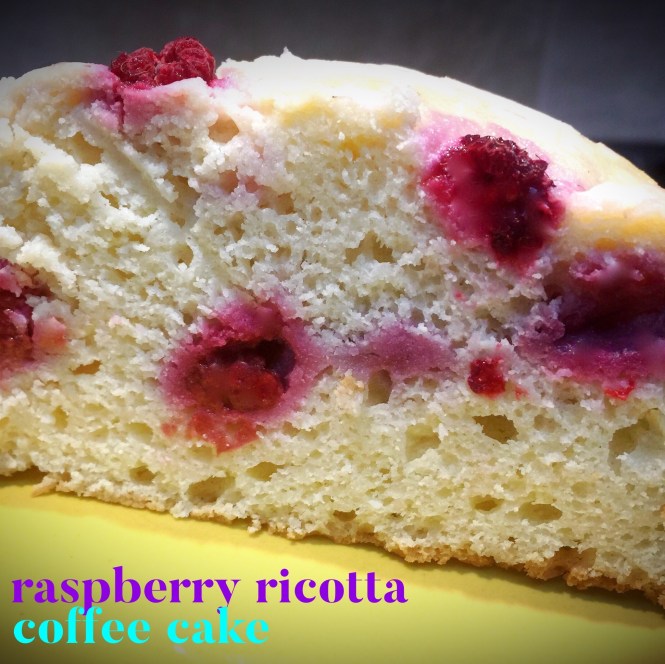
Lesson Learned 6 – Someone asked me if you could substitute raspberries for blueberries: I don’t see why not. Raspberries tend to cook just like blueberries. They release their juices in a similar way. So try it with raspberries. I bet it will be delicious.
And that’s it. I guarantee you will love this cake. Try it and let me know what you think…
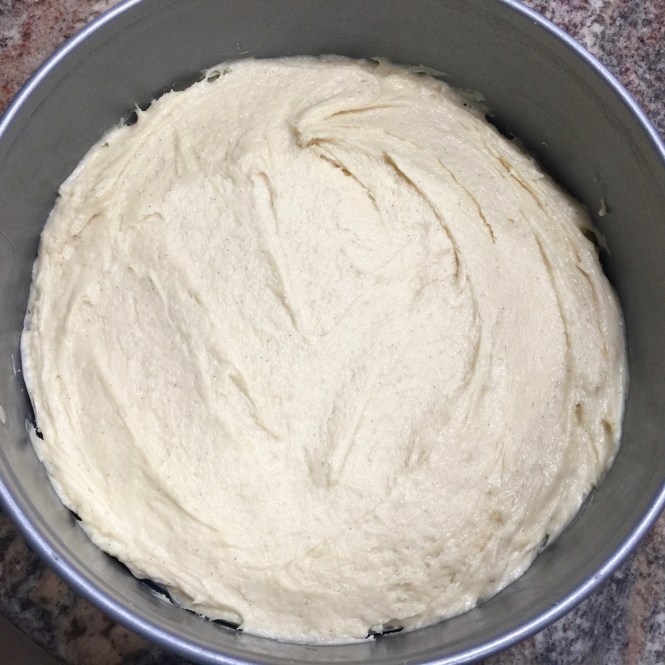
Cake Layer
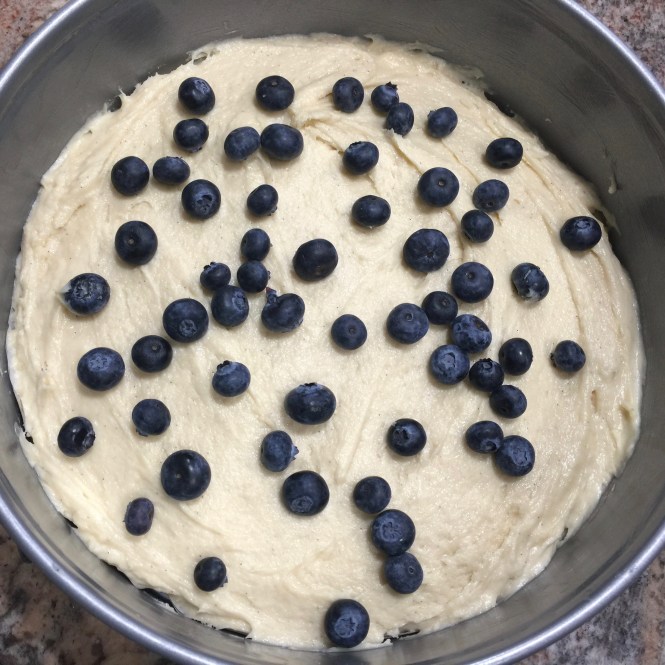
First Layer Of Blueberries
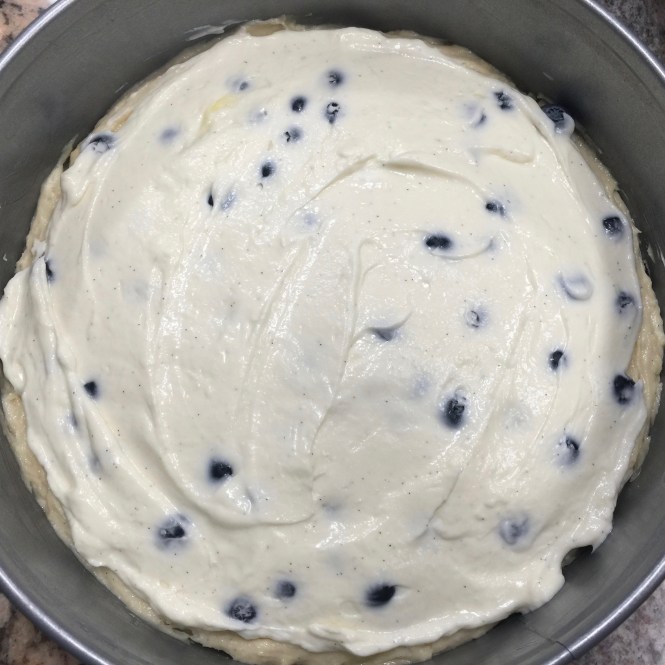
Cream Cheese Layer
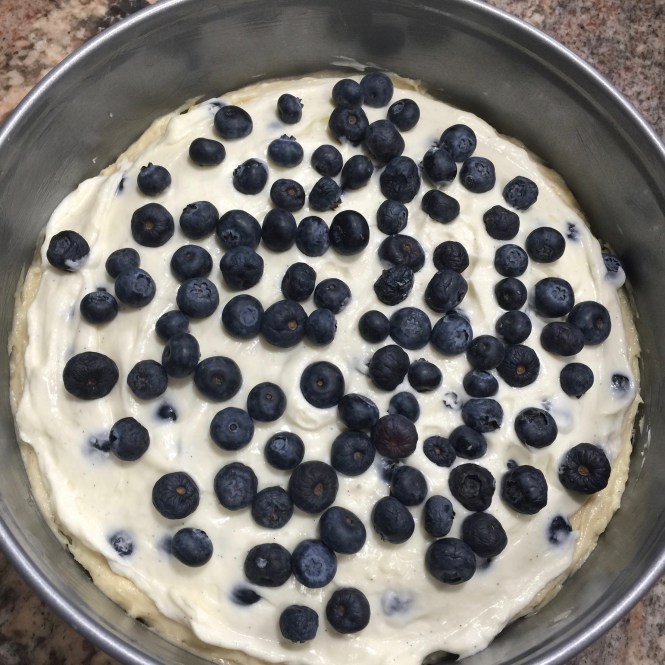
Second Layer of Blueberries
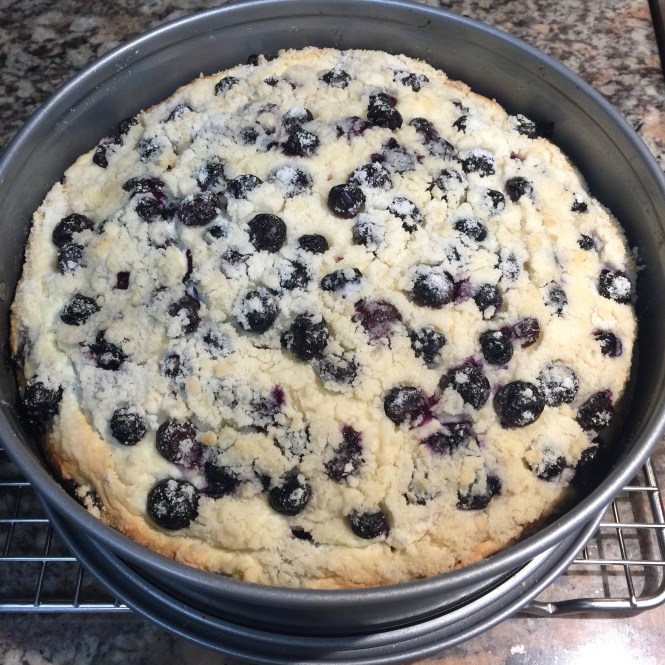
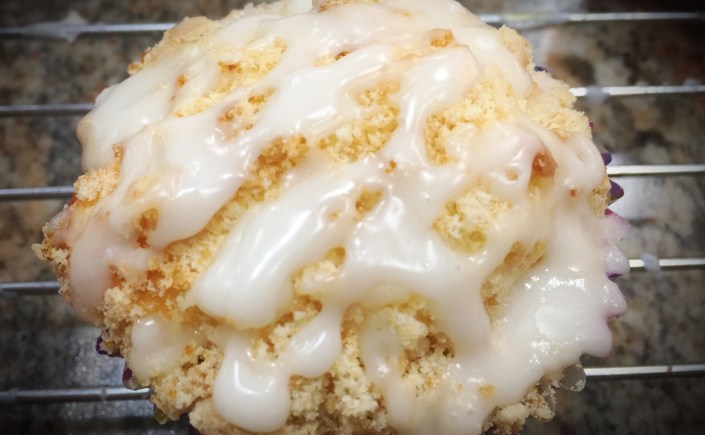
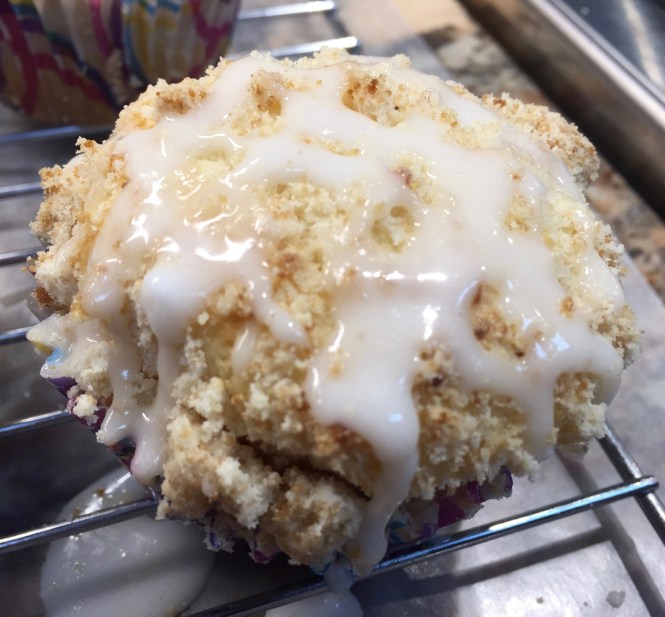
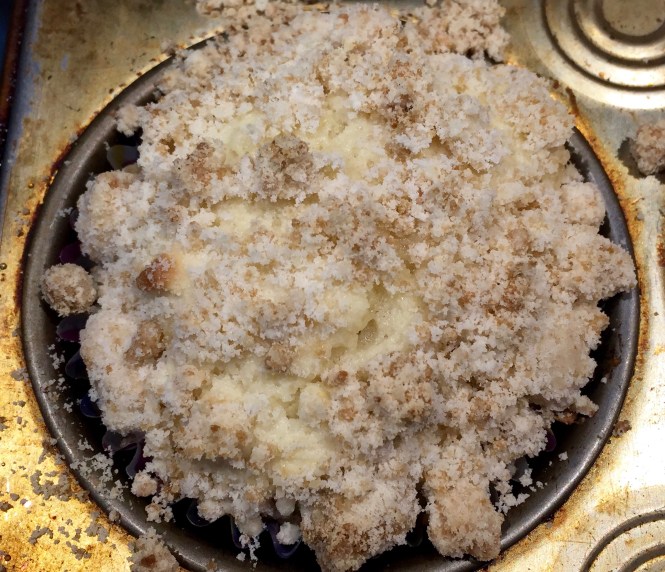
Cake With Streusel Topping
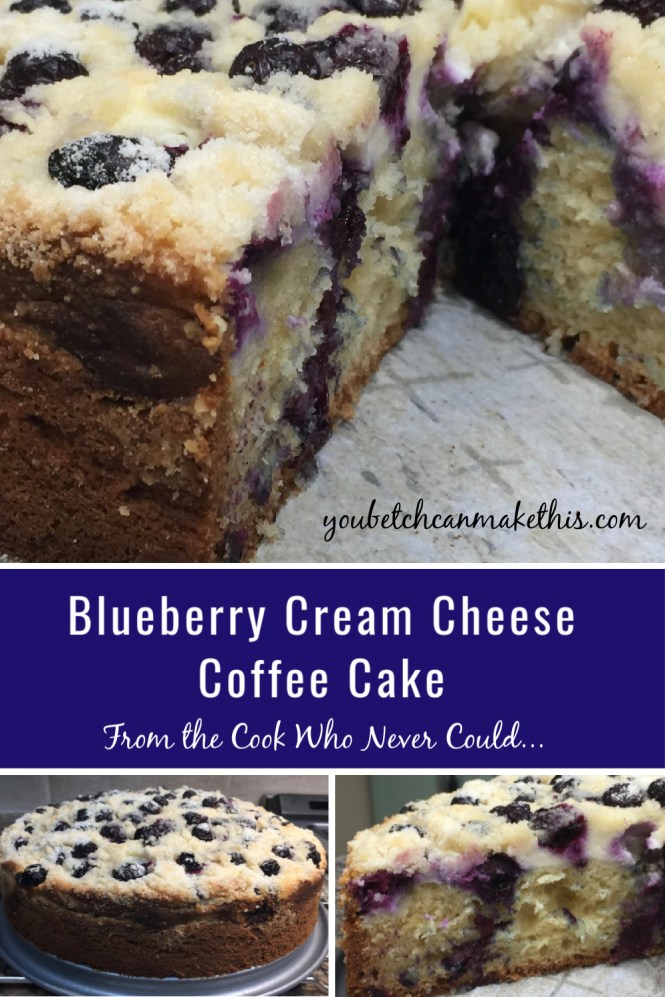
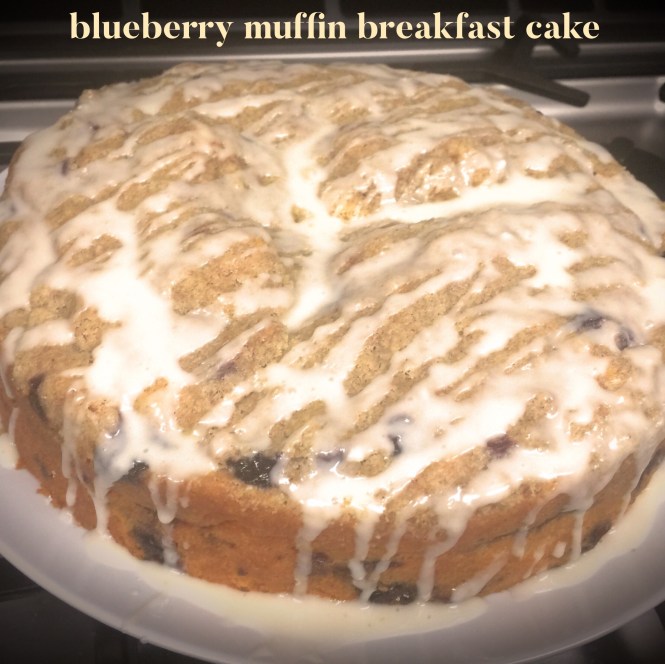
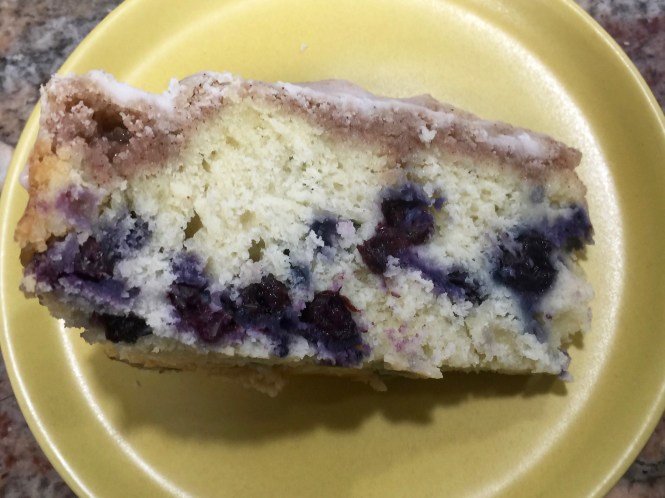
Blueberry Cream Cheese Coffee Cake...
INGREDIENTS:
Cream Cheese Filling:
1/4 sugar
8 oz. cream cheese, room temperature
1 egg white
1/2 tsp. vanilla bean paste (you can substitute vanilla extract)
1 1/4 cup blueberries, divided
Coffee Cake:
1 1/2 cups flour
1/2 tsp. baking powder
1/2 tsp. baking soda
1/4 tsp. table salt
5 1/2 Tbs. unsalted butter, room temperature
1/4 cup sugar
1 egg
1 egg yolk
3/4 cup sour cream
1 tsp. vanilla bean paste
Streusel Topping:
1/3 cup sugar
1/2 cup flour
3 Tbs. butter, very cold and cut into chunks
DIRECTIONS:
Preheat your oven for 350. Line the bottom of a 9 inch spring form pan with parchment paper and grease the sides of pan. Set the pan aside.
Mix together the cream cheese, sugar, and vanilla on medium speed until creamy. Add egg white and mix just until combined. Set aside.
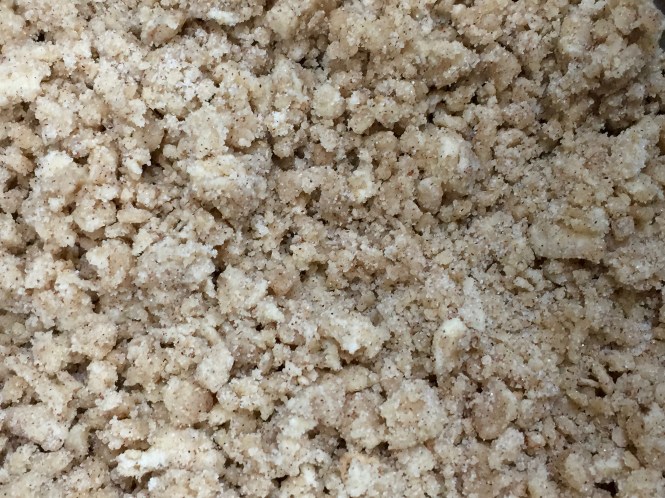
For the streusel topping combine sugar, flour and chilled butter in a bowl. Cut the butter in with a pastry blender until the mixture is crumbly and and the crumbles are pea sized. Set aside.
For the cake batter, stir together the flour, baking powder, soda and salt. Set aside. In a stand mixer cream together the butter and sugar. Add egg, egg yolk, sour cream and vanilla and mix until combined. Slowly combine the two mixtures beginning with part of the flour mixture alternating it with the sour cream mixture, then the flour mixture followed by the sour cream mixture finishing with the flour mixture. Take a spoon and transfer this batter in spoonfuls around the base of the pan. Smooth the batter around the bottom of the pan with a spatula. Sprinkle 1/3 cup of blueberries over the batter. Spread the cream cheese filling on top of the blueberries (drop in spoonfuls just like the cake batter and spread) and top with the remaining blueberries. Sprinkle the streusel on top of the blueberries. Bake for 40-45 minutes or until a toothpick inserted in the center comes out clean. If the top starts browning too quickly cover the pan with aluminum foil.
Put the pan on a cooling rack and run a knife around the sides of the pan. Let the cake cool for 15 minutes and then loosen the ring of the spring form pan. Remove the ring and let the cake continue to cool.
Serve warm or at room temperature. Store in remaining cake in the refrigerator.

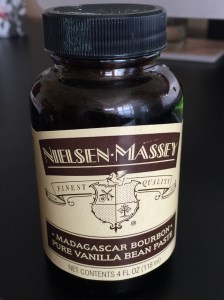 Lesson Learned 4 – Try using vanilla bean paste: I was made aware of vanilla bean paste during a cooking class and I love it. I don’t use it all the time as a jar can be quite expensive ($20 or so) but in dishes where I want a richer vanilla flavor I use the paste. I wouldn’t use it for making cookies but for cakes or custards it adds much more depth of flavor. It measures just like vanilla extract (a teaspoon for a teaspoon) but it gives a much richer vanilla flavor than extract. If you can afford it try it sometime.

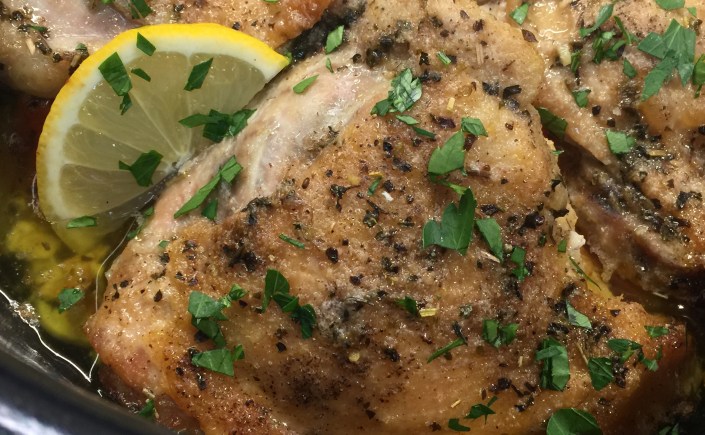
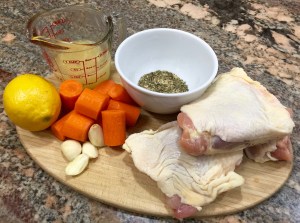 Lesson Learned 1 – Recipes are designed to be guides, not gospel: The instructor in one of my more recent cooking classes said this and it really struck home with me. When you are making something savory, make the recipe your own. You don’t have to follow the recipe exactly ingredient by ingredient. Now mind you, this is not the case when you’re baking – you need to be precise with those recipes. But savory recipes can take on a life of their own depending upon your likes and dislikes. So feel free to experiment. Some of my most popular recipes were a result of doing just that.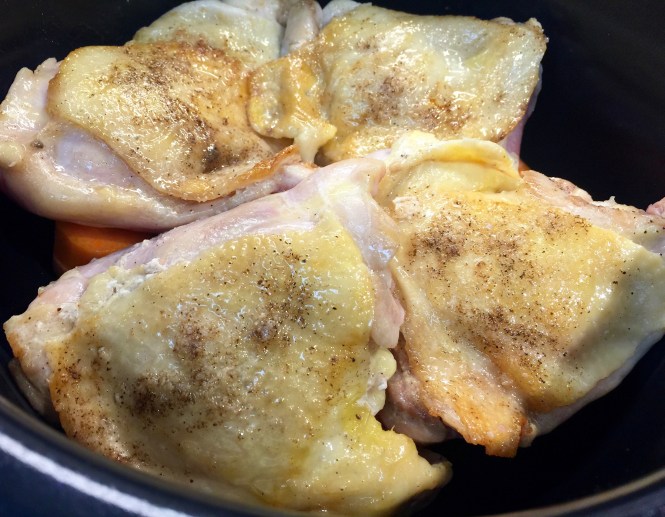
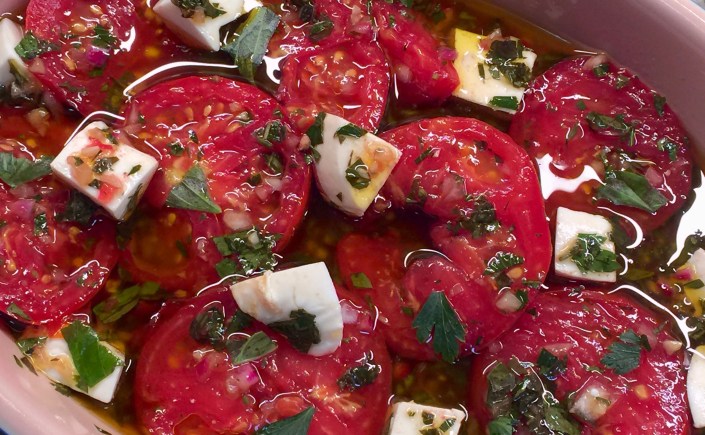
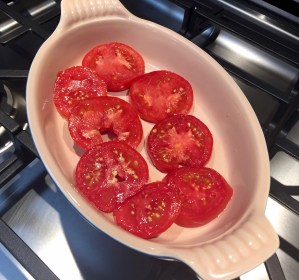 Lesson Learned 1 – Cut the tomatoes at least 1/2 inch thick: The marinating process will break the tomatoes down slightly so if you cut them too thin you’ll wind up with mush. Make sure to cut them thick to avoid that. Also make sure you don’t layer them but rather put them in a single layer. That way you’ll be able to get the full effect of the marinade.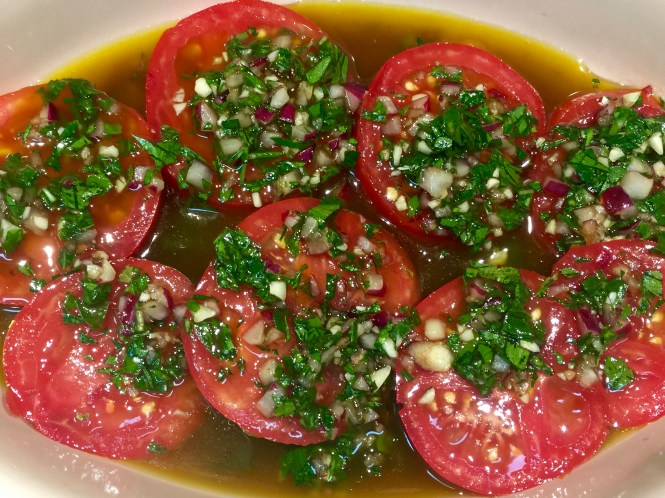
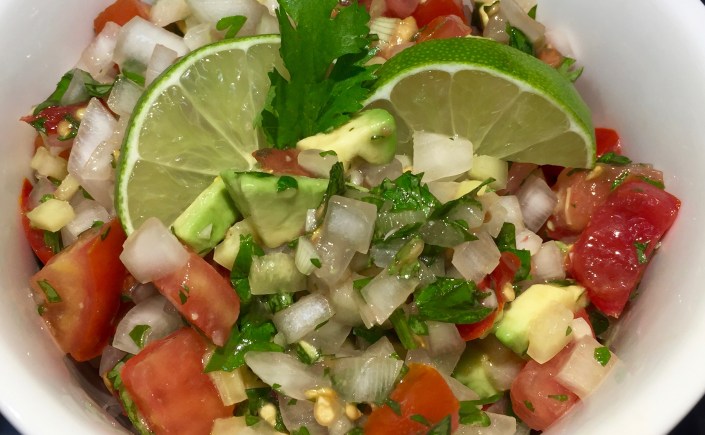
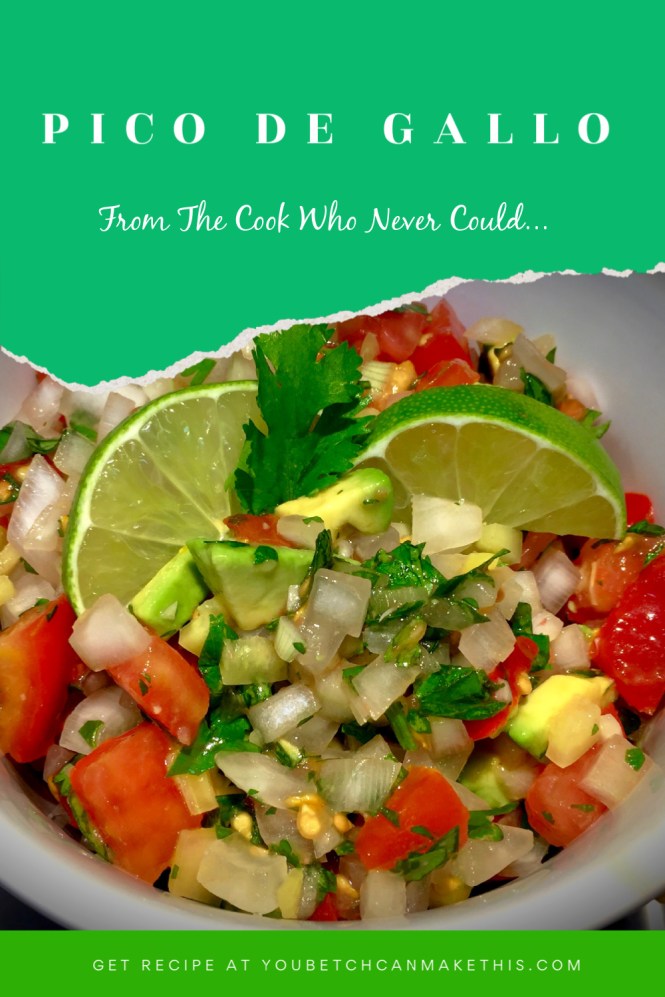
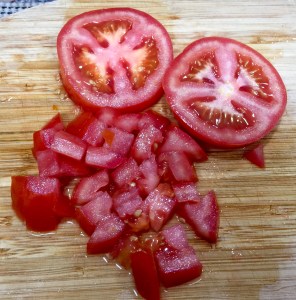 Lesson Learned 1 – I recommend prepping the tomatoes first: There’s a good reason for this. Tomatoes are filled with moisture and you want to give them an opportunity to release some of that moisture before you mix them with the other ingredients. You don’t want soggy pico de gallo. I chopped my tomatoes into small bite size squares and placed them in a strainer over a bowl. That way I could drain off their excess water. With the amount of tomatoes I used, I had about a quarter of a cup of liquid drain out of them. That’s quite a bit. And every once in a while I would stir them to release more water. Don’t worry if you don’t get all of the liquid out. You’ll get most of it out and that will be good enough.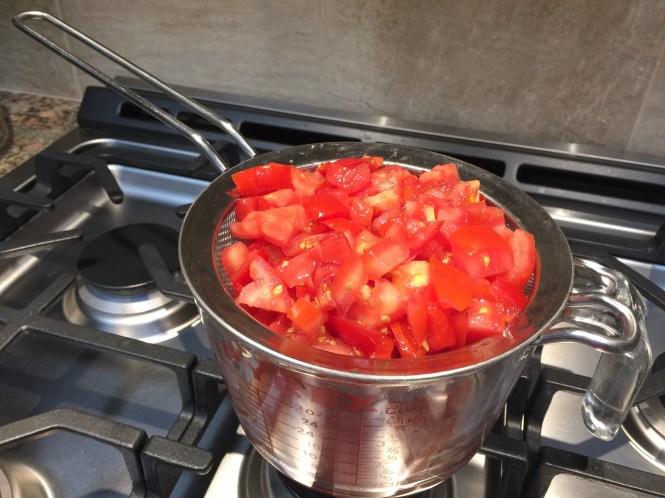
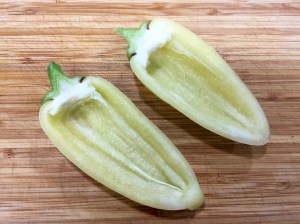 Lesson Learned 2 – Determine how much heat you want in your pico: Most recipes I saw suggested using one jalapeno pepper. I am growing banana peppers in my patio garden and I wanted to use those. Banana peppers have heat, but not as much as a jalapeno, so I used two of them and the pico had a nice but mild bite to it. Remember to scrape away the seeds on the inside of these peppers. That’s where you’ll find the highest concentration of heat. Here again you can choose what type of pepper you want to use depending on how much kick you want or can handle.

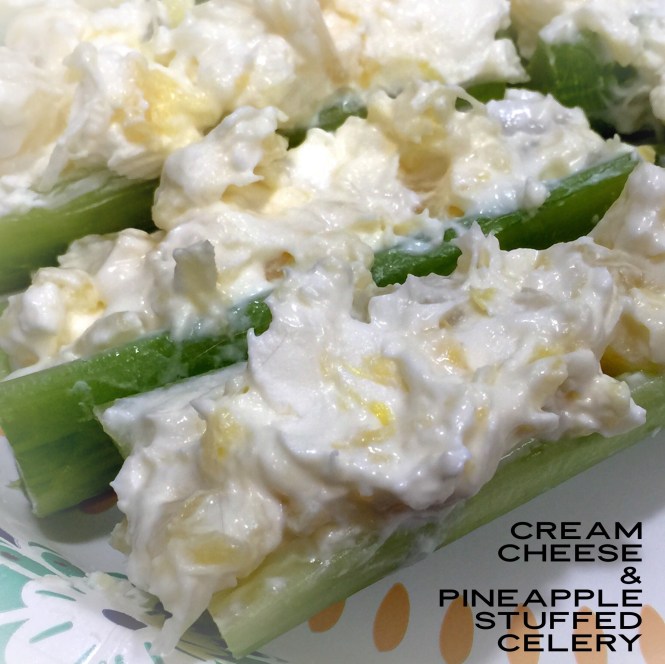
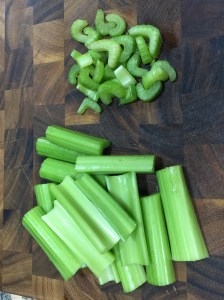 Lesson Learned 1 – Pre-cut celery is a great time saver: My grocery store cells pre-cut celery. The stalks are approximately three inches in size and packed in water. That’s the perfect size for this recipe. The only thing I needed to do to prepare the celery was take a small slice off each end to freshen the ends up. I was able to pat them dry and stuff them right away. But you can also buy celery and wash and slice it on your own. But I loved the convenience of having all that work done for me ahead of time.
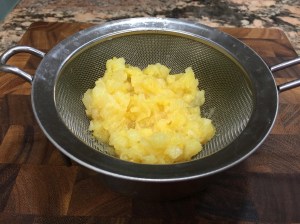 Make sure you drain both the crushed and chunked pineapple so that the cream cheese mixture doesn’t become too runny.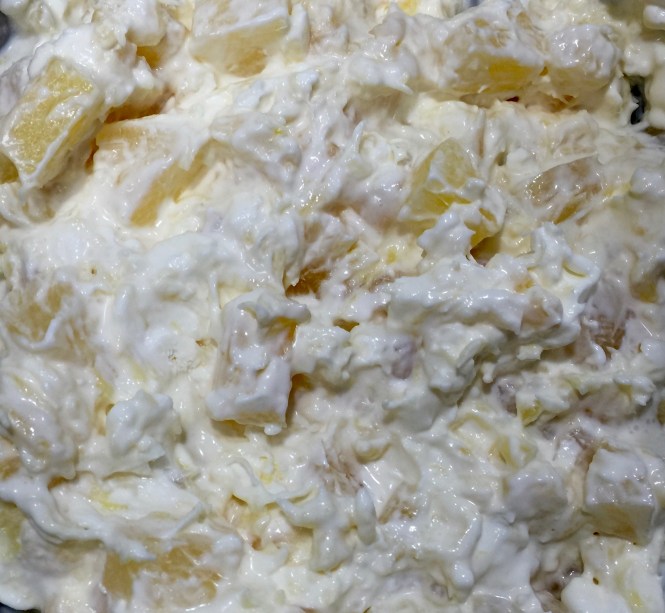


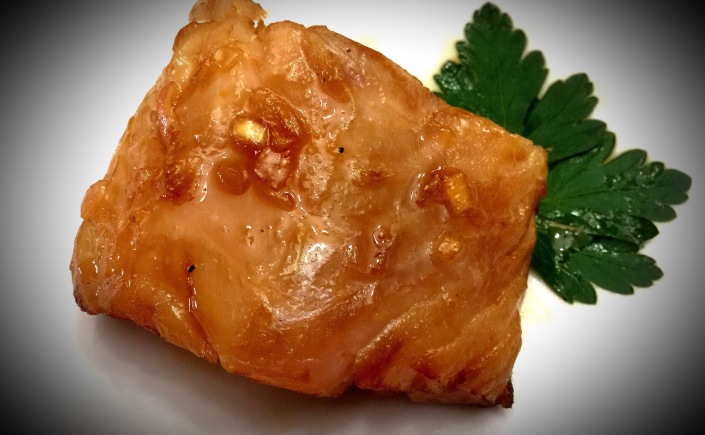
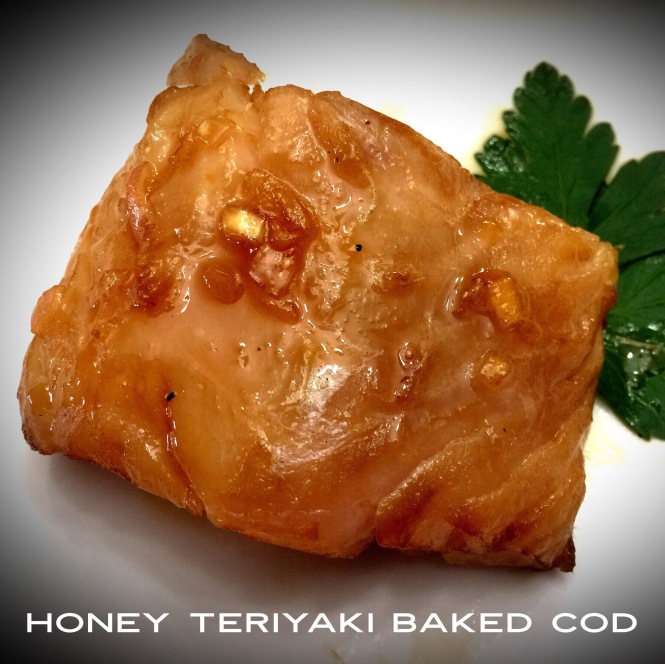
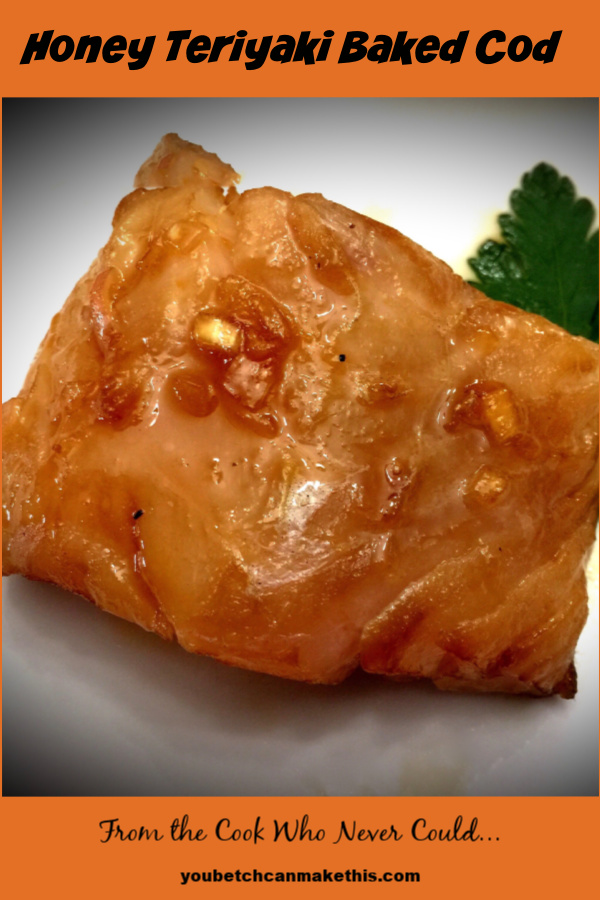
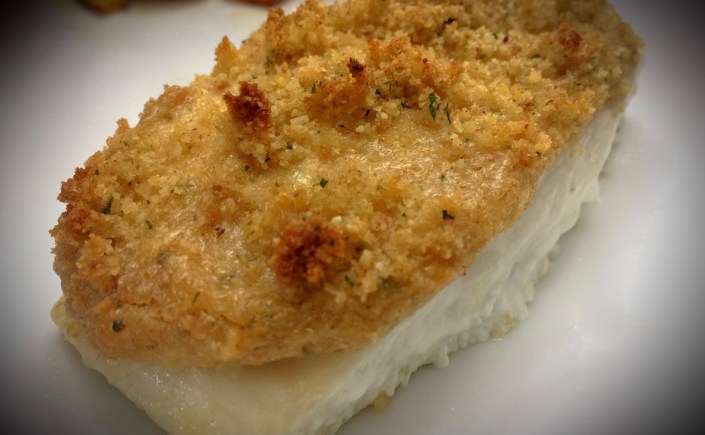
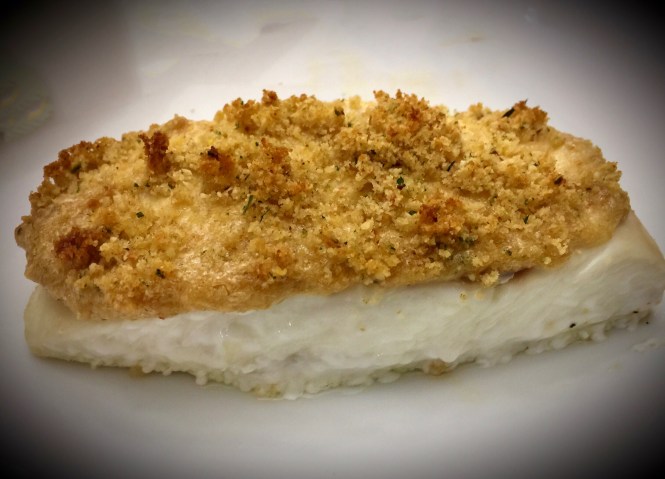
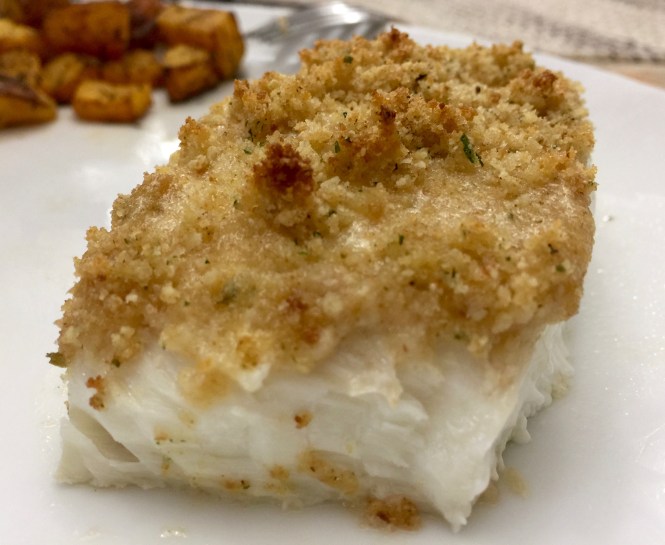
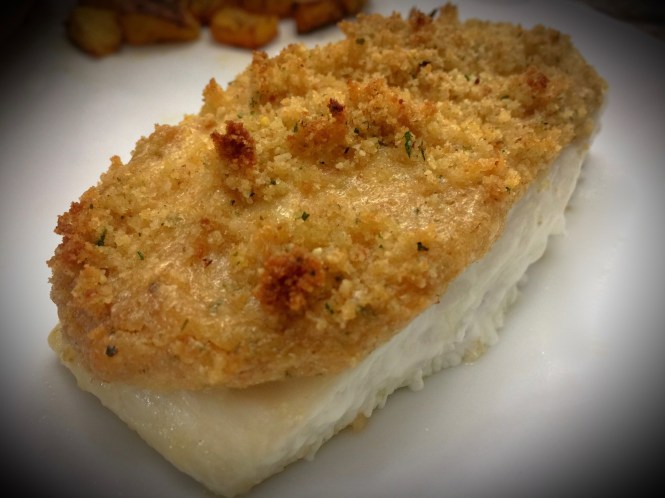
 Lesson Learned 1 – All fish are not created equal when it comes to cooking them: I think that’s the part of cooking fish that makes people shy away from doing it. So it’s important, if possible, to cut your fish into equal sized portions to determine a somewhat standard cooking time for it. I usually cut 4 to 6 ounce portions. That way I am relatively sure how long to cook my fish.
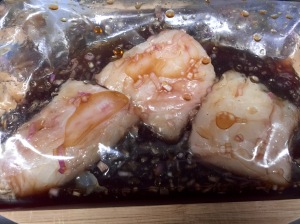 Lesson Learned 2 – The longer you marinate the cod in this recipe, the better: I marinated mine for about 7 hours but you can go up to 24 hours on this one. I may try that next time if I have the time, but it was quite flavorful after being marinated for 7 hours. I wouldn’t marinate it for less than 6 hours – I don’t think the fish will absorb the flavors of the marinade that well if you only marinate it for a short while. And don’t forget to turn the bag over every once in a while to make sure both sides of the fish are getting the marinade.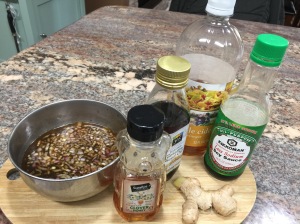


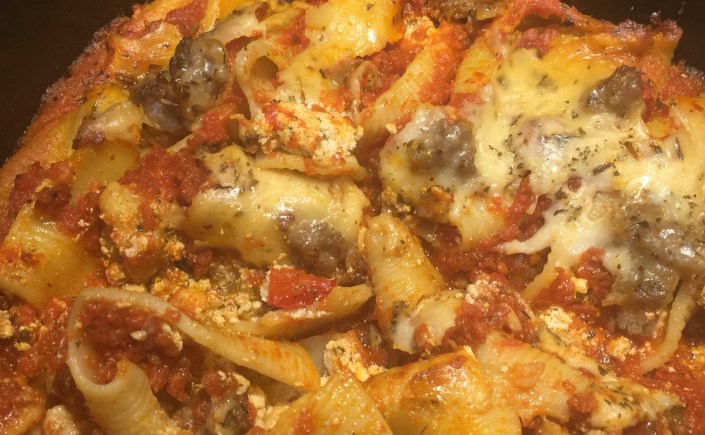
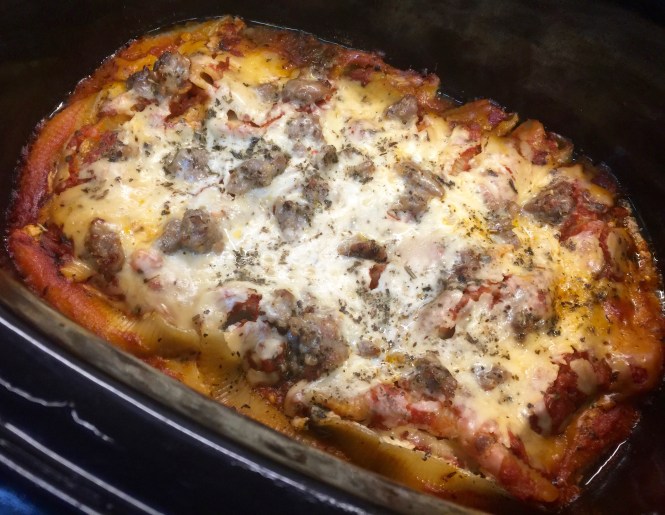
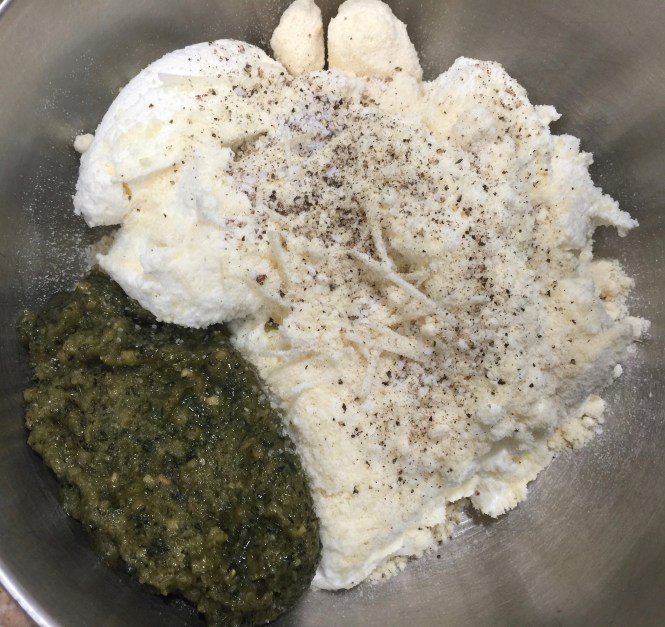
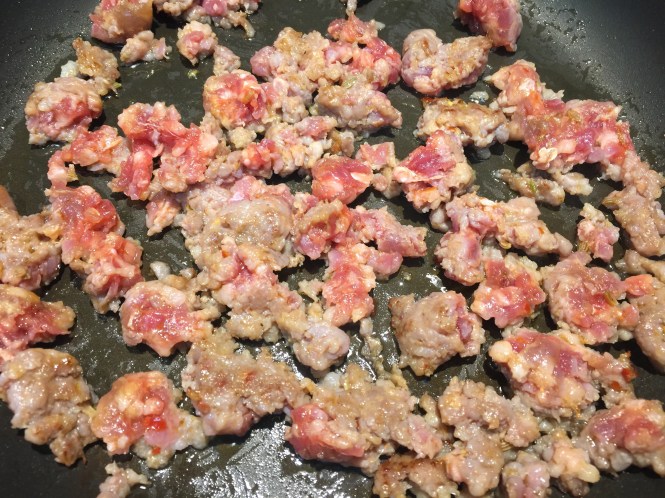
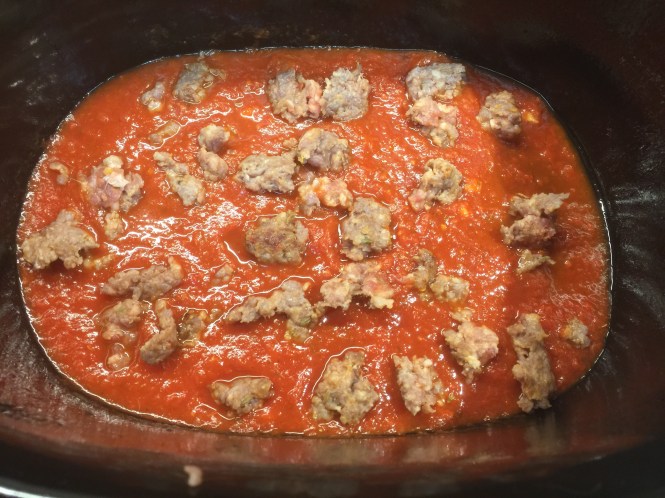
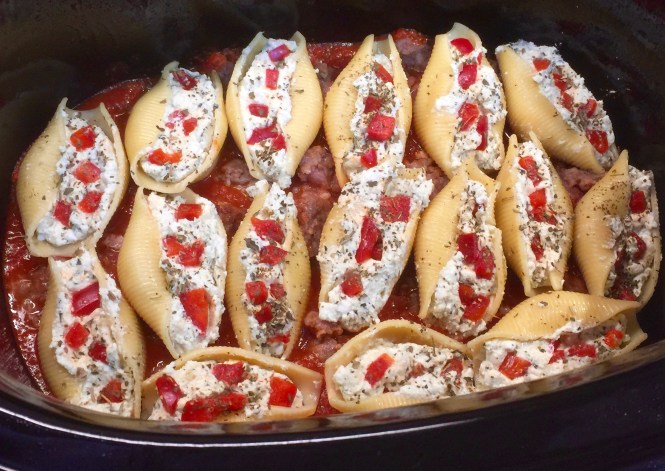
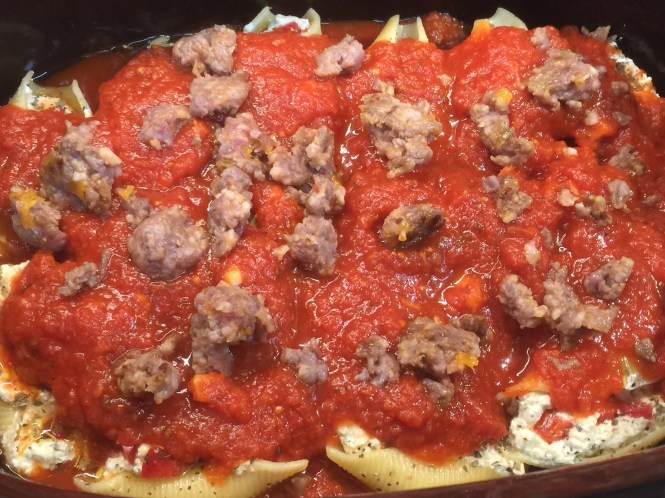
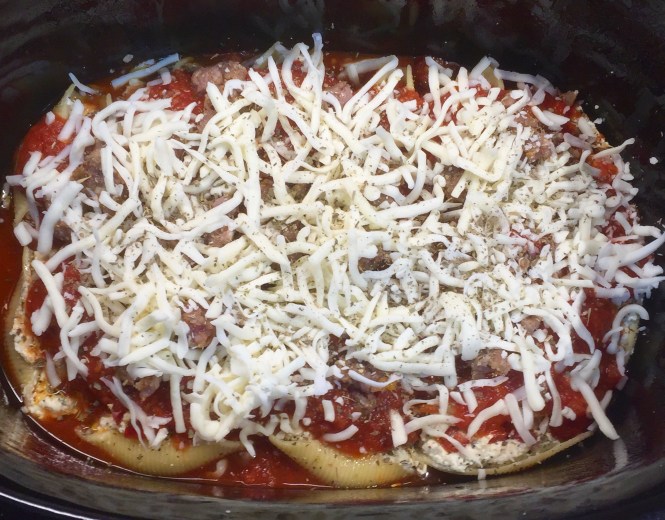
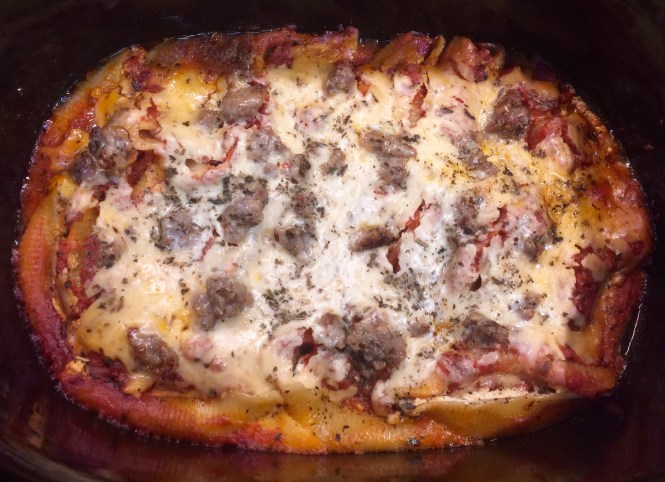
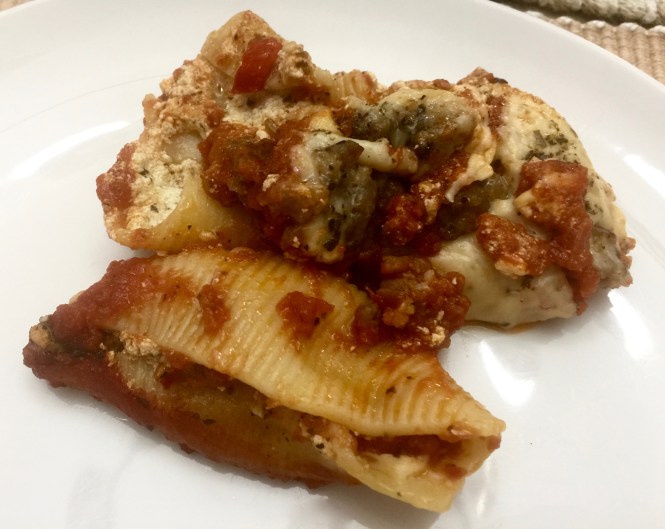


















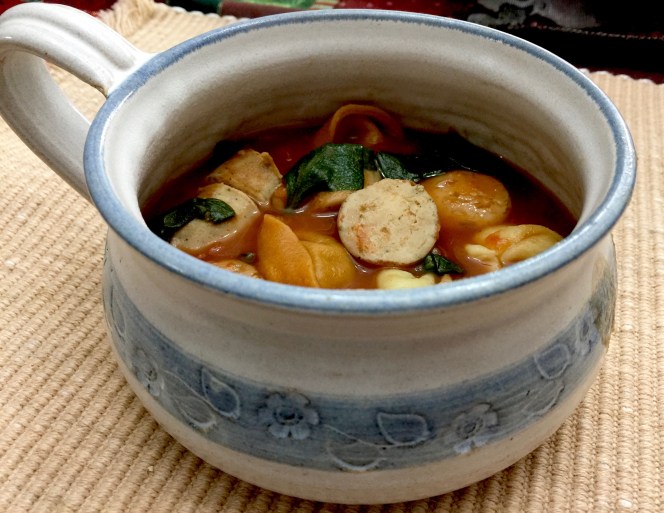
 Lesson Learned 1 – I learned the beauty of chicken sausage: When researching various recipes I came across one that used chicken Italian sausage. I never tried that before, and sometimes I am leery of the flavor of chicken and turkey substitutes for beef or pork but decided to give it a go in this recipe. I was glad I did. It was divine!
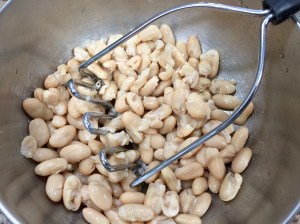 Lesson Learned 3 – Slightly mash the white beans: After you rinse the beans and before you add them to the soup give them a slight mash with a hand masher. You don’t want to do too much, just a little. This along with the tomato paste helps thicken the broth.
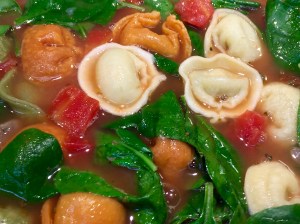 Lesson Learned 5 – Don’t be afraid to improvise: A recipe like this is ripe for improvisation. I used a tri-color three cheese tortellini but you an certainly choose any kind you like. I used chicken Italian sausage but if you’re skeptical a more traditional sweet Italian sausage will work. Or you can make sausage meatballs. If you want to spice it up a bit you can always add a little red pepper flakes or some cayenne pepper. When I warm up my leftovers I’m going to put some parmesan shavings on top. Even if you’re a novice cook, don’t be afraid to add your own touches or adjust the ingredients to your taste. Cooking is not like baking, you don’t need to be exact. Step out of your comfort zone and try a few things. You’ll be happy you did.
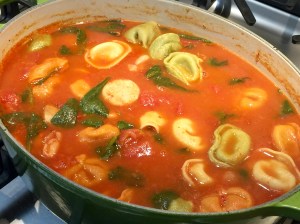 INGREDIENTS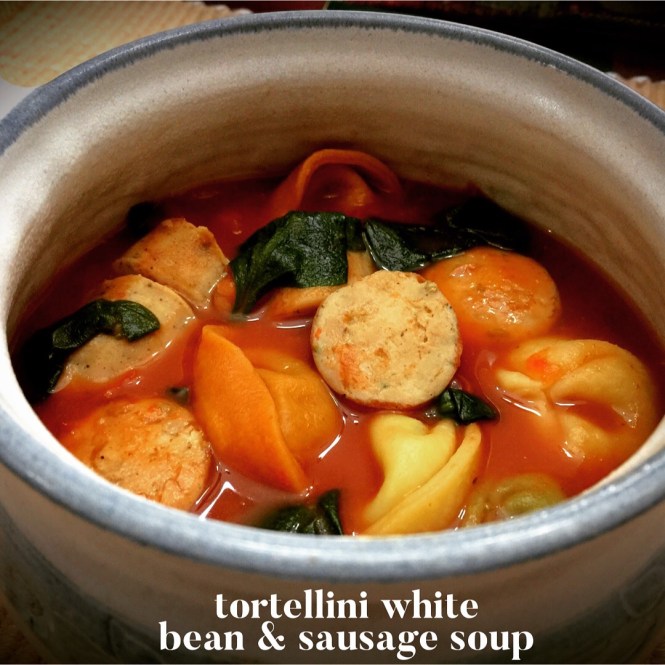

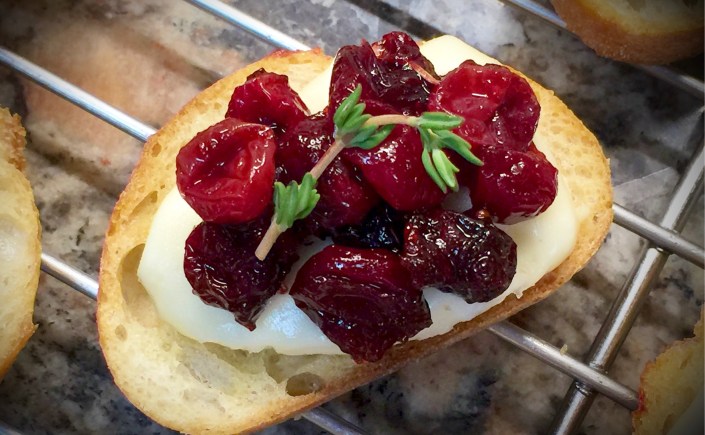
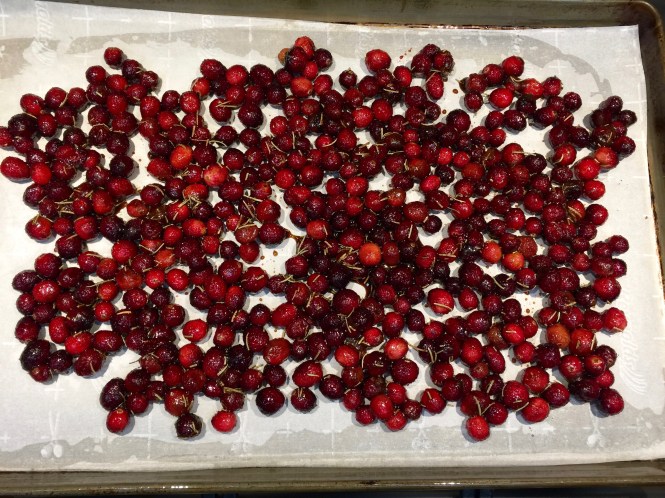
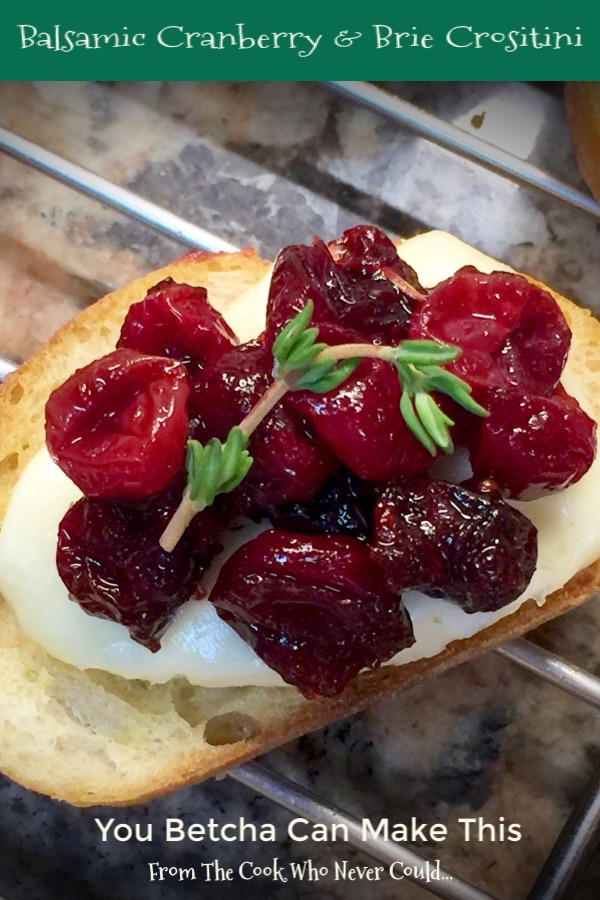
 Lesson Learned 3 – Working with brie: I love brie but it can be a pain in the butt to deal with, especially if you’re not fond of the outer skin and want to remove it. Brie is not easy to slice because it is so soft. Make sure you have a really sharp knife and watch out for your fingers.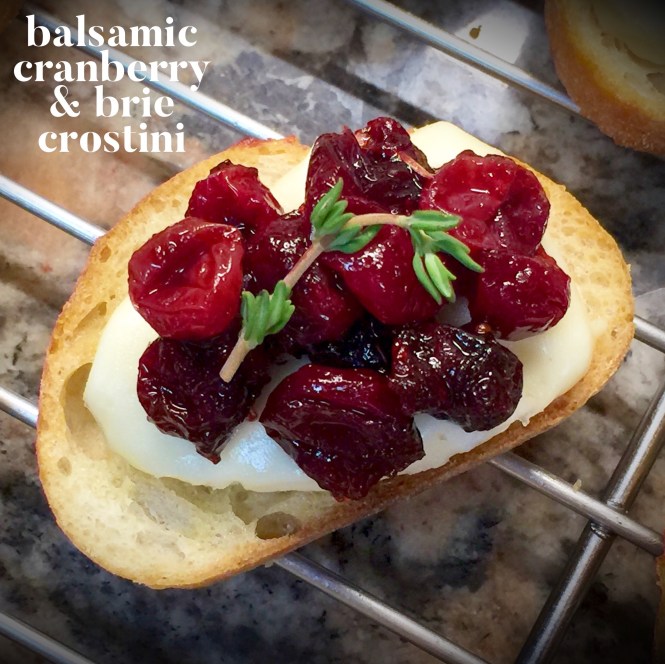





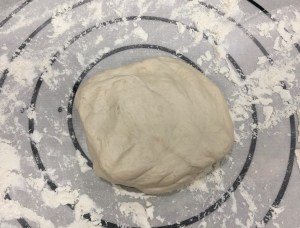 Lesson Learned 1 – Tips for working with pizza dough: Pizza dough, like most other types of dough, likes to rest before you roll it out. One common mistake with using store bought pizza dough is to take it out of the refrigerator and immediately start working with it. Doing that will result in a tough crust. Let the dough rest on your counter for about 20 minutes before you begin rolling it out. That way the glutens in your dough won’t get overworked and you won’t have a tough crust.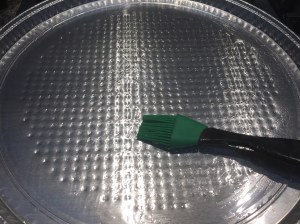
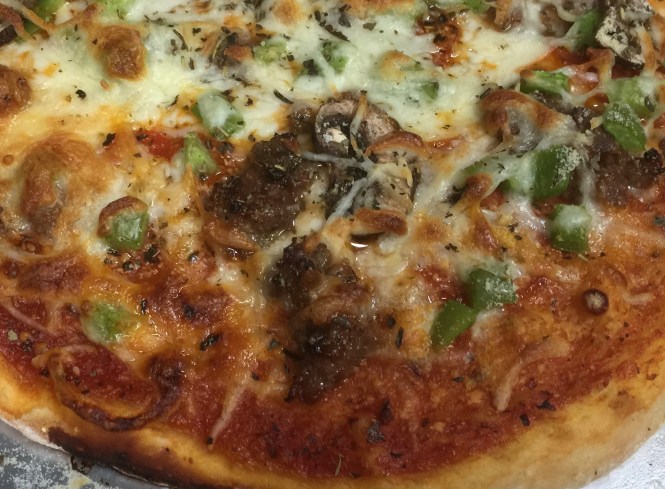
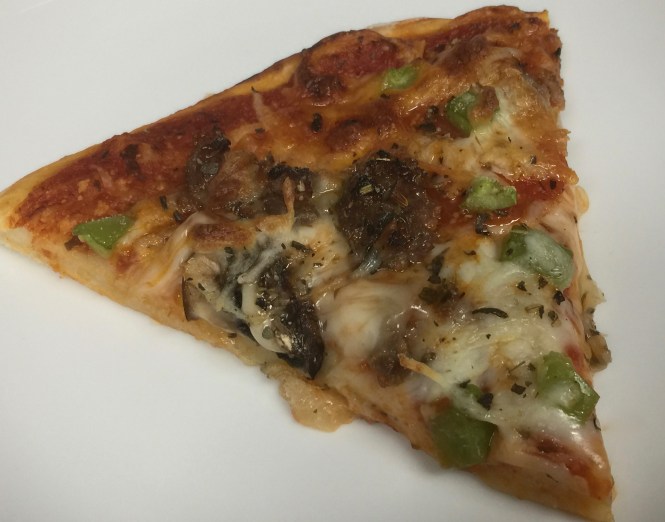
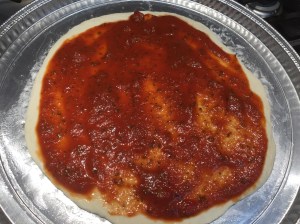 Lesson Learned 3 – Don’t drench the pizza with sauce: I used the smallest jar of marinara I could find, 14 ounces, and I still didn’t use all of it. Now you may ask should I use pizza sauce or pasta sauce. I don’t think it really matters. Some make pizzas with alfredo sauce. I don’t think there is a hard fast rule. It’s really all up to you. What’s more important is to make sure you don’t drown your dough in sauce. Just spread it on to lightly and evenly cover it. You don’t want to create soggy dough.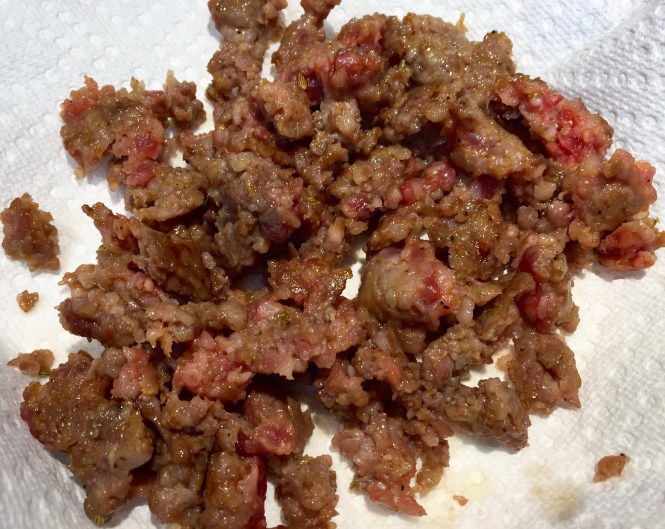
 Another mistake common in making homemade pizza putting the toppings on too thick. Now don’t get me wrong, I like lots of toppings on my pizza. Just be careful not to create a huge mound. What happens when putting too much toppings on is the crust will get done before your toppings are cooked or even warmed through. You don’t want that.
 2 cups flour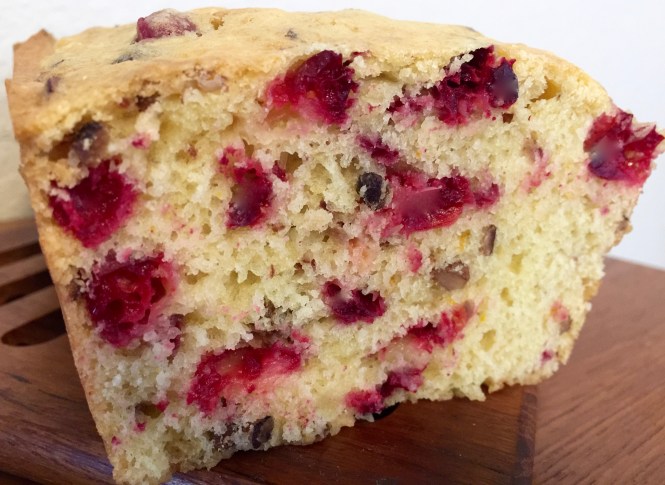
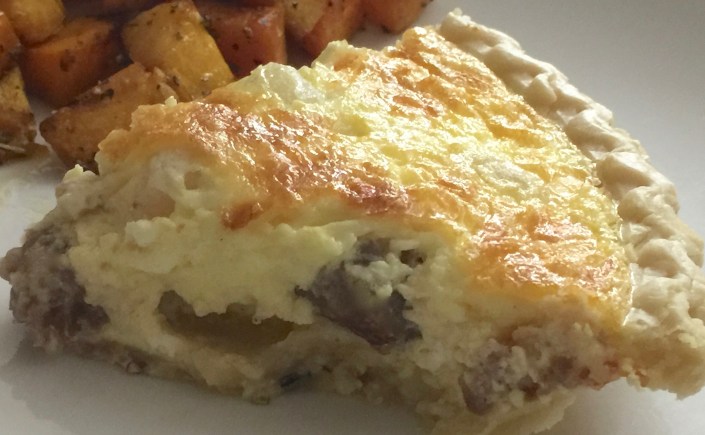
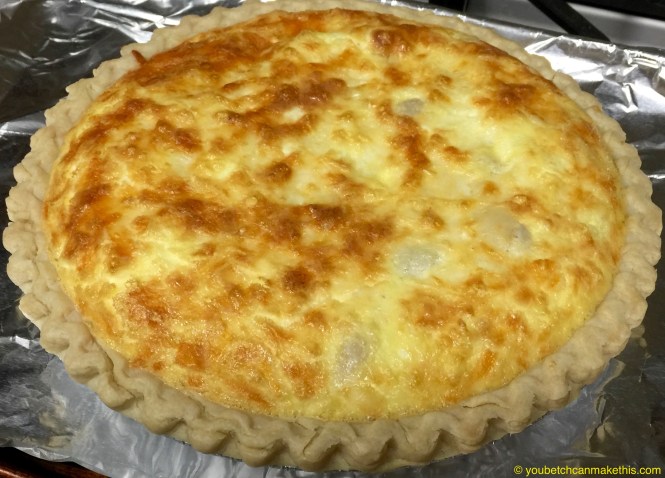
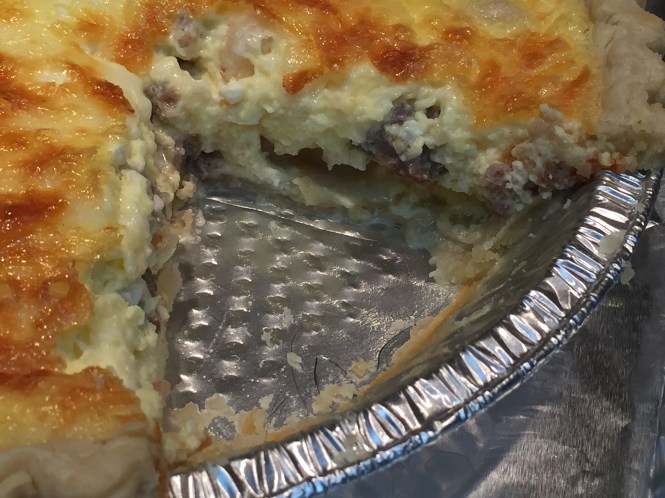
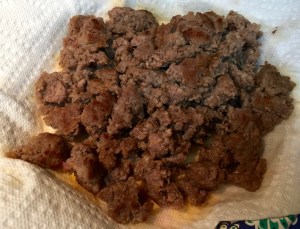 Lesson Learned 2 – Cook the breakfast sausage until you see only a little light pink: Remember the quiche is going to bake for an hour so the sausage will continue to cook during that time. I like to cook my sausage first, mix it with the cream cheese and let it sit a little before I put it in the pie crust. I normally use that time to put the egg mixture together.
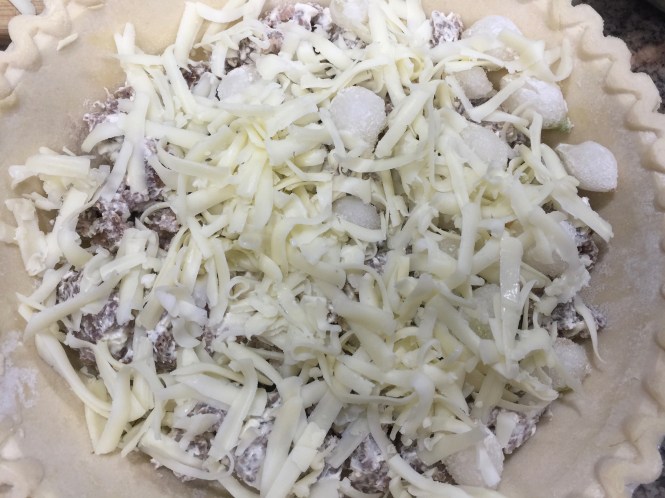
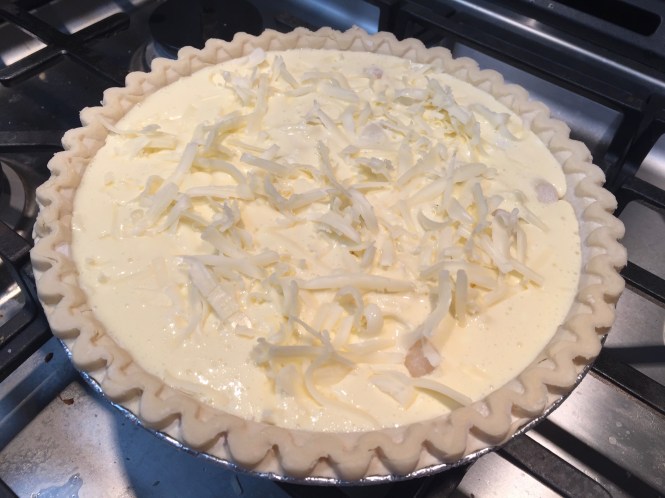
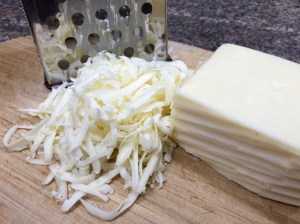 Lesson Learned 4 – Use a good melting cheese: You can use a wide variety of melting cheeses in a quiche. I like this particular recipe because it pairs a little cream cheese with another melting cheese. I used muenster in this recipe but you can also use cheddar, gruyere, swiss, or mozzarella. That’s the beauty of making a quiche. The choice is yours!
 1 9 inch frozen pie crust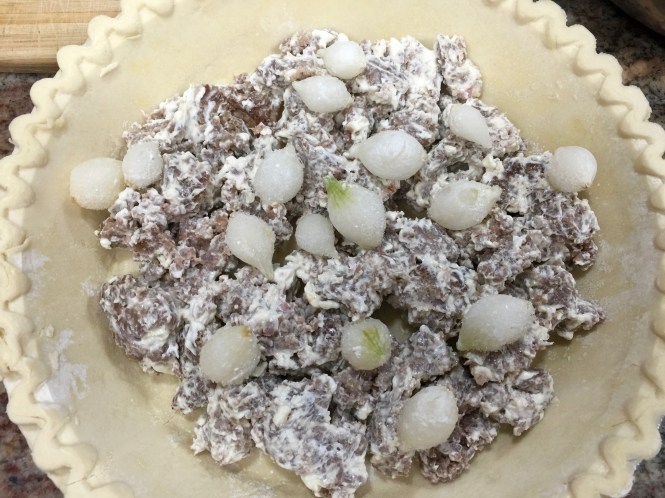

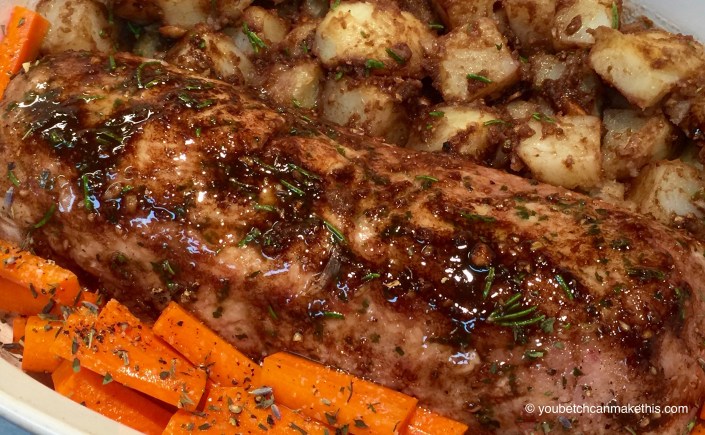
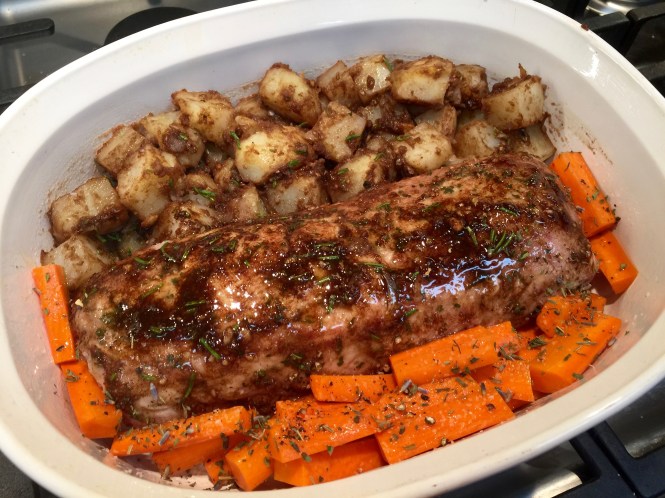
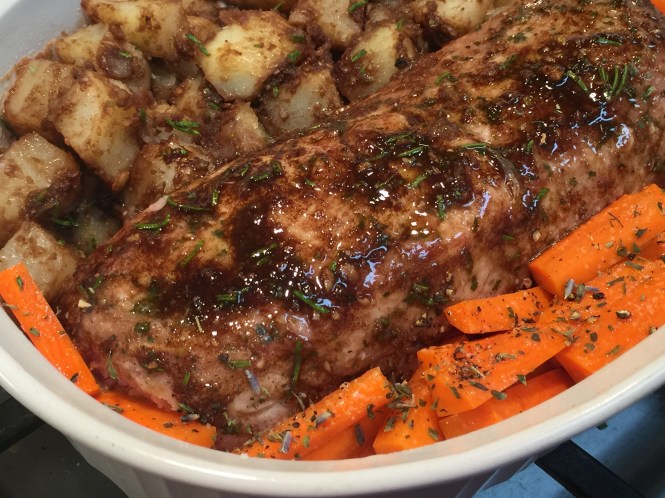
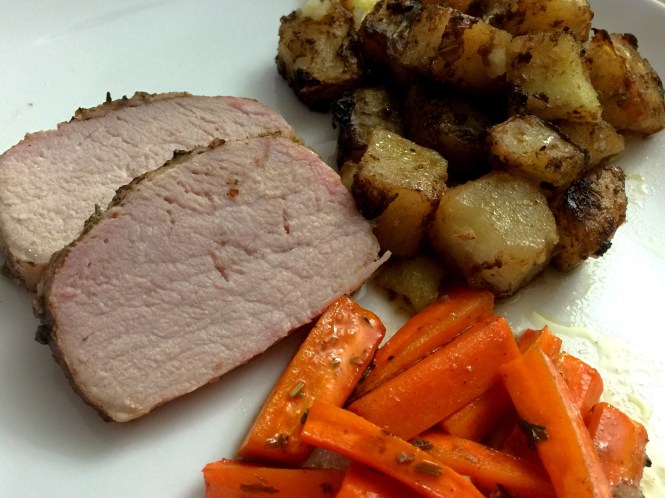
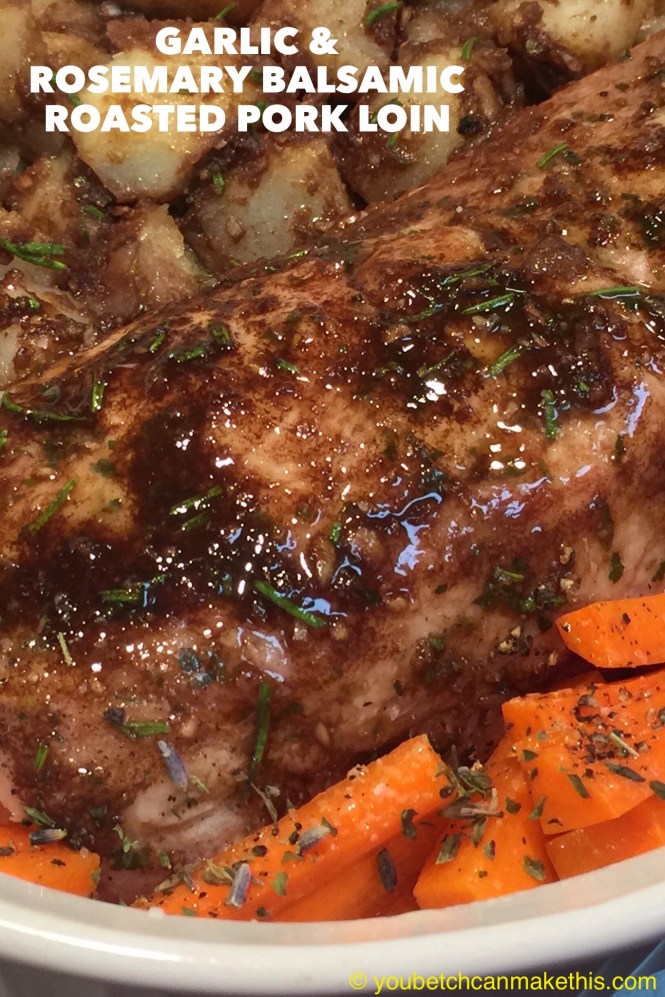
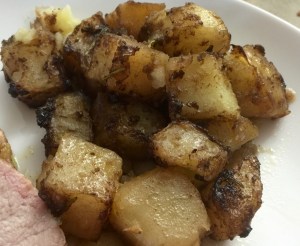 Lesson Learned 1: Slightly par boil your potatoes before roasting them: I don’t know about you but I’ve found that roasting potatoes can be tricky. I usually wind up with hard or semi hard potatoes that are not cooked through. In this recipe it is important to cut the potatoes as evenly as possible (mine were approximately one inch squares). Once I do that I put them in a pot with water, bring the water to a boil and boil the potatoes for about 5 minutes or just until they start to turn tender around the edges. Then I drain the potatoes and let me cool slightly in the strainer. I’ve found when I do this my potatoes come out perfectly when making this recipe. After I strain off the water I transfer them into a bowl so that I can coat them with the balsamic mixture before putting them in the roasting pan. It’s a little extra work, but definitely worth it.
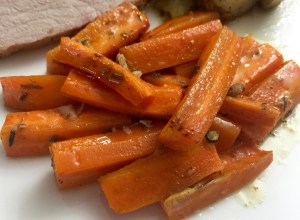 Lesson Learned 2 – This recipe roasts the carrots to crisp tender: Carrots are also tricky to cook and although I prefer mine to be crisp tender, some people prefer their carrots to be soft. If soft is your preference roasting them this way will not give you that consistency unless you either cut them into thin rounds or use small baby carrots. I cut my carrots into about 2 inch chunks, cut each chunk into half and then half again. This produced a somewhat softened crisp tender carrot, which I love.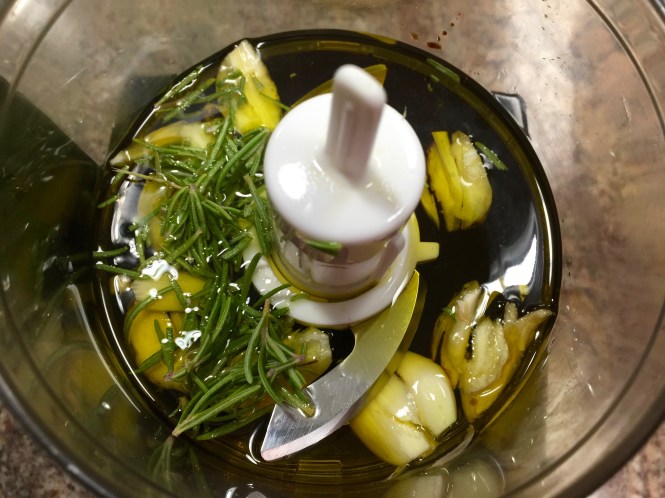
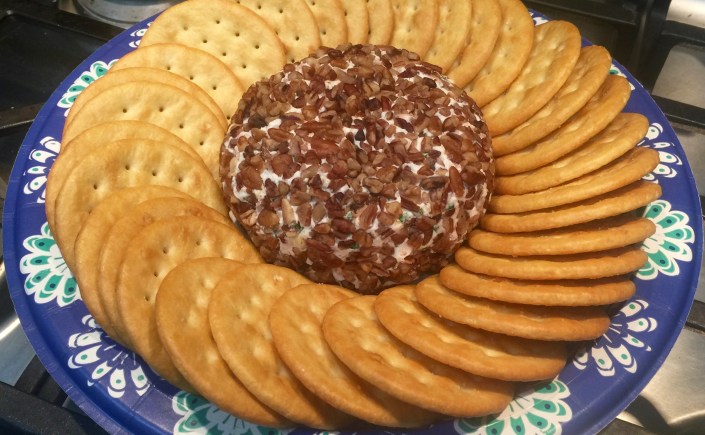
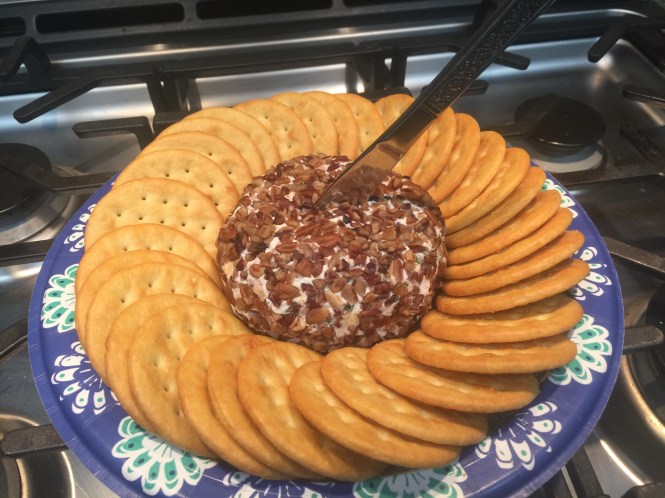
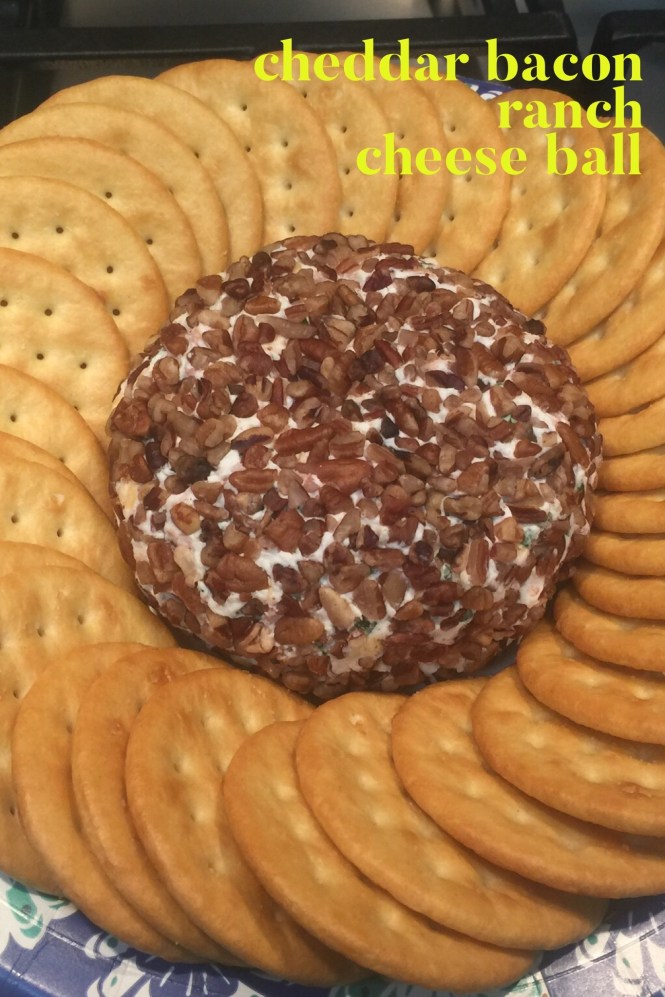
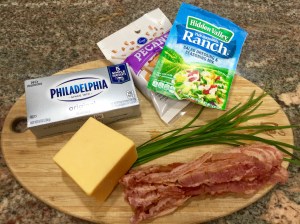 Lesson Learned 1: I found a great shortcut for adding bacon to recipes. The last time I was at the grocery store I noticed a package of Boar’s Head fully cooked bacon. It comes in a box and is not refrigerated. Inside there are two vacuumed sealed packages of cooked bacon with approximately 6 pieces per pack. One pack was perfect for this recipe. I avoided all of the grease and clean up associated with cooking bacon. Since then I’ve used it on salads and in other recipes. I love the taste and convenience of it. You may want to try some. It really makes putting together this cheese ball a snap.
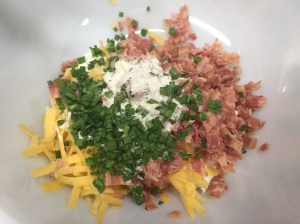 Lesson Learned 2 – Grate your own cheese versus using the packaged kind. Although I just touted the convenience of using precooked bacon, I don’t recommend using the grated cheese you get in a bag in any recipe. It may take a few seconds more to grate your own cheese but for flavor and health reasons I strongly recommend it.
 1- 8 ounce package of cream cheese, room temperature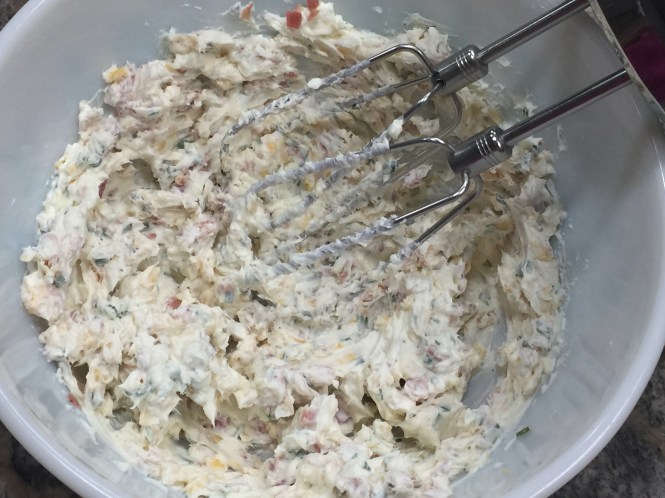
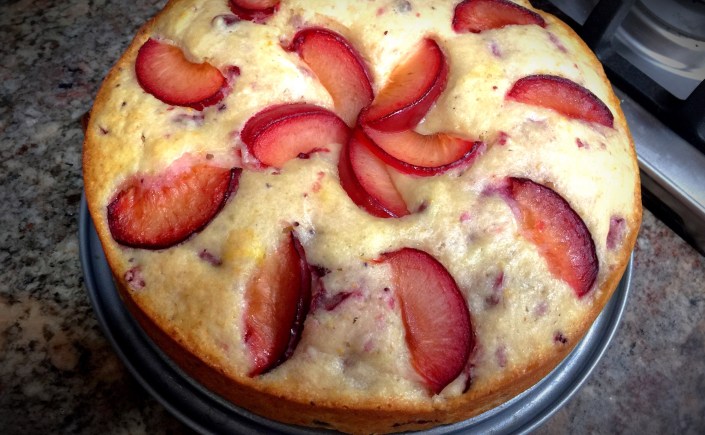
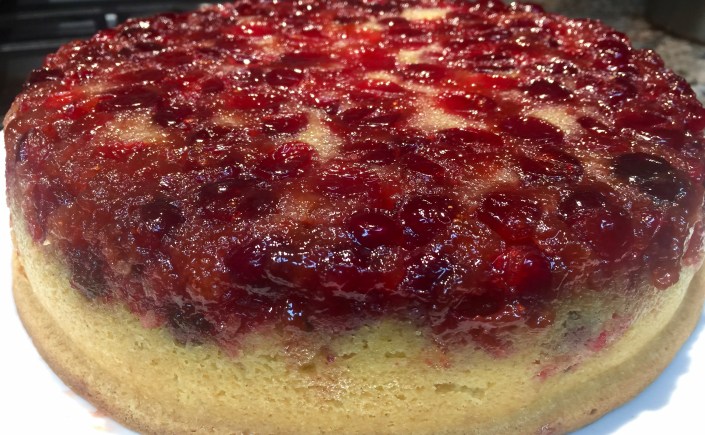
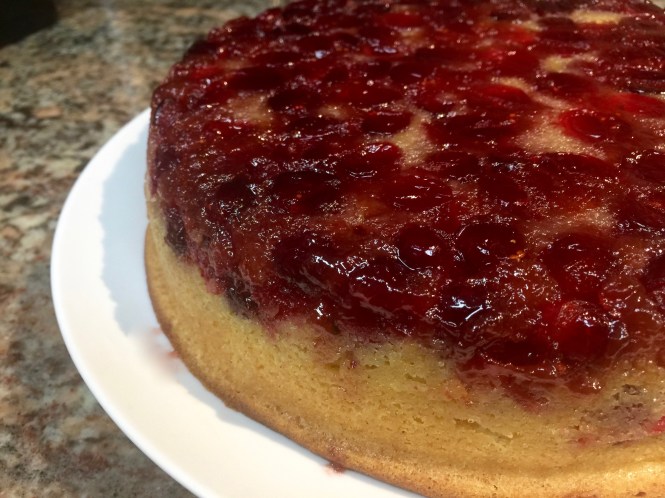
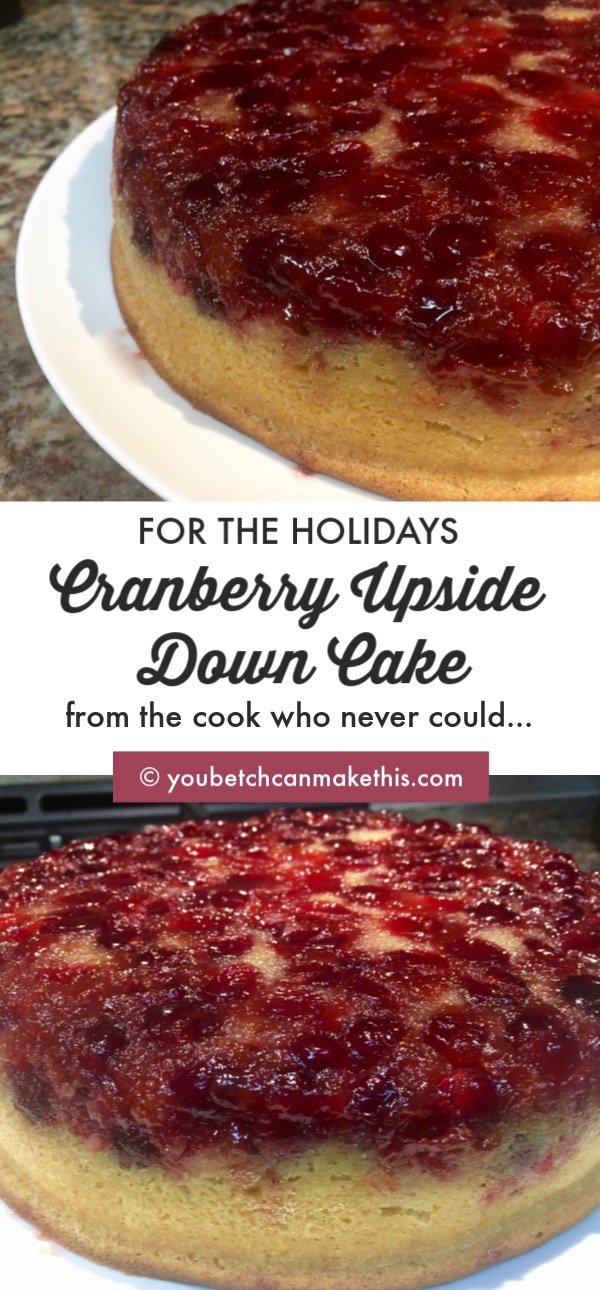
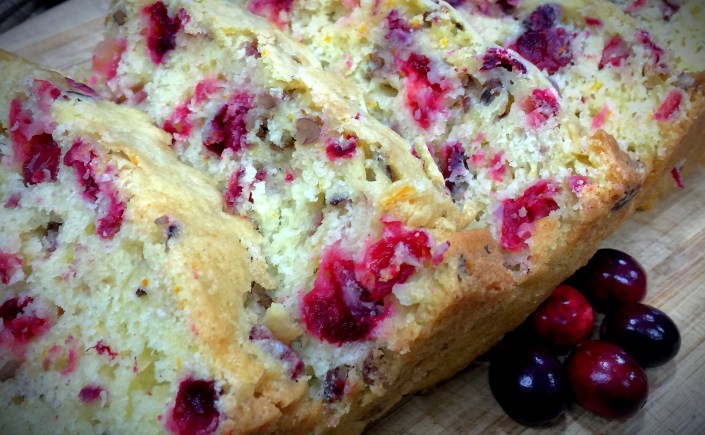
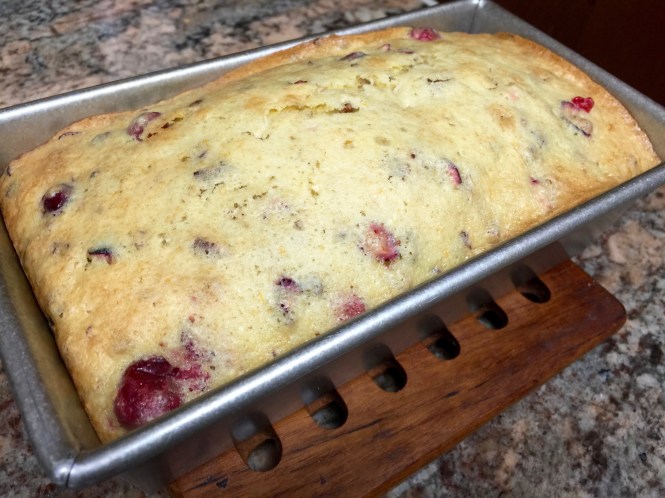
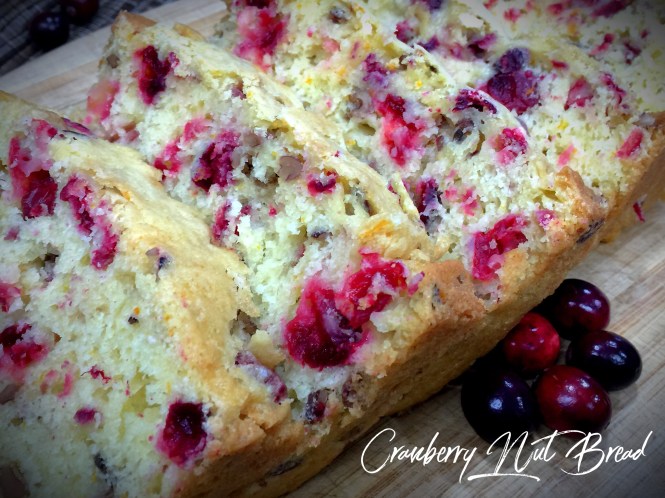
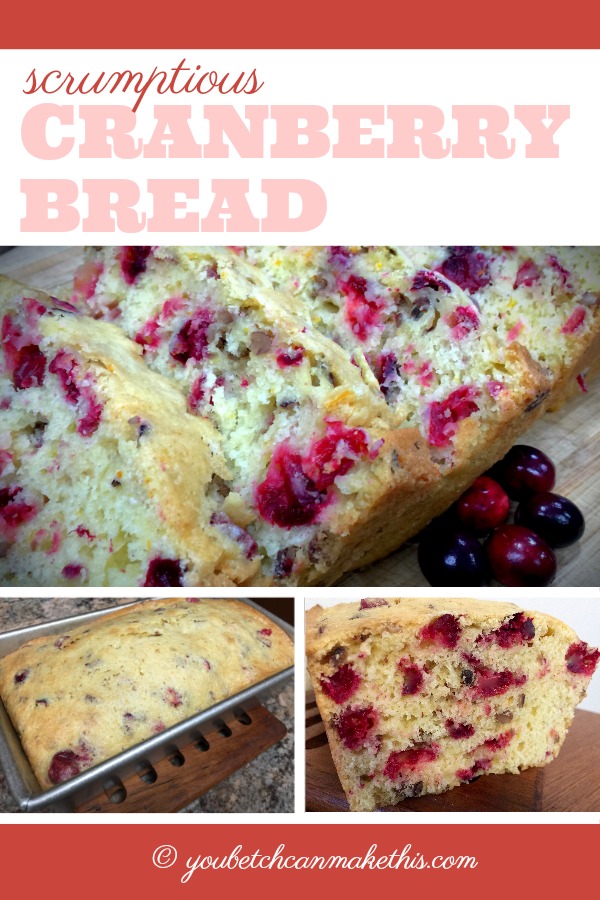
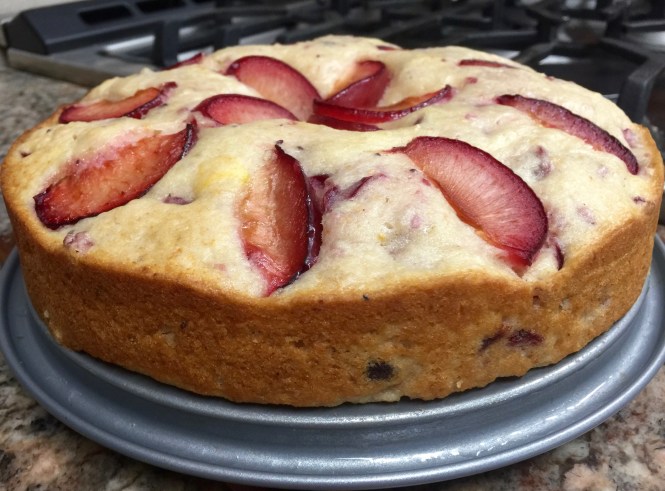
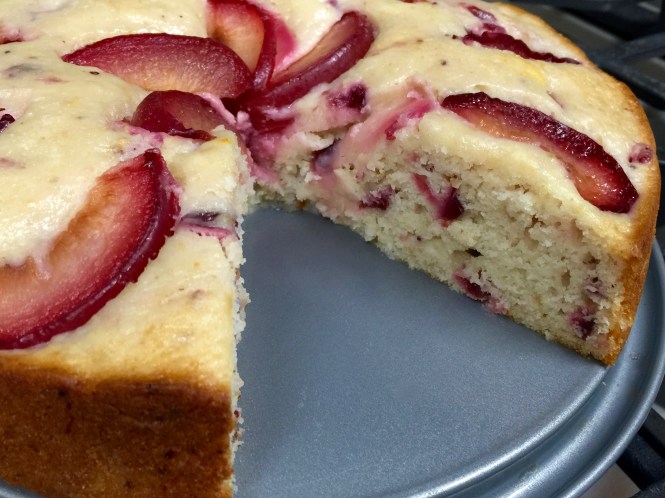
 Well, that is what this recipe is all about. I wish I could take credit for this but I can’t. I was at the grocery store looking for something to make, like a quick bread or muffins and I picked up this box of Krusteaz Cranberry Orange Muffin Mix. I looked on the back of the box to see if I could use this to make a quick bread and lo and behold on the bottom right hand corner was the recipe for this cake. All it required was a few extra ingredients, namely almond extract and fresh plums. The picture of the cake looked so good I just had to try it. Needless to say, it was fabulous and very easy to make so I felt I had to share it with all of you. Nobody has to know that this cake is semi-homemade.
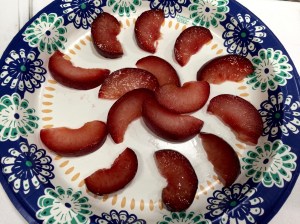 Lesson Learned 2 – Create the plum arrangement you want on top of the cake on a paper plate first: I found I had to play with the plums a little to create the arrangement I wanted. You don’t want to be doing that on top of the batter. I took a dinner size paper plate and created my plum arrangement on that. When it came time to put the plums on top of the batter I simply moved them from the plate to the cake just like I arranged them. It was a piece of cake, no pun intended!
 1 box Krusteaz Cranberry Orange Muffin Mix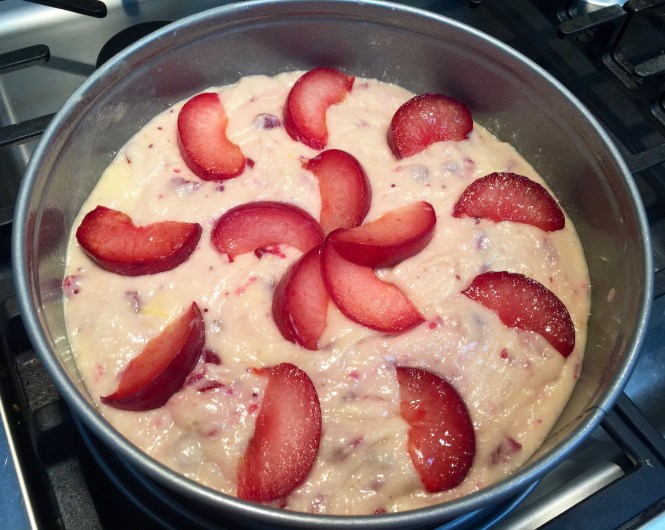


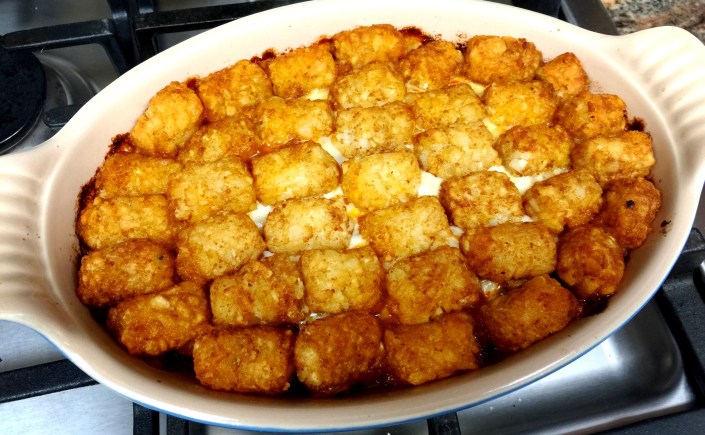
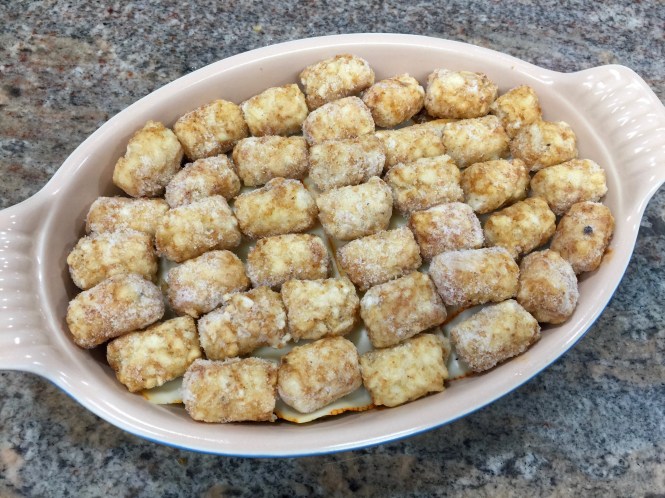
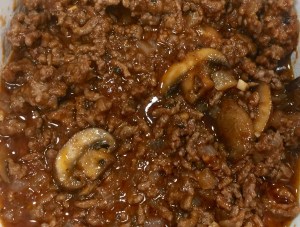 Lesson Learned 3 – Feel free to experiment with this recipe: Add ingredients to the ground beef that you and your family like. If you don’t like mushrooms, don’t use them. If you like sweet peppers, dice them up and use them. If you’re not a big fan of spicy don’t use the hot sauce. But if you want some real tang add some crushed red pepper to the beef. If you prefer pearl onions, add them. You can use cheddar cheese instead of muenster cheese (I find cheddar cheese to be somewhat greasy) or any melting cheese you prefer. The beauty is this recipe can be very versatile to include anything you enjoy.
 INGREDIENTS: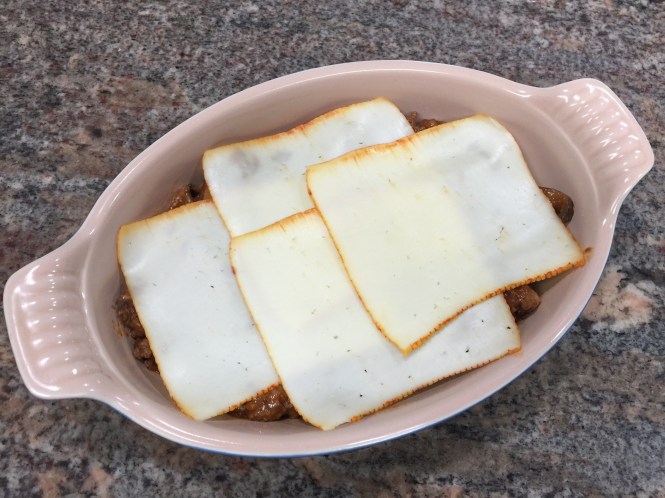
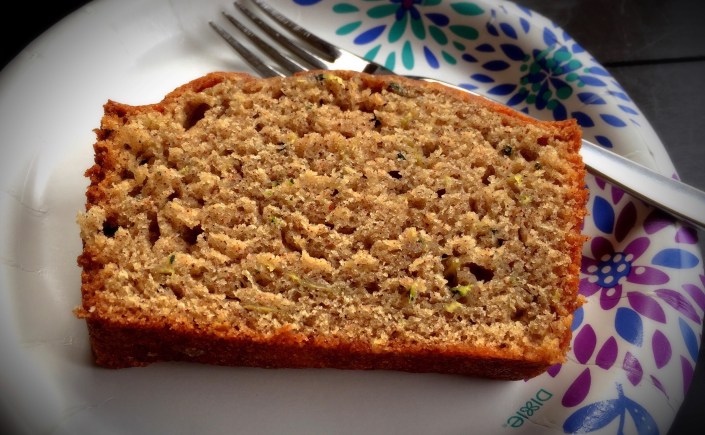
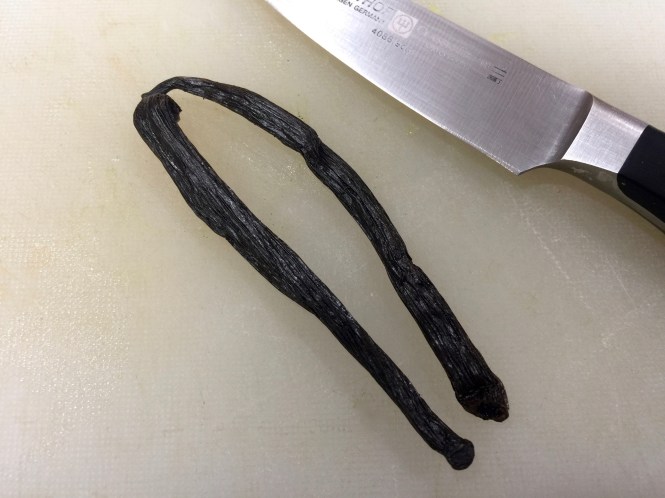
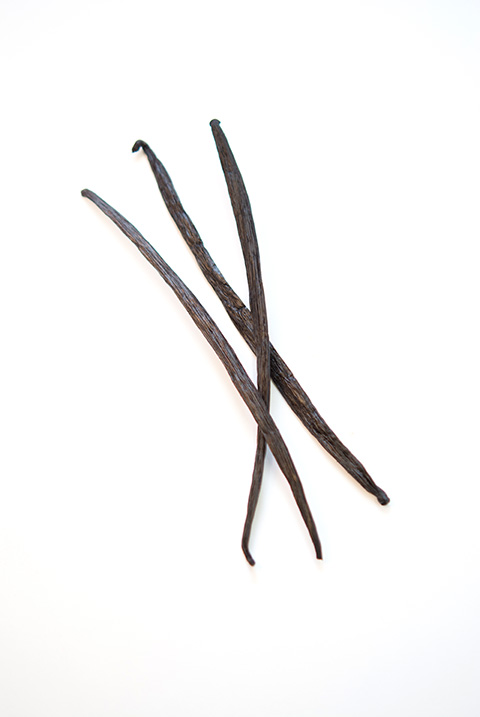
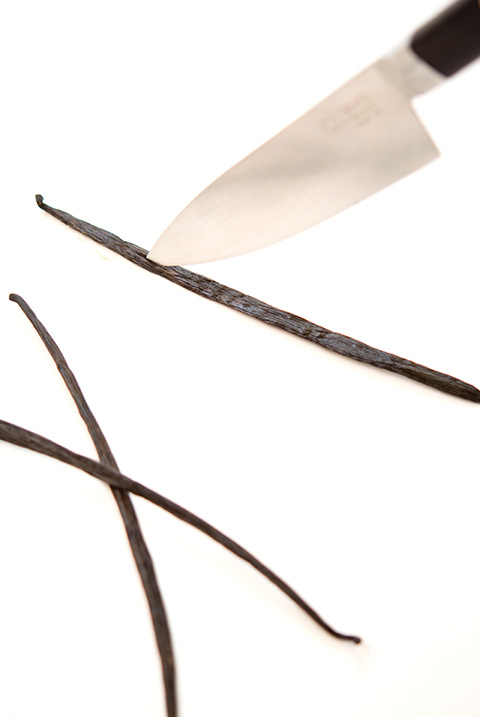
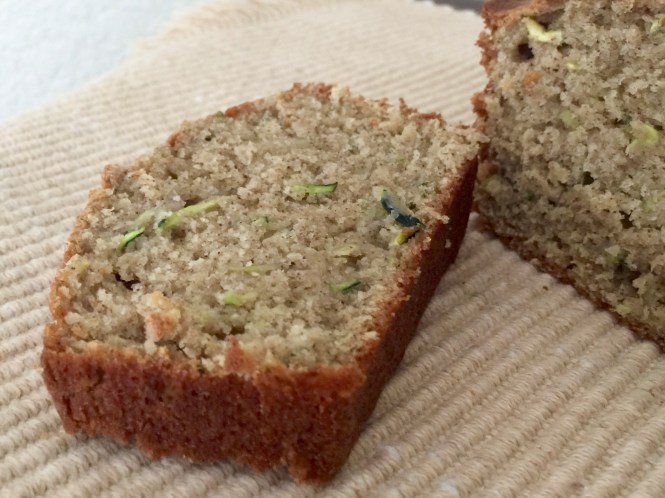
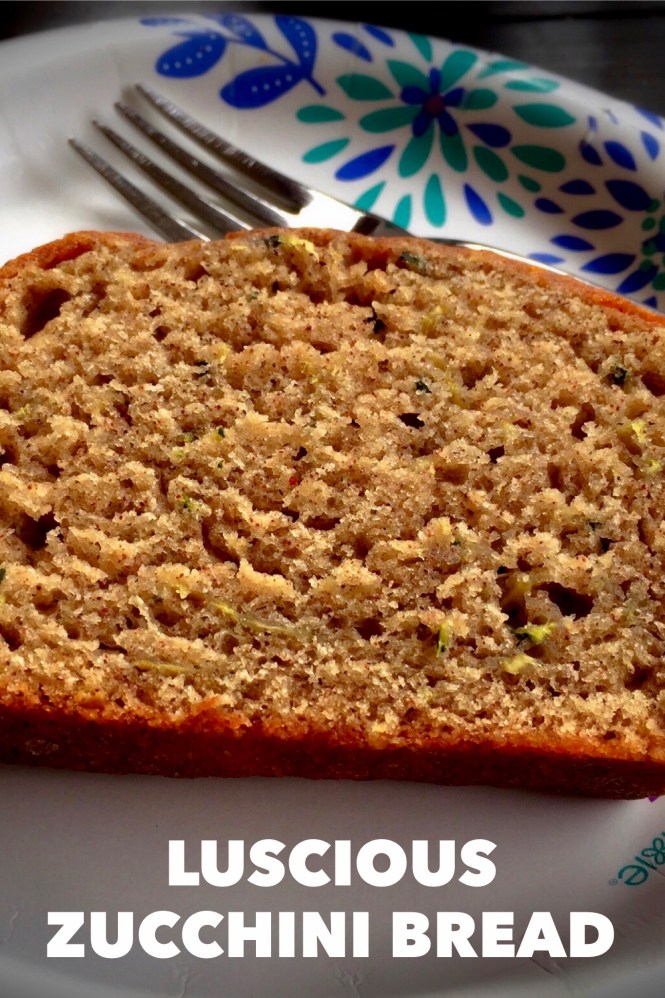
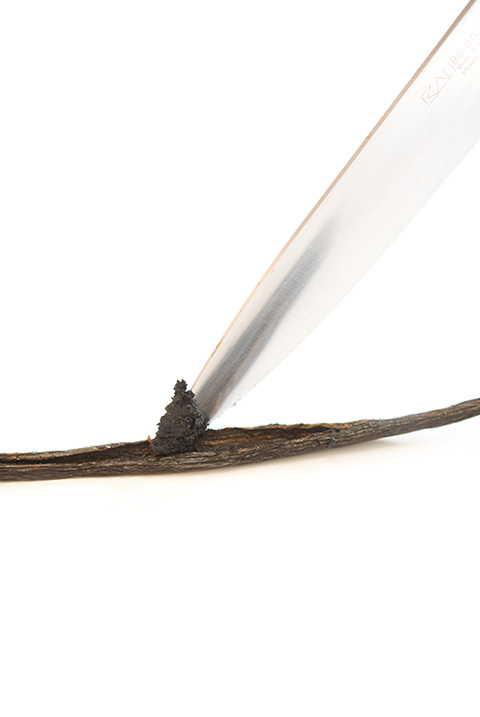 A whole vanilla bean will give you the equivalent of approximately one teaspoon of vanilla extract. Adding this to the two teaspoons of vanilla already in the recipe and it gives a wonderful but not over powering vanilla flavor to the zucchini bread. And that’s what makes it so luscious.
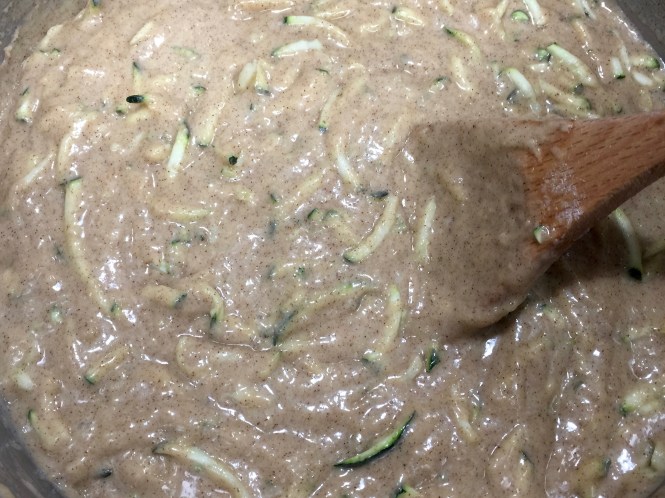
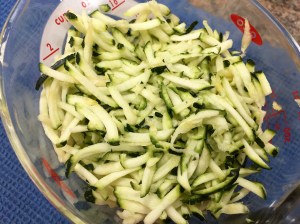 Lesson Learned 2 – Use a food processor to shred the zucchini: Although you can use a box grater, a food processor is a faster and easier way to shred the zucchini for this recipe. One medium to medium-large size zucchini will give you the two cups needed to make the bread. The food processor shreds the zucchini to just the right size so there are small strands in the bread. You don’t want to the zucchini shreds to be too big. They are designed to add moisture to the cake without providing any noticeable flavor. Also, make sure to pat down the zucchini shreds in your measuring cup. You want them slightly compacted.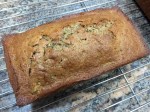
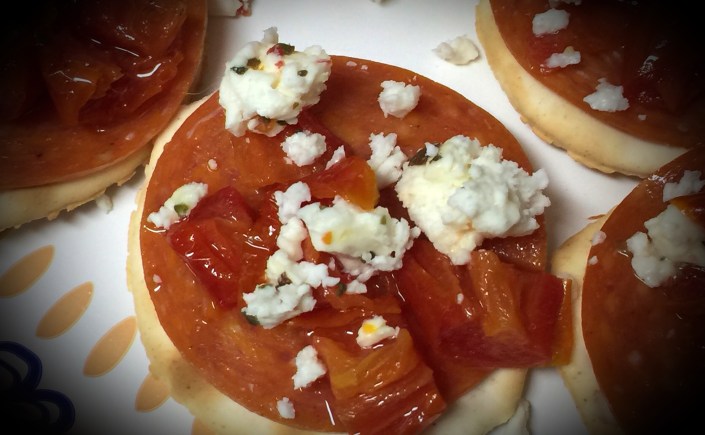
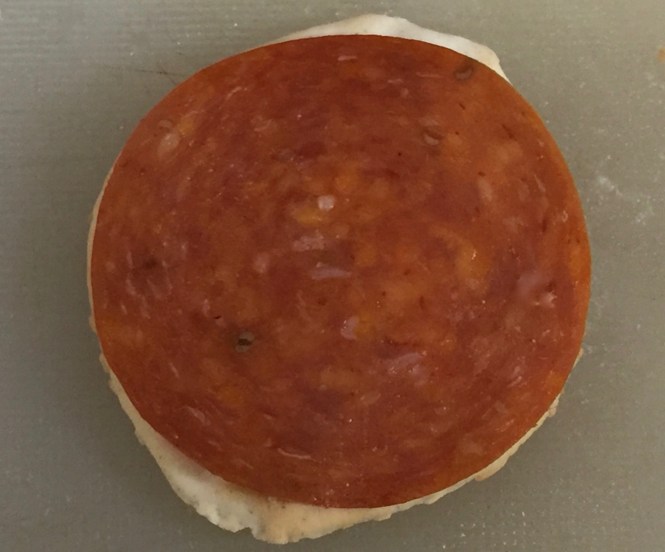
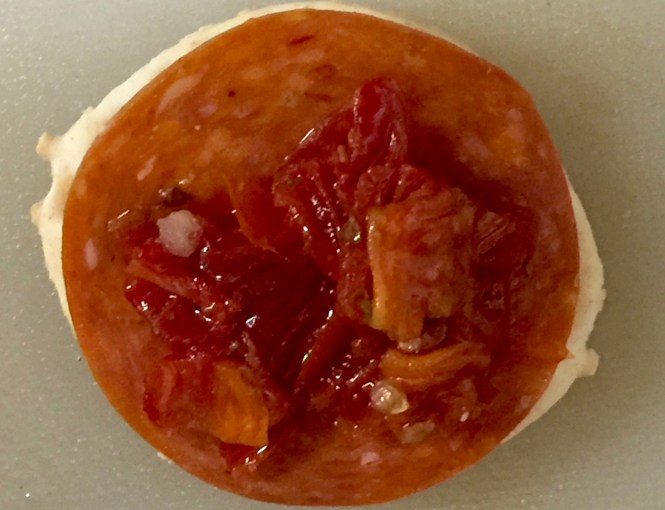
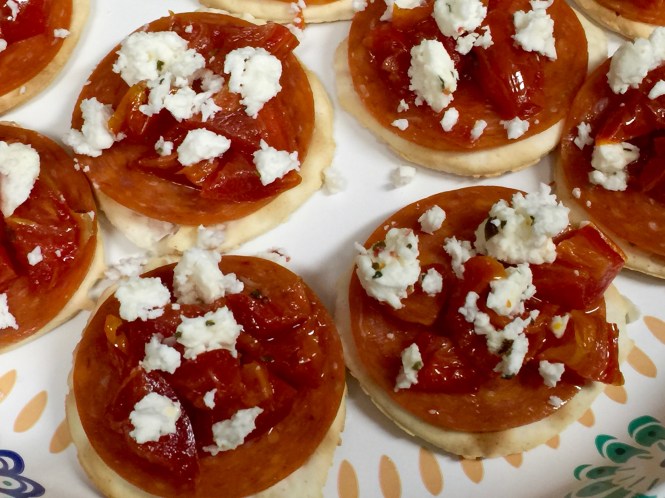
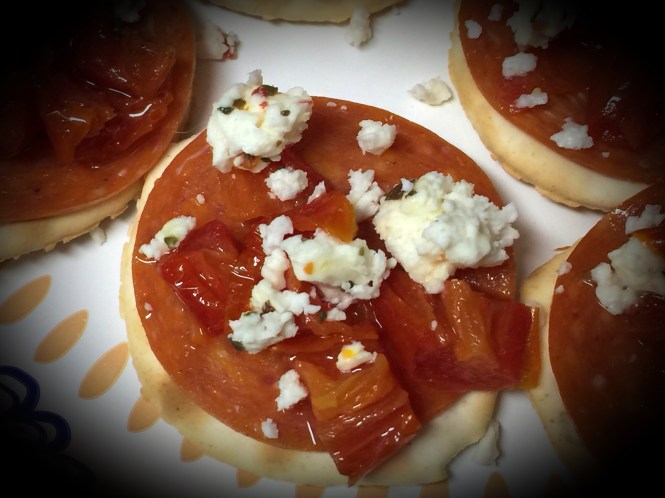
 Lesson Learned 2 – I used pre-made roasted tomatoes: In the specialty cheese section I found some roasted tomatoes marinated in garlic olive oil. Bingo! The package had about 7 ounces of roasted tomatoes that I diced up and put on top of the pepperoni. It was fabulous. If you can’t find them pre-made you can roast tomatoes yourself and then let them marinate in some olive oil. You’ll still get the same result. But this was a whole lot less work and gave the bites a great flavor!
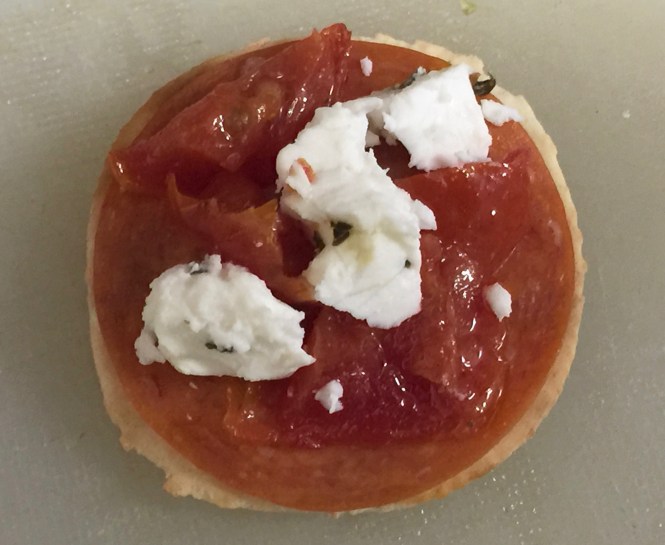
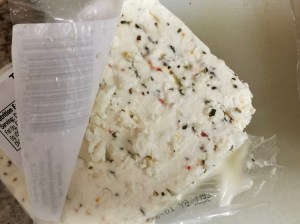 Lesson Learned 3 – I used a specialty feta cheese: You can certainly use plain feta cheese but I found a roasted pepper and basil feta cheese and I decided to use that. What I liked about this choice was that it added the flavor of basil to the appetizer without having to use basil leaves. You could certainly use basil leaves as well. If you do I would put the basil leaf on top of the pepperoni and then put the tomatoes on top of that. That way the leaf is secured. The great thing about this appetizer is that you can be creative and it will still be fabulous!
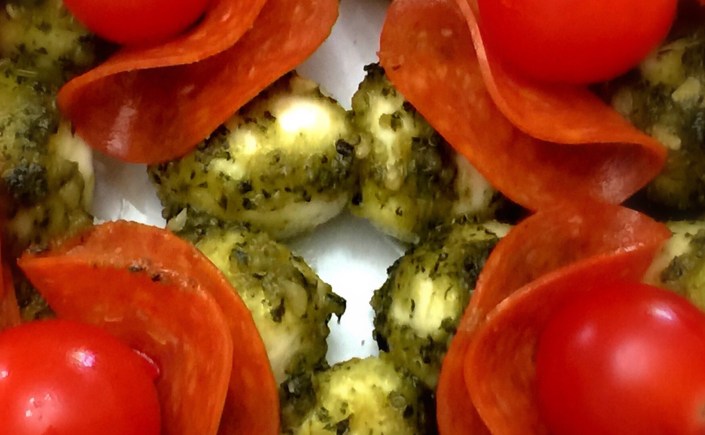
 Lesson Learned 1 – This is a great way to use some of the homemade pesto you’ve made from growing basil: pesto is what adds zip to this recipe and homemade pesto is the best. If you don’t have your favorite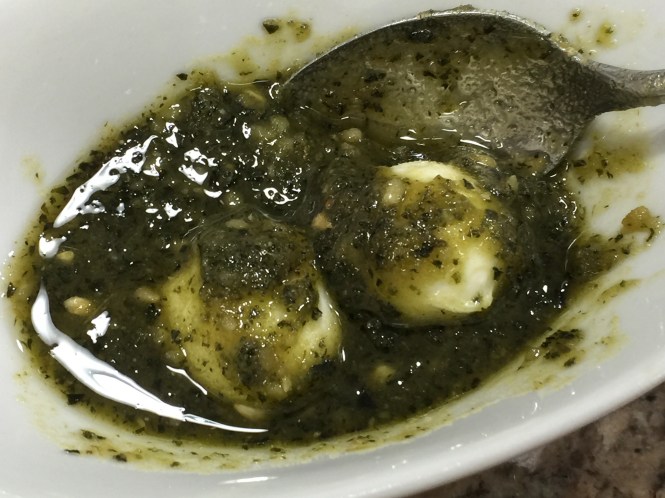
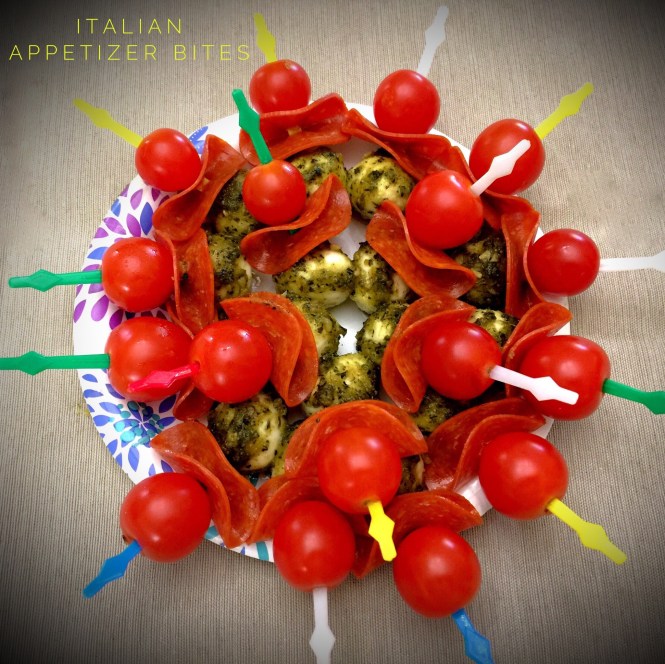
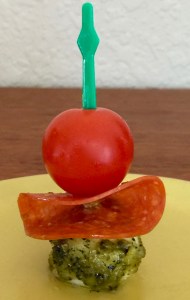 Lesson Learned 2 – If you want to serve these standing up versus lying down you will need to cut a flat surface on the bottom of each mozzarella ball: I learned this lesson the hard way. I started assembling the skewers and found that they would not stand straight. The round bottom of the ball prevented them from doing so. I tried pushing the bottom flat but that didn’t seem to work so I started cutting the bottoms off the balls and then figured out that I liked the presentation of the skewers better with the skewers lying on their sides. So I opted to serve them lying on one side versus standing up. There is no right way to serve these, but I found that serving them on their side created quite an impressive looking appetizer as you can see from the picture below…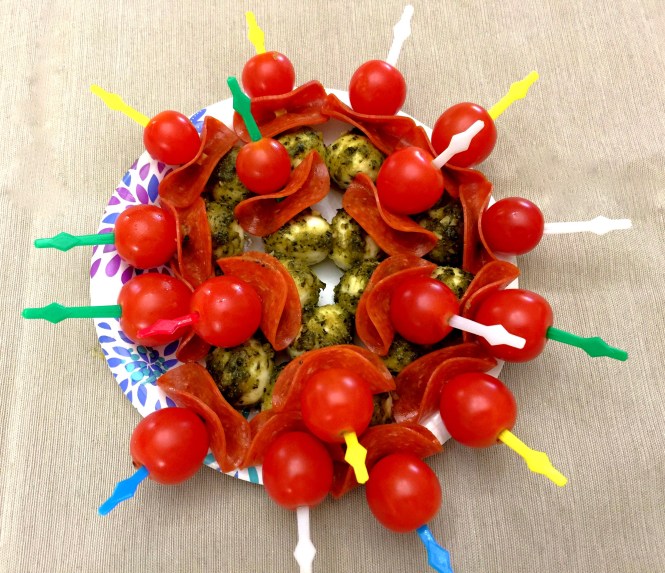
 1 small container of cherry tomatoes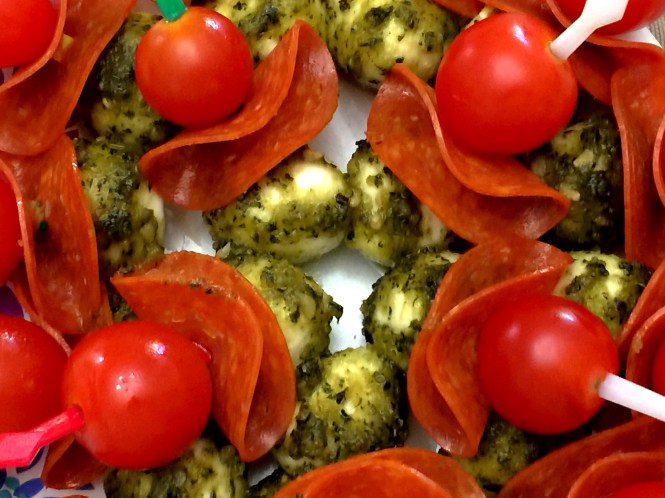
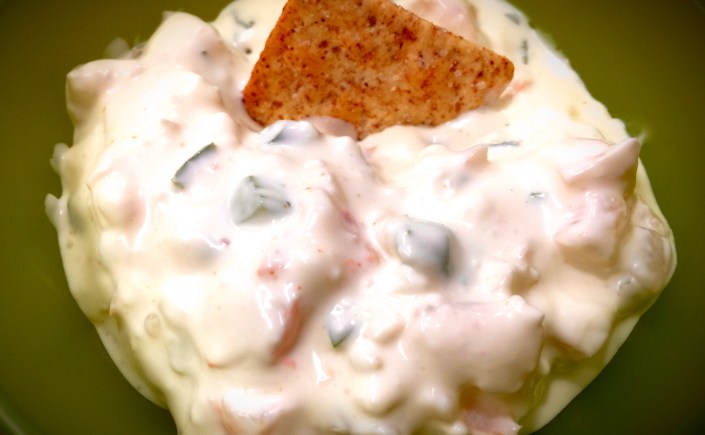
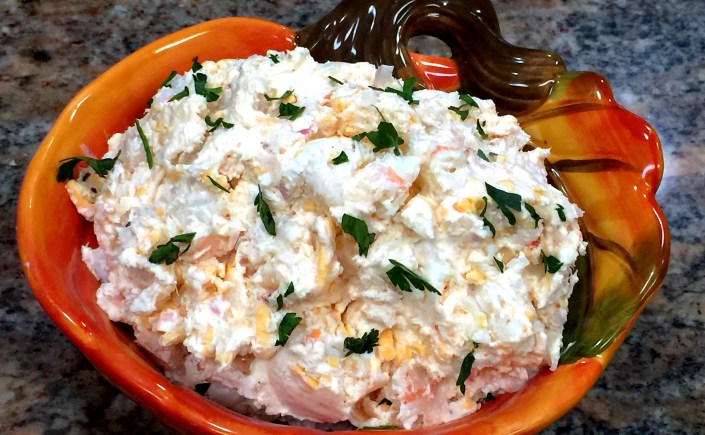
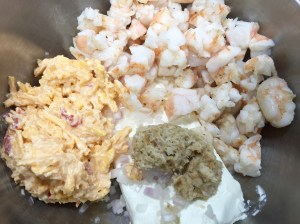
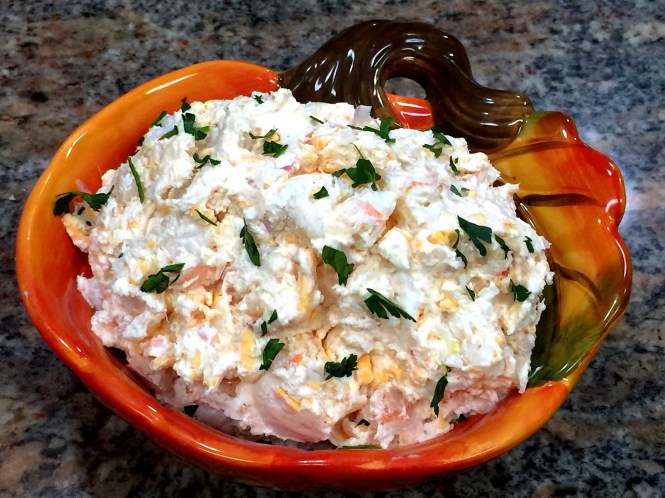
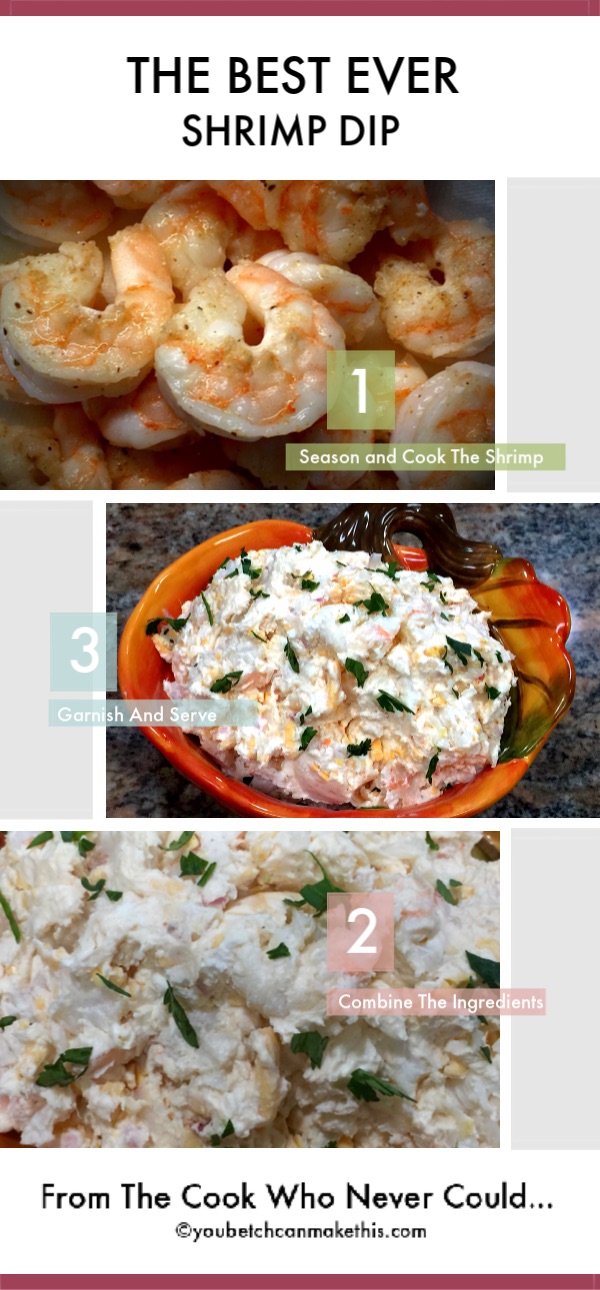
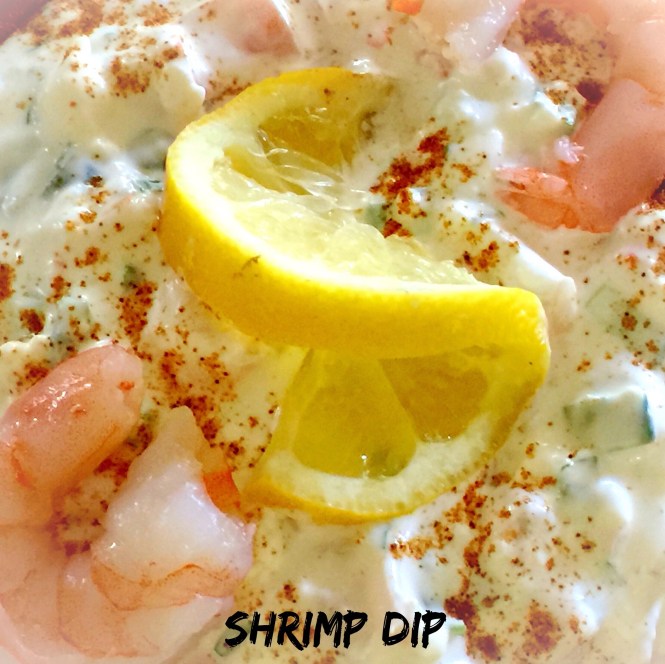
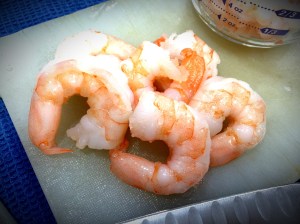 Lesson Learned 1 – Use LOTS of shrimp: I used a 12 oz. bag of frozen cooked and deveined shrimp. I thawed the shrimp in the refrigerator overnight and then chopped it up into small bite sized pieces. I kept a couple of shrimp to garnish the top of the dip (of course you don’t have to do that) and all the rest went into the dip. My point being this is a shrimp dip – the more shrimp the better.
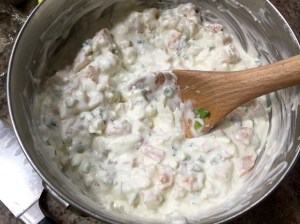 Lesson Learned 3 – If you can, make this recipe the day before: Like almost any dish, the more the ingredients are acquainted directly relates to upping the wow factor of the flavor. So it is with this dish. It is such an easy dish to make that it shouldn’t be too difficult to make it the day before and let it sit overnight in the refrigerator. But if you’re in a rush and need something quick, you can serve this the same day and it will still be very good.
 1 – 8 oz. package of cream cheese, room temperature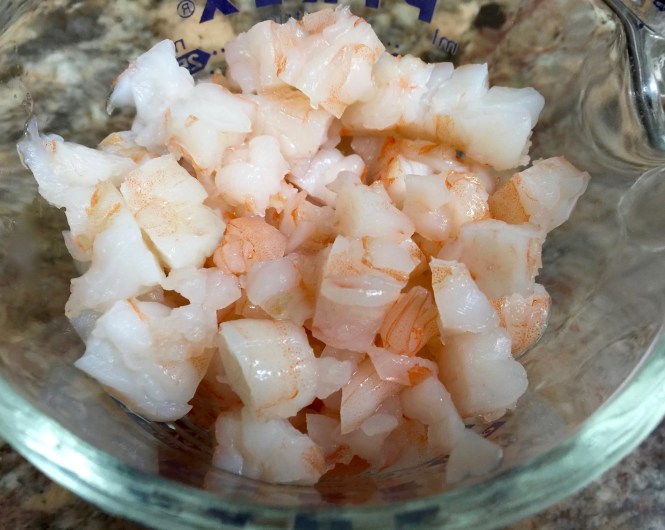
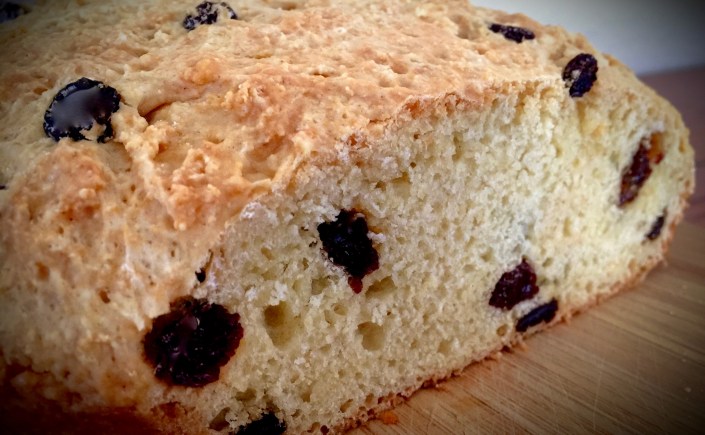
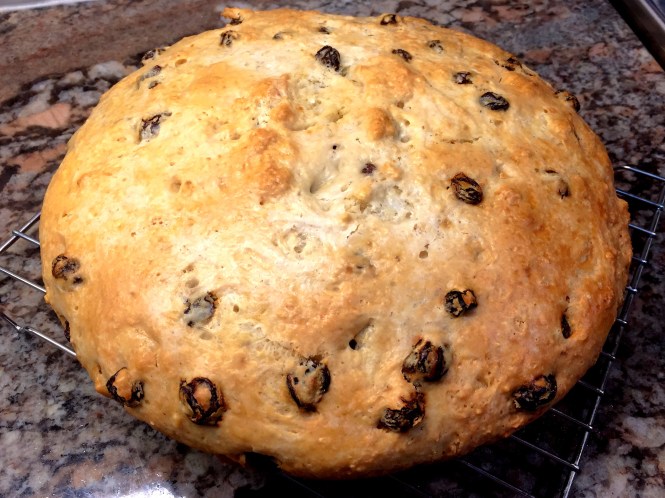
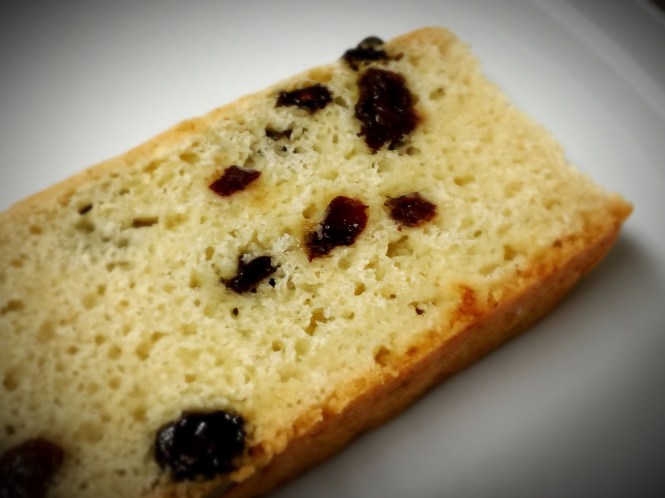
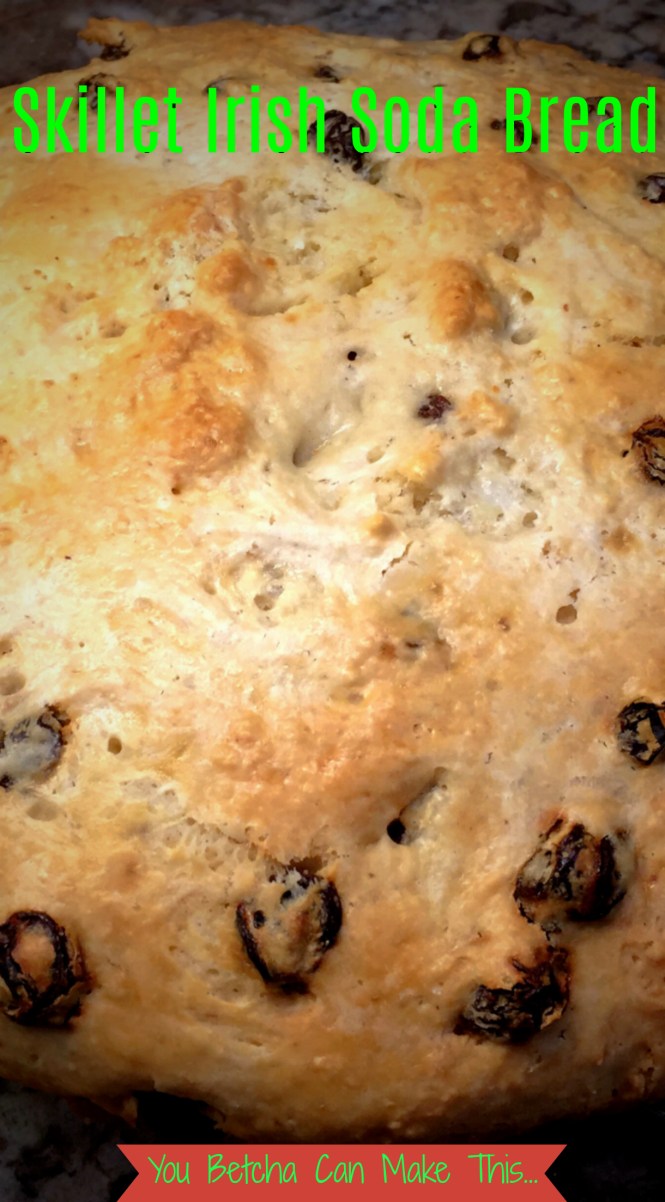
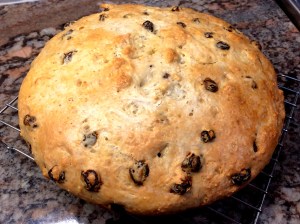 I’ve tasted many iterations of soda bread over the years and, to be honest, most of them were less than stellar. There was only one other time that I can remember having fabulous soda bread. That was when I was working at the Chicago Park District and one of my co-workers, Carol Diver, brought some to work. Carol was Irish through and through with an infectious laugh and a heart as big as all outdoors. And her soda bread was to die for. Unfortunately Carol is not longer with us and I’d never asked her for her soda bread recipe. But from then on, her soda bread was the standard to which I held all others. As time went on none would ever compare, until now.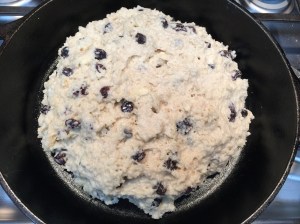
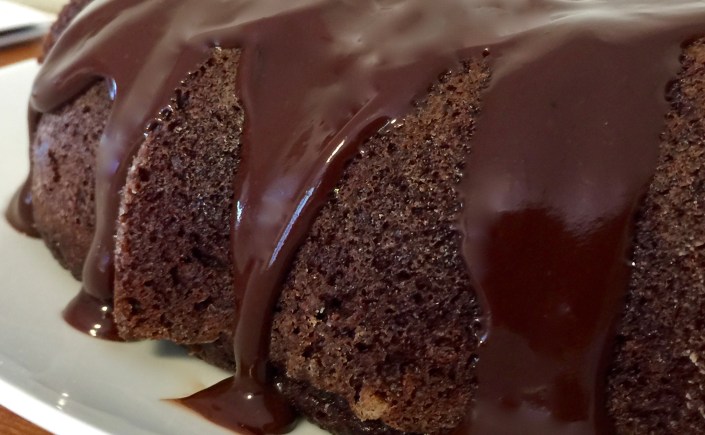
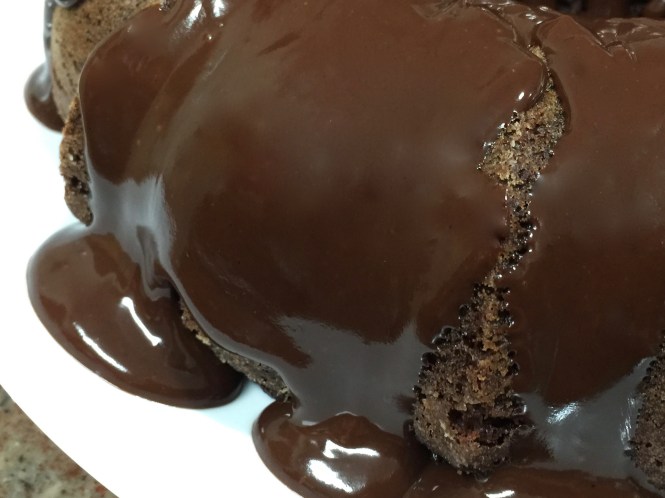
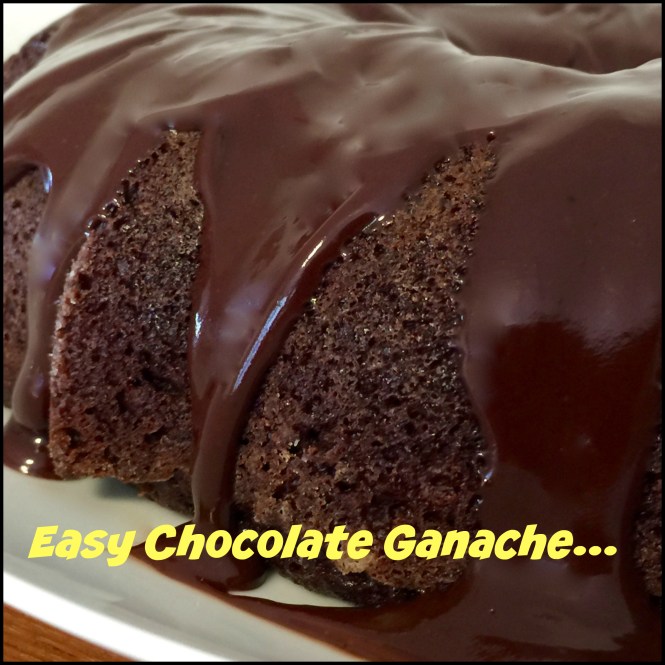
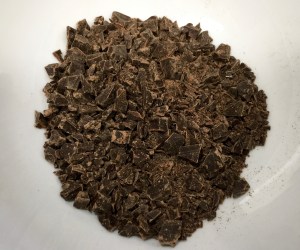 Lesson Learned 1 – There are many ways to make ganache: I am going to share with you the simplest way. The ratio is easy to remember 1:1. Use as many ounces of heavy cream as semi-sweet chocolate. It couldn’t be easier.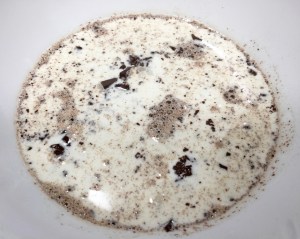
 4 ounces semi-sweet chocolate squares cut into small pieces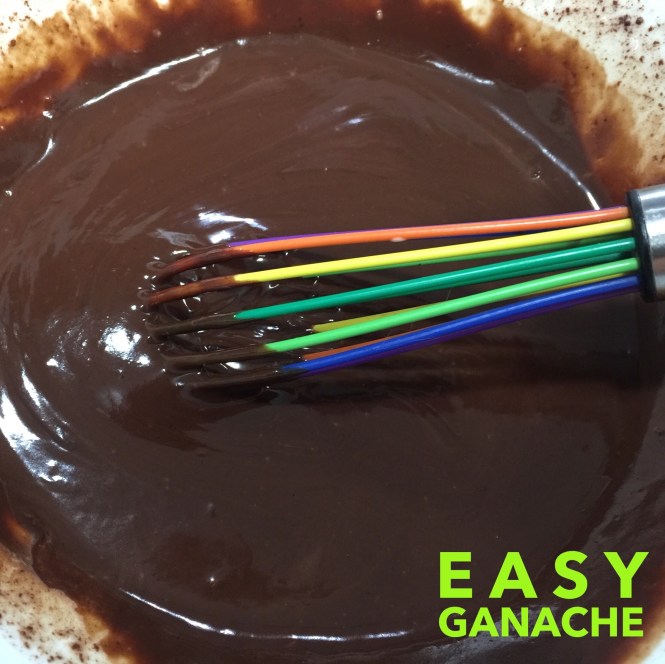
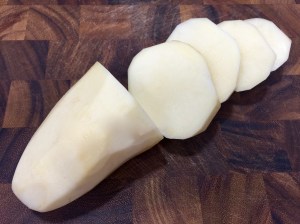 Lesson Learned 1 – Make sure to cut the potatoes to the correct size: For the purposes of this recipe you need to keep the pieces close in size (approx. 3/4 inch pieces). Here’s a little trick to help you achieve that. Using your chef’s knife cut a thin slice off of one of the longer sides of a peeled potato. Set the potato on the cut side and slice crosswise into even planks. Stack several planks and cut crosswise. Then rotate and cut crosswise again. This will give you evenly sliced potatoes.
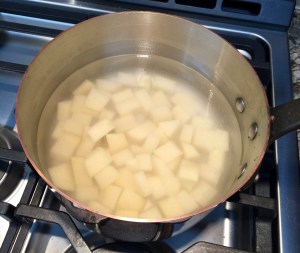 Lesson Learned 2 – You can cook the pieces of potatoes two different ways, on the stovetop or in the microwave: (I will include both methods in the recipe printout). I chose to cook them on the stove. The process is not much different than making mashed potatoes. The only difference is you want to monitor the potatoes as they boil to make sure they don’t get overly soft, otherwise they’ll break apart. You want them to hold their shape. I would boil them for about 7-10 minutes and check their consistency. If they are still hard, check every couple of minutes until they are just becoming fork tender.
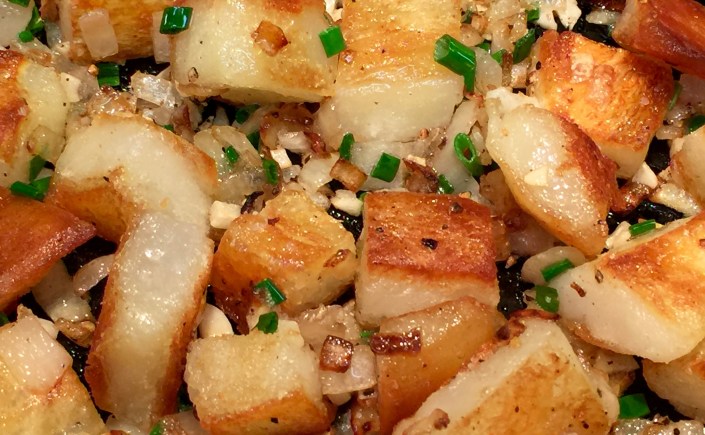
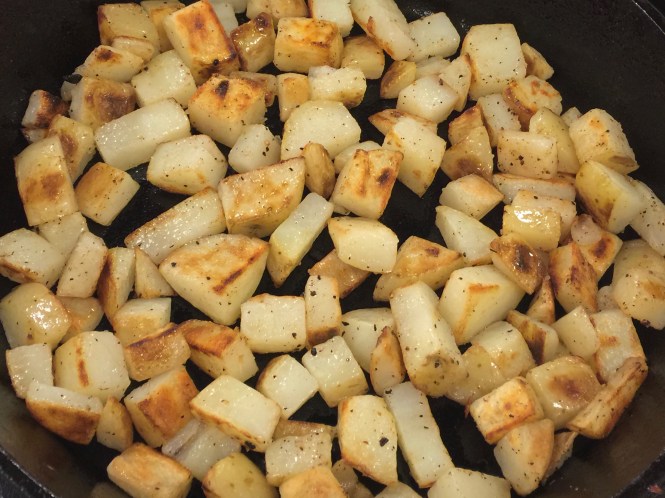
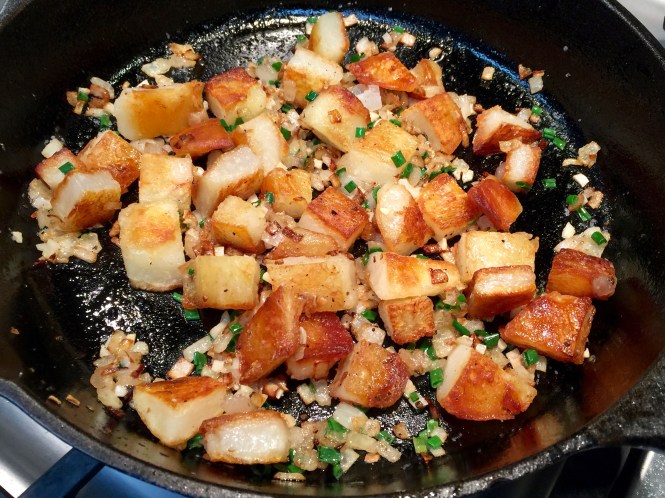
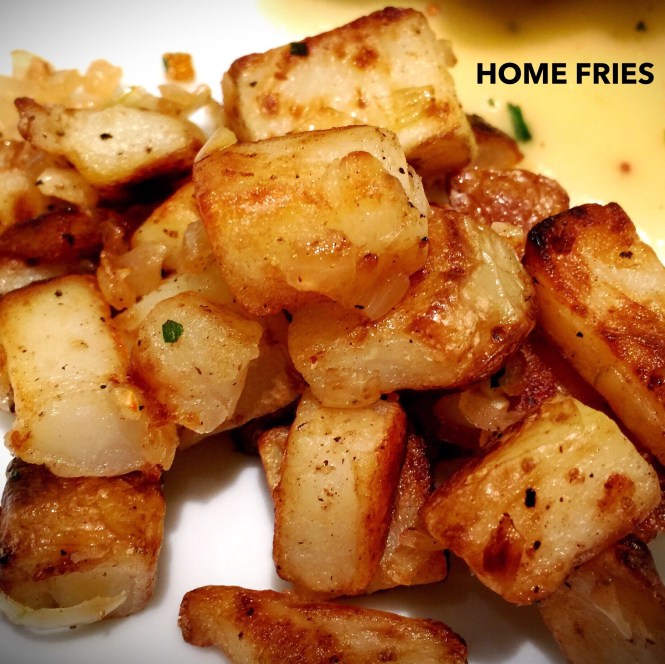
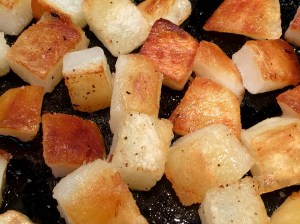 Lesson Learned 5 – Don’t continuously move the potatoes once they are in the skillet: In order to get the potatoes nice and brown you have to let them sit for a while in the skillet. The whole browning process can take about 20 minutes and you don’t want to be flipping the potatoes continuously during that time. If you want to check to see if they are ready to flip, turn one of the pieces or look on the sides of the pieces to see if the bottoms have started to to turn color. You’ll get a much better result if you are patient during the browning process.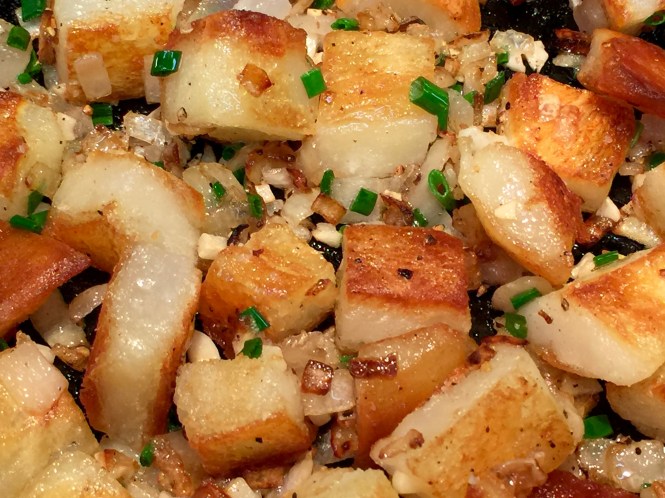
 2 large russet potatoes, peeled and sliced into 3/4 inch cubes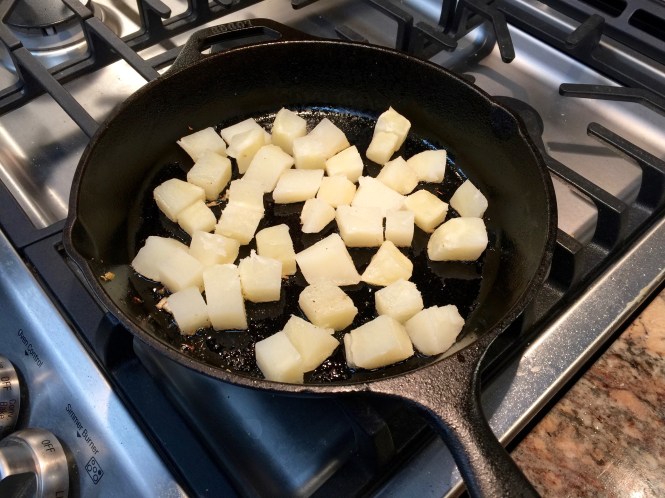
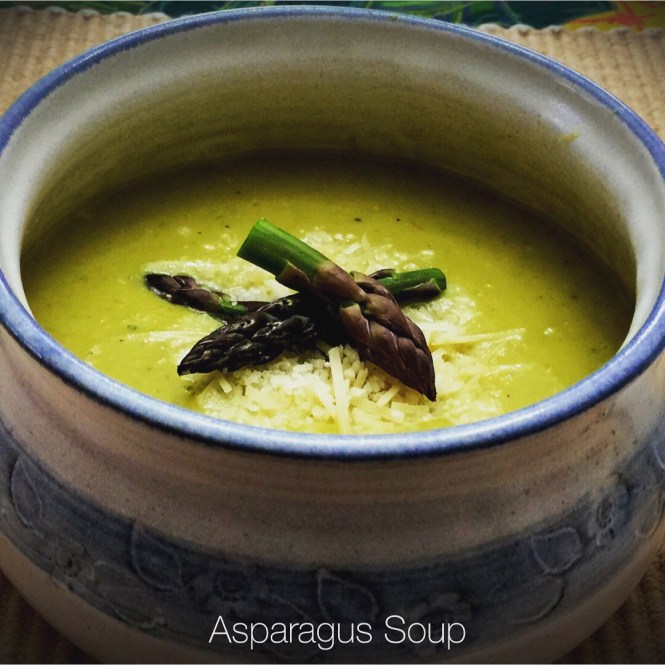
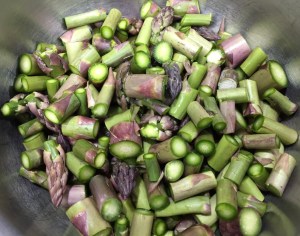 Lesson Learned 1 – Learn what parts of the asparagus spears you can use: Quite often you’ll see on television the way to trim asparagus is to bend it and where it breaks off is where you should trim your bunch. I’ve found that sometimes that wastes too much asparagus especially if you’re making soup. I learned early on that even with a very sharp knife, there can be a part of the spear that will very hard to cut – you almost always have to use two hands pressing down on the knife to cut it. That is the part you want to throw out. That still leaves some of the tougher parts of the asparagus, but as long as a knife will go through it without a lot of force you can use it in the soup. Keep in mind that soup is designed to use as much of the asparagus spear as you possibly can so don’t be afraid to use some of the tougher parts of the spear. As long as you can cut through it without a lot of force it will be perfectly fine for the soup.
 3 Tbs. butter, separated
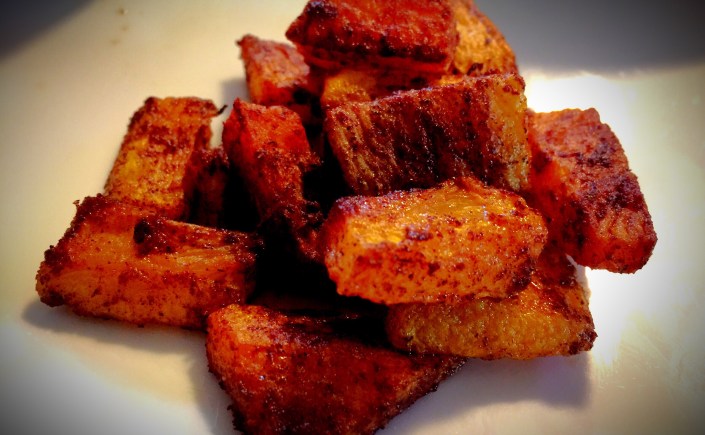
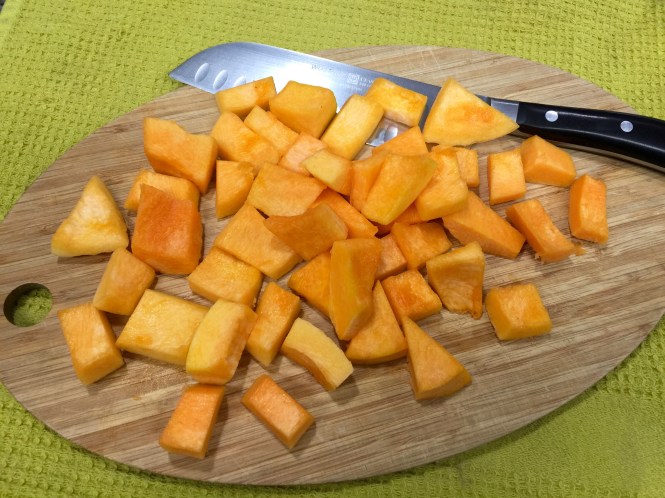
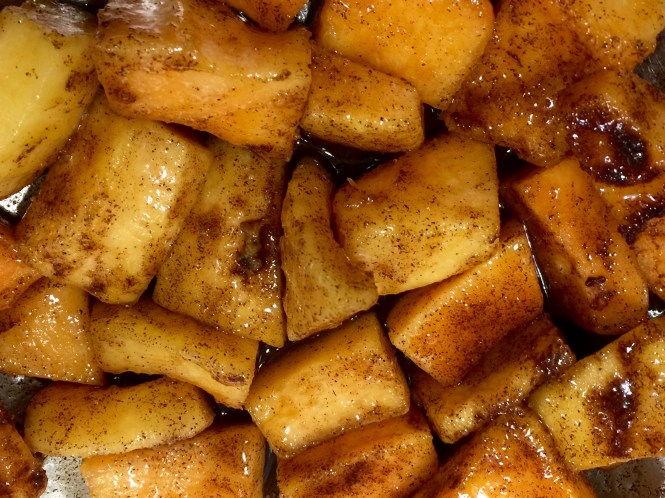
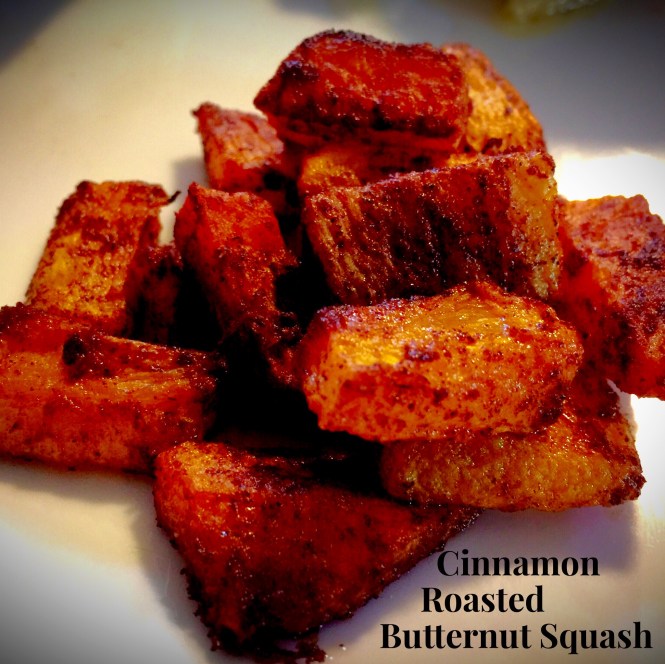
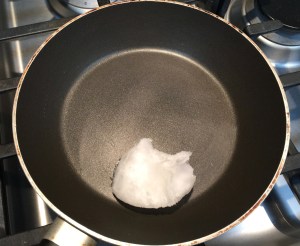 Lesson Learned 2 – Only use coconut oil in this recipe: If you use olive oil you simply will not get the same flavor. The coconut oil renders a subtle sweetness that, along with the cinnamon, makes the squash taste so good. Now, can you use olive oil if you don’t have coconut oil – of course you can. But I wouldn’t recommend using cinnamon with olive oil. I don’t think the flavors would compliment each other as much.
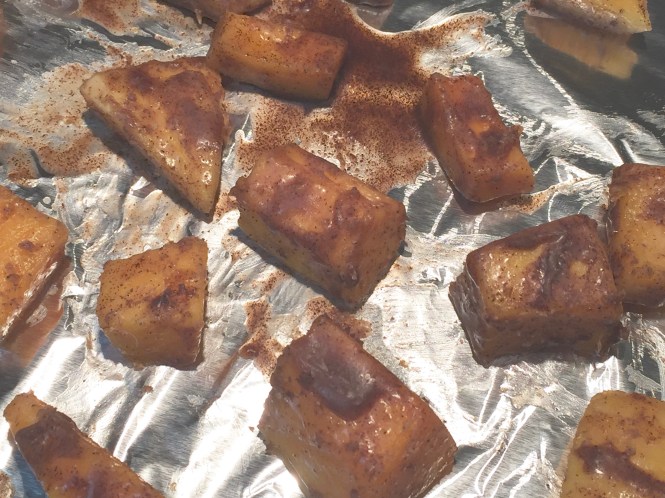
 Lesson Learned 3 – Be careful how much cinnamon you add: In this recipe it is important for the oil and cinnamon to balance each other out in order to get the correct flavor and sweetness. For that to happen the correct proportions need to be used.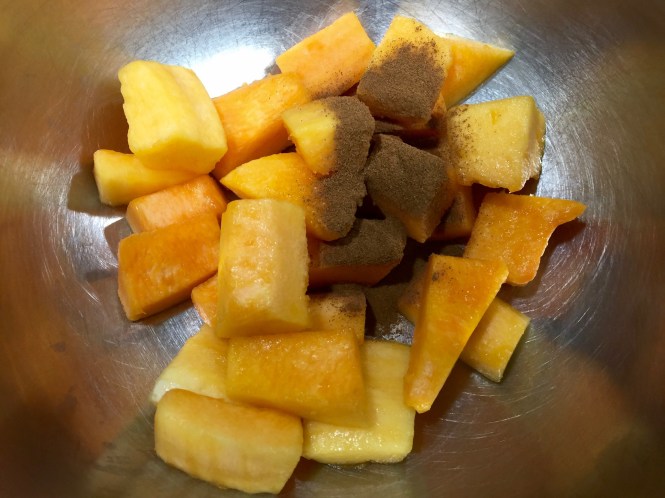
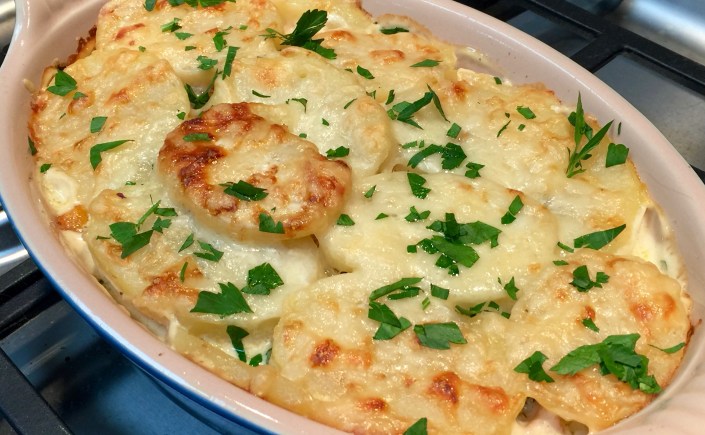
 One more note… from time to time I will also focus on making recipes for two. It’s just my husband and I that I cook for now unless we are having a party and sometimes I find if I make too much we either throw stuff out or eat leftovers. And some recipes are more conducive to leftovers than others. These days it is hard to cook for two since grocery stores seem to sell bigger portions. But I found this particular recipe can be adapted in many ways and one of them is the amount you make. So I am writing this recipe for two people but keep in mind you can increase the ingredients proportionally to serve more.
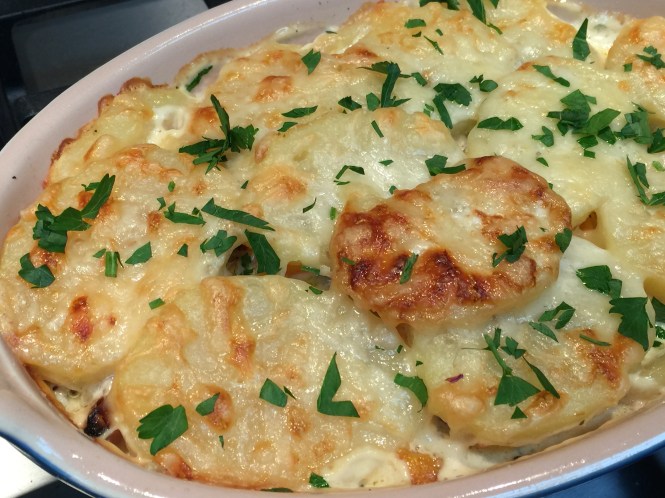
 Lesson Learned 2 – Adapting this recipe: I originally wanted to use some spinach in this recipe but didn’t have it on hand and didn’t feel like going to the grocery store to buy some. But I did have some flat leaf parsley and so I used that. If you use spinach just saute it with the onions and only use a couple of handfuls. The spinach should act as the accompaniment to the recipe and shouldn’t overpower it. The same applies to flat leaf parsley. I only used a little more than a tablespoon (and of course I used some for garnish), just enough to enhance the flavor.
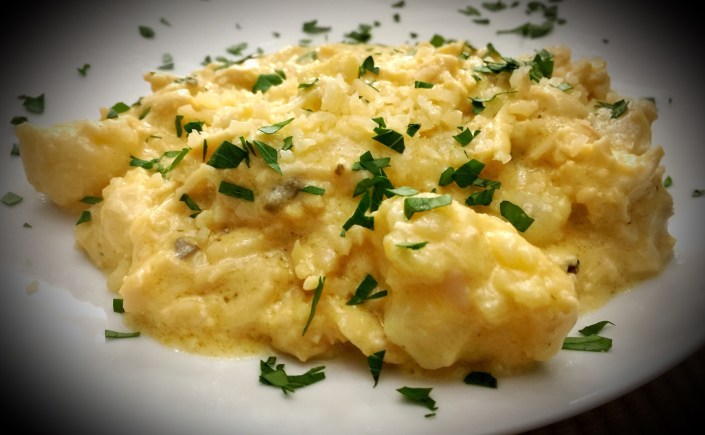
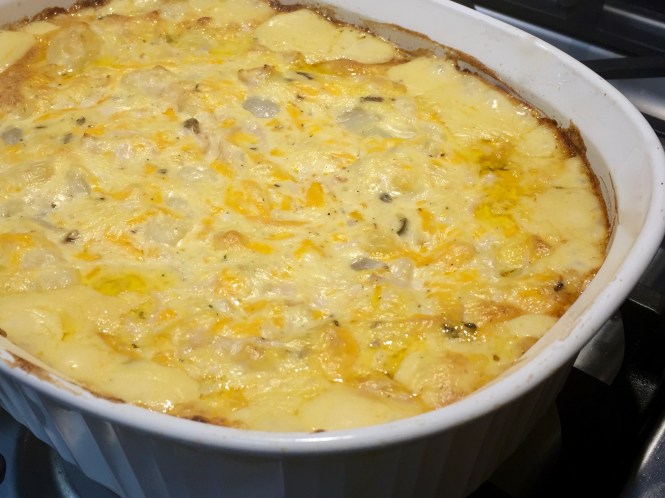
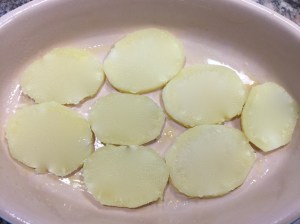 Lesson Learned 3 – Those tricky potatoes: I don’t know about you but, for me, potatoes are tricky when using them in a casserole, specifically sliced potatoes. I’ve experienced many instances where they were hard and not cooked through. This time they turned out perfectly. This is what I did. I used two medium sized yukon gold potatoes and boiled them with their skins on until I could easily stick a fork in them. Then I put them in a colander and let them cool. It is important to let them cool. If you try to cut them when they’re hot they’ll fall apart. Once they cool you can easily peel and slice them. Can you leave the peel on? Of course you can. My husband prefers them with the peel off. I sliced potatoes into half inch thick rounds and they were delicious. One of the first things my husband said when he took is first bite was, “the potatoes are good”. Success!!
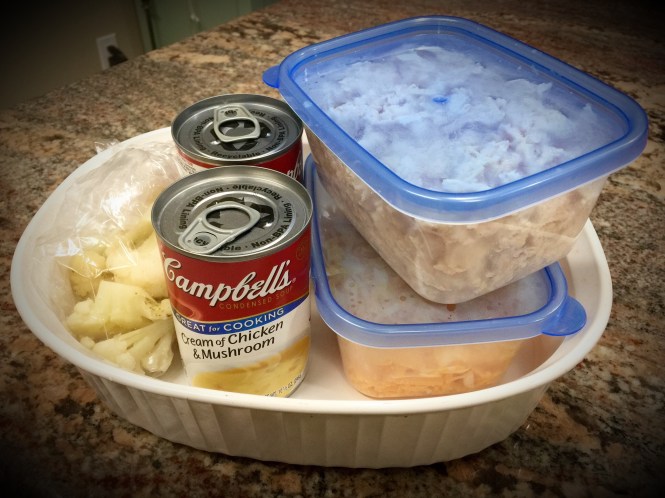
 2 medium sized yukon gold potatoes, pre-boiled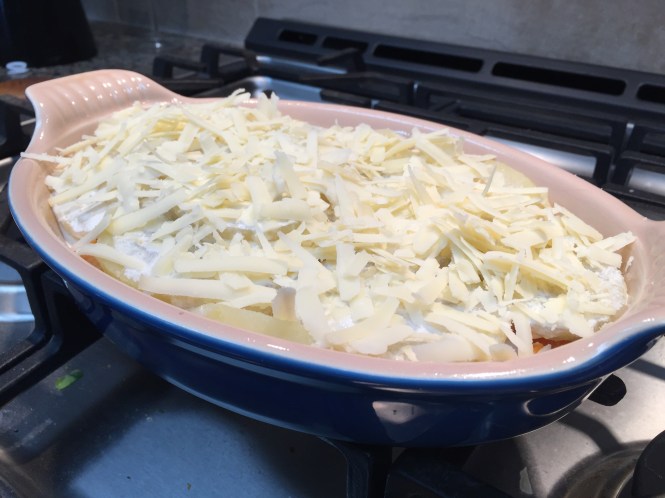

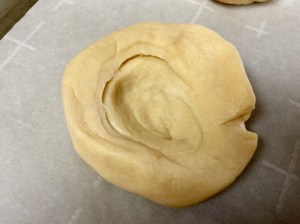 Lesson Learned 1 – Working with the refrigerator dough: Using this kind of dough is very convenient but you do have to work it a little bit. I cut the pieces along the pre-perforated edges as best I could (I wound up with 9 rounds and I should have only had 8 if I followed the perforations exactly – oh well…) and rolled each piece into a ball. I flattened each piece with my hand and then used my thumbs to create a crater inside the dough. The crater is important because that’s where you put the cream cheese and cherries. Making the crater as deep as possible helps to prevent the cherries from falling off. But don’t worry, if they do once you pull them out of the oven just use a small spoon to push them back on top. Once they cool they will stay put.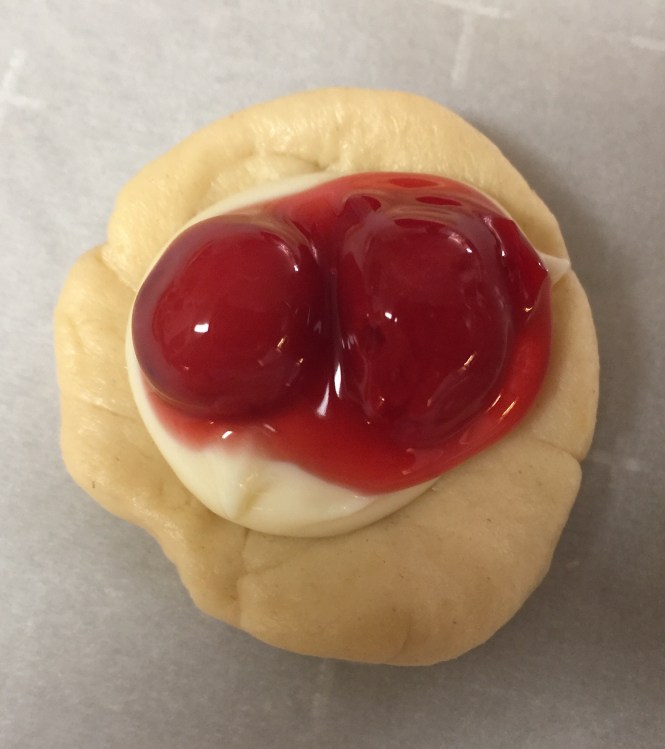



 You Betcha Can Make This!