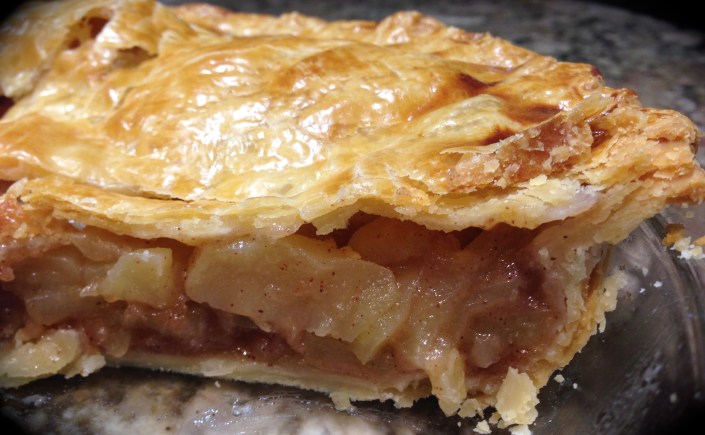
Easy Apple Pie…

Over the years I haven’t had a lot of luck making apple pies. I’m not sure of the exact reason but I would wind up with a variety of issues such as a burnt crust, a gooey crust, hard uncooked apples, lack of flavor in the filling and on and on and on… So when my neighbor across the street gave us a whole bunch of apples from his backyard and after numerous hints from my husband saying, “What are you going to do with them – make a pie?” I thought I would take another stab at it.

I know there are certain apples that better lend themselves to being baked in a pie, but I had no idea what type of apples I was given. I even asked my neighbor if he knew but he didn’t. I washed one, cut a piece of it, ate it and thought it might do well in a pie. So I put my cooking ego aside and decided to once again give it the old college try.
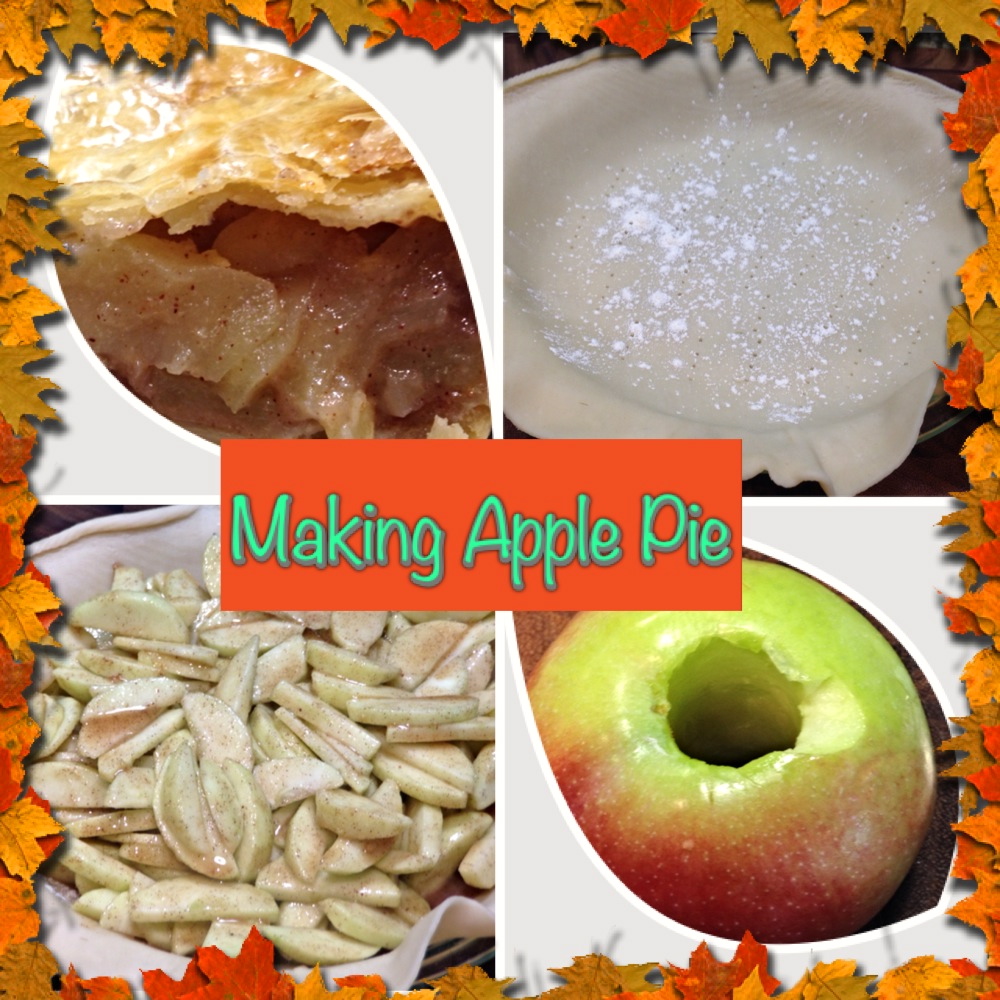
IMG_0821

I combed through a variety of recipes, reading different tips and techniques and looking at the various ingredients I could potentially use. I was surprised to find that some use heavy cream in the filling and others mixed the apples with some flour. After reading a bunch of different recipes I decided on one that I thought would give me a traditional apple pie, by that I mean one like my grandmother used to make. And from there my adventure began…

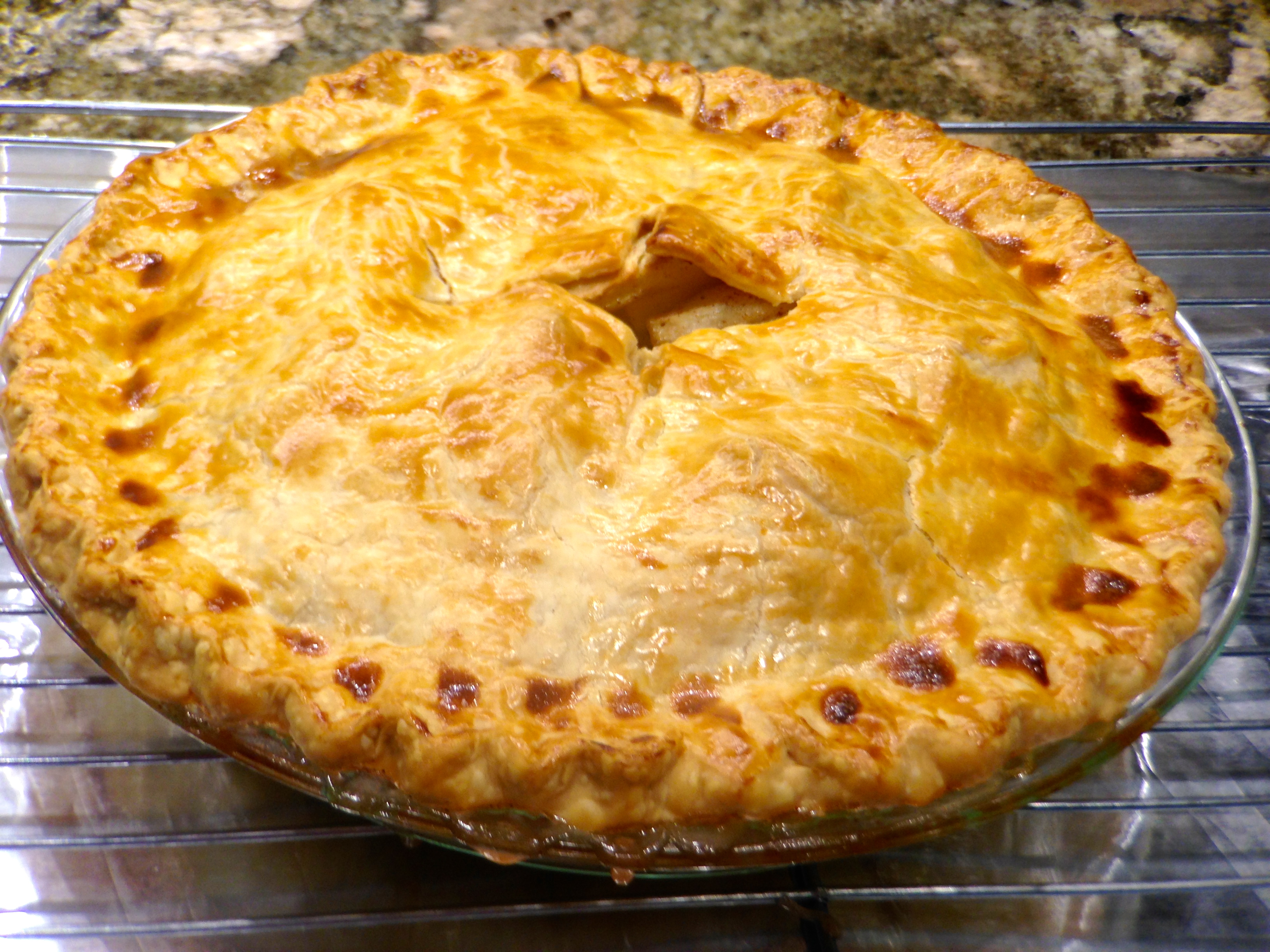
Recipe Rating A+++ – Color me surprised. It turned out great! I used a very basic recipe but added some ingredients and used different techniques I picked up looking at other recipes and the combination worked beautifully. I told my husband I thought that this was the best apple pie I ever made. He agreed!
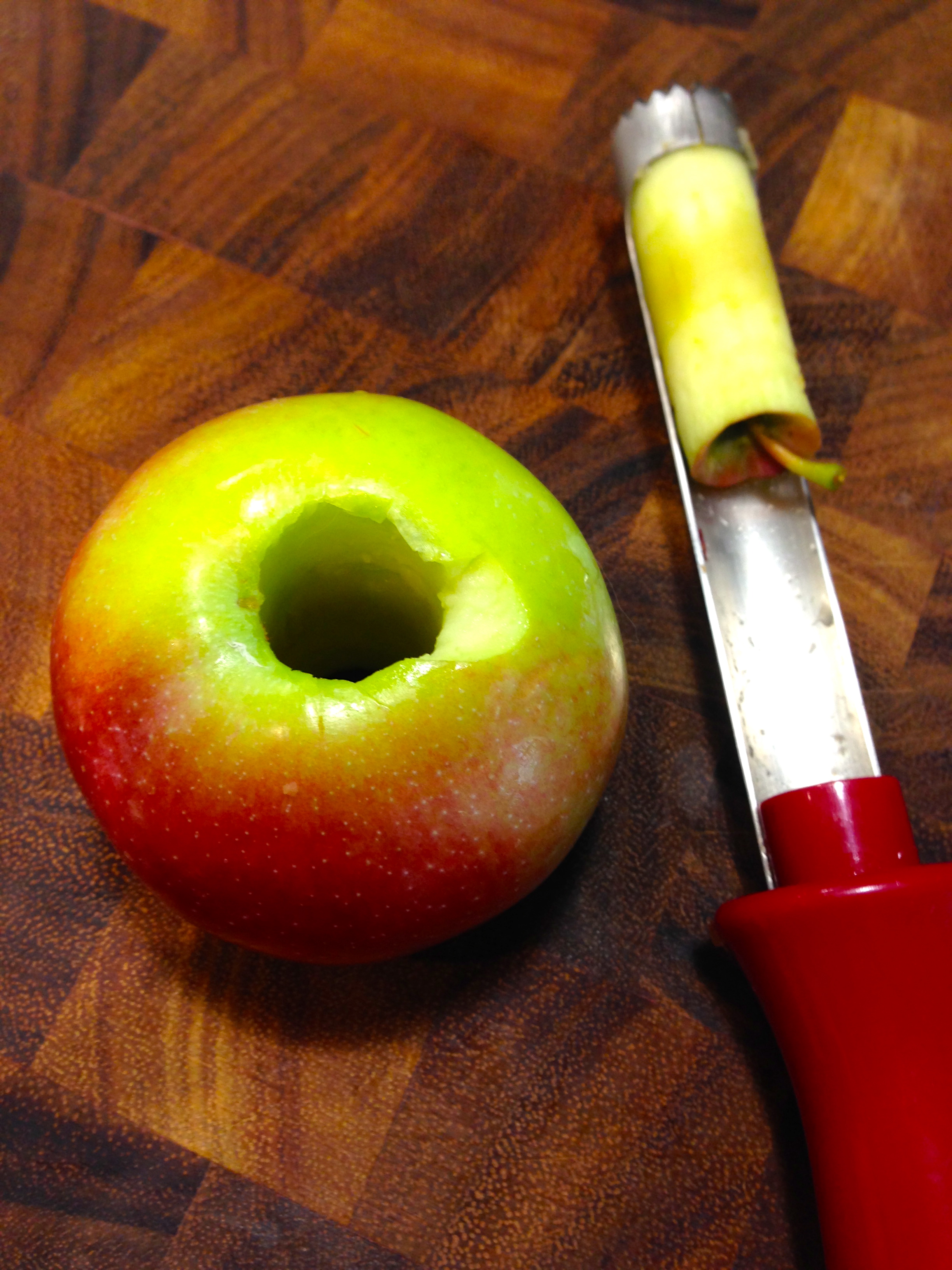
IMG_0608Lesson Learned 1 – Invest in an apple corer: Since the apples I was using were smaller and had imperfections that I needed to work around I needed to peel and core a lot of them. When I made an apple cake recently I just used my knife to cut the core out of the apples. That took a lot of time. I invested in a simple apple corer and I was able to peel, core and cut up the apples a lot more quickly. And I also did not waste as much of the apple. It was well worth the money spent.

Lesson Learned 2 – Use lemon juice on your sliced apples to keep them from browning: I was working with some small to medium sized apples and had to use a lot of them. It took time to peel, core and slice them. If I did not sprinkle some fresh lemon juice on them periodically, some of the slices would have turned brown by the time I was ready to put them in the pie. Lemon juice prevents oxidation from occurring and that’s what turns peeled apples brown. By using lemon juice the apples looked gorgeous when I was ready to mix the filling and put them in the pie.
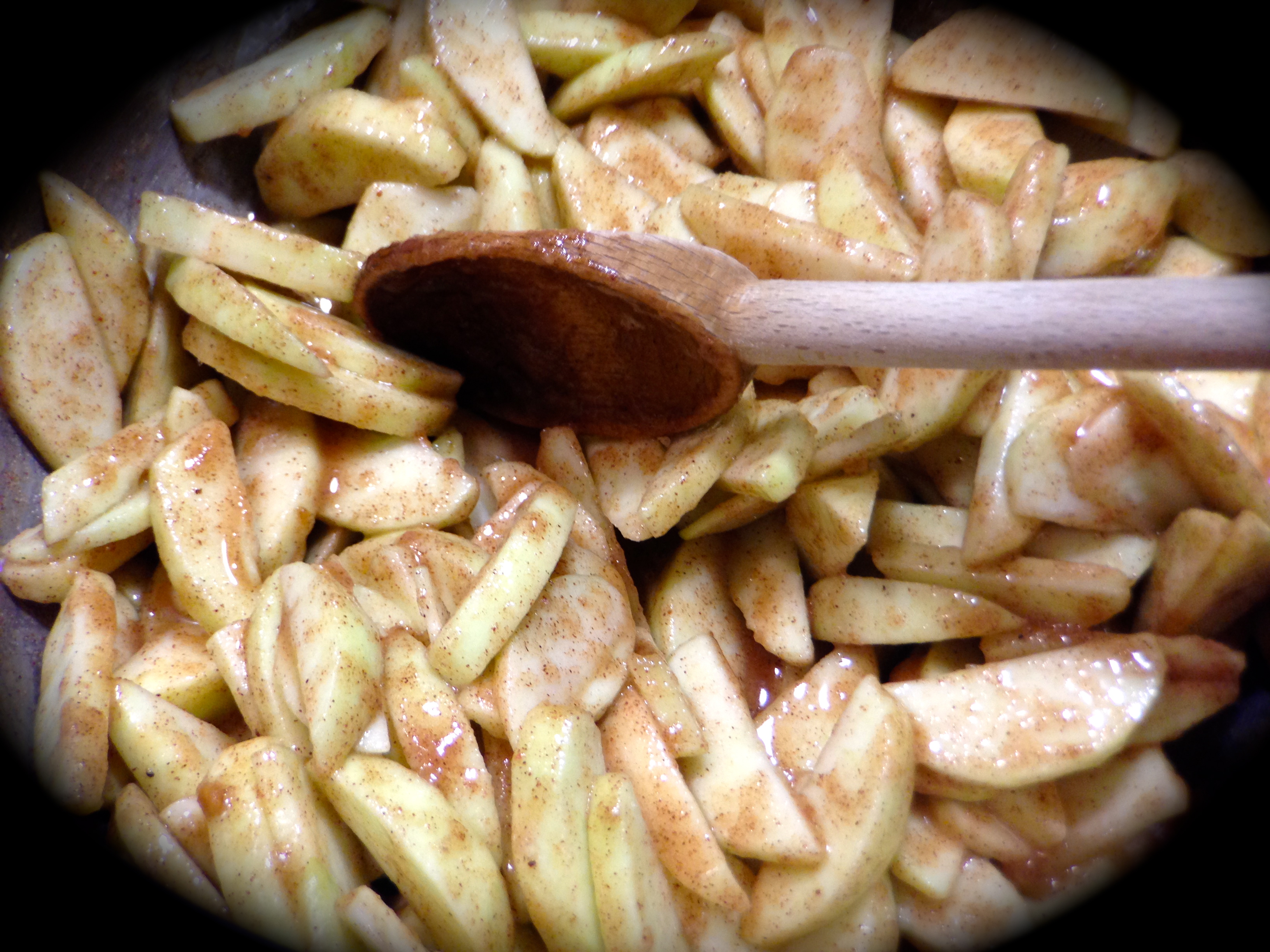
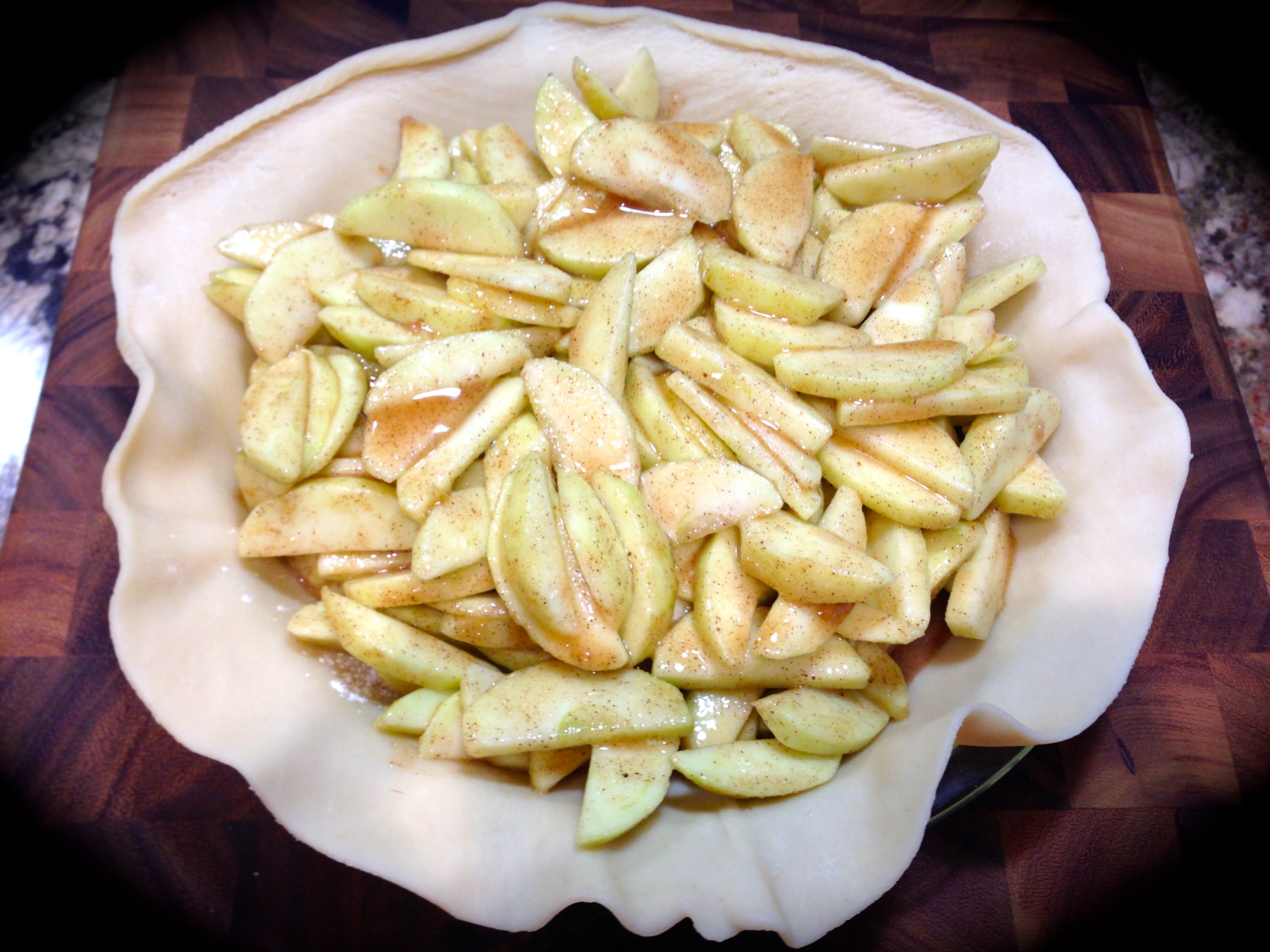
IMG_0618Lesson Learned 3 – Don’t slice the apples too thick and pile them high: If you slice the apples too thick they won’t cook. I sliced mine about a quarter of an inch thick and they cooked perfectly. Don’t be afraid the pile the apples into a big mound in the pie plate. They will shrink down in the cooking process and you want to make sure you still have a nicely rounded pie once it’s cooked.

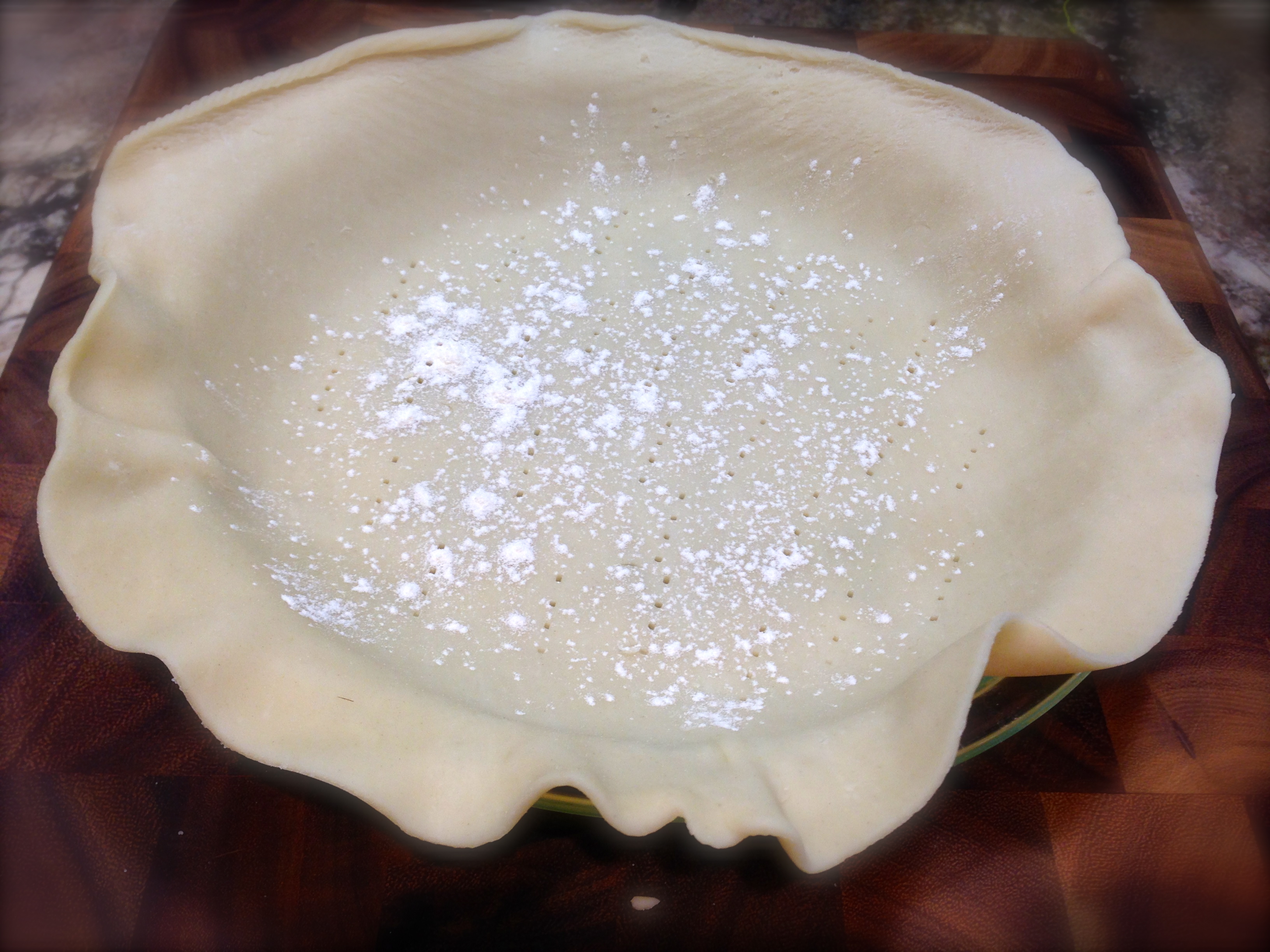
Lesson Learned 4 – Prick the bottom layer of crust with a fork and sprinkle a little flour on it:  One recipe that I read included this tip. What I liked about the tip was the blogger said her grandmother always did this technique and she had no idea why but since her grandmother did it, she does it too. Well, if it’s good enough for grandma, it’s good enough for me so I did the same thing. I think the trick actually helped to cook the bottom crust as this was the first time ever that I was pleased with how the bottom crust turned out. Thanks grandma!
IMG_0615

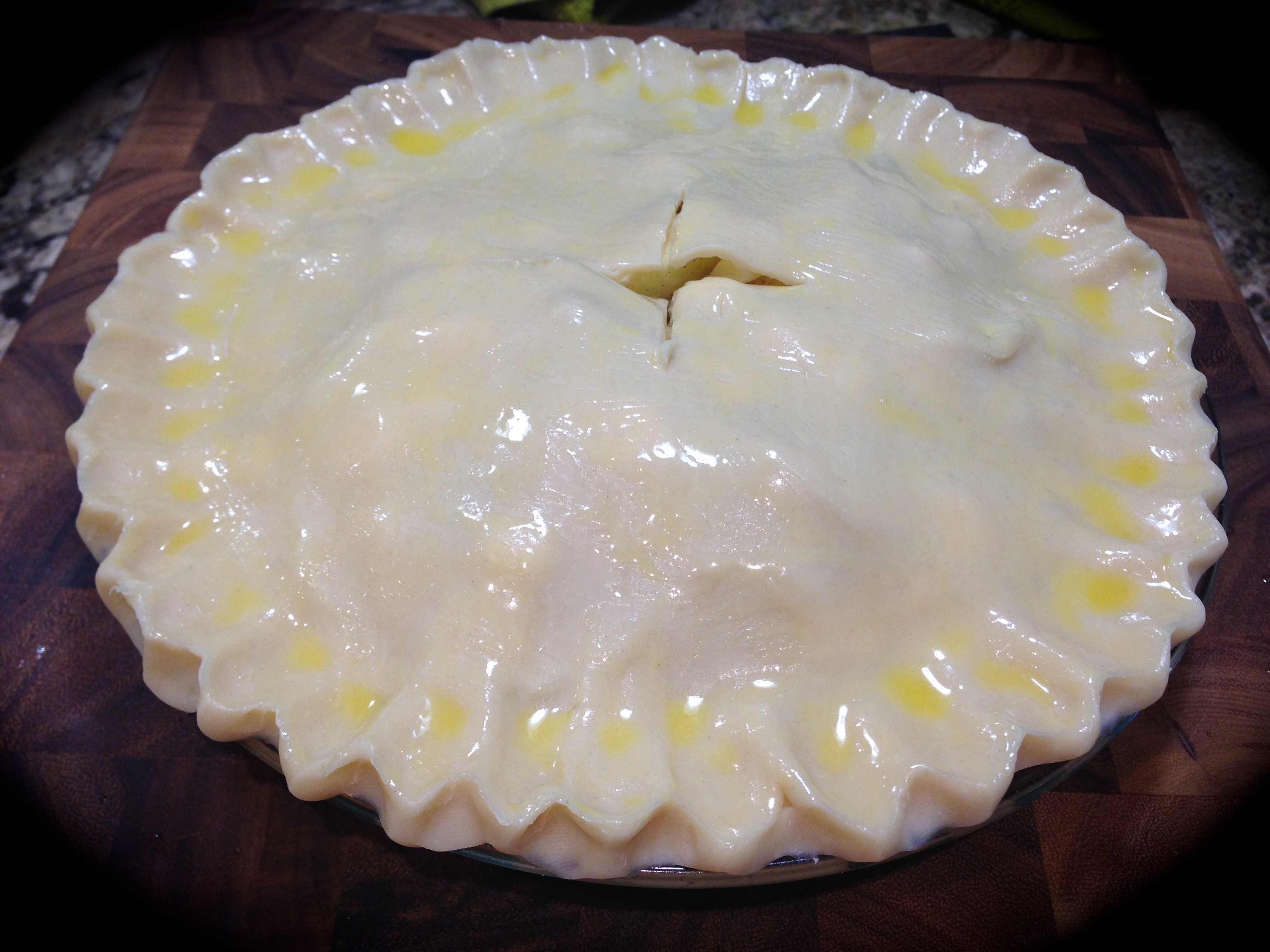
Lesson Learned 5 – Never underestimate the power of packaged refrigerated pie crusts: As I mentioned earlier, to date I’ve not had a lot of success making apple pies. Because of that I decided to concentrate on the filling first before venturing into the realm of making a homemade pie crust. I used Pillsbury refrigerated pie crust dough in this recipe and the crust turned out amazingly well. The trick is to let the dough sit out and get to room temperature (and that takes only about 15 minutes – about the same amount of time it took to prepare the apples). That way it is much more malleable and less prone to cracking when you work with it. I brushed the top crust with an egg wash consisting of one egg yolk and a tiny splash of milk and it browned beautifully. I may venture into a homemade crust the next time, or if I want to have a great pie a little more quickly, I’ll use the prepackaged ones again. They are really surprisingly good.
IMG_0625

Lesson Learned 6 – Taste the apple mixture and adjust spices if necessary: After I mixed the apples with the flour, sugars, cinnamon and nutmeg I tasted the apples and the nutmeg seemed to be the predominant spice. I wanted the nutmeg to enhance in the background but the cinnamon to be the dominant spice. I added an extra teaspoon of cinnamon and the filling was perfect. I am writing the recipe with 2 teaspoons of cinnamon instead of one, but if you are skeptical, try it with one teaspoon first and go from there.

Lesson Learned 7 – Adjusting your oven temperature during the pie baking process: When I made this pie I started the oven at 425 and baked it at that temperature for 15 minutes. Then I reduced the temperature to 350 and continue to bake it for another 45 minutes. I’d never done this before and I think this helped not only to cook the filling all the way through but also not burn the crust. I did not have to protect the edges of the crust at all during the entire baking process.

Lesson Learned 8 – Brush the crust with an egg wash to make it brown in the oven: All you need to do is to take one egg (I’ve seen it recommended as just the yolk or the entire egg – either way it works) whisk it with the smallest splash of milk and brush the mixture on top of the pie crust. You will have way more than you need so don’t put the whole amount on. Once it is lighted coated pop the pie in the oven and the rest is magic. You’re left with a beautifully browned crust.
IMG_0646

Lesson Learned 8 – Put a baking sheet lined with foil on a rack below the pie to catch drippings: I thought about this just as I was putting the pie in the oven and immediately grabbed a baking pan, lined it with foil and put it on a rack below the pie. Even though you vent the pie and crimp the edges of the crust it always seems like some filling manages to leak out. I was so glad I did this. I did get some drippings on the foil but it was so much easier to clean up that way.

I could not be more pleased with this recipe. I always wanted to make an apple pie like my grandmother used to make and I finally figured out how to do it. We got another batch of apples from our neighbor yesterday and the first thing my husband said was, “Are you going to bake another pie?” I think I am going to try out an apple cake recipe that I found in the newspaper first, but I do think I’ll still have enough apples to make a pie. And now I’m not afraid to make one anymore. I just know you will enjoy this recipe. Try it and let me know how it turns out.

Easy Apple Pie...

  • Servings: 10-12
  • Difficulty: Medium
  • Print

INGREDIENTS

1 box refrigerated pie crust, Pillsbury pie crust recommended

8 cups of baking apples – peeled, cored and sliced – approx. 3 lbs. (Granny Smith, Cortland, Jonathan)

Lemon juice – approx. 2 Tbs., fresh or bottled

3/4 cup sugar

1/4 cup brown sugar

1/4 cup flour, plus a 1/2 teaspoon for dusting the lower crust

2 tsp. cinnamon – start with 1 tsp. and add from there if needed

1/4 tsp. nutmeg

2 Tbs. butter, cut in small cubes

1 egg yolk

Splash of milk

DIRECTIONS

Preheat oven to 425 degrees. Take box of pie crust dough out of the refrigerator and bring to room temperature. Core, peel and slice the apples. Sprinkle a small amount of lemon juice over the apples as you slice them. Stir to coat the apples with the lemon juice. (This process only needs to be repeated two or three times while slicing the apples or you can do a little more if you notice the apples are browning)

Combine flour, sugars and spices. Pour over the apples and stir to combine. Taste the mixture to ensure the correct amount of spices have been used. (don’t be afraid to add a little more cinnamon if necessary).

Line a 9 inch pie plate with one of the pie crusts. Prick the crust several times with a fork and dust with flour. Fill crust with the apple mixture. Dot the apple mixture with the butter cubes. Place the second crust on top of the pie filling. Seal the edges crimping by hand or using a fork. Cut a slit in the center of the pie to vent. Whisk together the egg and milk. Brush the top crust with the egg mixture.

Bake at 425 for 15 minutes. Lower the oven to 350 and bake for an additional 45 minutes, or until the crust is golden and the filling is bubbly.
IMG_0661


IMG_0667


Chicken Cutlets with Thyme Mustard Sauce…

I’m always looking for a quick and easy dinner recipe and I’m always on the hunt for new ways with chicken. This particular recipe definitely fits the bill in both areas. I like this recipe for a variety of reasons but mostly because it’s so easy and so flavorful. If you’re a chicken fan like I am, this recipe will become one of your favorites.

Recipe Rating – A+: This recipe is so good and easy to prepare that even I was a little amazed. My husband, who normally just gives me either a thumbs up or thumbs down on a new dish, felt compelled to comment. He must have said at least three times, “this chicken is really good.” That in itself is super validation for this particular recipe.

IMG_0548Lessons Learned 1 – Never underestimated the power of having a glass of wine while preparing a new recipe: I just had to put this in here. Usually I am a little nervous when trying out a new dish. Those few sips while I’m cooking away make the experience pleasurable. Add a little music to the mix and I begin to feel like Julia Child’s got nothing on me. I know I’m being slightly tongue and cheek here, but the idea is to do whatever you can to make the experience a good one. Anything that helps you enjoy the process is worth it. Have fun in the kitchen. I know I do.

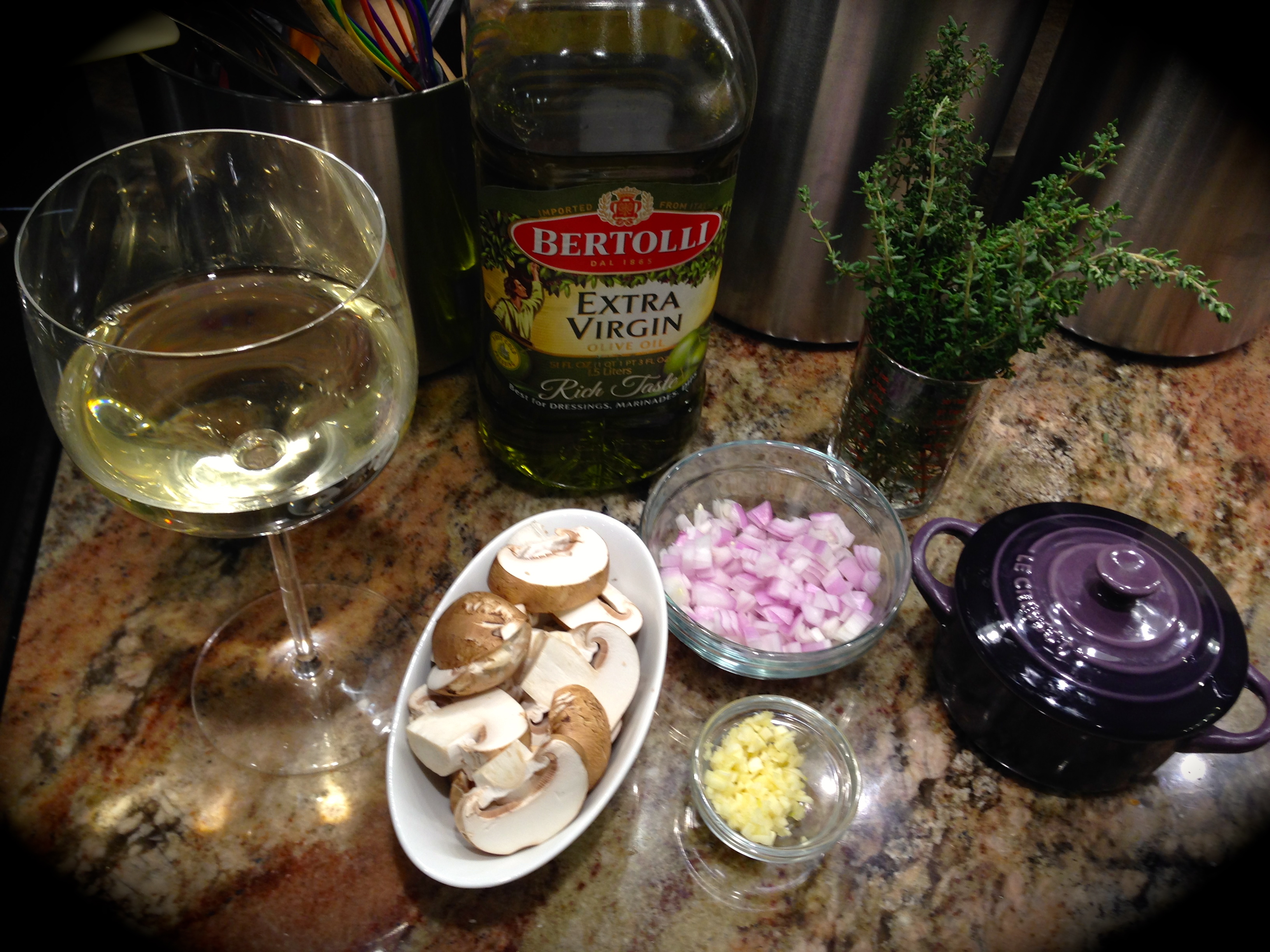
Lesson Learned 2 – Prepping ahead always makes it easier: A couple of years ago my husband got me a Christmas gift of some cooking classes. One of the things that really stuck with me from those classes was the importance of prepping all of your ingredients first. Cooking time should be cooking time and not prepping time. So mince your shallots, slice your mushrooms, chop your garlic and thyme, measure out any ingredients that you don’t feel comfortable eyeballing, such as the sour cream, wine and mustard, and have everything set and ready to go before you start the cooking process. You’ll find it will help keep your kitchen cleaner and more organized and that will also make the experience better.

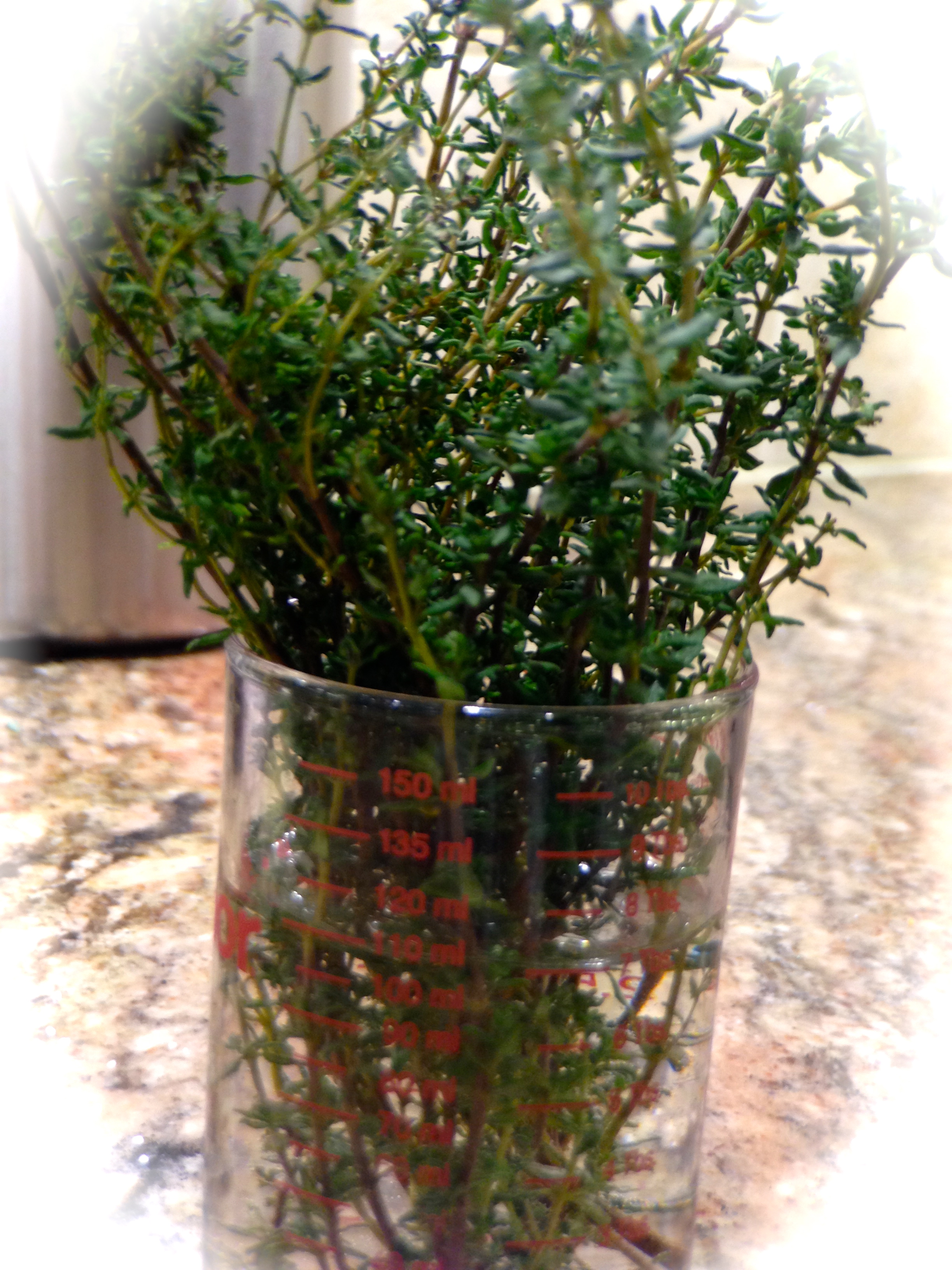
IMG_0544Lesson Learned 3: Don’t be afraid to substitute herbs: I used thyme in this recipe because I have it growing in my garden, but fresh tarragon would also work very well. My only caution would be not to substitute dried herbs for fresh ones. I think using fresh thyme provided more depth of flavor, especially with the short cooking time in this recipe.

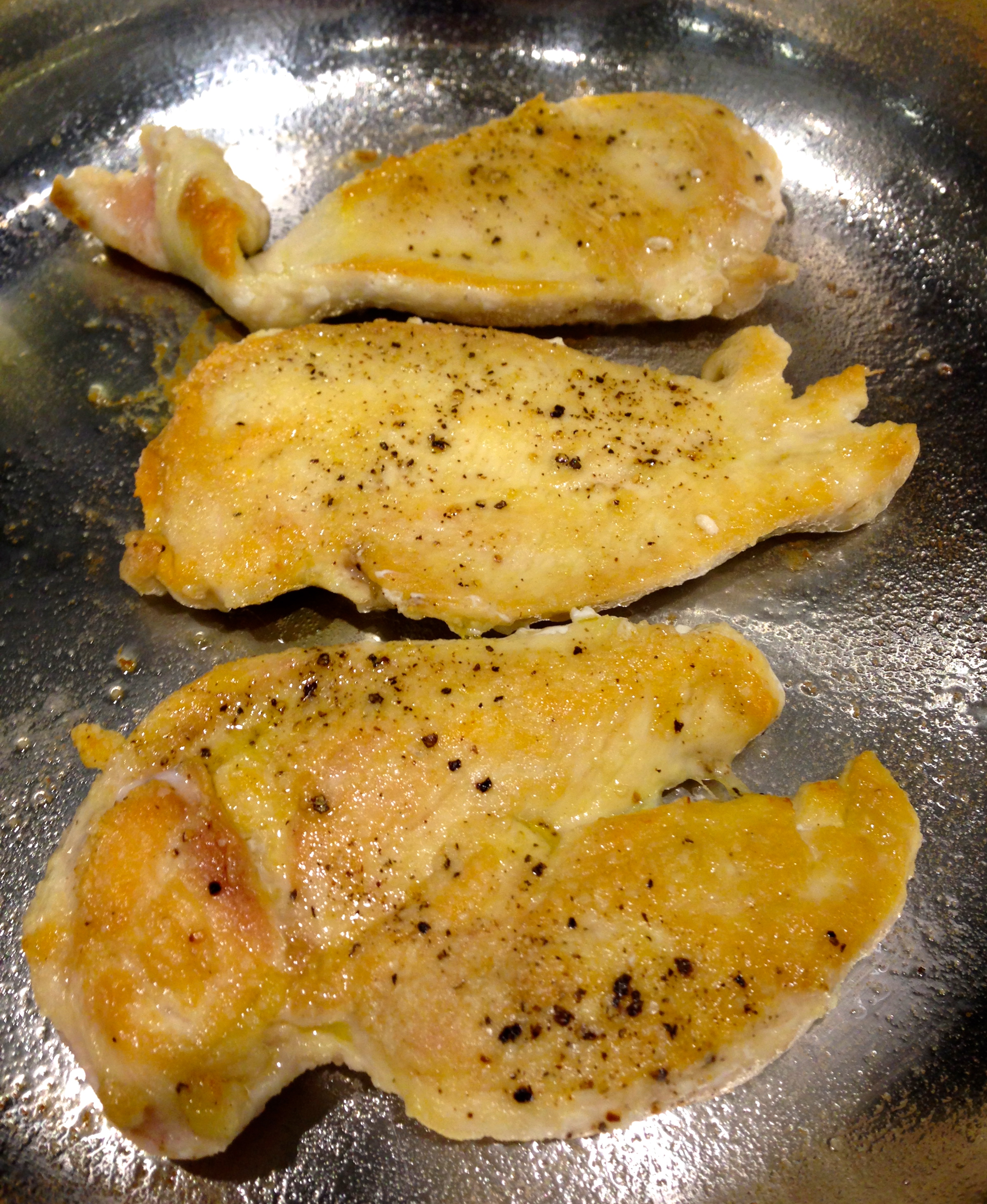
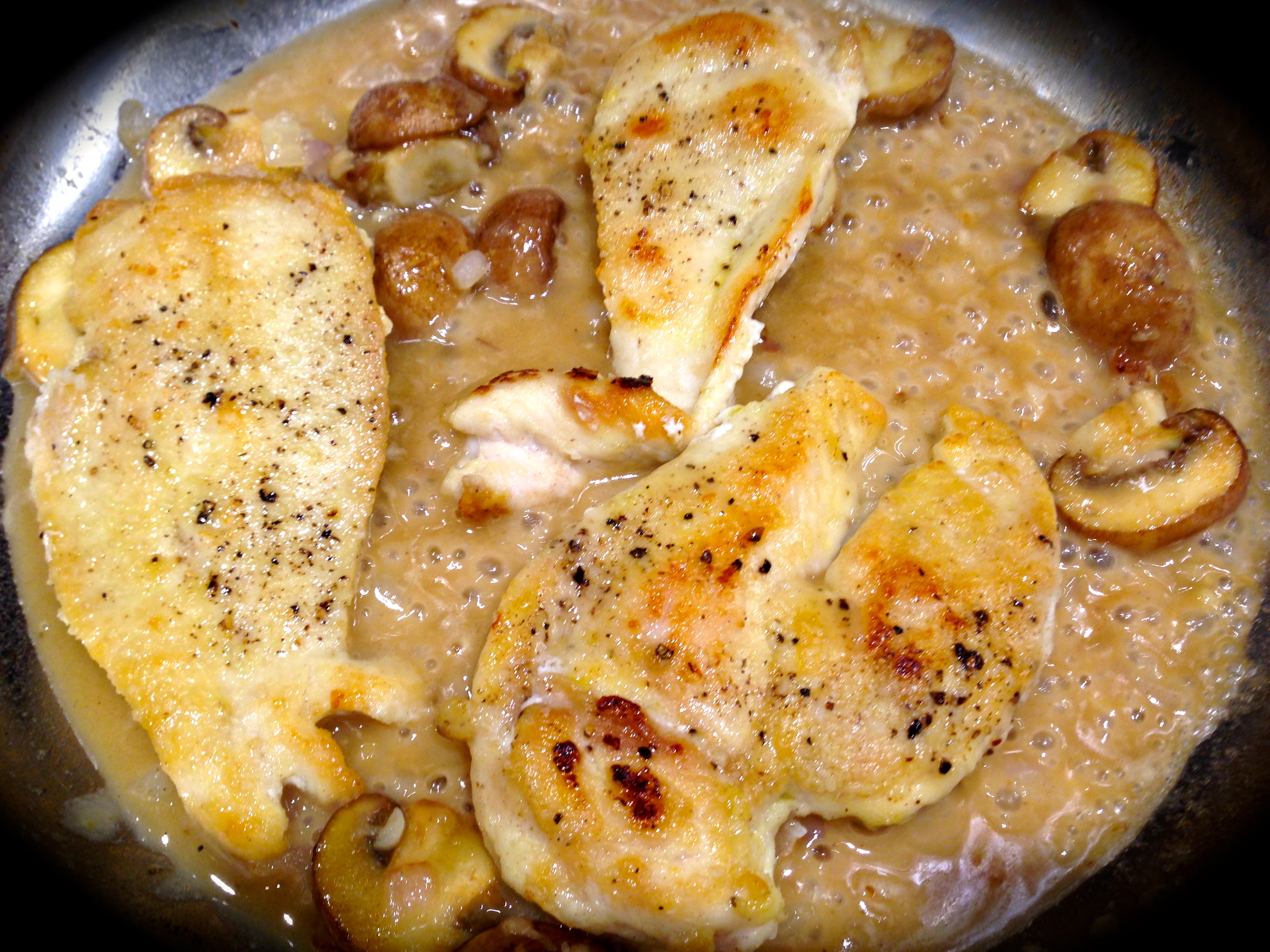
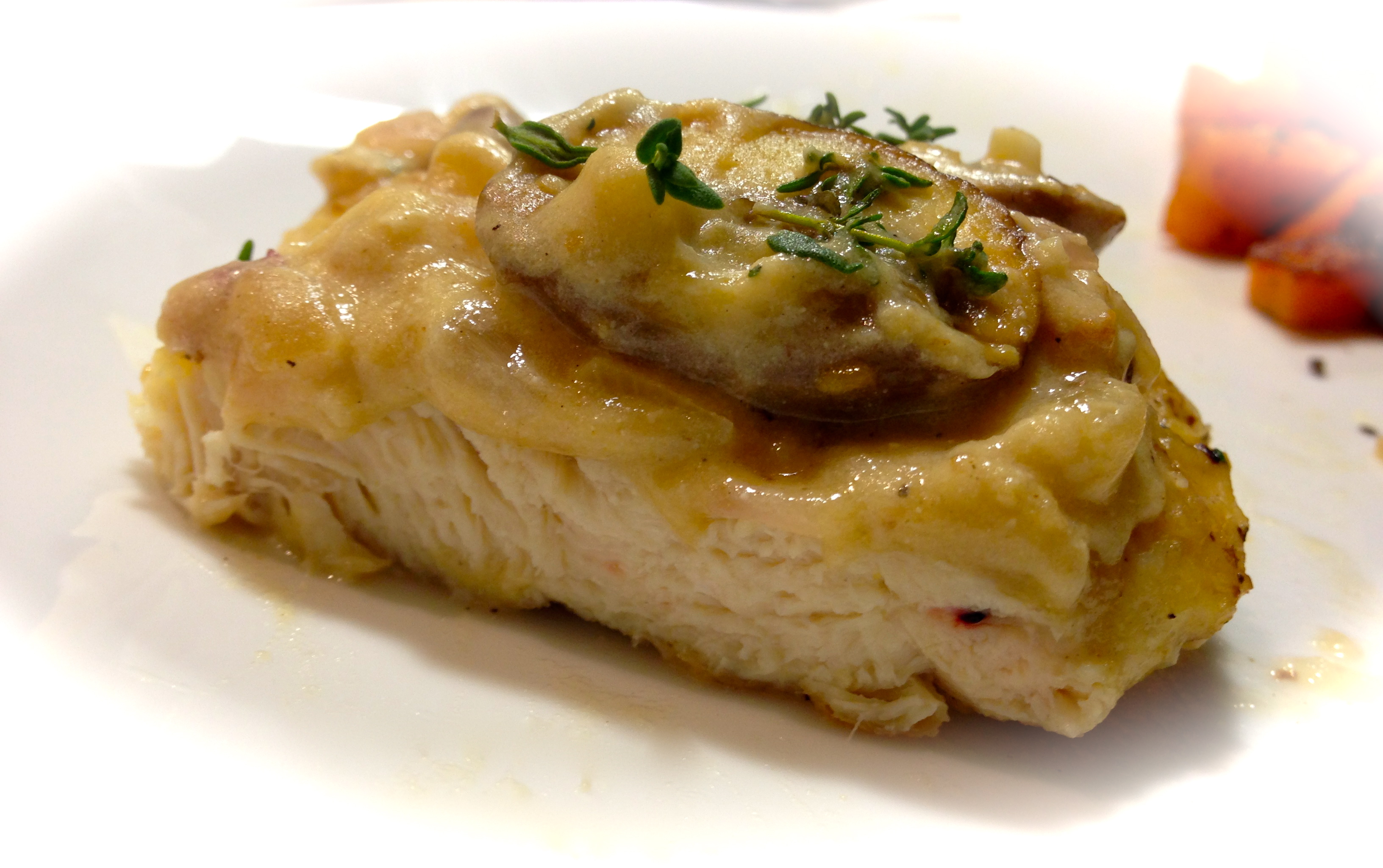
Lesson Learned 4 – Cooking with chicken cutlets can be tricky: By chicken cutlets I mean boneless skinless breasts that either have been cut or pounded to about 1/4 inch thick. I actually found them at my local grocery store so that made it even easier. Chicken cutlets take no time to cook at all and you can easily make them taste like leather if your overcook them. I cooked mine for 3 minutes on each side before taking them out of the pan and preparing the sauce. I kept them on the plate covered with foil which resulted in some minimal carry over cooking. Once the sauce was made I put them back in the pan and let them simmer in the sauce for no more than two minutes. They came out juicy and tender.

IMG_0553

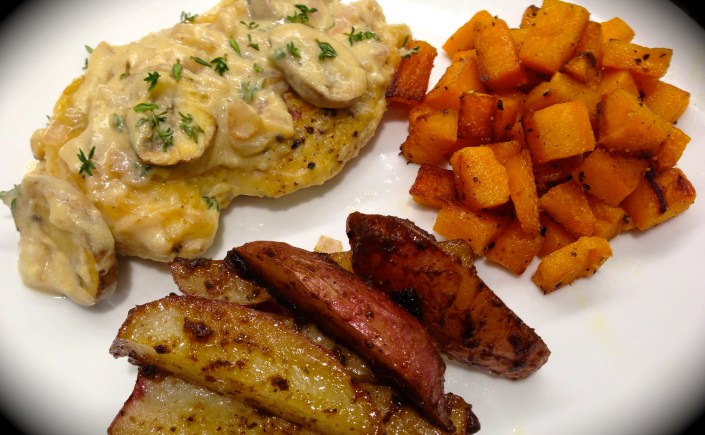
This is a great recipe for the burgeoning chef. The only area I would caution you on is to make sure not to overcook the cutlets. Because they are so thin they cook in no time flat. There is not a lot to prep for this recipe and within 20 minutes, including prep, this chicken is ready to plate. I served it with roasted butternut squash and balsamic roasted potato wedges and it was a big hit. Try this one. I know you will like it.

IMG_0569

Chicken Cutlets with Thyme-Mustard Sauce…

  • Difficulty: Easy
  • Print

INGREDIENTS:IMG_0597

2 TBS. extra virgin olive oil

1 pound chicken cutlets, 3-4 pieces

6 ounces baby bella mushrooms, optional

1/2 tsp. salt

1/4 tsp. freshly cracked black pepper

1 medium size shallot

I clove garlic, minced

1 tsp. flour (for the sauce – additional needed to dust cutlets)

1/2 cup dry white wine

1/4 cup sour cream, light preferred

1 TBS. dijon mustard

2 TBS. chopped fresh thyme leaves

DIRECTIONS:

Do all prep work first. Chop the shallots, mince the garlic, chop the thyme and measure out any remaining ingredients that you do not feel comfortable eyeballing.

Heat a large skillet over medium heat. Dust cutlets lightly with some flour. Sprinkle cutlets on both sides with salt and pepper. Add oil to the pan. Place the cutlets in the oil and cook for 3 minutes on each side. Remove cutlets from pan to a plate and cover with foil.

Add some additional olive oil to the pan. Saute mushroom until lightly brown. Add shallots and cook for about 1 minute. Add garlic and cook until fragrant, approximately 30 seconds to 1 minute. Sprinkle flour over shallots and mushrooms and cook for an additional minute stirring constantly. Add wine and bring liquid to a boil. Stir with a spoon to loosen all the brown bits in the pan.
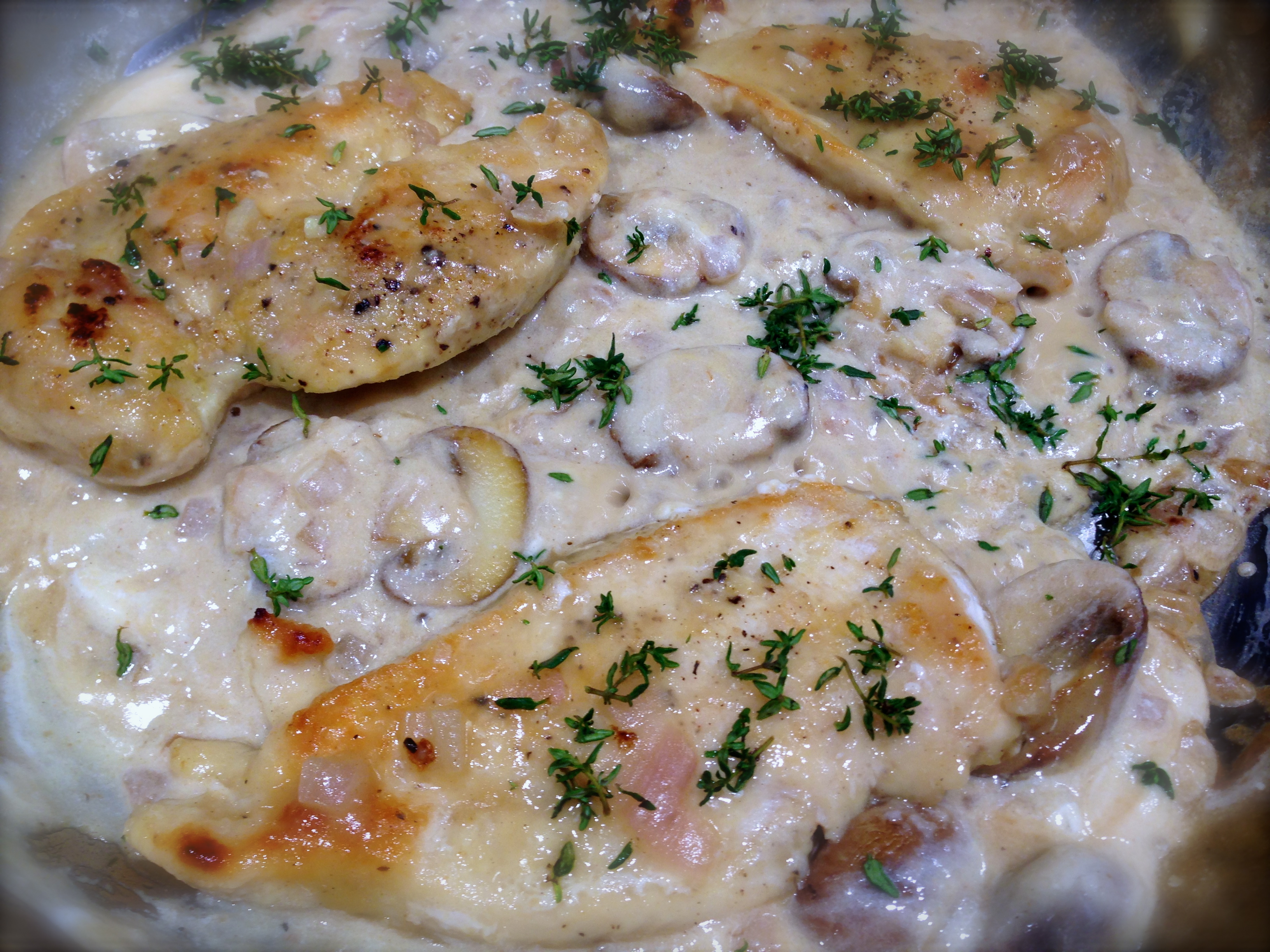
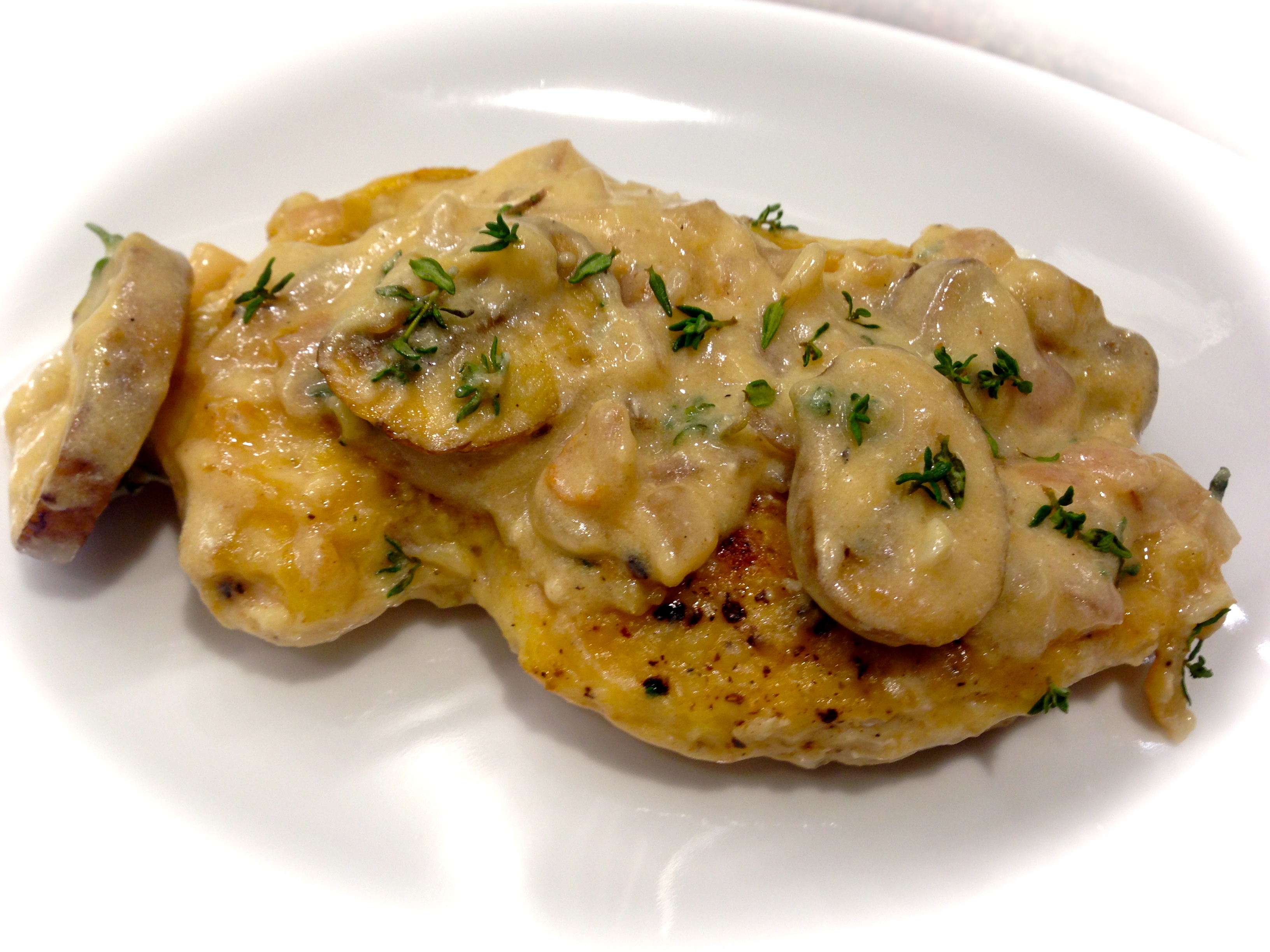
Lower heat. Add mustard, sour cream and thyme. Stir until combined. Add chicken back to the mixture and let simmer for a couple of minutes. Add some additional thyme as garnish when serving.

IMG_0575

IMG_0583

IMG_0597

Serving Suggestion: Chicken with Roasted Butternut Squash and Balsamic Roasted Potato Wedges

Serving Suggestion: Chicken with Roasted Butternut Squash and Balsamic Roasted Potato Wedges

Baked Ziti With Sausage and Pancetta…

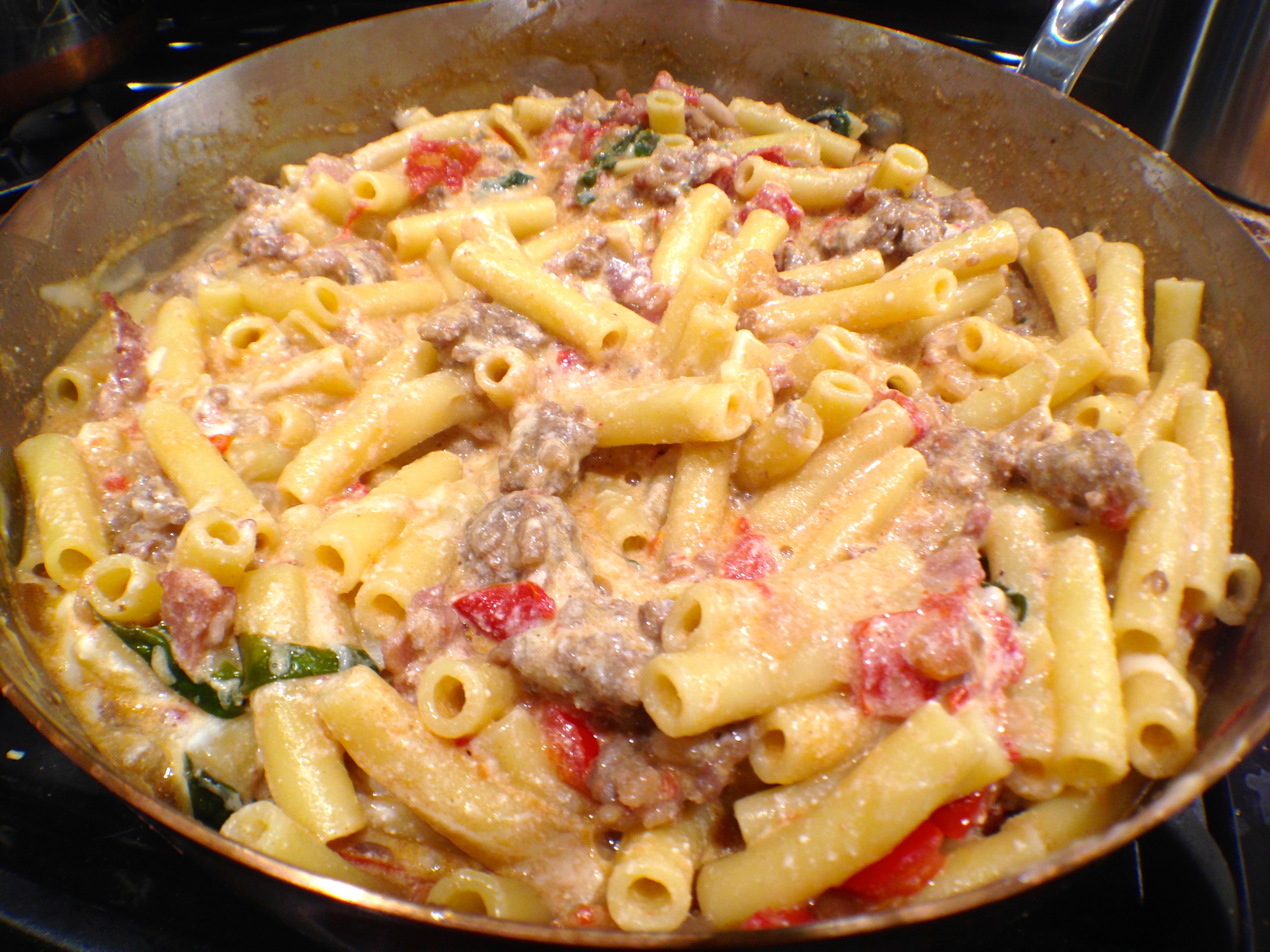
The weather is starting to turn. The temperatures are dropping and you can definitely feel Fall in the air. And for me Fall means cranking up the oven. I love grilling and I love dining al fresco but there is nothing like the smell of a pot roast slowing cooking in the oven. The aromas throughout the house make you want to curl up in front of the fire place with a glass of wine and just be glad you’re alive. I guess that’s why so many of these Fall dishes are called comfort food. They make you feel warm and cozy inside, even while they’re roasting away in the oven.

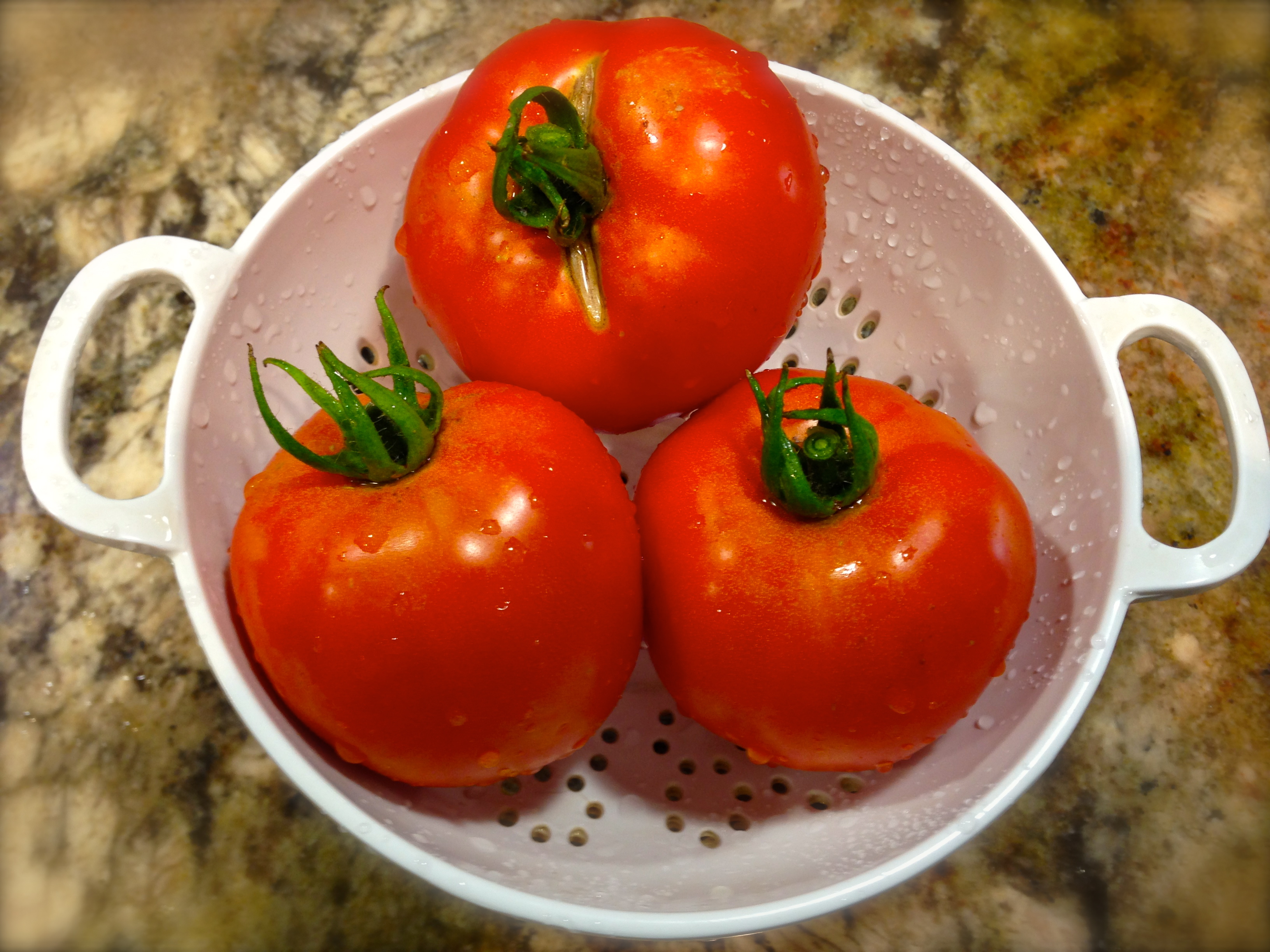
And this time of year I am also scrambling to figure out how to use my tomato crop. I never know from year to year how my tomato plants will fare but this year, due to the great growing conditions, I got a bumper crop. I was also fortunate this year. Just as the zucchini production began to wane the tomato production came into full force. And there are only so many salads you can make. So with all of these tomatoes I was on the hunt for a recipe that would not only warm the house but help me use a bunch of them. When I saw that this recipe called for 28 ounces of crushed tomatoes I thought to myself, heck – no need to buy a can, I can cut up what I have and that will do the trick. And did it ever. I got a delicious casserole and was able to use quite a few of my tomatoes in the bargain.

IMG_0031

I will say I was a little surprised at how long it took to assemble this casserole. But I think the main reason was that I hand chopped all of the tomatoes and that took the bulk of the time. I was also able to use some of my remaining fresh basil so that was a plus. I substituted bacon for pancetta (our local grocery store was out of it) and that worked well too. So all in all, a flavorful recipe that helped me use some of my garden bounty. Here is my recipe rating and lessons learned:

Recipe Rating: A- Great comfort food recipe: This a such a good recipe on a variety of levels – not only does it taste great but being able to use garden tomatoes and basil was definitely a plus. If you don’t have the tomatoes or the time to chop them just use a 28 ounce can of crushed tomatoes. That will work equally as well and will be much quicker.

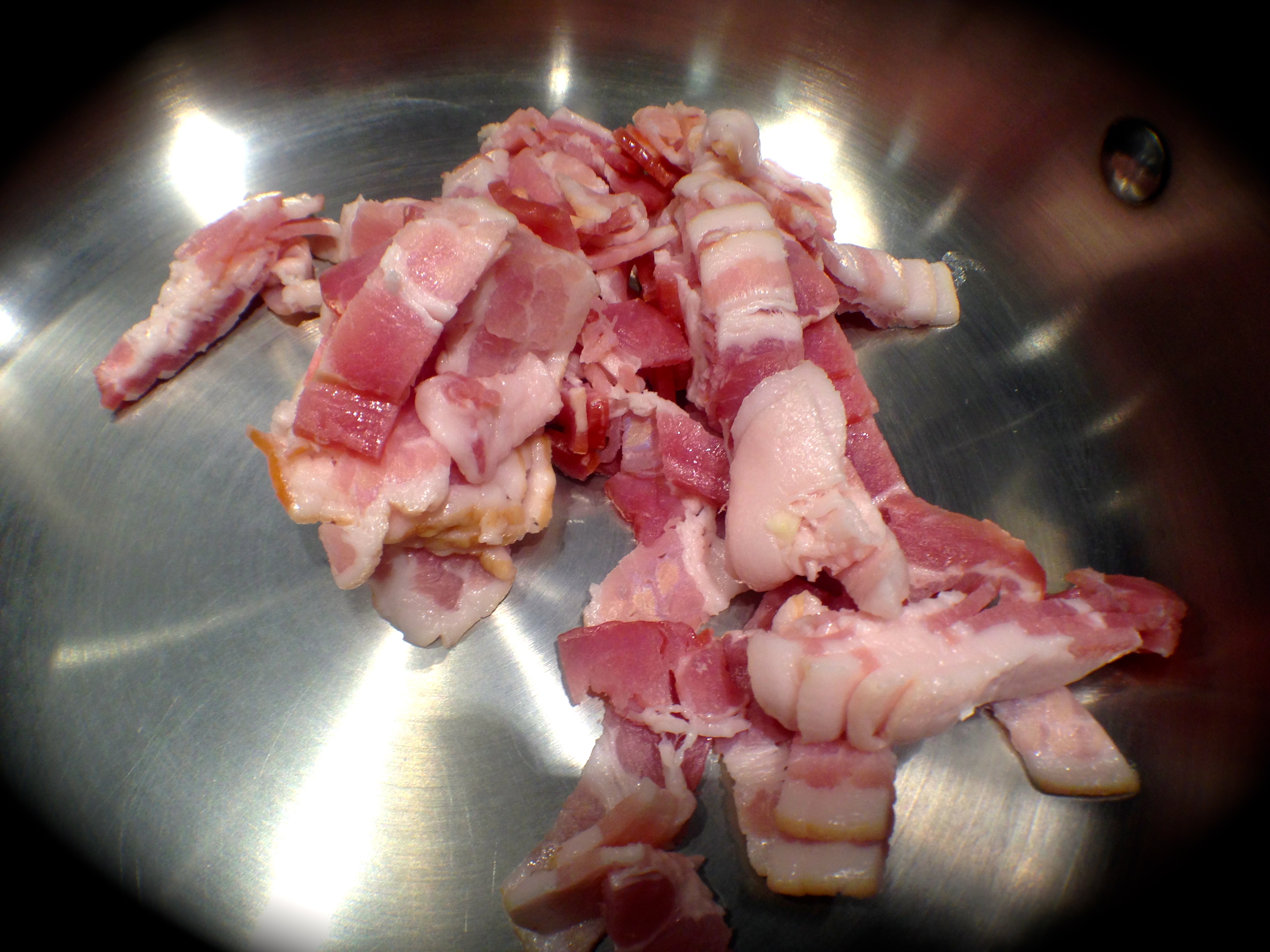
IMG_0383Lesson Learned 1- You can substitute bacon for pancetta: You probably know already that when you don’t have or can’t find pancetta you can use bacon as a substitute. But did you know the difference between them? Both are made from pork belly and both are cured for a length of time. The major difference is that bacon is smoked after it’s cured and pancetta is not. So using bacon as a substitute will add a slightly smokier flavor to the dish. Needless to say, I used bacon and it turned out great. And I will definitely try this using pancetta to see if can discern a noticeable difference.

Lesson Learned 2 – How to perfectly align the stovetop cooking time: I found that if you start out by boiling the water for the ziti and then start the other ingredients right after you put the ziti into boiling water you can align the cooking times of all the ingredients. Keep in mind that this means that all the chopping and non-cooking prep is done prior to this, but once that’s done both the non-pasta and pasta ingredients cook within a similar timeframe. That allows you to do the final casserole assembly easily.

IMG_0404Lesson Learned 3 – The fresher the ingredients the better: Granted this is the first time I tried this recipe but I think the garden fresh tomatoes and basil made the flavor superb. I realize that having garden tomatoes in most areas is a once a year treat. If you have to use canned tomatoes I would recommend San Marzano tomatoes as they are known for their sweet flavor. At least don’t substitute dried basil for fresh basil in this recipe. If you don’t have basil in your garden buy some fresh at the grocery store. It will make a difference.

Lesson Learned 4 – The wonder of queso mozzarella: In the grocery store with the ethnic cheeses I found something called queso mozzarella. Using it I found it gives a creamier texture to recipes calling for mozzarella cheese. What I do is blend half queso and half regular shredded mozzarella when recipes calls for mozzarella. I think it melts better. And keep in mind, any prepackaged shredded cheese has an ingredient in it that keeps the shredded cheese from sticking together. That same ingredient also prevents it from melting as thoroughly as freshly shredded cheese. So the queso mozzarella helps to combat that. It’s very soft and takes no time whatsoever to grate.

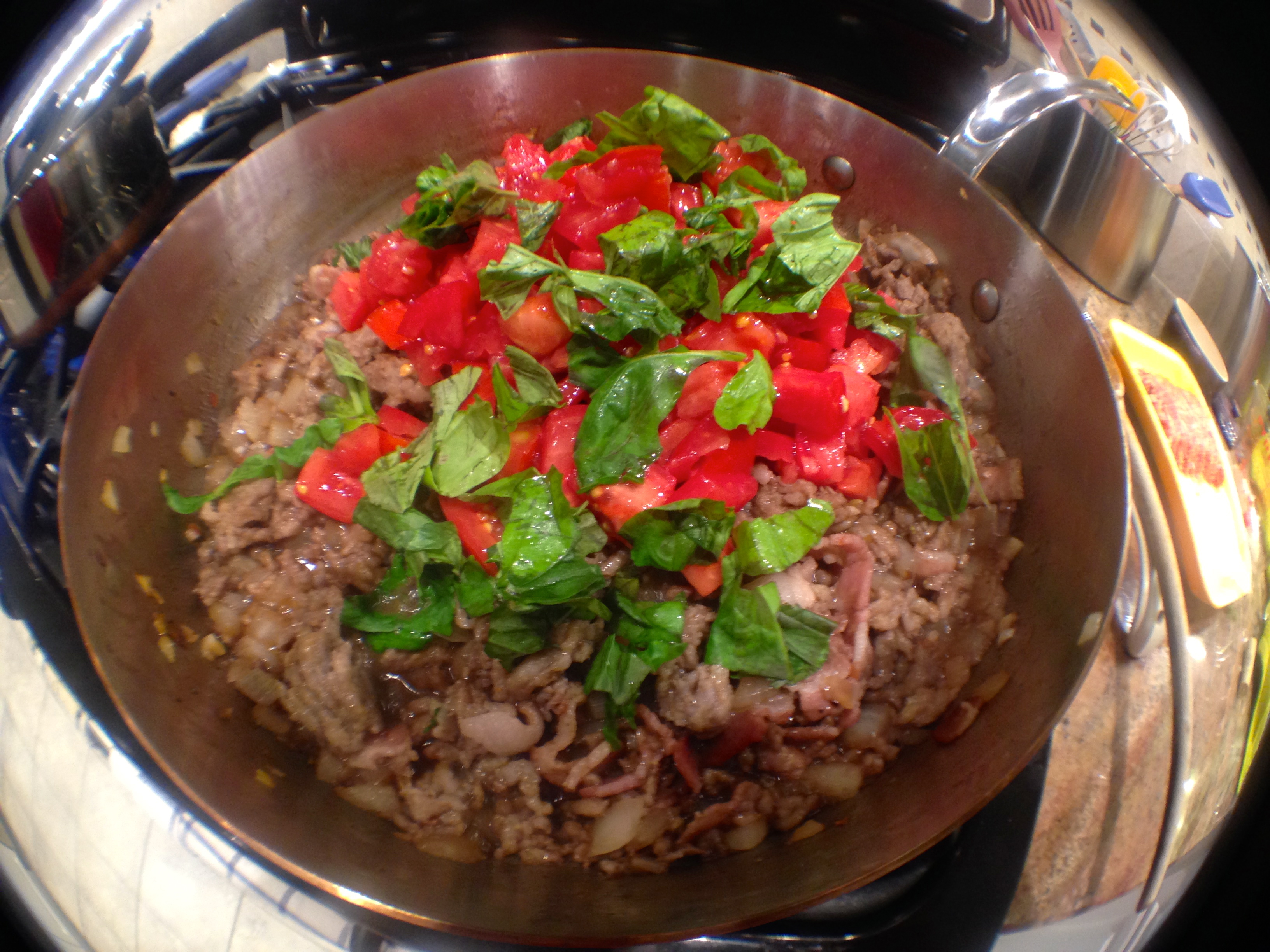
Ready to pour into the casserole...

Ready to pour into the casserole…

Lesson Learned 5 – Take the time to grate fresh parmesan: We all love the convenience of pre grated parmesan cheese. I’ve used it over and over again in recipes, that is until I discovered the difference between packaged and freshly grated parmesan cheese. Freshly grated parmesan melts better and is bolder in flavor. And it is very easy to do, especially if your have a mini-prep processor like I do. All you have to do is cut the parmesan into small pieces, put it in the mini-prep and process it until is is grated. If you haven’t  tried it you really should. It makes a noticeable difference.

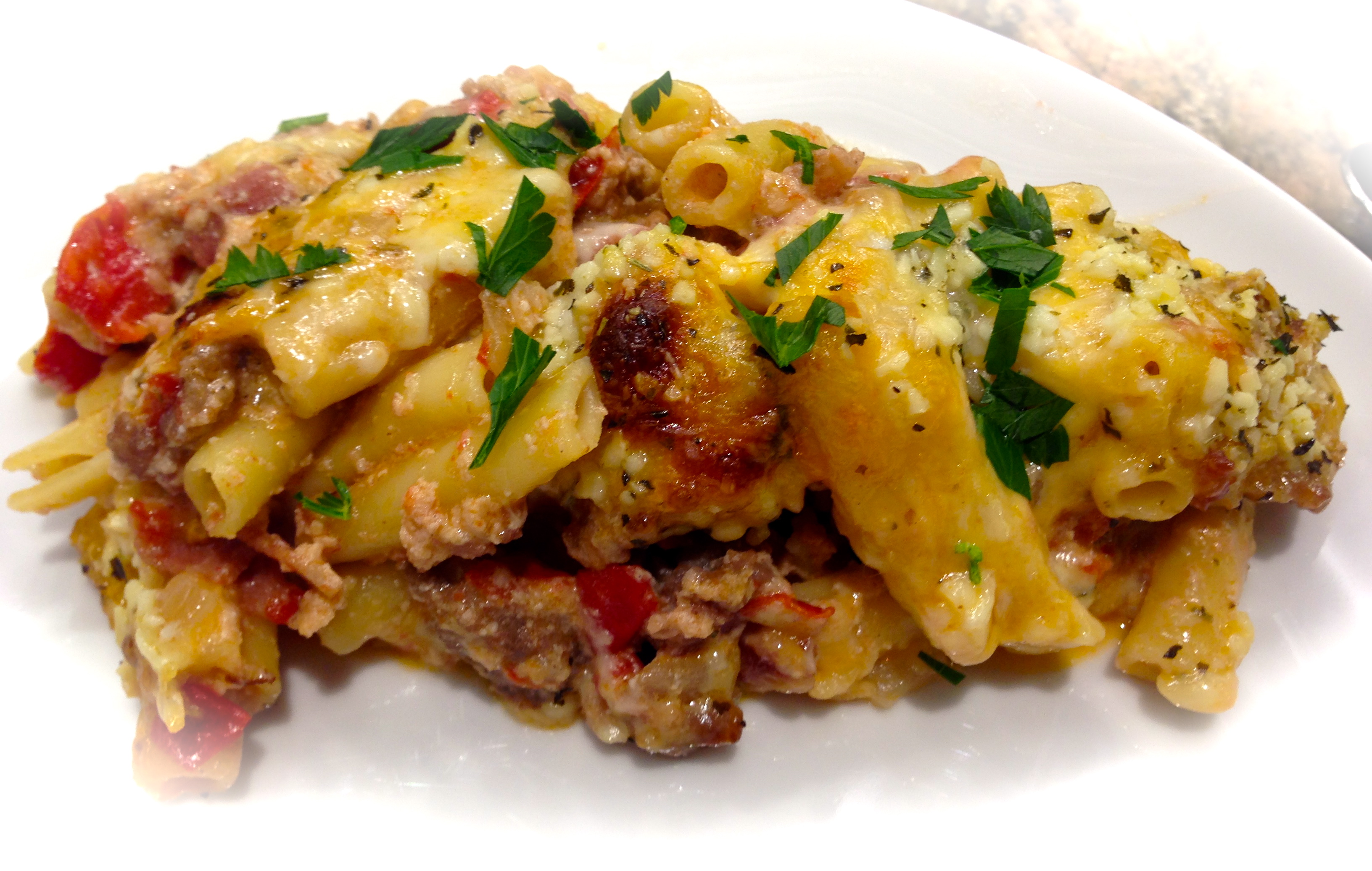
Lesson Learned 6 – Using a garnish: Garnishes are just that, something that dresses up the look of a dish but not essential to the recipe. I love Italian parsley for this purpose. I grew Italian parsley in a container on my deck this summer and it grew like a weed. I loved being able to go and snip off a bunch when I needed to.  That way I could control the amount I had versus buying a big bunch at the grocery store and throwing half of it away. Italian parsley is great as a garnish. Simply chop a little and sprinkle it on top of a dish and voila, it looks like the work of a professional chef. Never underestimate the power of a garnish. It can make a dish look fancy with no effort at all!

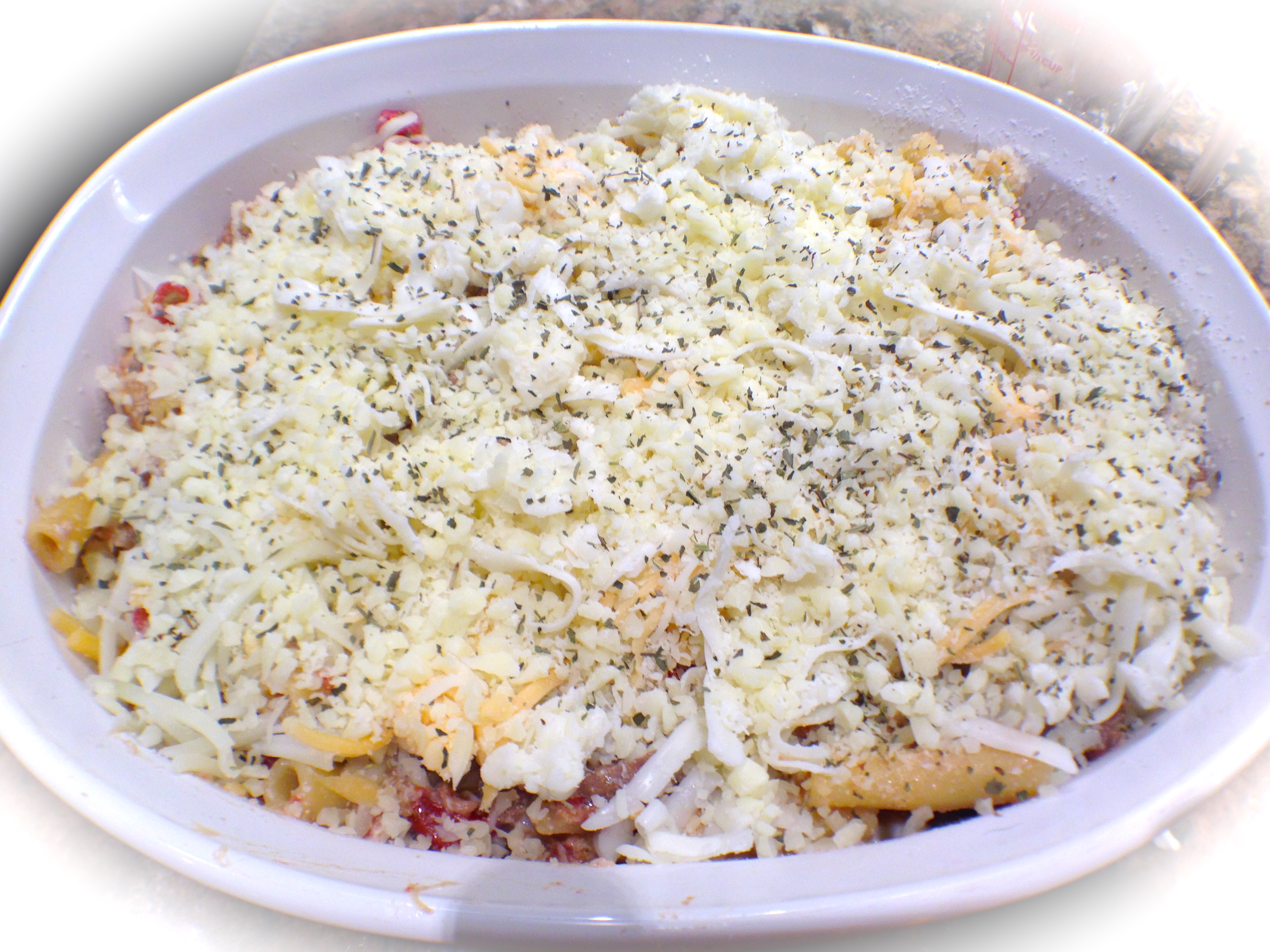
Ready to pop into the oven...

Ready to pop into the oven…

If you’re like me and you like casseroles you will love this dish. It’s also reheats well and is great for leftovers. Warm your house up with this one. You won’t regret it!

Baked Ziti With Sausage and Pancetta

  • Servings: 6-8
  • Difficulty: Easy
  • Print

INGREDIENTS:

12 ounces of ziti pasta

4 ounces pancetta or bacon, diced

1 large onion, diced

2-3 cloves of garlic (to taste)

1 pound ground Italian sausage

1 cup dry red wine

1 can of diced tomatoes (28 ounces), or diced garden tomatoes

Generous handful of fresh basil (approx. 1/2 cup)

1/2 tsp. kosher salt

1/2 tsp. crushed red pepper flakes (optional)

1 cup ricotta cheese

1 cup mozzarella cheese, divided  (1/2 cup queso and 1/2 cup shredded preferred)

1/2 cup freshly grated parmesan cheese

1 Tbs. Italian seasoning

Italian parsley for garnish

DIRECTIONS:

Preheat oven to 350 degrees. Do all the prep work first: slice the bacon into lardons, chop the onion, mince the garlic, and grate the parmesan and mozzarella cheeses.

Bring a large pot of water to a boil. Add the ziti and cook according to the package directions. Meanwhile in a large pan cook the pancetta for about 3 minutes (you don’t want to crisp it). Add the onion and sauté for an additional 3 minutes. Add the garlic and sauté until fragrant (30 seconds to 1 minute). Add the sausage and cook until the meat is no longer pink. Add the wine and cook for approximately 3 minutes. Use the wine to deglaze the pan.  Stir in the tomatoes and basil. Reduce the heat and cook for only a couple of minutes.

Drain the pasta and add it to the pan. Stir in the ricotta and half of mozzarella. Put into a 9×13 baking dish. Sprinkle the top with the remaining mozzarella and parmesan. Sprinkle Italian seasoning on top of the cheese.

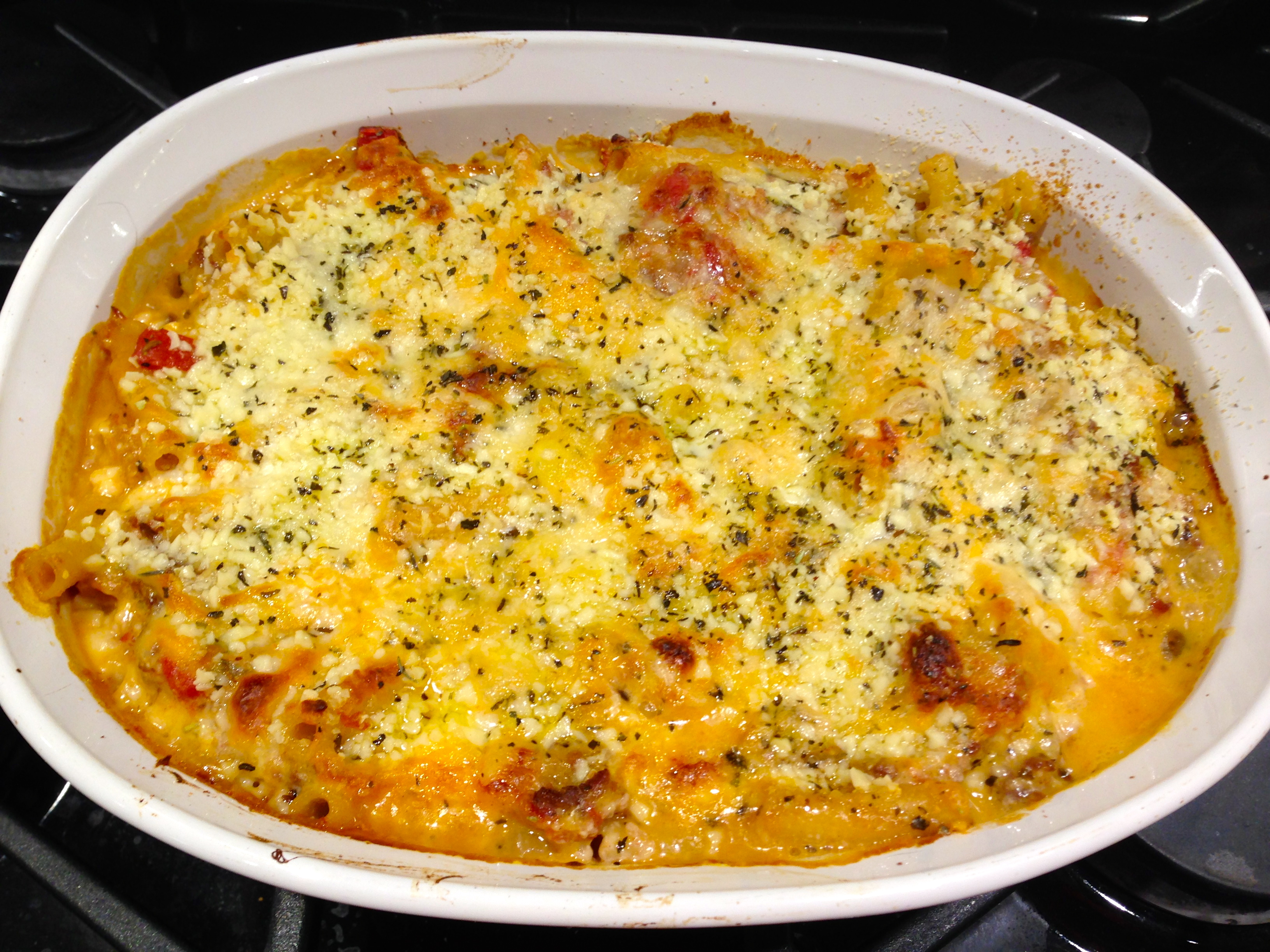
Bake at 350 for 25 to 30 minutes or until the casserole is bubbly and the cheese is nicely browned.

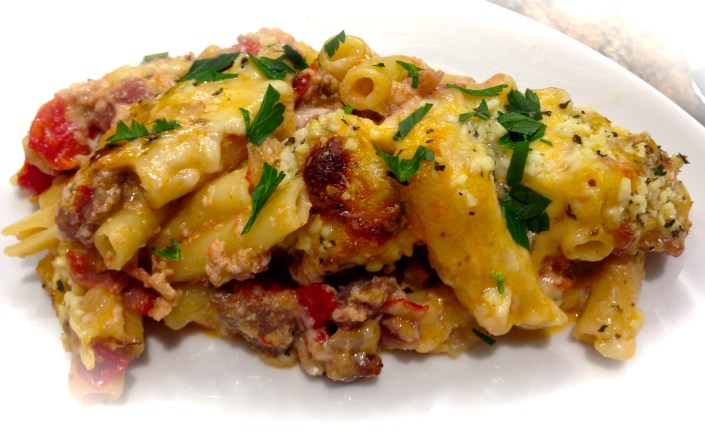
Straight Out Of The Oven...

Straight Out Of The Oven…

Baked Ziti With Sausage and Pancetta

Baked Ziti With Sausage and Pancetta

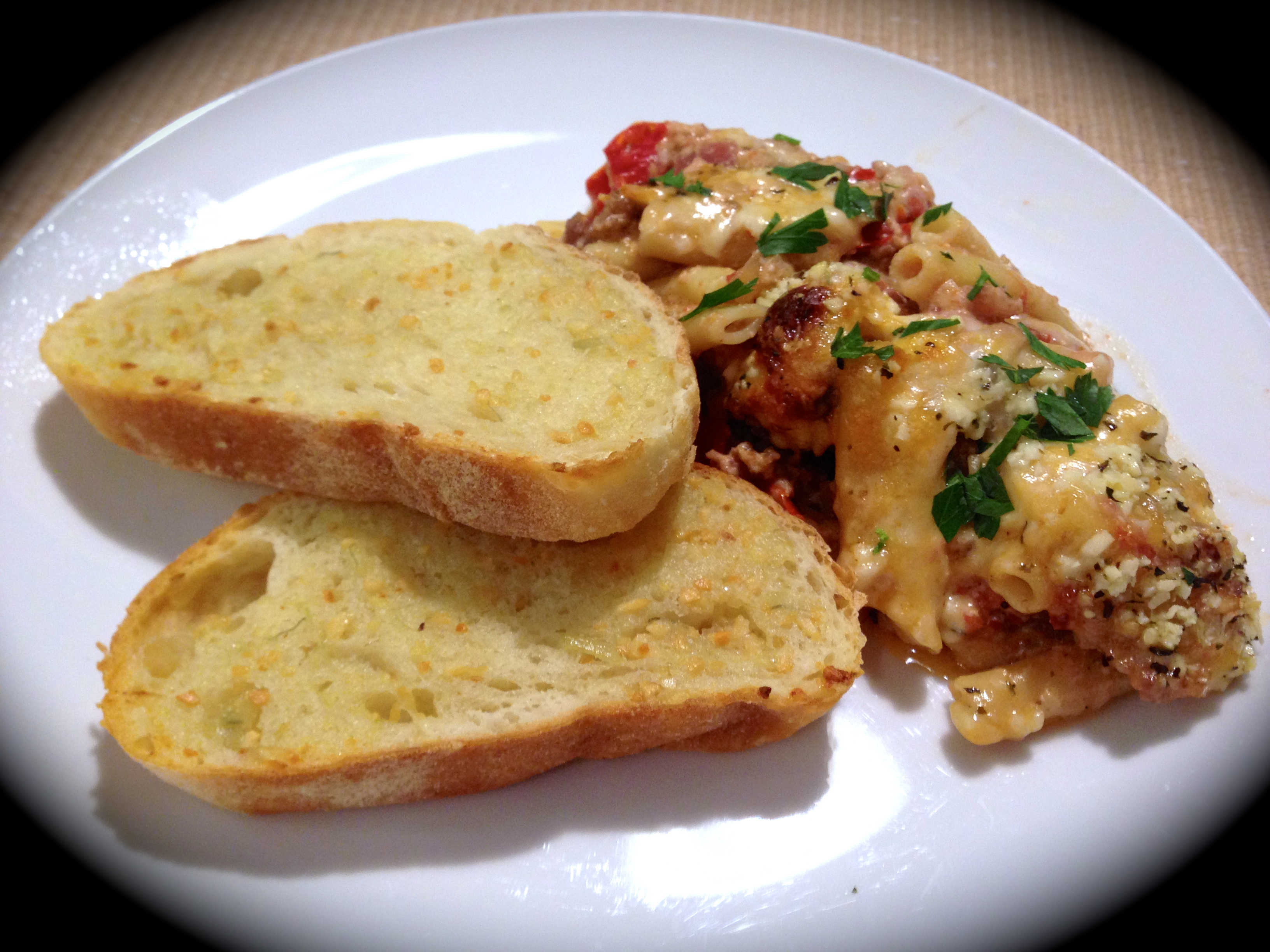
Serving Suggestion: Baked Ziti with Garlic Bread...

Serving Suggestion: Baked Ziti with Garlic Bread…


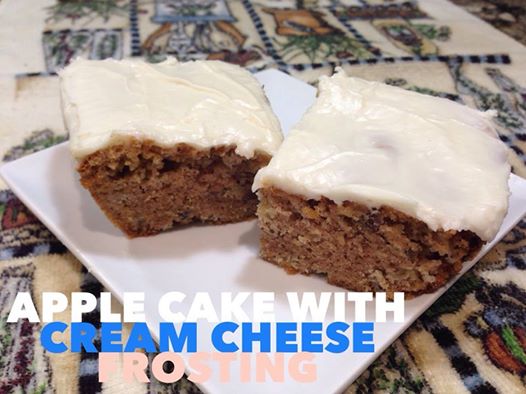
Apple Cake With Cream Cheese Frosting

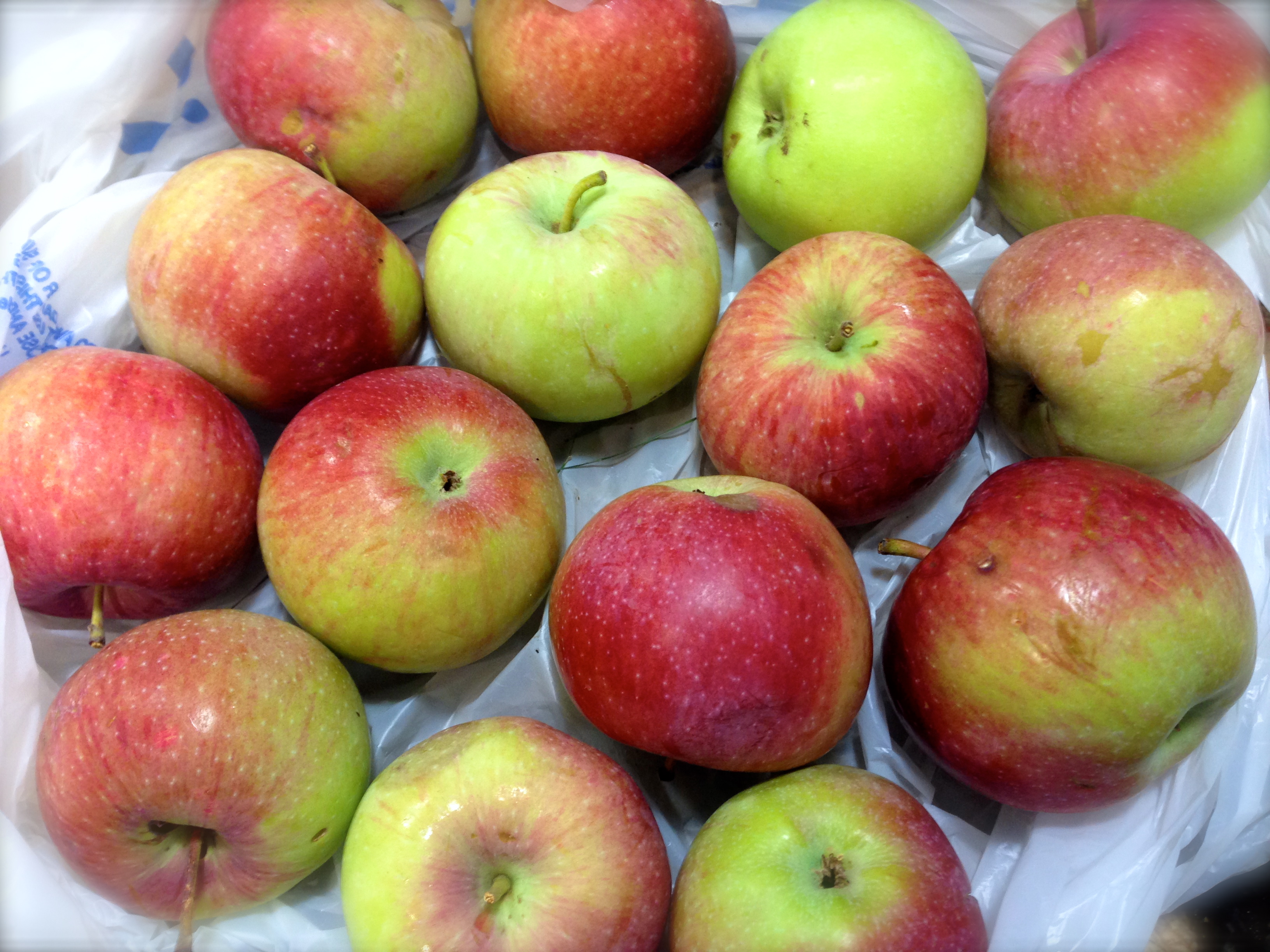
The other day I opened my front door and lo and behold a bag of apples magically appeared on my porch. My neighbor across the street has apple trees in his backyard and was nice enough to share a bag of them with us. I had no idea what type of apples they were but when I tasted one I knew it would lend itself to baking. But what to make – applesauce, apple crisps, apple streusel – the possibilities were endless.

IMG_0273I decided to make an apple cake that is really a combination of two recipes that I found on Pinterest. One intrigued me because of the spices and the other because it included pecans. So why not just take the best out of both recipes and make a new one, right? Well, surprisingly it worked out even better than I thought it would.

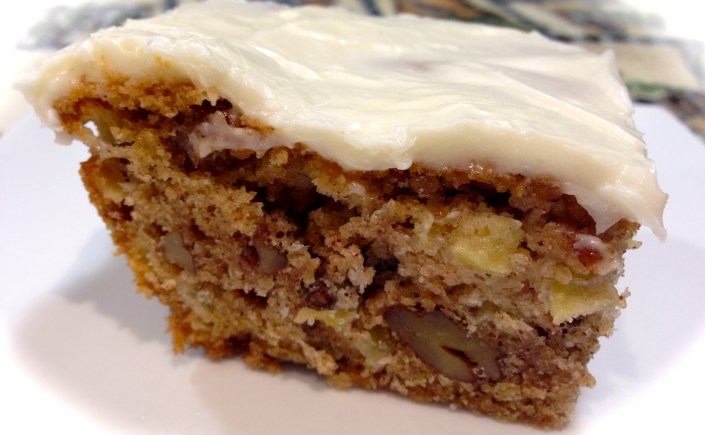
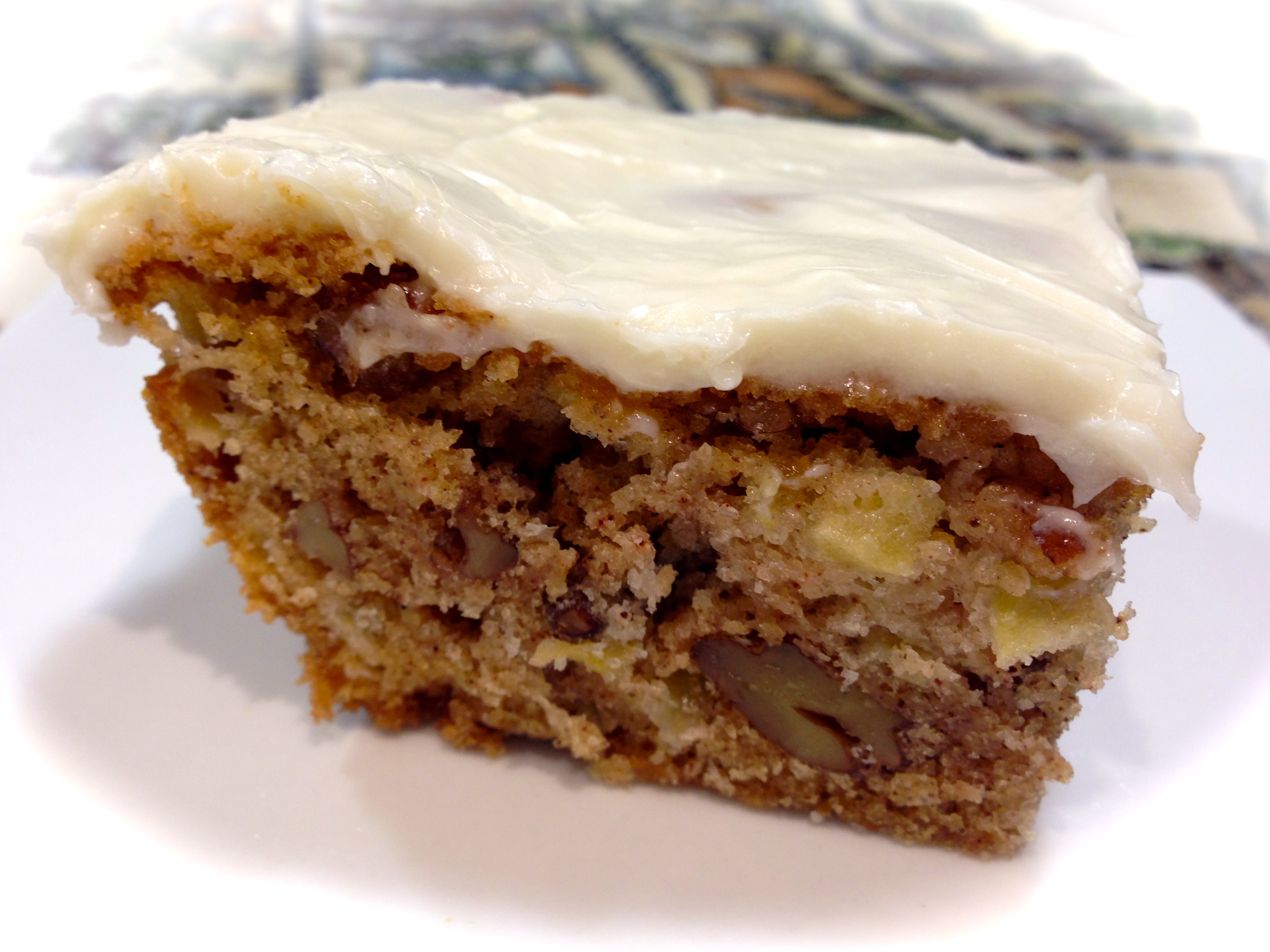
RECIPE RATING: A+ The cake came out great. The apples were moist but not mushy and the spices complimented the apples perfectly. The next time I make this I may add a little more cinnamon but as written it is still a fabulous cake. I took most of it to work and it was gone in less than an hour. The cream cheese frosting was a great compliment to the cake.

It’s Fall, there are plenty of apples out there – so don’t wait – you’ve just got to try this one!

LESSON LEARNED 1- Don’t be afraid to experiment: I say this with a caveat. Remember that baking is not like cooking. The amounts need to be relatively exact for the end result to be good. Eyeballing it is simply not recommended for baking. You must measure your ingredients. Experiment wisely.

That being said, when I was searching for recipes I found two apple cake recipes that basically had the same proportions for the main ingredients (flour, sugar, oil) but had different spices. I decided to used the main ingredients from one (it used two eggs instead of three) and I also added the spices from the other (cinnamon and allspice). One of the recipes only had vanilla as a spice and I just could not imagine baking apples without cinnamon and allspice. So I borrowed the spices from one recipe and incorporated it into the other while eliminating the vanilla (although I imagine you could put that in as well). It worked like a charm.

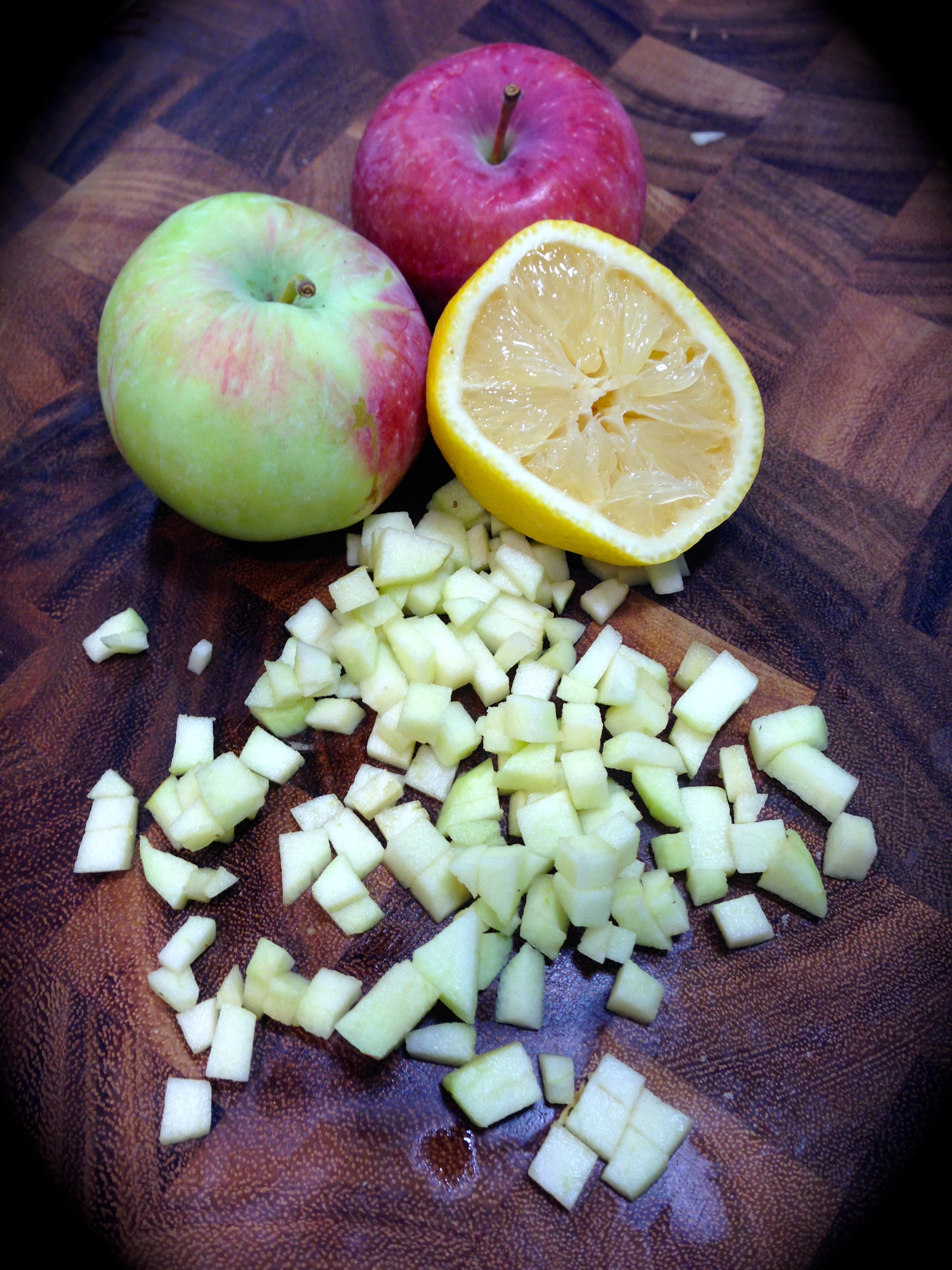
IMG_0277LESSON LEARNED 2 – Cut the apples into small pieces: I learned this lesson the hard way a few years ago. If you cut the pieces too big they won’t cook and the cake won’t taste as good. Cut them into nice small pieces and they will cook beautifully, moist but not mushy, within the allotted time. Also, make sure you peel the apples. Tough apple peels in a cake just don’t cut it in my estimation.

LESSON LEARNED 3: Use lemon juice to keep your apples from turning brown: This recipe calls for three cups of diced apples which takes a little time to prepare. During that time if you don’t sprinkle them with some lemon juice they will begin to turn brown. In order to avoid that take either some fresh or bottled lemon juice and sprinkle it sparingly on top of the apples. Stir the apples so that the lemon juice is incorporated thoroughly. You may have to do this process a couple of times because of the amount of apples but you need just a little lemon juice to keep the apples from browning.

LESSON LEARNED 4: Keep your nuts fresh by putting them in the freezer: Let’s face it nuts are expensive. Rarely do I finish a package of nuts in a recipe. I used to keep the leftover package in my pantry until the next time I needed them and then wondered why they tasted funky when I went to use them. I found out along the way that nuts have oil in them and if you don’t freeze them they will become rancid. Freezing leftover nuts makes them last much longer. And because they are frozen you don’t have to be dust them with flour in order to incorporate them throughout the batter.

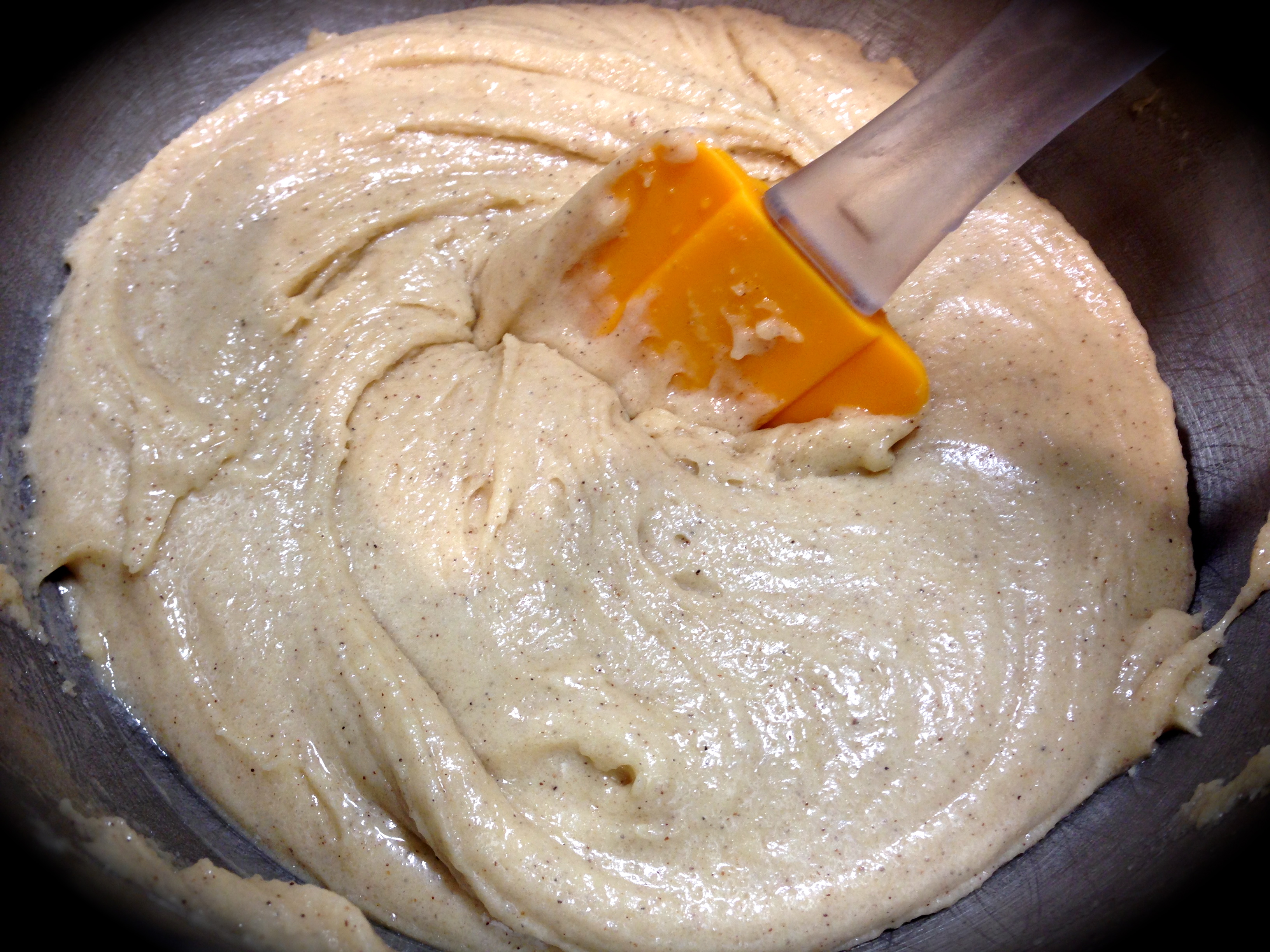
IMG_0291LESSON LEARNED 5 – The batter will be thick:  I was actually surprised to see the thickness of this batter. You will need to spread it to fill a 9×13 pan. Make sure you spread it evenly and get it into all the corners.

This is a perfect Fall recipe. The cake is moist and flavorful and the cream cheese frosting is to die for. One of my co-workers said that he could just eat the frosting it was that good. If you try this one I’m sure it will become a Fall staple in your home.

A friend of mine also gave me a recipe for apple chips. I think I may try that as well. What is your favorite apple recipe?


[recipe: title=”Apple Cake With Cream Cheese Frosting” servings=”16-20″ time=”75 Minutes Including Prep” difficulty=”Easy”]

CAKE INGREDIENTS:

1 1/2 cups vegetable oil

2 cups sugar

2 eggs, room temperature

3 cups flour

1 1/2 tsp. baking soda

1/2 tsp. salt

1 tsp. cinnamon

1/4 tsp. allspice

3 cups chopped apples

1 cup chopped pecans

1 tsp. vanilla (optional)

lemon juice to coat the diced apples

FROSTING:

1 package cream cheese

4 cups powdered sugar, sifted

1 tsp. vanilla

dash of heavy cream (you can substitute with milk)

DIRECTIONS:

Preheat oven to 350 degrees. Grease a 9×13 pan (you can also use cooking spray). Peel and dice apples. Put a dash of lemon juice on them to prevent browning. Combine oil and sugar. Add eggs one at a time and mix thoroughly. Add vanilla if desired. Combine flour, baking soda, salt, cinnamon and allspice. Add dry ingredients incrementally into wet ingredients until combined.

Fold in pecans and apples. Spread in prepared pan and bake for 45-50 minutes or until a toothpick inserted in the center comes out clean. Cool completely before adding frosting. (about 2 hours).

For the frosting: Sift powdered sugar. Beat sugar and cream cheese until combined. Add dashes of heavy cream until you get your desired consistency. (I prefer heavy cream to milk and I feel it gives a thicker, more lush frosting). Spread on top of cake. Enjoy!

[/recipe]

IMG_0362


Baking With Flour and Eggs…

It occurred to me that I added a new category to my website called tips and trick and have yet to write a post under it. That ends today. The purpose of this category is to share some tips and tricks that I’ve learned along the way that make cooking and baking easier and better. I am hoping that my readers will also join in with their tips and tricks since I know I’ve still got a lot to learn.

My initial post covers two of my favorite tips, ones that have made a big difference in my baking. I call them knife aerated flour and quick and easy room temperature eggs.

KNIFE AERATED FLOUR:

I’ve often mentioned that my mother wasn’t a very good cook. She simply wasn’t interested in it. But when she did, she was not intuitive and she often made mistakes that affected the outcome of a recipe. One of her big mistakes was how to measure flour. Baking purists will tell you that the only way to measure flour is by weighing it. That may be the case, but I hardly find any recipes that include the weight of the flour in the ingredients. Normally it is listed in cups.

But not all cups are created equal. What my mother used to do is put flour in a measuring cup and then shake it so that the flour would settle. She would continue that process until she got the amount called for in the recipe. Basically she was using packed down flour as her measurement. Not good…

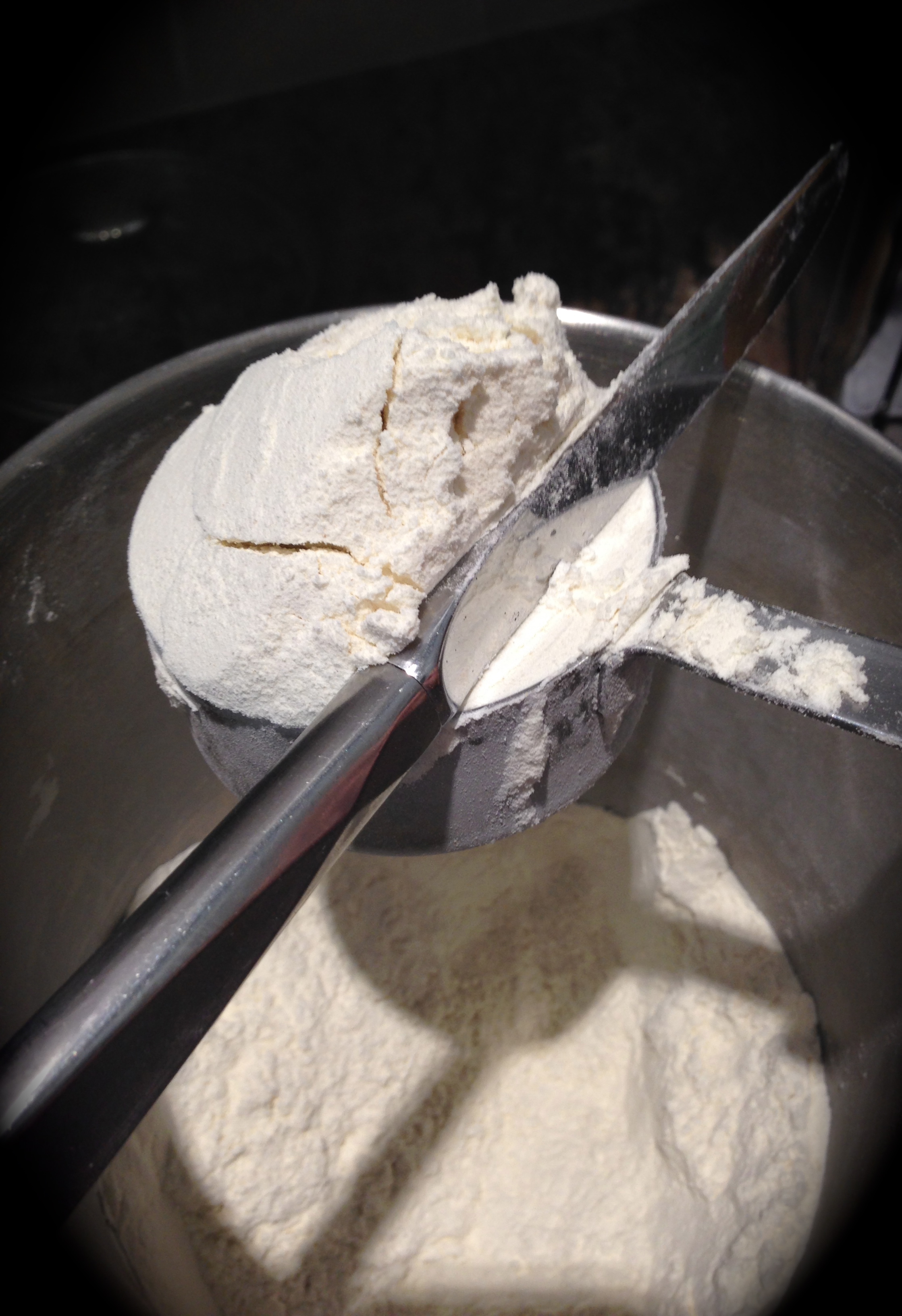
I found the best way to measure flour without weighing it is to use the knife aerator technique. Before I scoop my flour out of my canister into a measuring cup, I take a knife and stir it in the canister to aerate it. Then I put my cup in my canister and scoop out a heaping amount. After that I take my knife and level the measuring cup and voila, I have an amount that parallels weighing it. Easy, quick and recipes tend to work out well using this technique. The only time they don’t is if I need to do a high altitude adjustment. Then I add one to two additional tablespoons of flour and that usually does the trick. If you don’t live in high altitude you don’t need to worry about that.

So next time you measure flour, aerate it and level it in your measuring cup using a knife. You’ll get a much more accurate amount that way.

Use a knife to level off the flour...

Use a knife to level off the flour…

EASY ROOM TEMPERATURE EGGS:

From watching a lot of professional chefs I’ve learned that using room temperature eggs when baking makes the eggs blend more thoroughly in the batter. The problem is, who ever remembers to take the eggs out of the refrigerator in enough time to render them room temperature. Not me, that’s for sure.

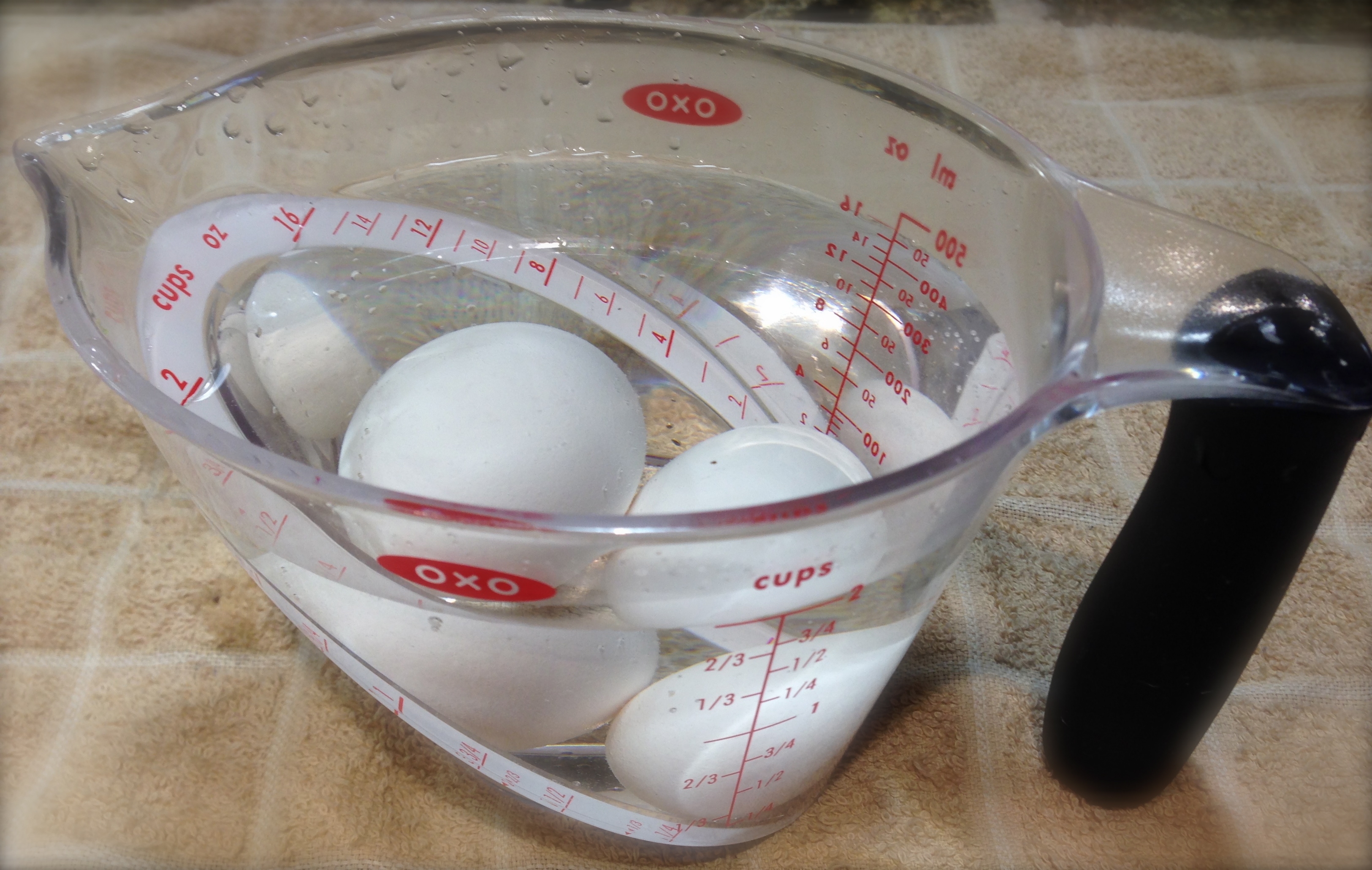
But I recently learned a great little trick that in 5 minutes gives you room temperature eggs. Just put some very warm water in a cup deep enough to cover the eggs (I normally use my 2 cup measuring cup) and let them sit on the counter for 5 minutes. Voila, you have room temperature eggs. I do this all the time when I am baking now. It’s a great little trick and it hardly takes any time at all.

IMG_9778

WHAT ARE SOME OF YOUR FAVORITE BAKING TIPS N’ TRICKS?

I know there are a lot of tips that can make for better results or are amazing time savers. I would love to hear some of yours. Feel free to share and we can all learn from each other! Enjoy!


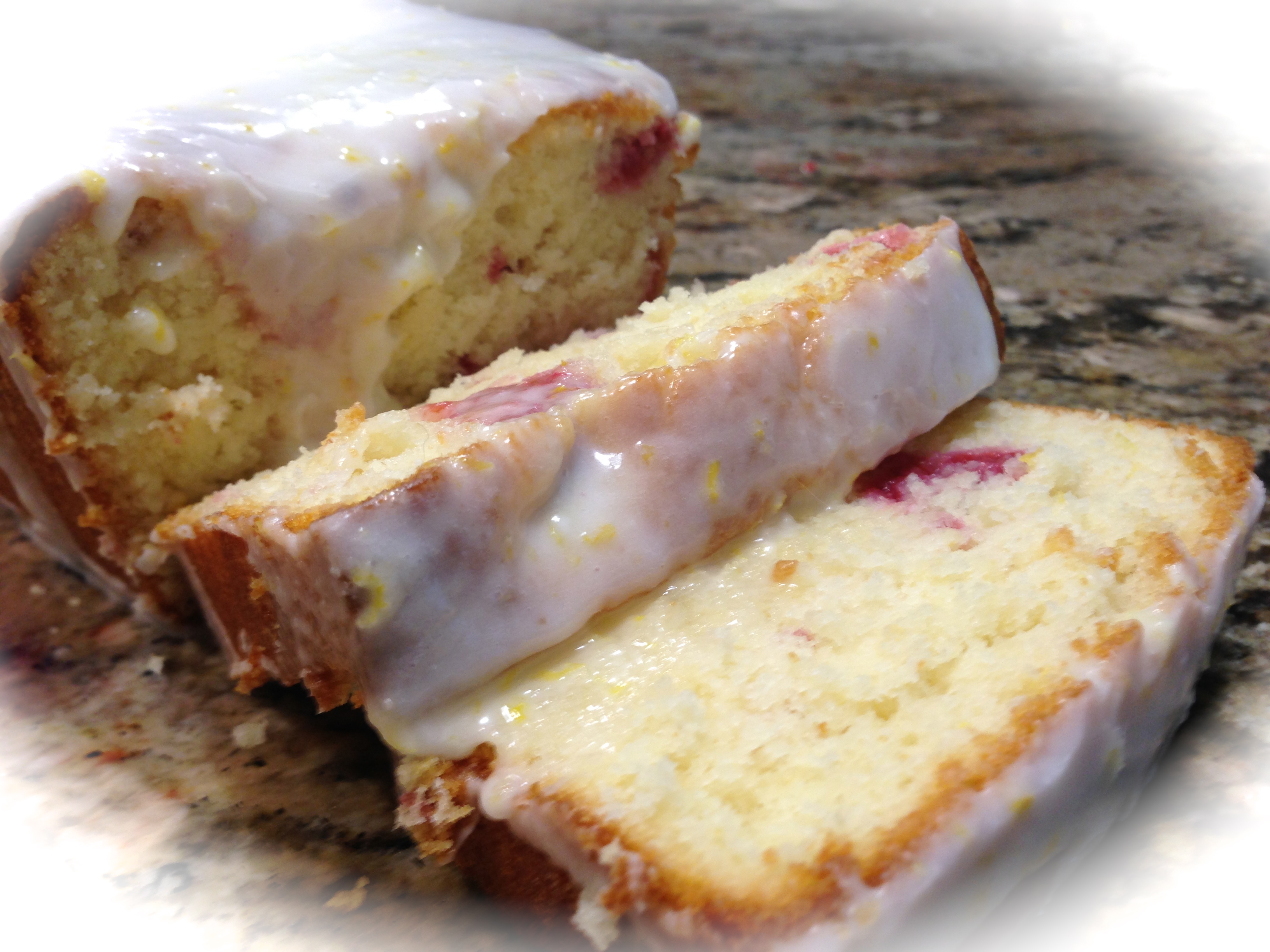
Lemon Raspberry Loaf Cake

August was quite a busy month with a lot of traveling and so I wasn’t able to make my goal of one new recipe a week last month. Now things have settled down a bit and I’m back in the saddle. This recipe I found on (you guessed it) Pinterest and it intrigued me especially since our local grocery store had quite the deal on fresh raspberries. The combination of lemon and raspberries is killer in my estimation and that made the choice even easier. So here is my recipe rating for a lemon raspberry loaf cake and lessons I learned while making it.

IMG_0135Recipe Rating – I’m conflicted so I will give it a range of B+ to A+. I know it’s a strange rating but I had to make this twice in order to get it right. The reason for the range is that I am just not sure whether the issue is how the recipe was written or the the challenges related to baking in high altitude. I will explain in my lessons learned.

Lesson Learned 1 – The flavor of this cake is awesome! The loaf fell in on me the first time I made it but I was determined to perfect the recipe because of the flavor. The cake is super delicious and I’m not kidding. If you love the flavors of raspberries and lemon you have to try this one. It is to die for!

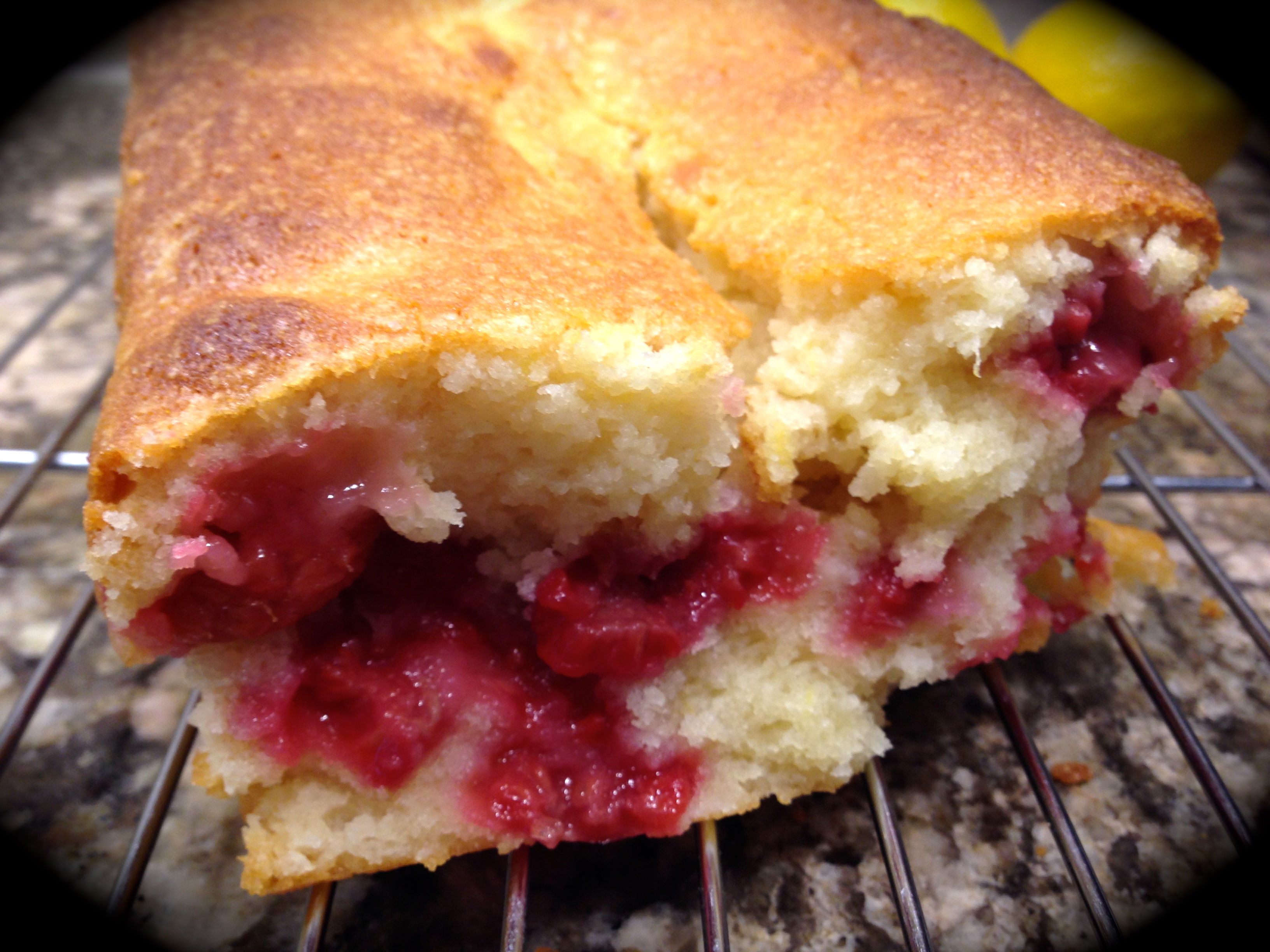
The first try produced a caved in cake...

The first try produced a caved in cake…

Lesson Learned 2 – Cooking with raspberries (and blueberries for that matter) is tricky: I’m not sure whether this is a high altitude or a berry thing but with this recipe (and also with my lemon blueberry pound cake recipe), when I used the amount of berries called for in the recipe my cake either became a mushy mess or sunk in in the middle. Both times I had to reduce the amount of berries in order for the cake to turn out perfectly. Both types of berries tend to get wetter and mushier when you bake them so I am thinking that the proportion of berry to batter is really important in order for the cake to hold its shape and not cave in. If any of my readers have any insights on this, I would certainly appreciate it. The first time I made this cake I used one cup of raspberries as called for in the recipe and the cake fell apart in the middle. The second time I used 3/4 cup and the cake did not cave in. Hmmm……

Lesson Learned 3 – Adding some additional flour: When I use box mixes (which has become less and less these days) I always add two tablespoons of flour to adjust the mixture for high altitude. I did the same for this recipe and I think that along with adding slightly less raspberries prevented the cake from falling in.

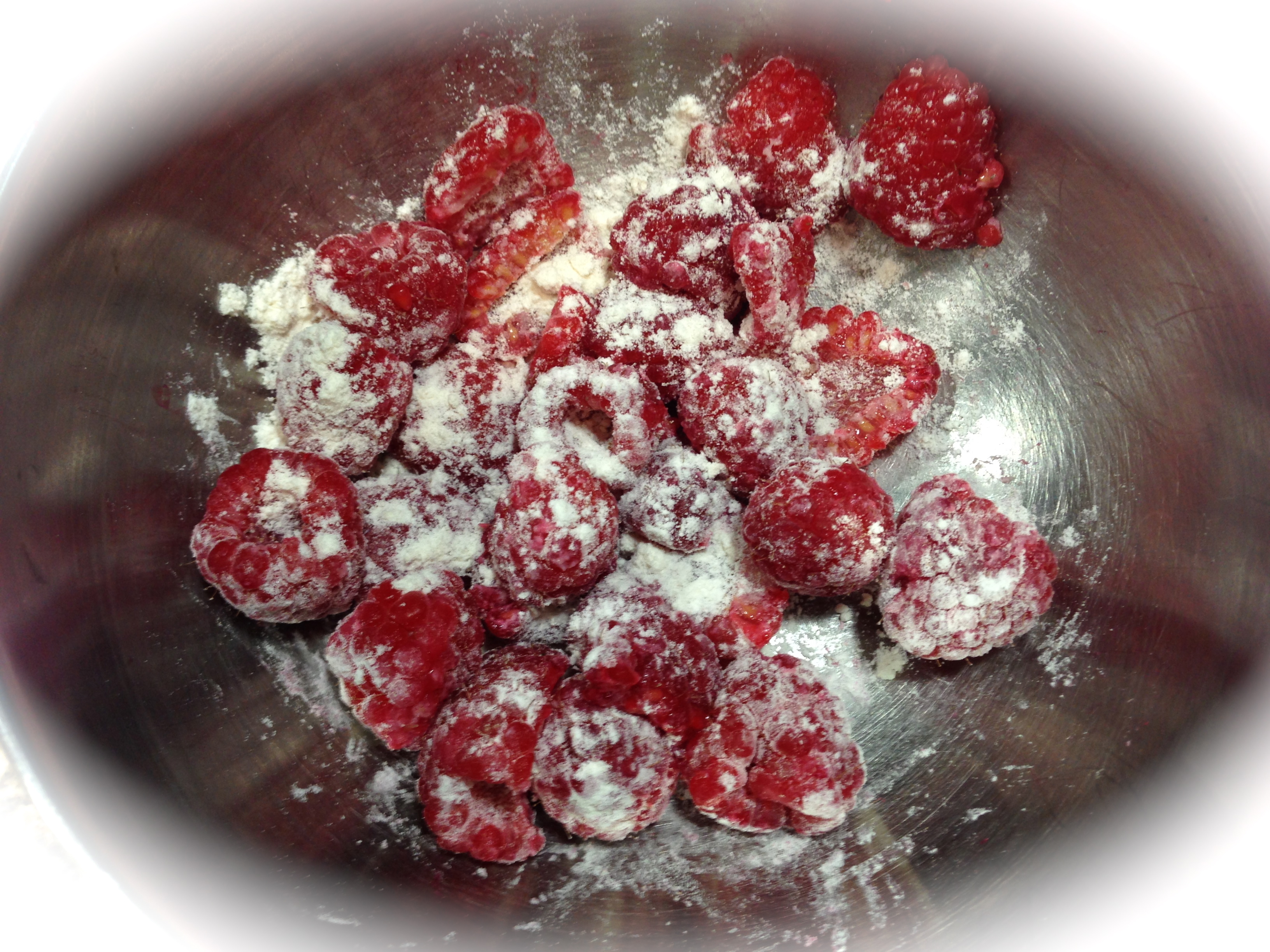
Lightly flour the raspberries to prevent them from all falling to the bottom

Lightly flour the raspberries to prevent them from all falling to the bottom

Lesson Learned 4 – Flouring the raspberries: Shame on the original recipe. It did not tell you that you have to slightly flour fresh raspberries in order for them to evenly distribute themselves in a batter. If you don’t they’ll all sink to the bottom. If you use frozen raspberries you don’t need to flour them, but it is a must with fresh berries. This was the only flaw in this recipe but the flavor of the cake more than made up for it.

Lesson Learned 5 – Adjusting batter for the size of the loaf pan: Maybe part of my problem was that I used my 8×4 loaf pan when the original recipe called for using a 9×5 pan. I googled the adjustments and it was suggested that the 8×4 pan only have 4 cups of batter put into it a opposed to 6 cups of batter for a 9×5 pan. This recipe makes 4 cups of batter so I’m not sure the amount of the batter was an issue in this case. I definitely had to bake the loaf longer, an additional 15 minutes to be exact. The additional baking time did not hurt it and produced a nicely browned top.

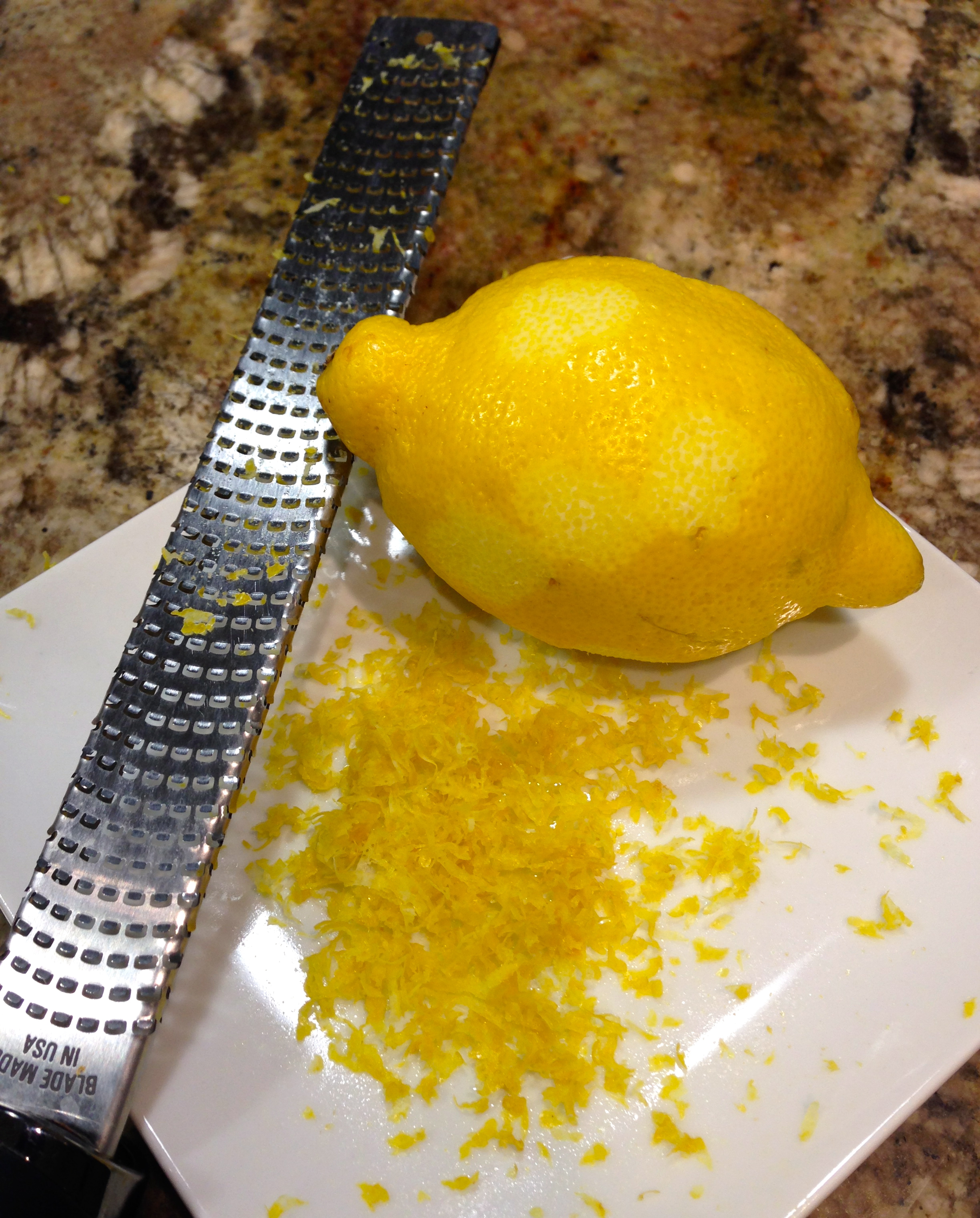
IMG_0153Lesson Learned 6 – The wonder of lemon zest: Zest is one of the best ways to add flavor to a recipe. Lemon zest happens to be my favorite. Not only does it produce a rich lemony flavor but also a great lemony smell. Just make sure you are careful not to zest the lemon down to the white part, the pith, as that will give you a sour zest. To avoid that just move your zester two or three times over an area of the rind and then move on to another yellow part of the rind. Continue until you zest the entire lemon. In this recipe lemon zest provides flavor not only to the cake but to the glaze as well.

Lesson Learned 7 – The technique of folding: This recipe calls for folding in the greek yogurt and then gently folding in the raspberries. Folding is a technique whereby you use a large spoon (I use a wooden spoon) and gently turn over the batter from the bottom to the top, continuing that process in a circular motion until you’ve combined the ingredient(s) you need to fold into the batter. The purpose of folding is to gently combine ingredients and in some cases not to deflate the air out of an ingredient (such as a whipped cream or meringue). If you are not gentle with the raspberries they will break apart and you will wind up having a pink cake versus a white cake dotted with raspberries. Be careful at this point not to break up the raspberries but make sure they are evenly distributed throughout the batter before pouring the batter into the baking pan.

Even though this recipe took me two tries I would highly recommend it. The combination of lemons and raspberries produces a fabulous flavor and the use of lemon zest in the glaze punctuates it. Just beware it may not turn out right the first time and be comfortable with that.  I guarantee you, the flavor is worth getting it right. Let me know how yours turned out and any adjustments you needed to make to get it right. Enjoy!

Lemon Raspberry Loaf Cake

  • Servings: 8-10
  • Difficulty: Easy
  • Print

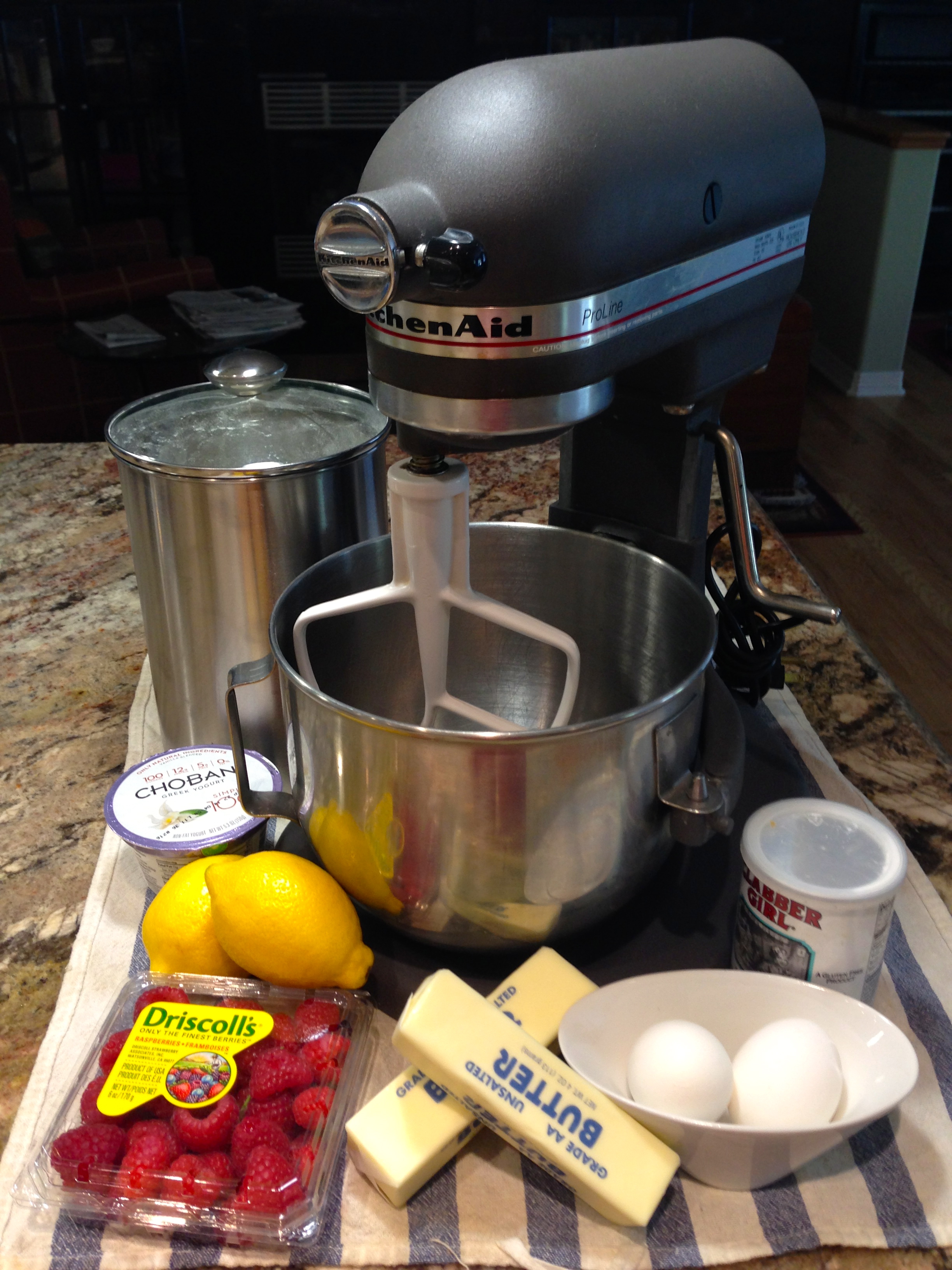
INGREDIENTS:

IMG_0225Loaf Cake:

1 1/2 cup flour (plus two heaping TBS. for high altitude)

1 1/2 tsp. baking powder (reduce to 1 tsp for high altitude)

1/2 tsp. salt

1 1/2 cup sugar (reduce by 1/8 cup for high altitude)

1 1/2 sticks of butter, softened

2 eggs, room temperature

3 TBS. lemon juice (you will need 2-3 lemons for this recipe depending on size)

1 heaping TBS. lemon rind

1/2 cup greek yogurt

3/4 cup fresh raspberries

Glaze:

1 1/2 cup powdered sugar, sifted

3 TBS. lemon juice

1 tsp. lemon rind

A splash of heavy cream (you can use milk as a substitute)

DIRECTIONS:

Preheat the oven to 350. Grease an 8×4 loaf pan and set aside.

In a bowl combine the flour, baking powder and salt. Set aside.

Using an electric mixer, combine the butter and sugar for at least 3-4 minutes. Add eggs one at a time and beat until fully incorporated. Mix in lemon rind and lemon juice.

By hand, mix in the dry ingredients (do not use the electric mixer for this). Once combined, fold in the greek yogurt. After that, gently fold in the raspberries.

Bake in the oven for 55-60 minutes or until a toothpick inserted in the center of the cake comes out clean. Let cake stand in pan for 15 minutes. Remove from pan and cool completely.

Combine powdered sugar, lemon rind, lemon juice, and heavy cream to make the glaze. Drizzle on top of cooled cake.

IMG_0237


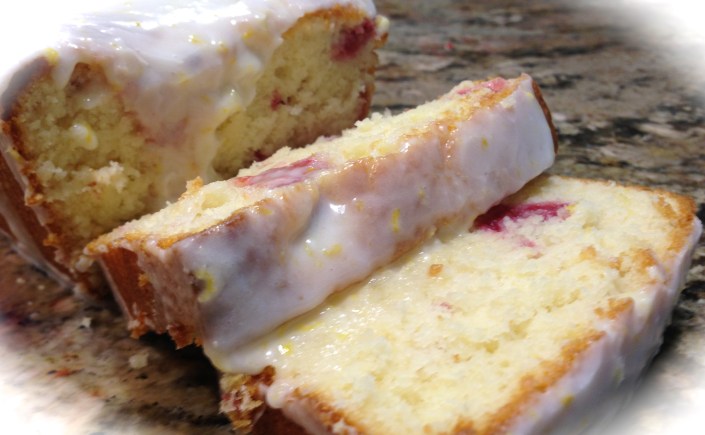
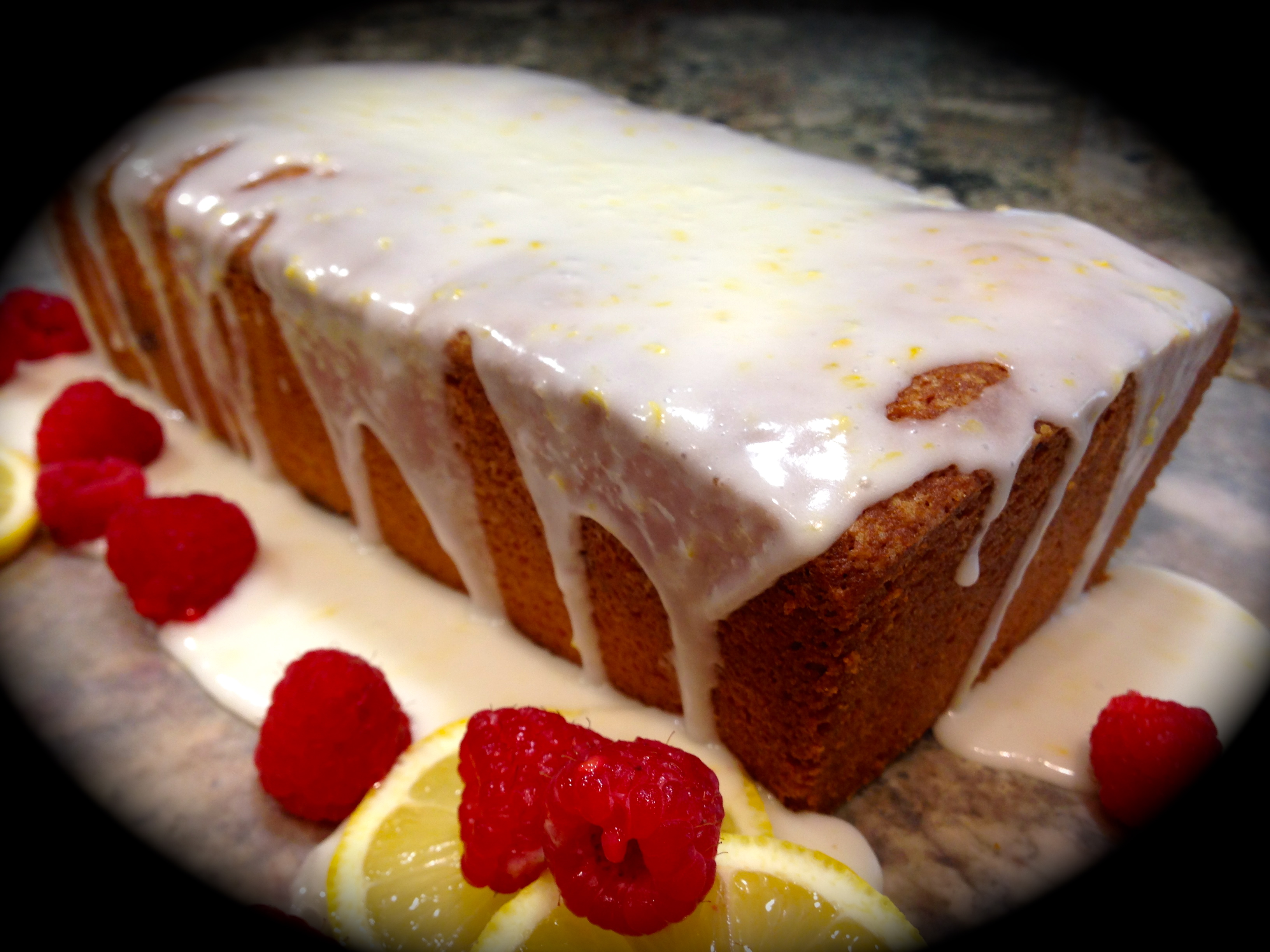
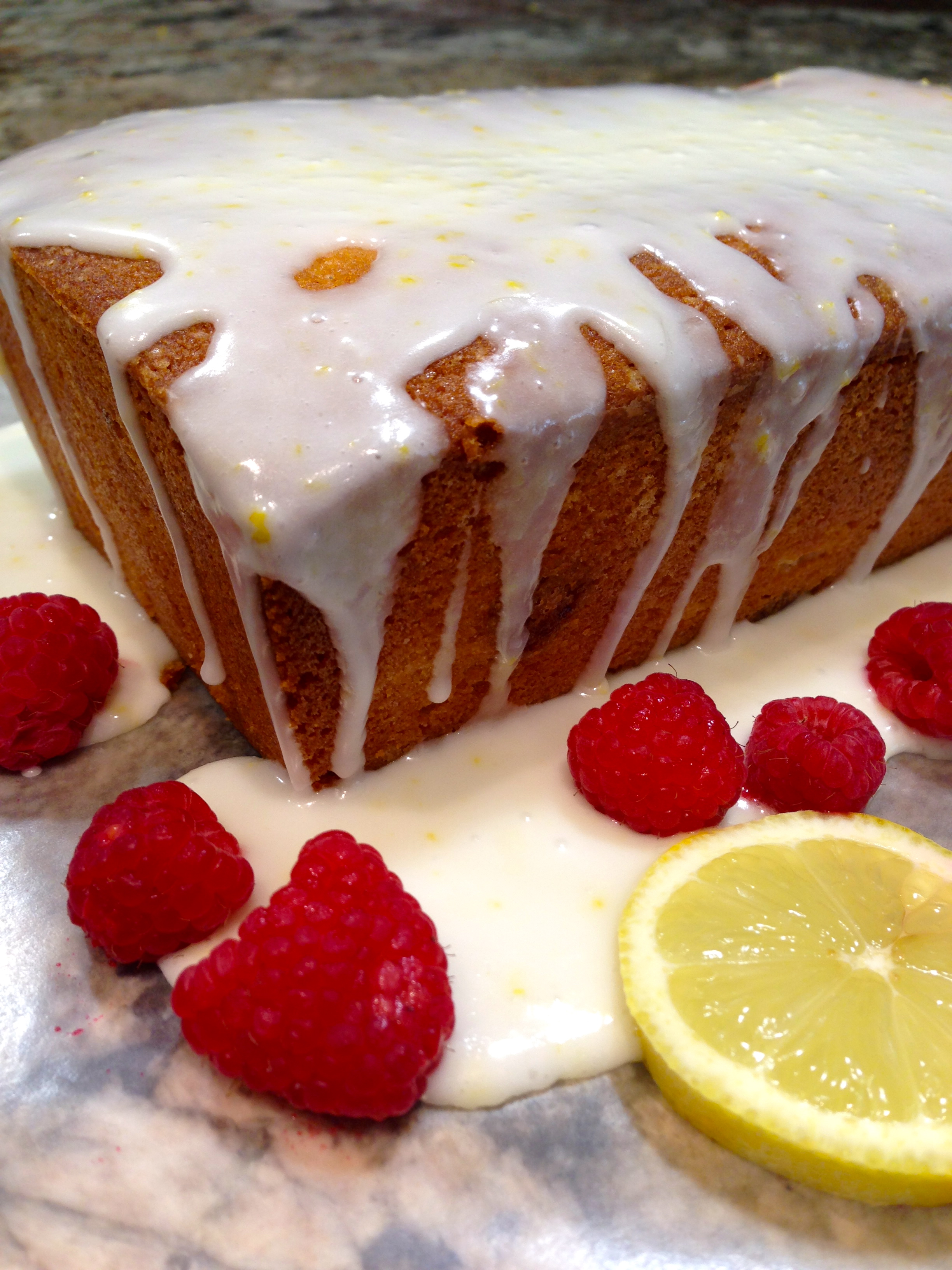
Lemon Raspberry Loaf Cake

Lemon Raspberry Loaf Cake