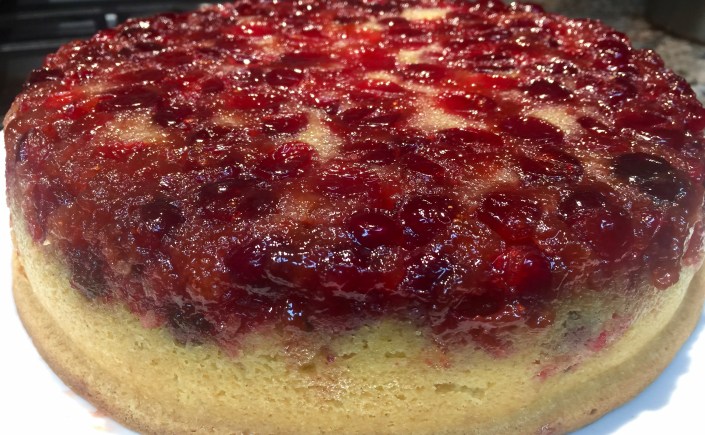
There’s nothing that screams the holidays like cranberries. Did you know that 20% of cranberries grown are consumed over the holidays? The fresh ones are only around this time of year and their bright red color makes you want to burst into a Christmas song. And because I love them so much, I’m always looking for new ways to cook or bake with them. This particular recipe hits the jackpot as far as I’m concerned.
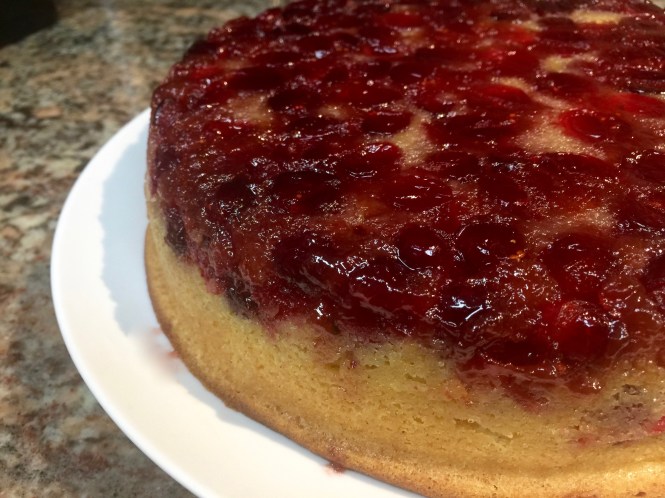
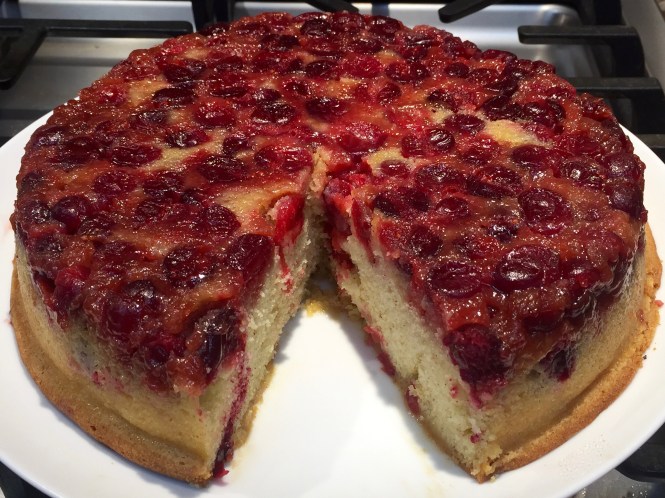
I’ve seen various iterations of upside down cakes but this one, in my estimation, surpasses them all. It is so much fun to take this cake out of the oven, let it cool for 10 minutes, and then turn it over and see this gorgeous burst of holiday color decorating the top of the cake. This cake will stand out on any holiday dessert table. And besides looking fabulous, it tastes fabulous! And it isn’t that difficult to make. You just need to follow a few tips and the cake will turn out perfectly. This is the very first time I made this cake and just look at it – holiday perfection! So let’s talk cranberry upside down cake…
Lesson Learned 1 – Grease the bottom and sides of the pan generously: If you don’t do this you’re dead in the water. The cake will never come out clean. Now by generously I don’t mean you need a build up of grease in the pan. Just make sure your pan (and this recipe calls for one 9 inch round cake pan) is thoroughly greased on the bottom and the sides. And make sure you only use butter to grease the pan, nothing else.
Lesson Learned 2 – Can you make this in an 8 inch round pan: The answer is yes and no. This recipe makes a lot of batter and really calls for a 9 inch pan that is at least two inches high up the sides. Once you put the cranberries in the entire batter will come close to the top if you use it all. I wound up leaving a small amount of batter out as I was afraid the cake would spill over the sides of the pan. I left a little less than 1/2 inch of space along the sides.
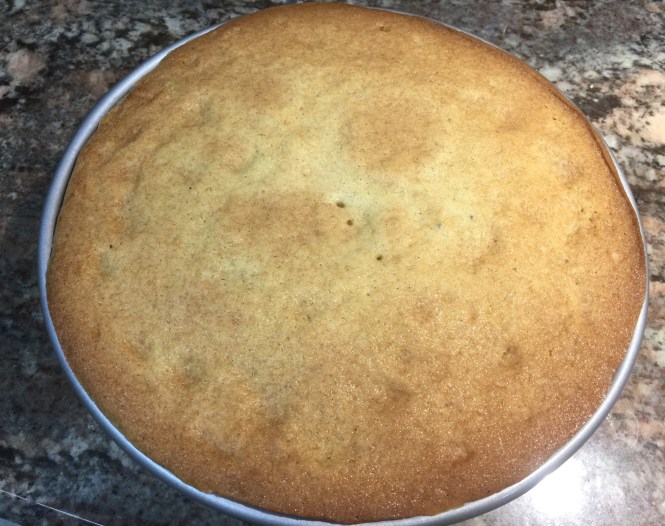
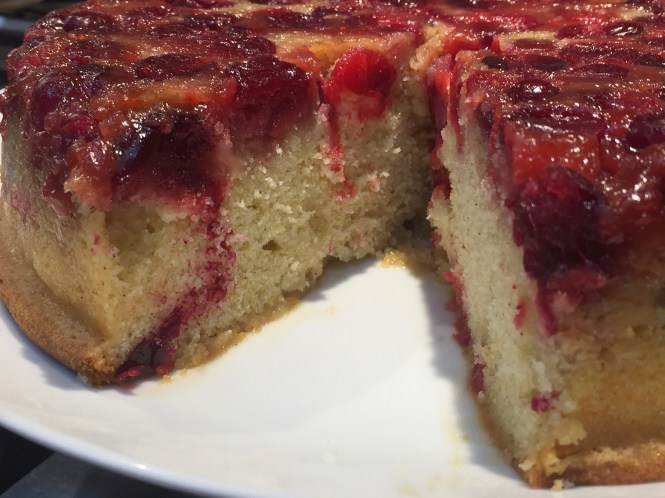
I’m glad I did. The picture below shows what the cake looked like right out of the oven. You can see the cake is all the way up to the top of the sides of the pan. Next time I make the cake I may add a few less cranberries (the original recipe called for 12 ounces of cranberries – I did not use that either. I used about 10 ounces of the 12 ounce bag). The key to getting a nice top is making sure the cranberries are evenly spread over the brown sugar and butter base. Piling the cranberries slightly on top of each other also results in a few cranberries rising with the cake and creating some nice color throughout the cake, which I liked.
I think you could use an 8 inch pan but keep in mind you will need less cranberries and you will have more batter left over. Either way, leave yourself a little less than 1/2 inch of space along the sides so your cake does not flow over the sides of the pan.
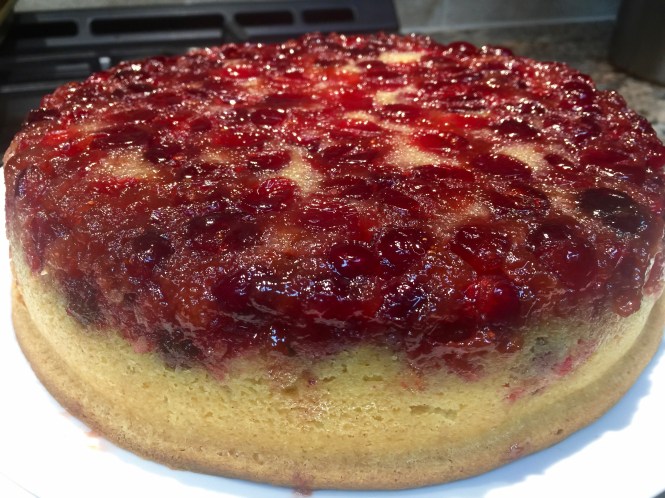
Lesson Learned 3 – Don’t let the cake cool in the pan longer than 10 minutes: You want the cake to rest for a short time when it comes out of the oven. But you also want to make sure you can get the cake out of the pan. Remember what you have on the bottom is really sticky. Cool the cake for no longer than 10 minutes. Then take a butter knife and run it all along the sides of the pan. If you do this, your cake will come out easily. Mine did and it looked gorgeous. Let the cake cool in it’s “upside down” form.
If you follow these simple lessons you should have no problem making this cake. And as always I will include sea level and high altitude amounts for the baking powder. I know you will love this one!
Cranberry Upside Down Cake...
INGREDIENTS:
Base:
3/4 cup packed brown sugar
4 Tbs. unsalted butter
10 ounces of fresh cranberries (you will not use an entire 12 ounce bag)
Cake:
1 3/4 cups flour
2 tsp. baking powder (1 tsp. for high altitude)
1/2 tsp. salt
1/2 tsp. ground ginger
1/4 tsp. ground cinnamon
Very small pinch of ground cloves
1/2 cup unsalted butter, room temperature
1 1/2 cups sugar
3 eggs, room temperature
1 Tbs. orange zest (the zest of a large orange)
1/2 cup sour cream
1/4 cup milk
DIRECTIONS:
Preheat the oven to 350 degrees. Generously butter the bottom and sides of a 9 inch round cake pan. Set aside.
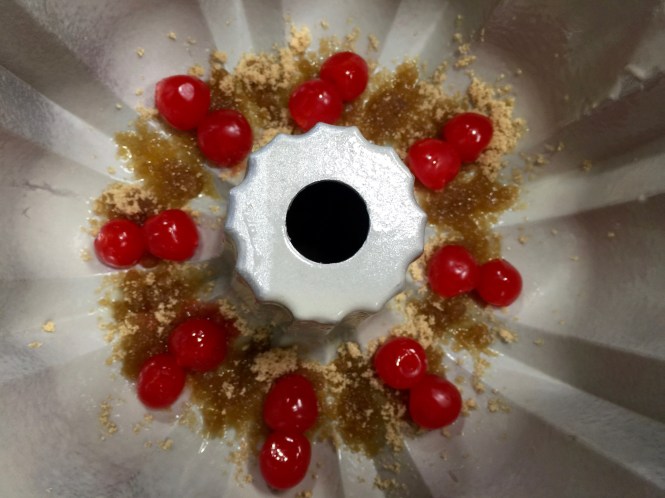
In a small saucepan, melt together the butter and brown sugar for the base. Make sure they are mixed well. Pour this mixture into the bottom of the cake pan.
Spread the cranberries evenly over the butter/brown sugar mixture. Set aside.
Whisk together the flour, baking powder, salt, cinnamon, ginger and cloves.
In another bowl beat the butter for the cake until it is light and fluffy. Add the sugar and mix thoroughly. Add the eggs in one at a time and mix until combined. Stir in the orange zest.
Mix 1/3 of the dry ingredients into the butter/egg mixture. Once combined beat in 1/2 of the sour cream until combined. Beat in the next third of the dry mixture until combined. Add the remaining half of the sour cream and beat until combined. Add the last third of the dry ingredients and beat until combined. Finally add the milk and beat until combined.
Pour the batter over the cranberries making making sure to leave a little less than 1/2 inch of room from the top of the pan.
Place in preheated oven and lower the temperature to 325 degrees. Bake anywhere from 55 minutes to 70 minutes. (mine took 70 minutes – it will depend on your oven and your altitude). Cake is done when a toothpick inserted in the center comes out clean.
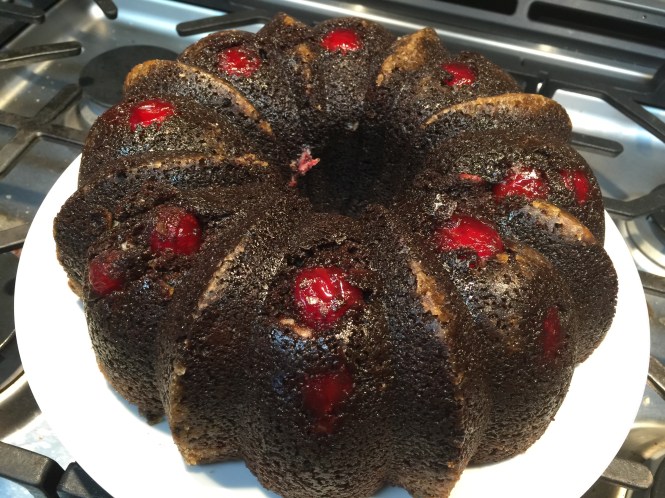
Cool the pan on a wire rack for 10 minutes. Run a butter knife all around the edges of the pan. Place a plate on top of the pan and invert it. Let the inverted cake cool on the plate.



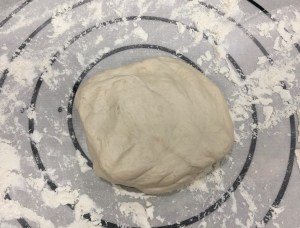 Lesson Learned 1 – Tips for working with pizza dough: Pizza dough, like most other types of dough, likes to rest before you roll it out. One common mistake with using store bought pizza dough is to take it out of the refrigerator and immediately start working with it. Doing that will result in a tough crust. Let the dough rest on your counter for about 20 minutes before you begin rolling it out. That way the glutens in your dough won’t get overworked and you won’t have a tough crust.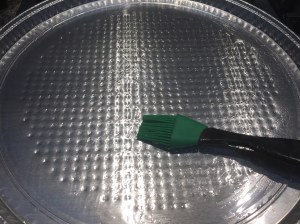
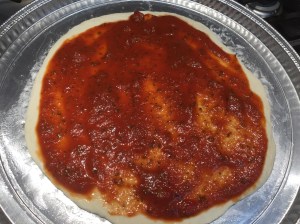 Lesson Learned 3 – Don’t drench the pizza with sauce: I used the smallest jar of marinara I could find, 14 ounces, and I still didn’t use all of it. Now you may ask should I use pizza sauce or pasta sauce. I don’t think it really matters. Some make pizzas with alfredo sauce. I don’t think there is a hard fast rule. It’s really all up to you. What’s more important is to make sure you don’t drown your dough in sauce. Just spread it on to lightly and evenly cover it. You don’t want to create soggy dough.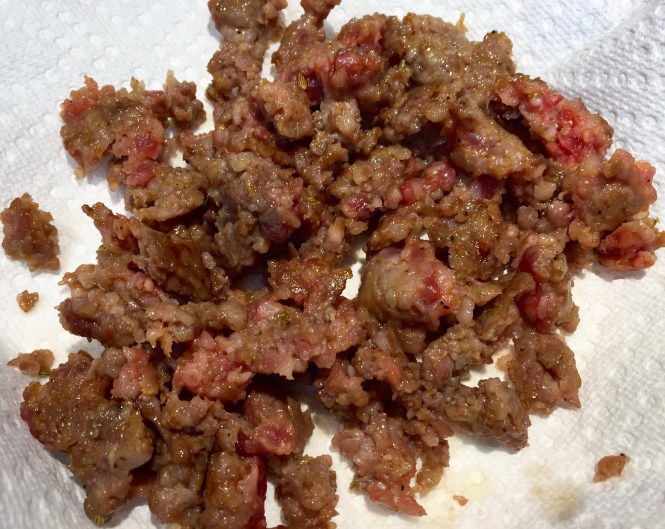
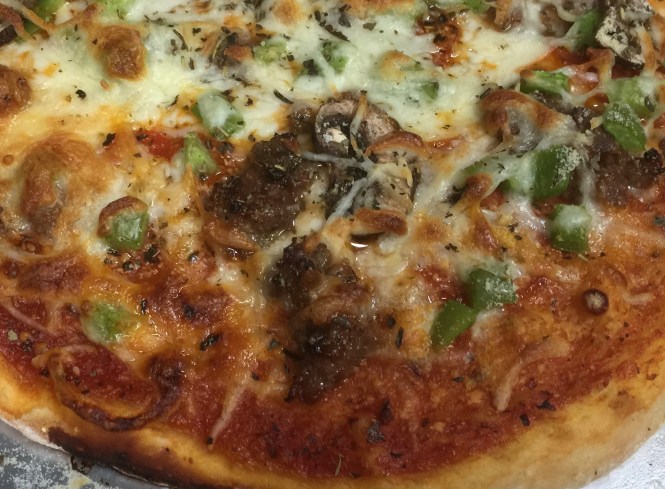
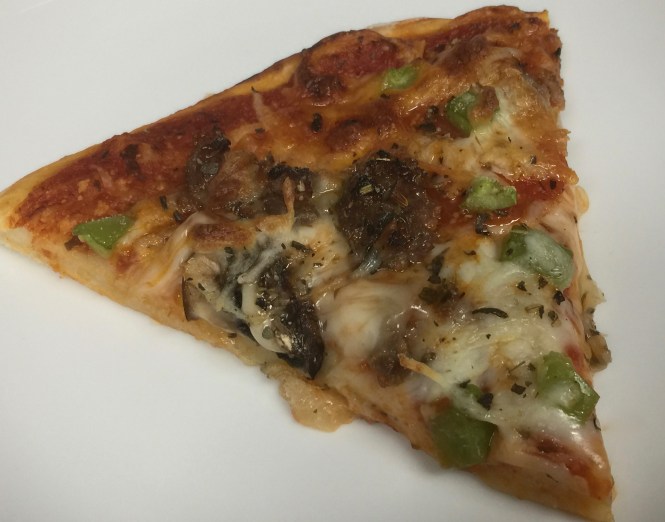
 Another mistake common in making homemade pizza putting the toppings on too thick. Now don’t get me wrong, I like lots of toppings on my pizza. Just be careful not to create a huge mound. What happens when putting too much toppings on is the crust will get done before your toppings are cooked or even warmed through. You don’t want that.


 2 cups flour
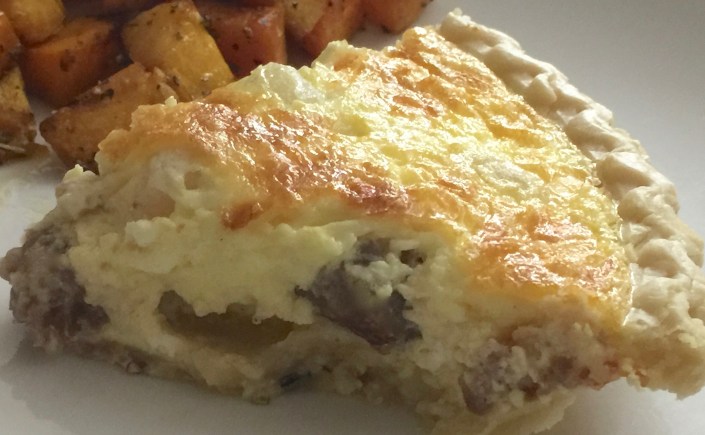
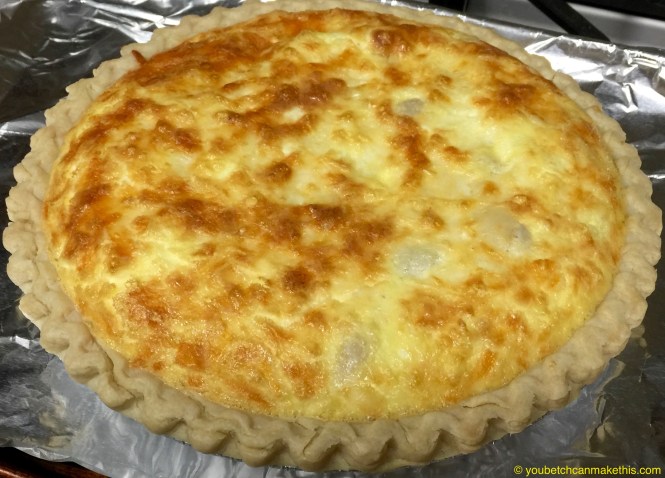
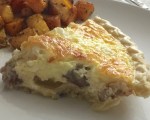
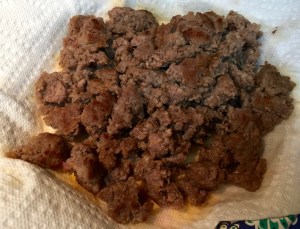 Lesson Learned 2 – Cook the breakfast sausage until you see only a little light pink: Remember the quiche is going to bake for an hour so the sausage will continue to cook during that time. I like to cook my sausage first, mix it with the cream cheese and let it sit a little before I put it in the pie crust. I normally use that time to put the egg mixture together.
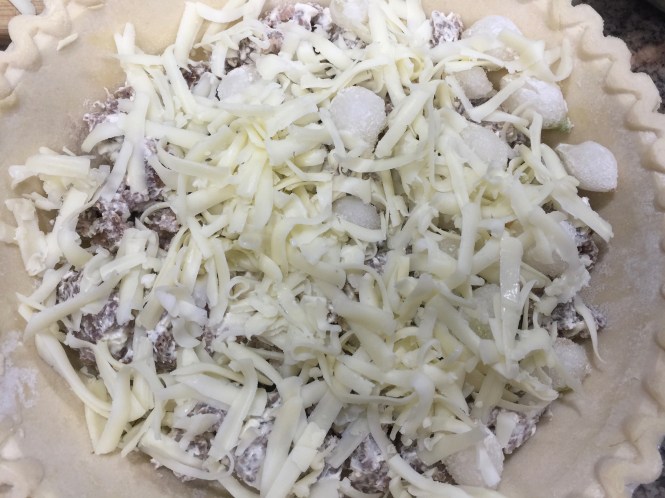
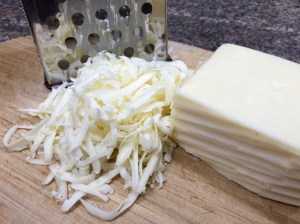 Lesson Learned 4 – Use a good melting cheese: You can use a wide variety of melting cheeses in a quiche. I like this particular recipe because it pairs a little cream cheese with another melting cheese. I used muenster in this recipe but you can also use cheddar, gruyere, swiss, or mozzarella. That’s the beauty of making a quiche. The choice is yours!
 1 9 inch frozen pie crust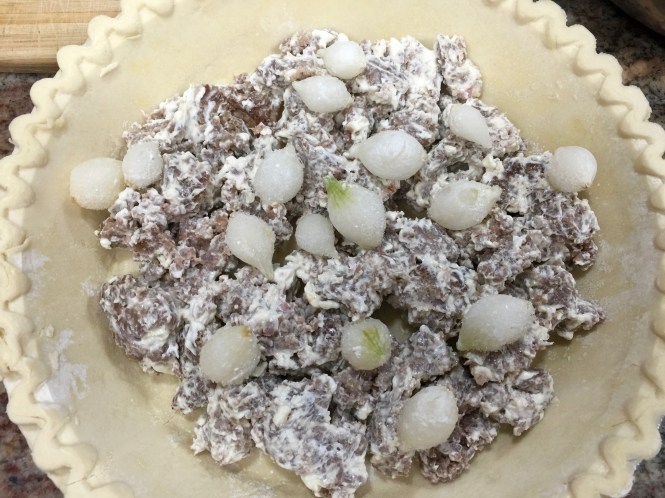

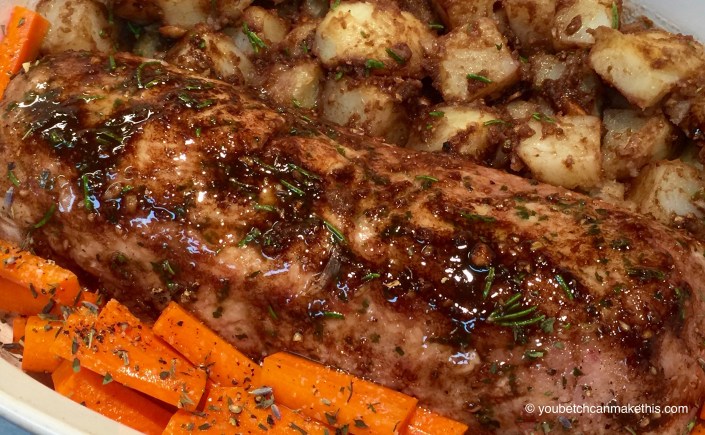
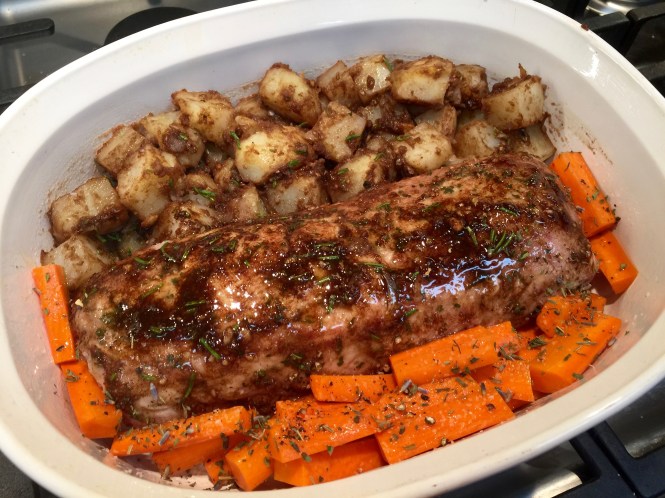
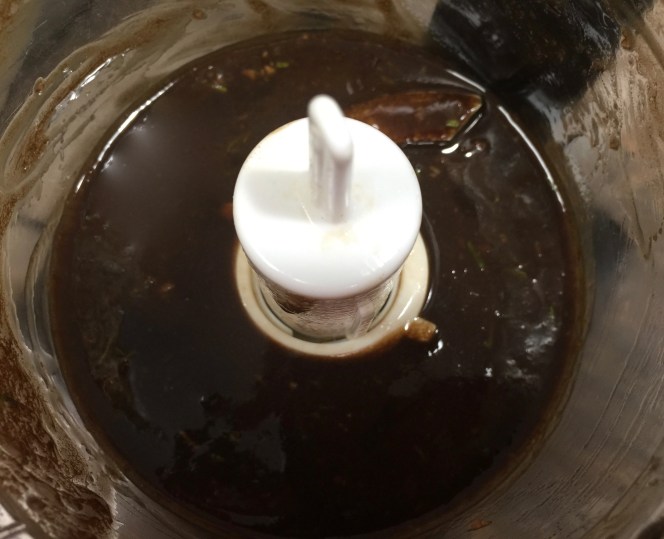
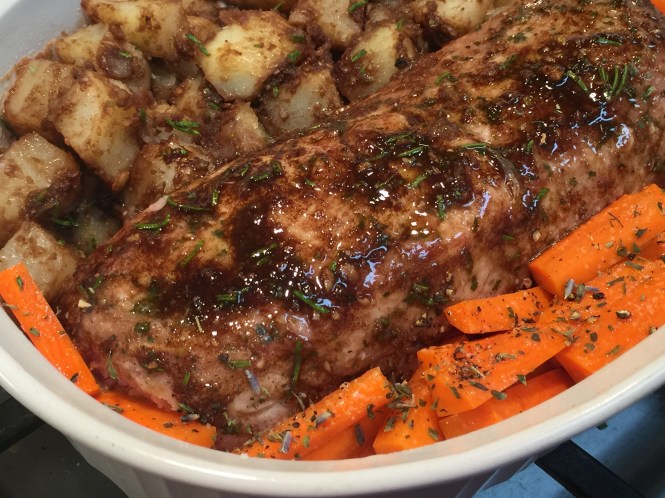
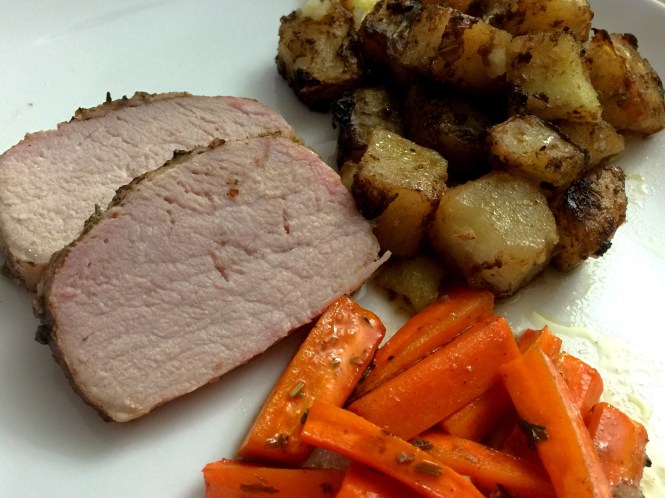
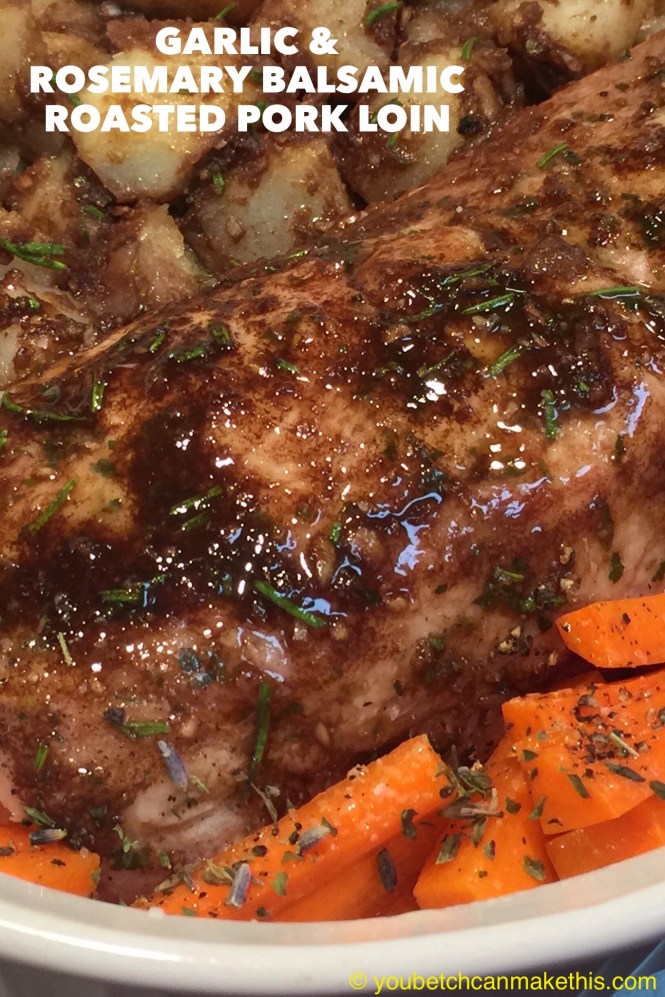
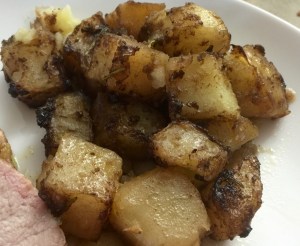 Lesson Learned 1: Slightly par boil your potatoes before roasting them: I don’t know about you but I’ve found that roasting potatoes can be tricky. I usually wind up with hard or semi hard potatoes that are not cooked through. In this recipe it is important to cut the potatoes as evenly as possible (mine were approximately one inch squares). Once I do that I put them in a pot with water, bring the water to a boil and boil the potatoes for about 5 minutes or just until they start to turn tender around the edges. Then I drain the potatoes and let me cool slightly in the strainer. I’ve found when I do this my potatoes come out perfectly when making this recipe. After I strain off the water I transfer them into a bowl so that I can coat them with the balsamic mixture before putting them in the roasting pan. It’s a little extra work, but definitely worth it.
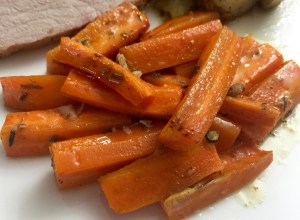 Lesson Learned 2 – This recipe roasts the carrots to crisp tender: Carrots are also tricky to cook and although I prefer mine to be crisp tender, some people prefer their carrots to be soft. If soft is your preference roasting them this way will not give you that consistency unless you either cut them into thin rounds or use small baby carrots. I cut my carrots into about 2 inch chunks, cut each chunk into half and then half again. This produced a somewhat softened crisp tender carrot, which I love.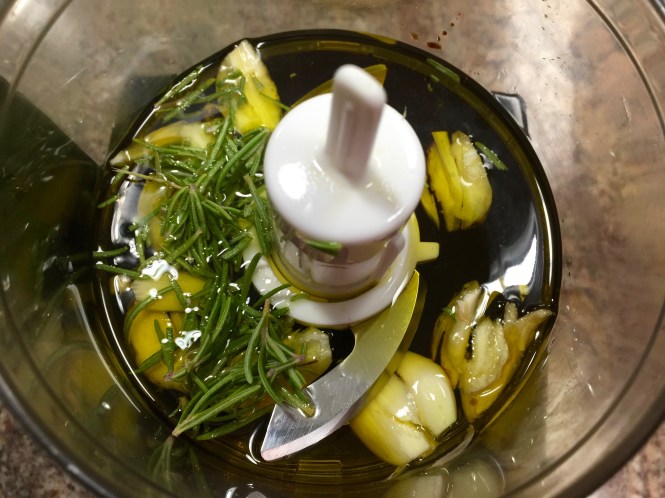
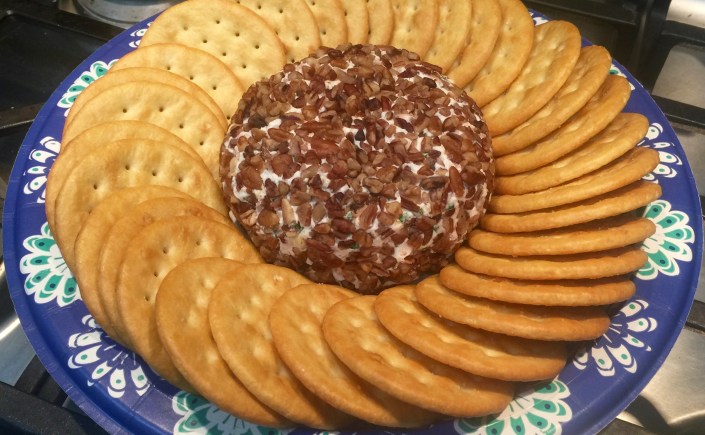
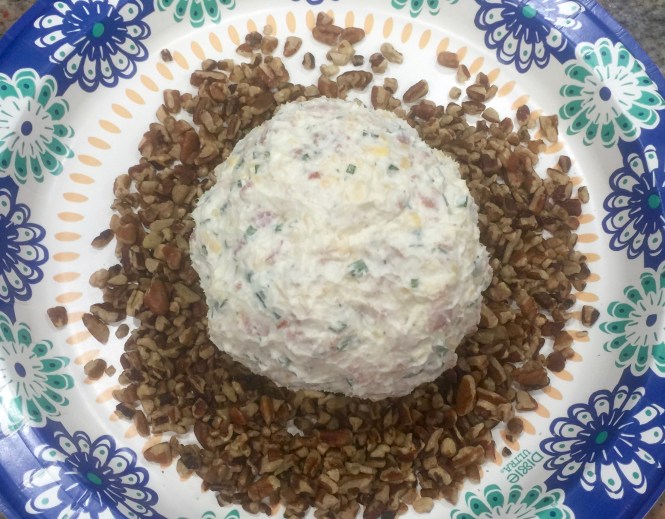
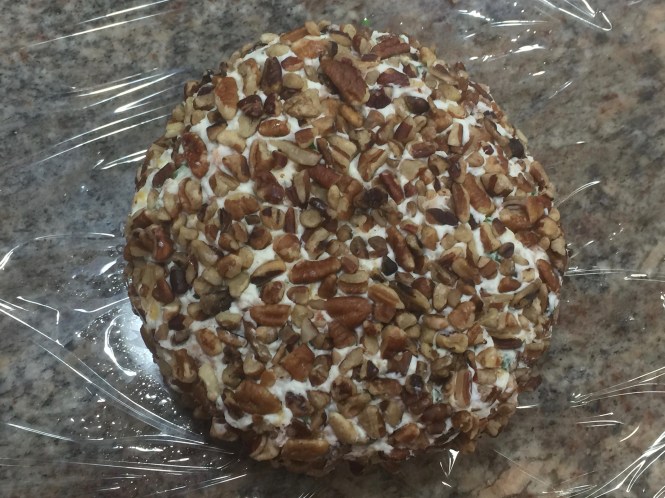
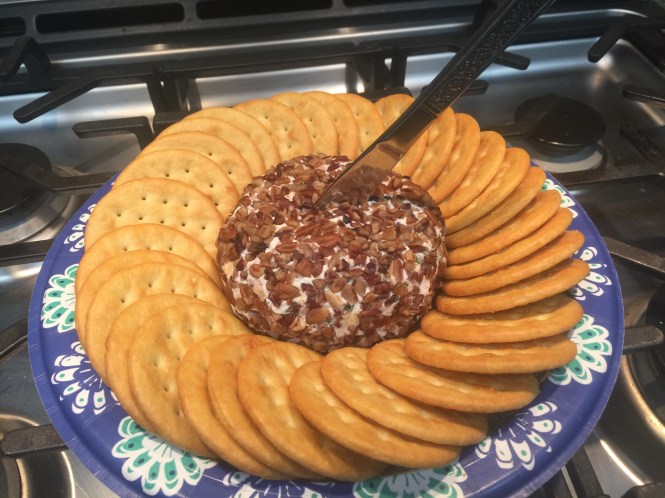
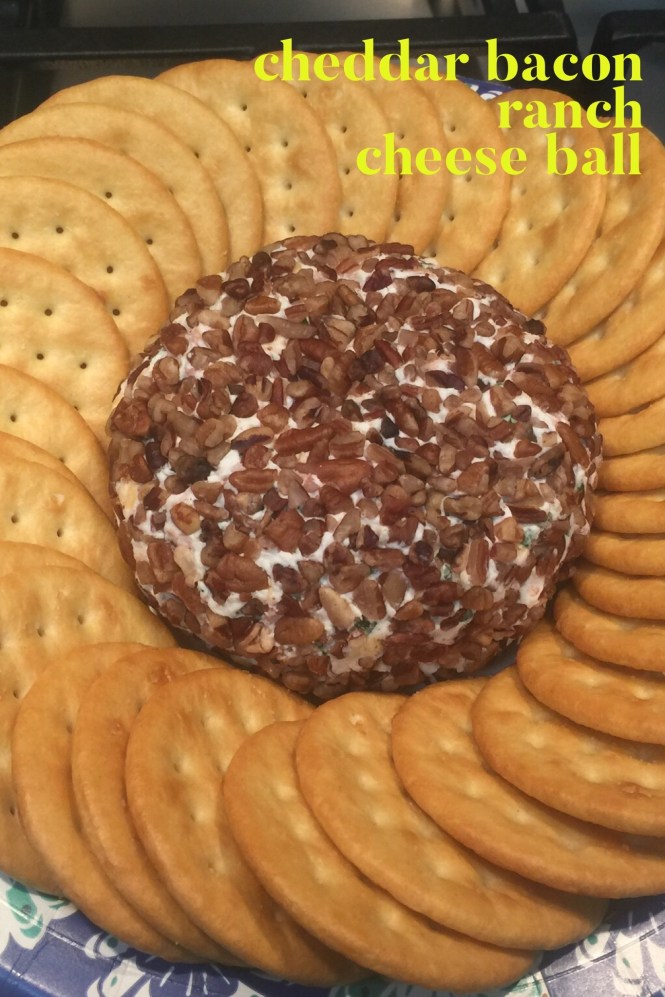
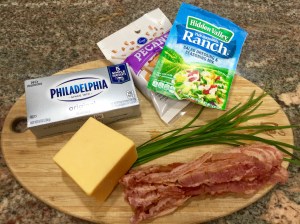 Lesson Learned 1: I found a great shortcut for adding bacon to recipes. The last time I was at the grocery store I noticed a package of Boar’s Head fully cooked bacon. It comes in a box and is not refrigerated. Inside there are two vacuumed sealed packages of cooked bacon with approximately 6 pieces per pack. One pack was perfect for this recipe. I avoided all of the grease and clean up associated with cooking bacon. Since then I’ve used it on salads and in other recipes. I love the taste and convenience of it. You may want to try some. It really makes putting together this cheese ball a snap.
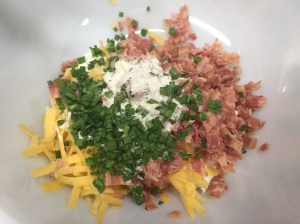 Lesson Learned 2 – Grate your own cheese versus using the packaged kind. Although I just touted the convenience of using precooked bacon, I don’t recommend using the grated cheese you get in a bag in any recipe. It may take a few seconds more to grate your own cheese but for flavor and health reasons I strongly recommend it.
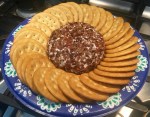 1- 8 ounce package of cream cheese, room temperature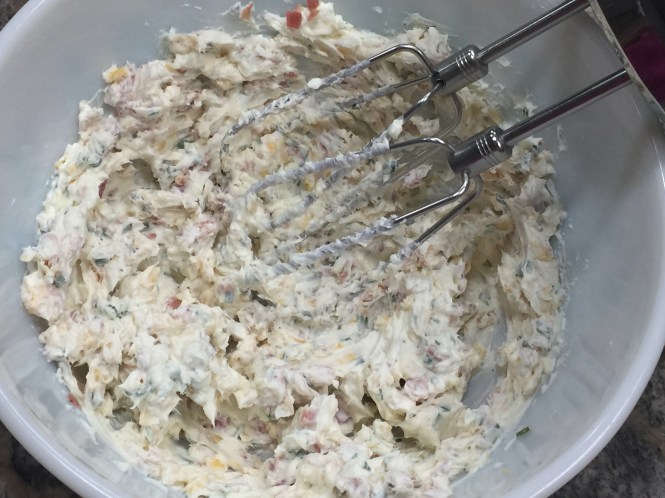
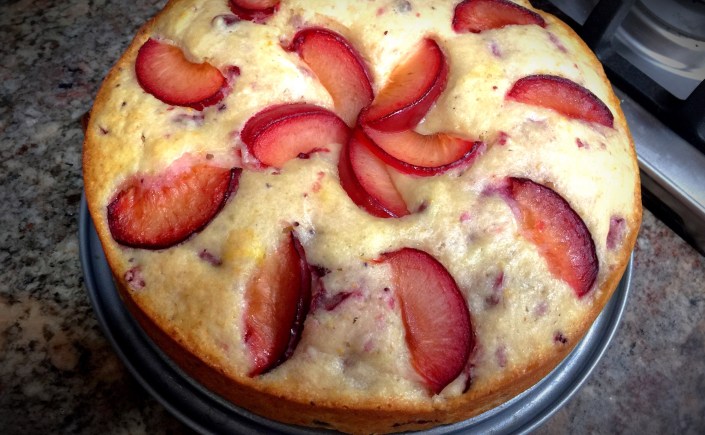
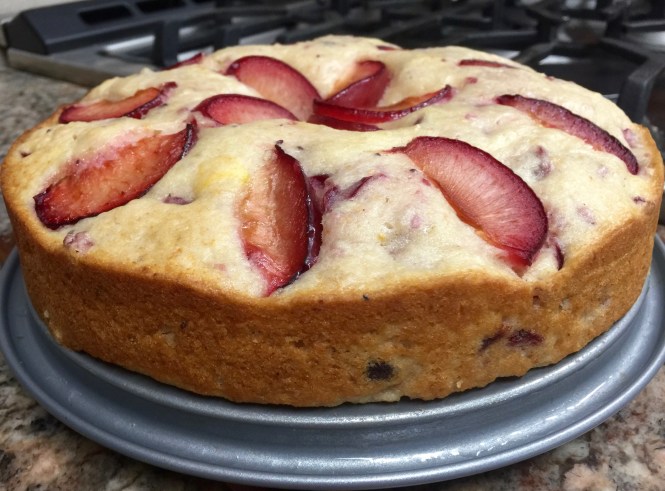
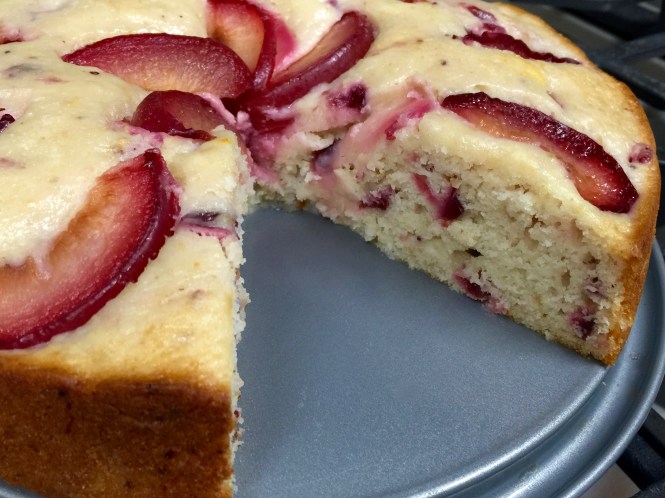
 Well, that is what this recipe is all about. I wish I could take credit for this but I can’t. I was at the grocery store looking for something to make, like a quick bread or muffins and I picked up this box of Krusteaz Cranberry Orange Muffin Mix. I looked on the back of the box to see if I could use this to make a quick bread and lo and behold on the bottom right hand corner was the recipe for this cake. All it required was a few extra ingredients, namely almond extract and fresh plums. The picture of the cake looked so good I just had to try it. Needless to say, it was fabulous and very easy to make so I felt I had to share it with all of you. Nobody has to know that this cake is semi-homemade.
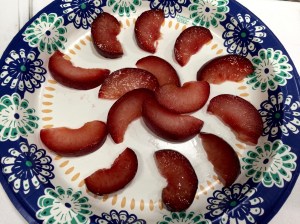 Lesson Learned 2 – Create the plum arrangement you want on top of the cake on a paper plate first: I found I had to play with the plums a little to create the arrangement I wanted. You don’t want to be doing that on top of the batter. I took a dinner size paper plate and created my plum arrangement on that. When it came time to put the plums on top of the batter I simply moved them from the plate to the cake just like I arranged them. It was a piece of cake, no pun intended!
 1 box Krusteaz Cranberry Orange Muffin Mix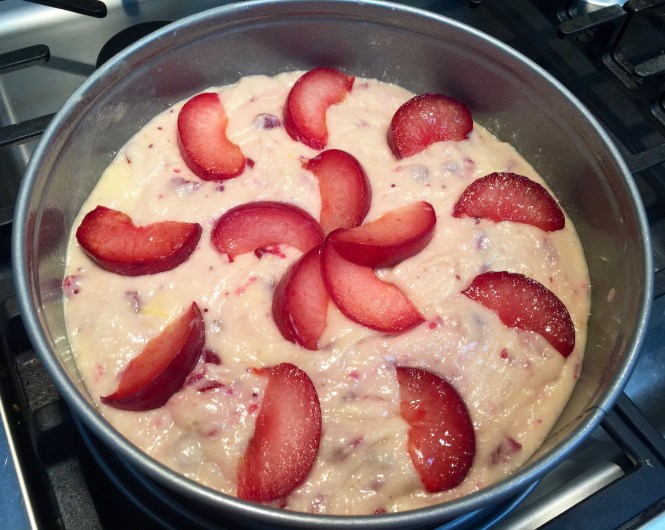


 1 8 oz. package of cream cheese, room temperature
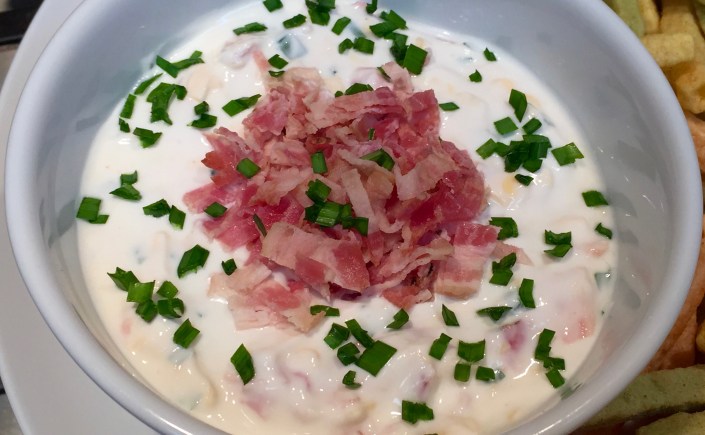
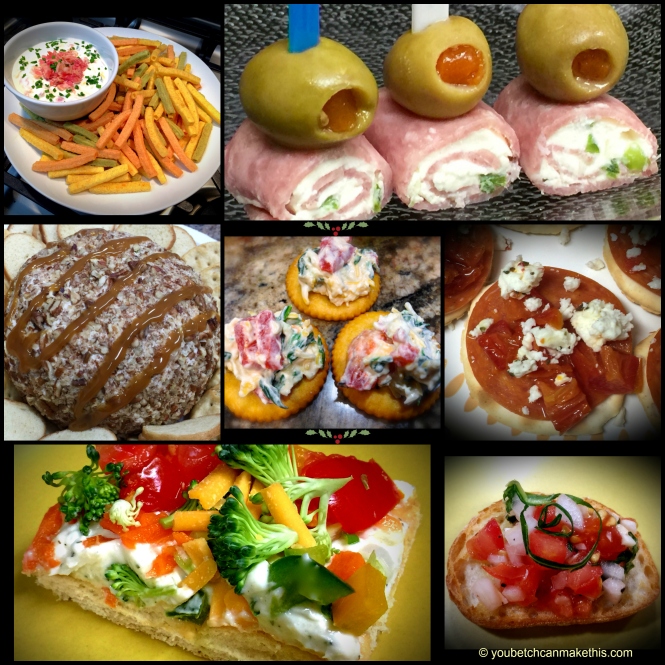
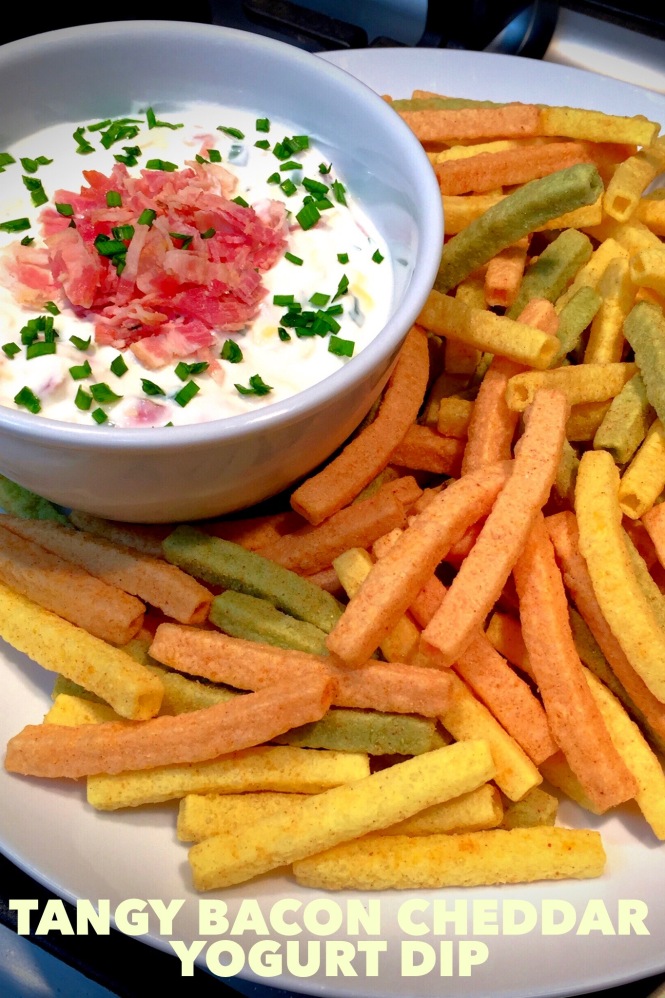
 I’ve had a lot of practice making appetizers this Summer as my condo association hosts a happy hour every Thursday and although you’re not obligated to bring anything I like to use it as my recipe tester event. So last Thursday I made this dip and it was a hit.
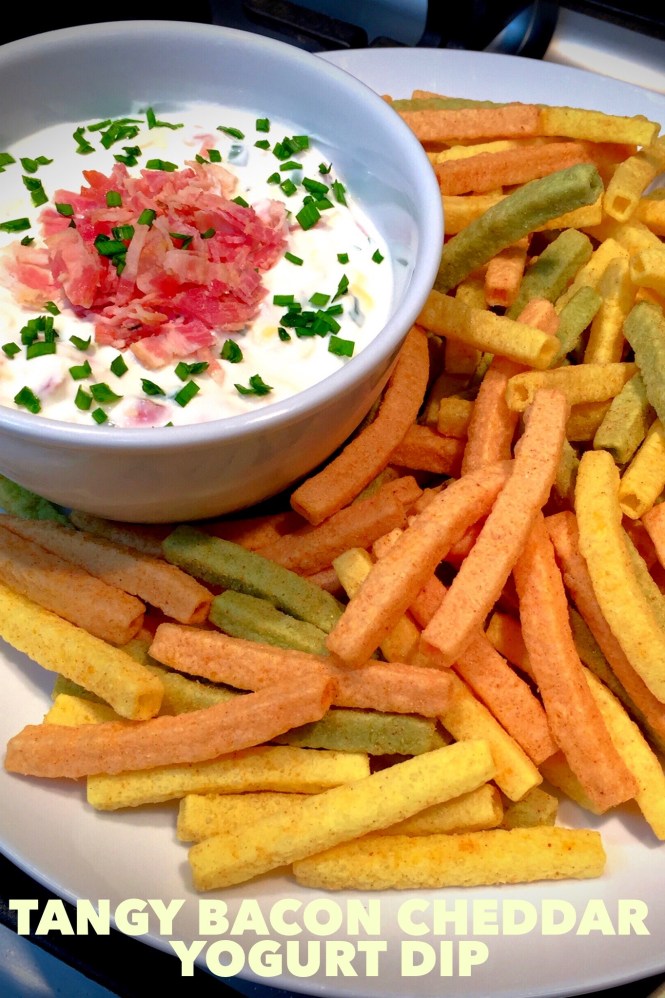
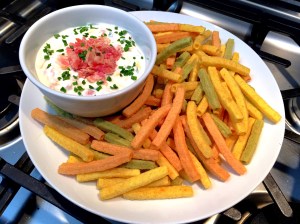 Lesson Learned 3: Serve this with veggie straws. I’m not sure how I got the idea to use veggie straws but they were the perfect compliment to the dip. I think people just get tired of the usual potato or nacho chips and this was a welcome change. They also lend themselves well to scooping some dip on the straw which makes this appetizer great finger food.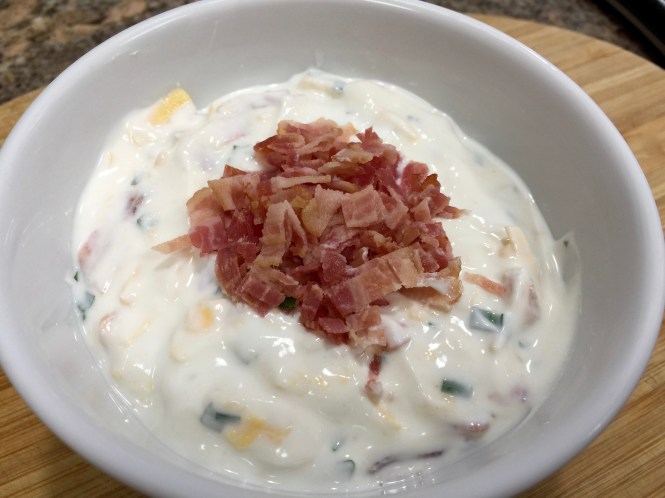
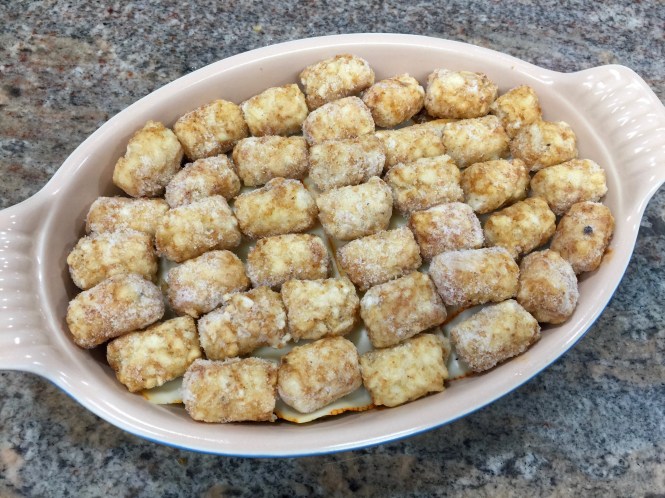
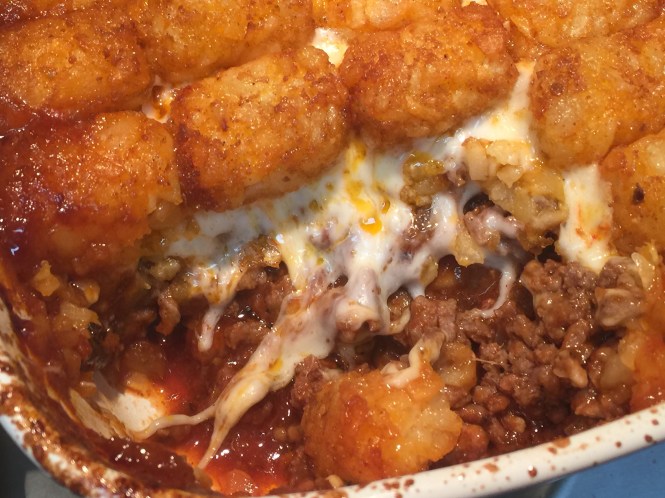
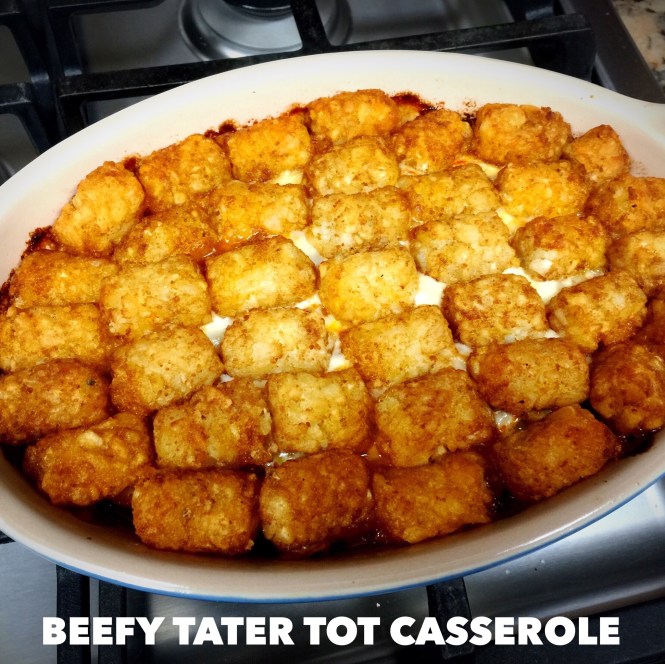
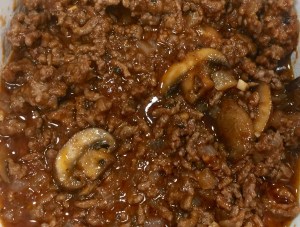 Lesson Learned 3 – Feel free to experiment with this recipe: Add ingredients to the ground beef that you and your family like. If you don’t like mushrooms, don’t use them. If you like sweet peppers, dice them up and use them. If you’re not a big fan of spicy don’t use the hot sauce. But if you want some real tang add some crushed red pepper to the beef. If you prefer pearl onions, add them. You can use cheddar cheese instead of muenster cheese (I find cheddar cheese to be somewhat greasy) or any melting cheese you prefer. The beauty is this recipe can be very versatile to include anything you enjoy.
 INGREDIENTS: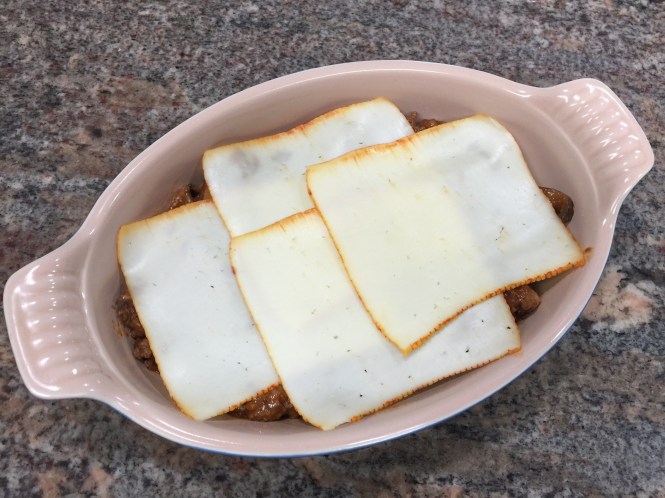


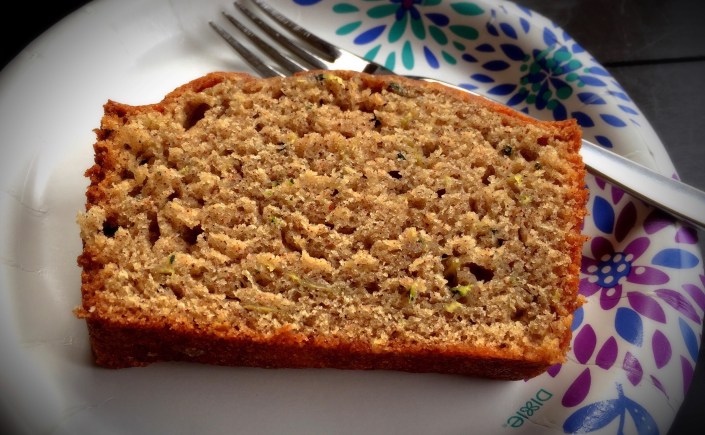
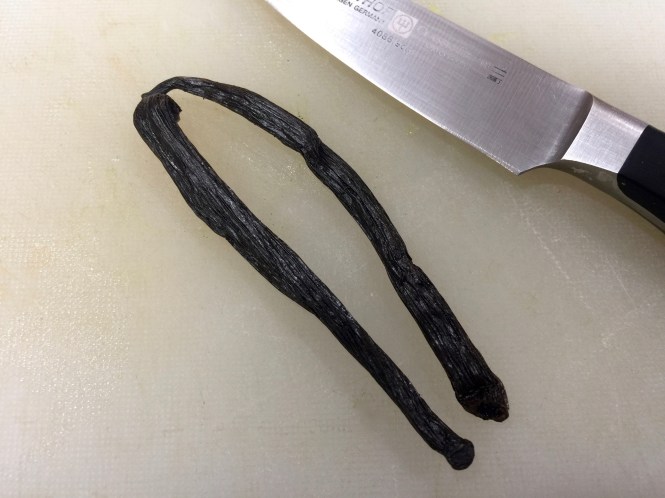
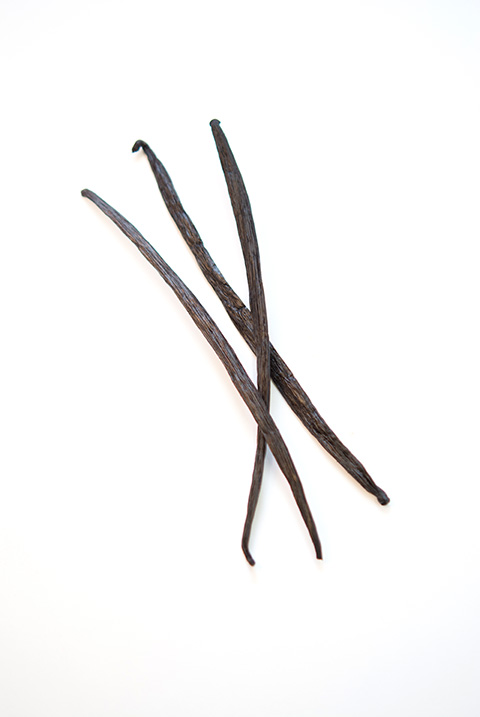
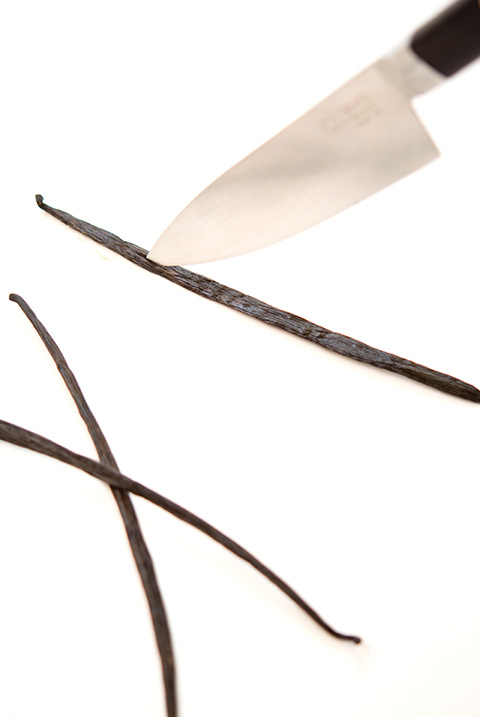
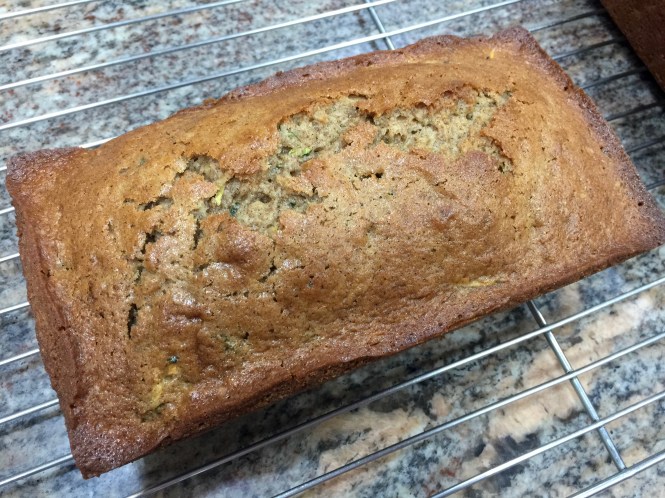
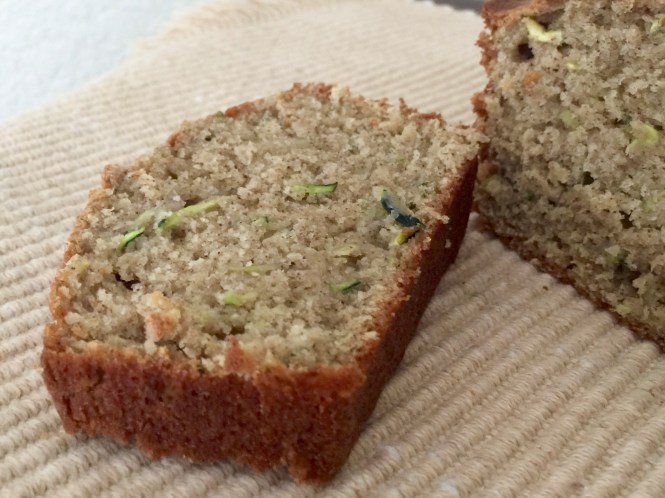
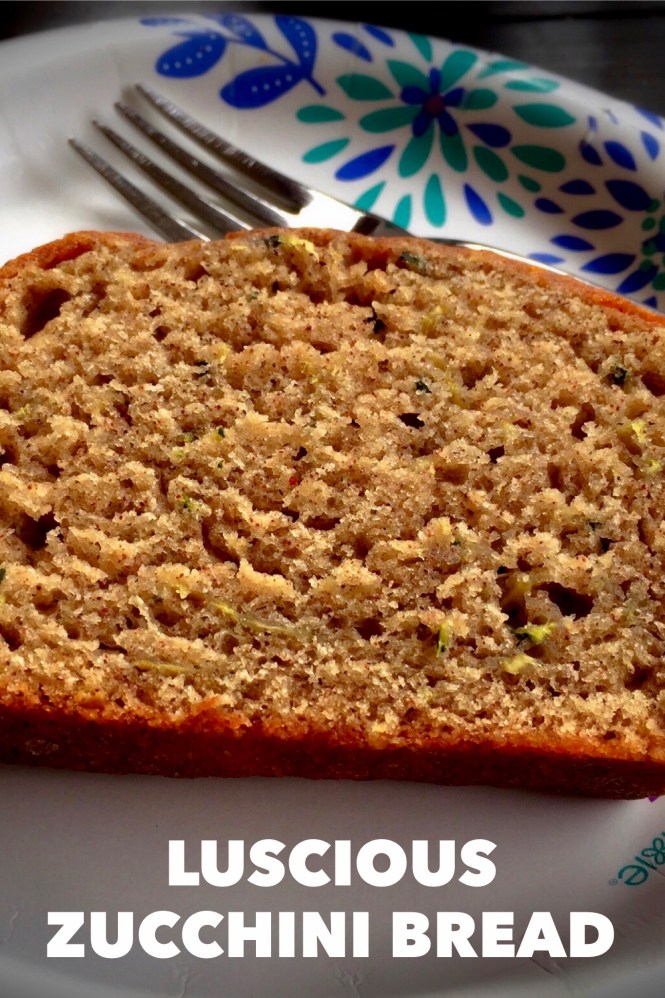
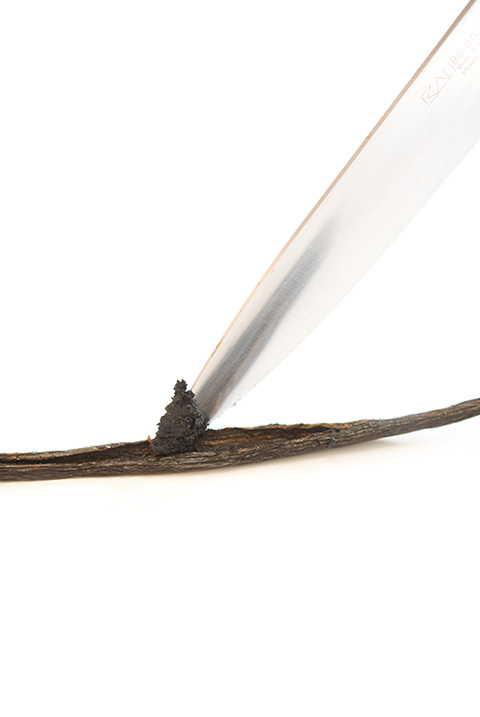 A whole vanilla bean will give you the equivalent of approximately one teaspoon of vanilla extract. Adding this to the two teaspoons of vanilla already in the recipe and it gives a wonderful but not over powering vanilla flavor to the zucchini bread. And that’s what makes it so luscious.
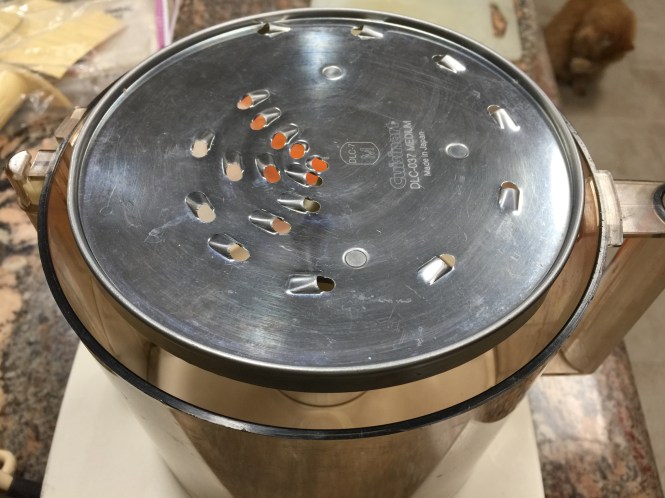
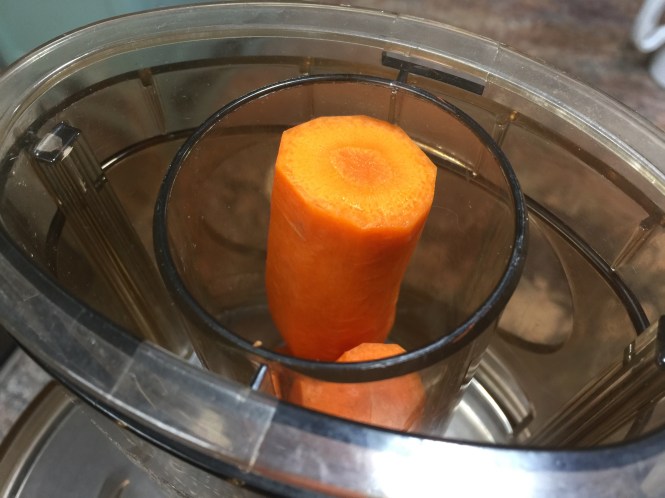
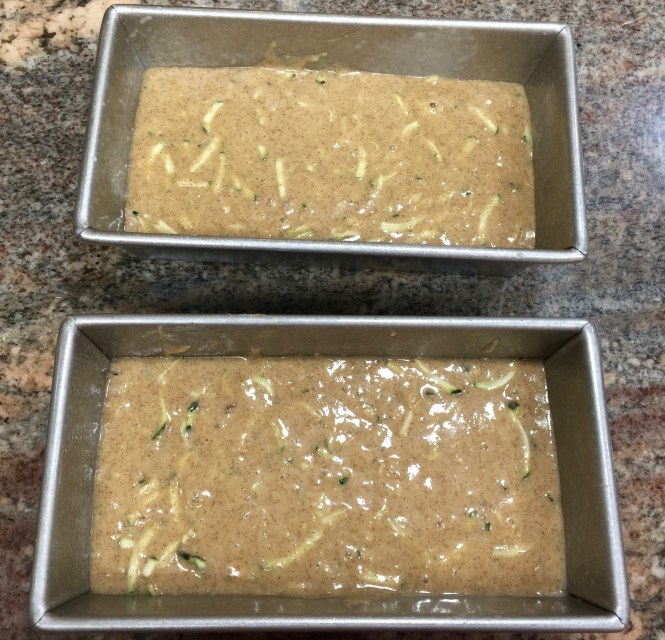
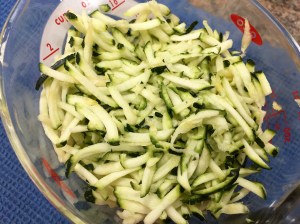 Lesson Learned 2 – Use a food processor to shred the zucchini: Although you can use a box grater, a food processor is a faster and easier way to shred the zucchini for this recipe. One medium to medium-large size zucchini will give you the two cups needed to make the bread. The food processor shreds the zucchini to just the right size so there are small strands in the bread. You don’t want to the zucchini shreds to be too big. They are designed to add moisture to the cake without providing any noticeable flavor. Also, make sure to pat down the zucchini shreds in your measuring cup. You want them slightly compacted.
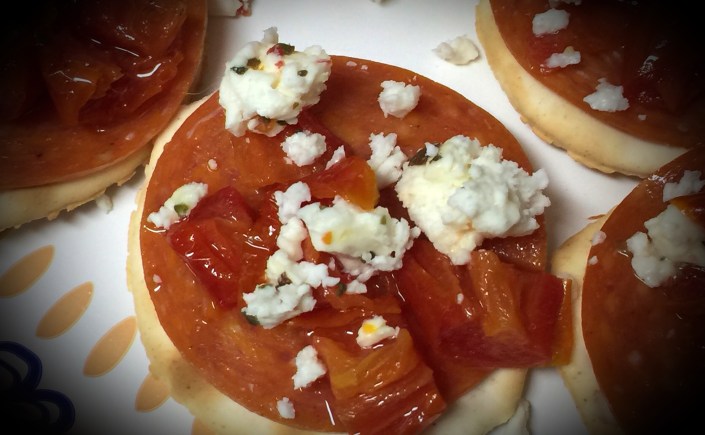
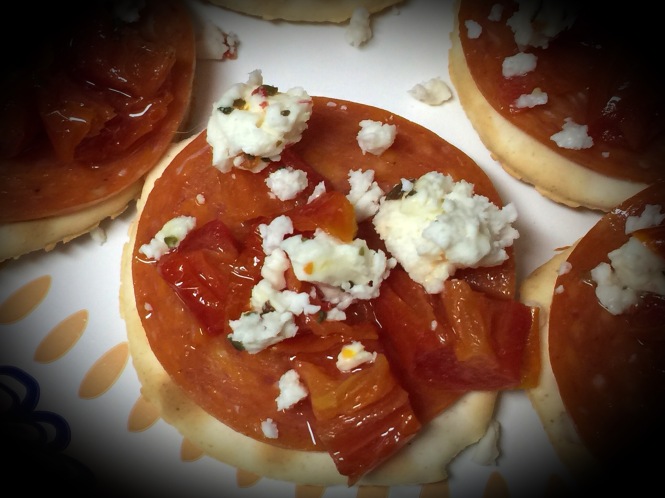
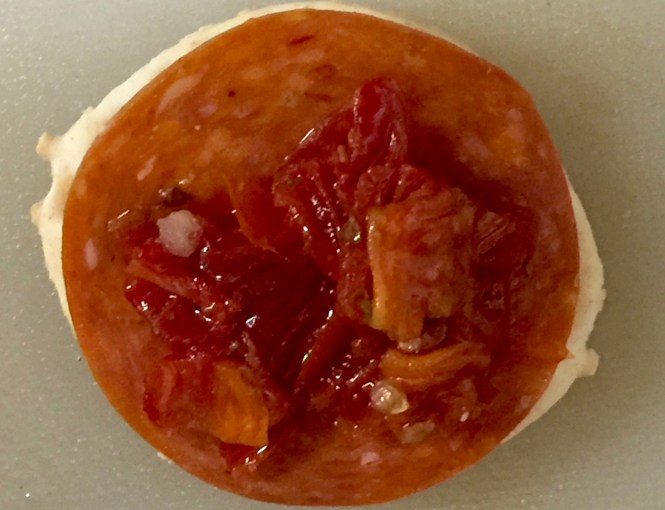
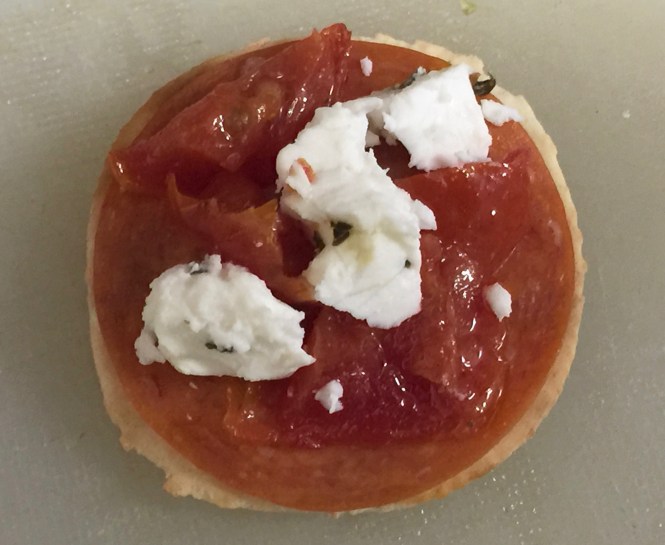
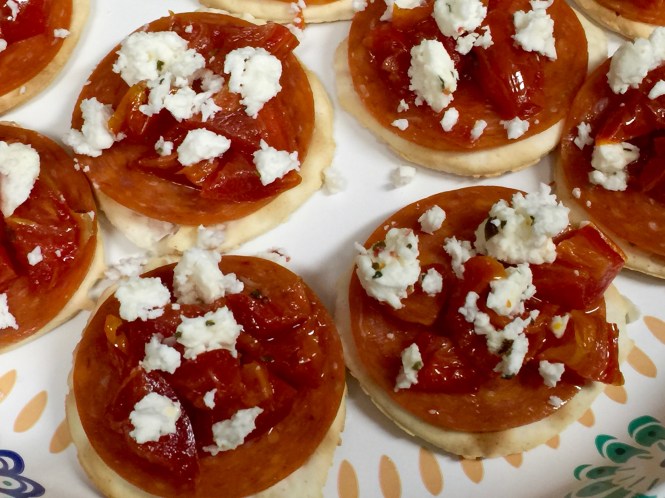
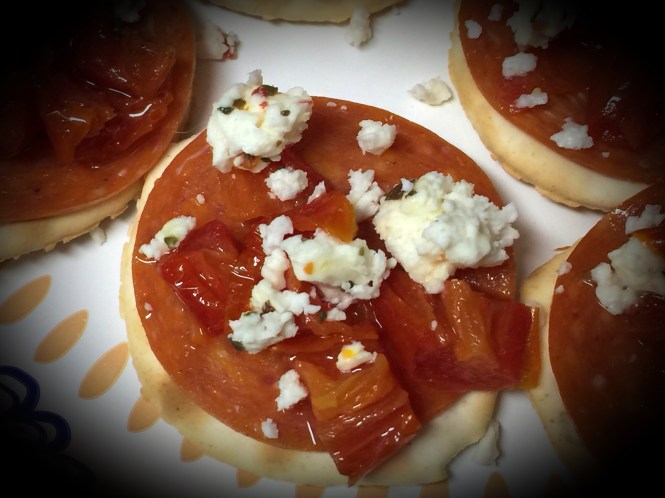
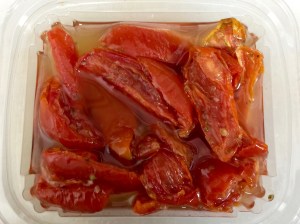 Lesson Learned 2 – I used pre-made roasted tomatoes: In the specialty cheese section I found some roasted tomatoes marinated in garlic olive oil. Bingo! The package had about 7 ounces of roasted tomatoes that I diced up and put on top of the pepperoni. It was fabulous. If you can’t find them pre-made you can roast tomatoes yourself and then let them marinate in some olive oil. You’ll still get the same result. But this was a whole lot less work and gave the bites a great flavor!
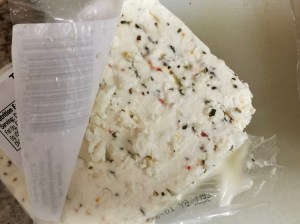 Lesson Learned 3 – I used a specialty feta cheese: You can certainly use plain feta cheese but I found a roasted pepper and basil feta cheese and I decided to use that. What I liked about this choice was that it added the flavor of basil to the appetizer without having to use basil leaves. You could certainly use basil leaves as well. If you do I would put the basil leaf on top of the pepperoni and then put the tomatoes on top of that. That way the leaf is secured. The great thing about this appetizer is that you can be creative and it will still be fabulous!
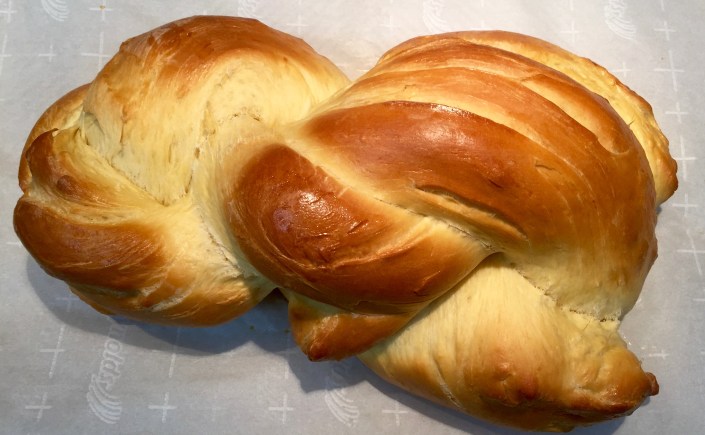
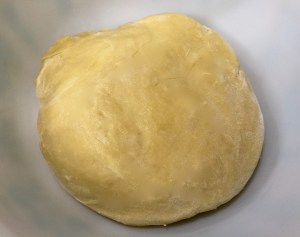 Lesson Learned 1 – Learning how to know when the glutens in the dough have been developed properly: This was the biggest take away for me from the cooking class I attended. I learned you can underdeveloped, develop and overdevelop the glutens in your dough. Underdeveloped glutens will give you a heavy dense dough that may fall in on you when you bake your bread. Overdeveloped and your bread will be too dry.
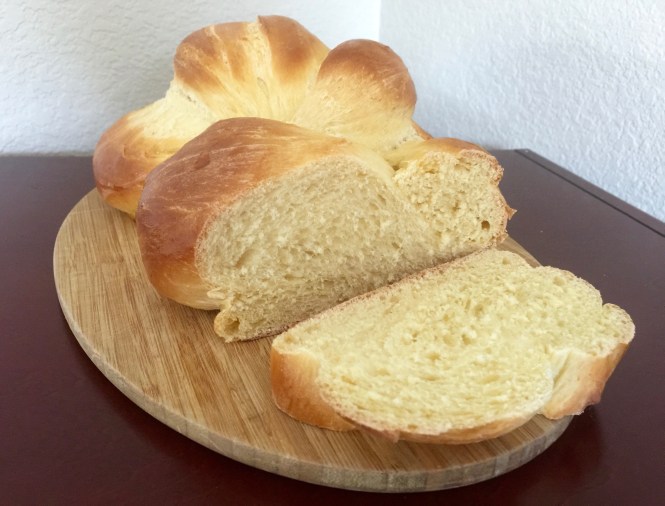
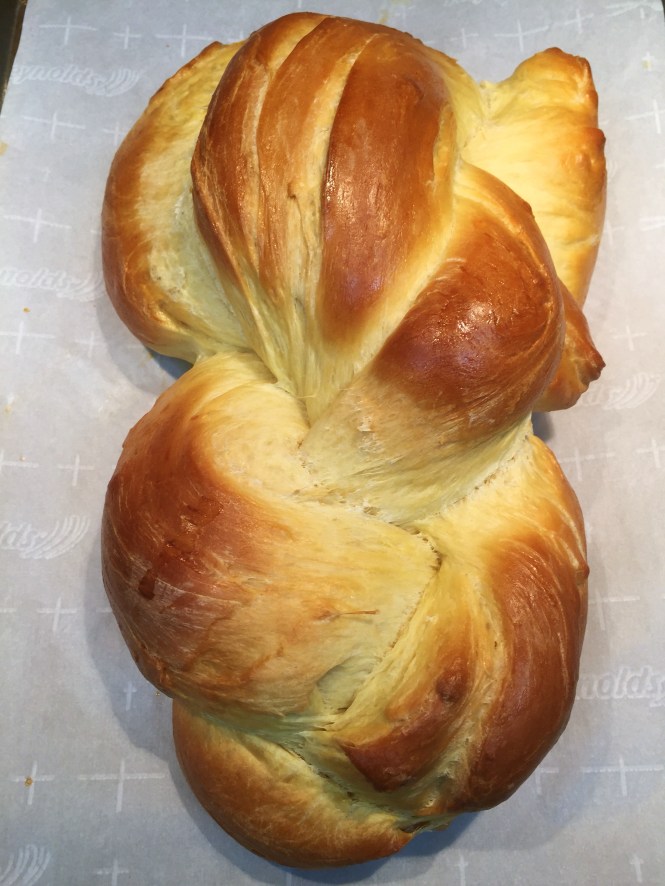
 Lesson Learned 5 – You can separate your dough into as many strands as you want for braiding: I did a traditional 3 strand braid. You braid it just like you braid hair. The picture to the right shows my strands. In hindsight I should have made the bottom one thinner and all the strands more even in size. In the end it really didn’t hurt anything as you leave the braided bread to rest on a parchment paper lined cookie sheet for at least an hour and the dough rises and sort of fills itself in.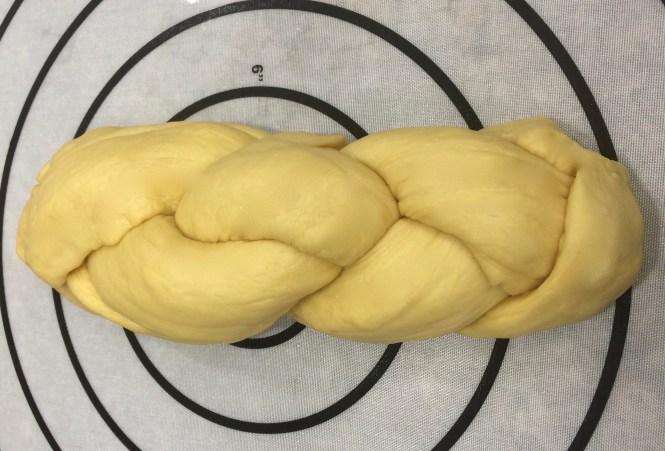

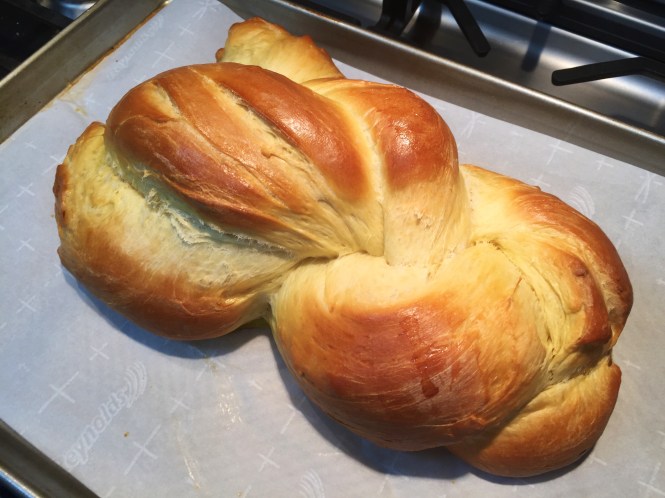
 Lesson Learned 1 – This is a great way to use some of the homemade pesto you’ve made from growing basil: pesto is what adds zip to this recipe and homemade pesto is the best. If you don’t have your favorite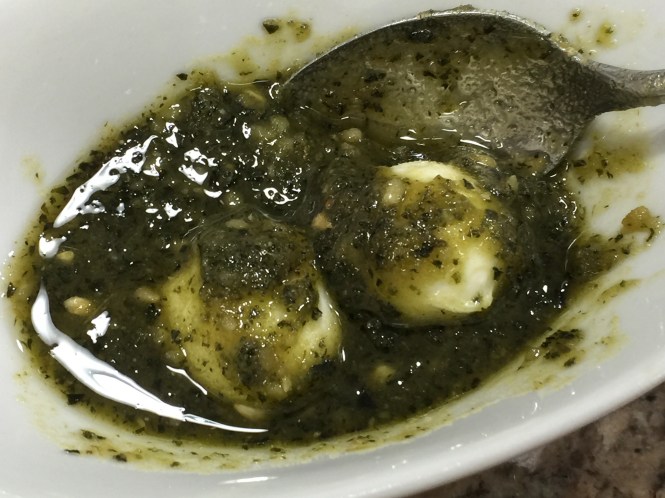
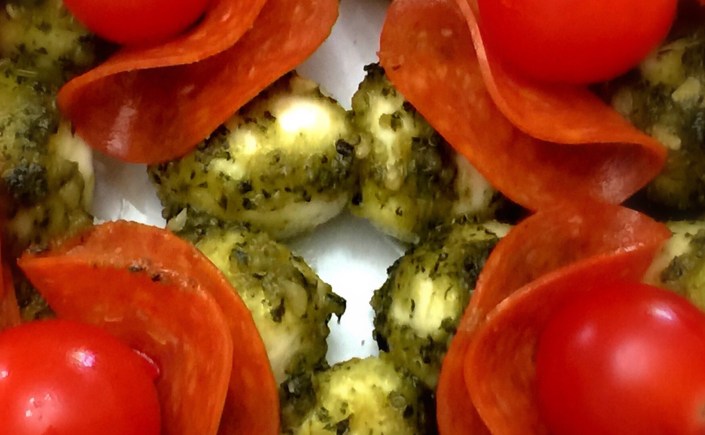
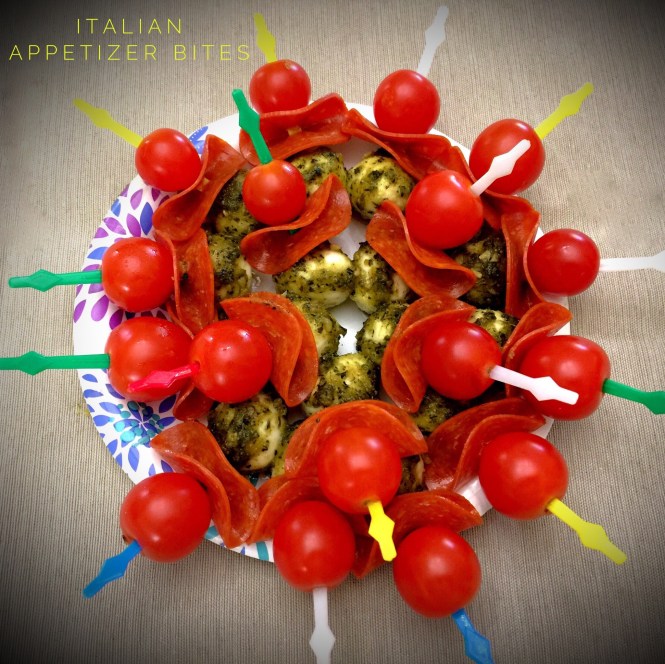
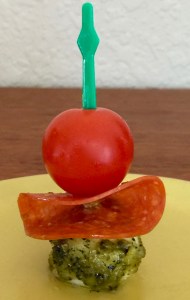 Lesson Learned 2 – If you want to serve these standing up versus lying down you will need to cut a flat surface on the bottom of each mozzarella ball: I learned this lesson the hard way. I started assembling the skewers and found that they would not stand straight. The round bottom of the ball prevented them from doing so. I tried pushing the bottom flat but that didn’t seem to work so I started cutting the bottoms off the balls and then figured out that I liked the presentation of the skewers better with the skewers lying on their sides. So I opted to serve them lying on one side versus standing up. There is no right way to serve these, but I found that serving them on their side created quite an impressive looking appetizer as you can see from the picture below…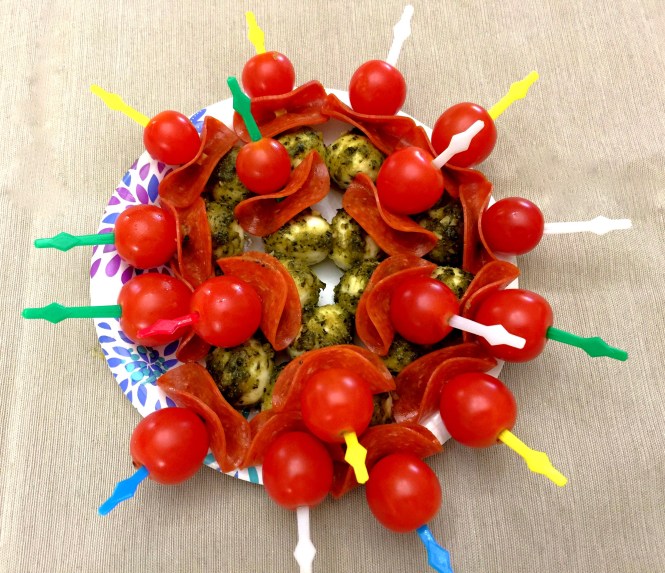
 1 small container of cherry tomatoes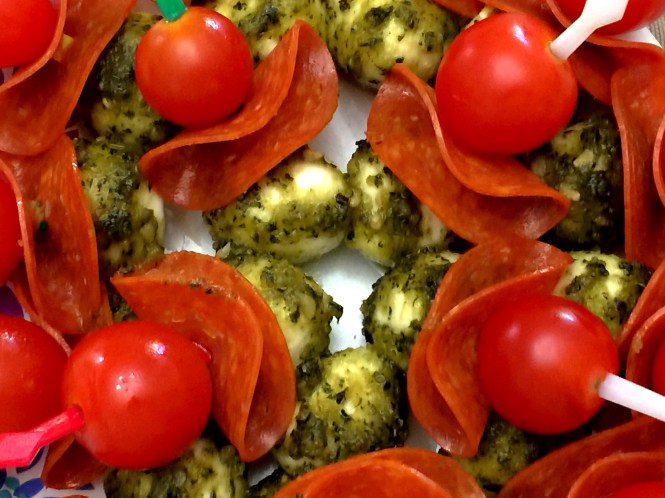
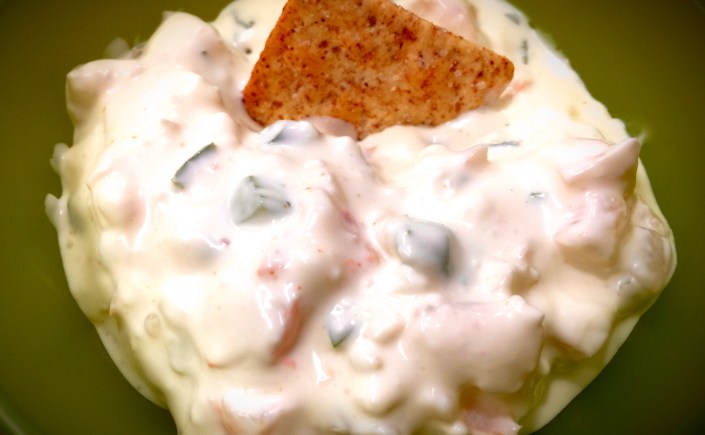
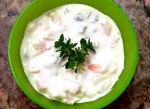
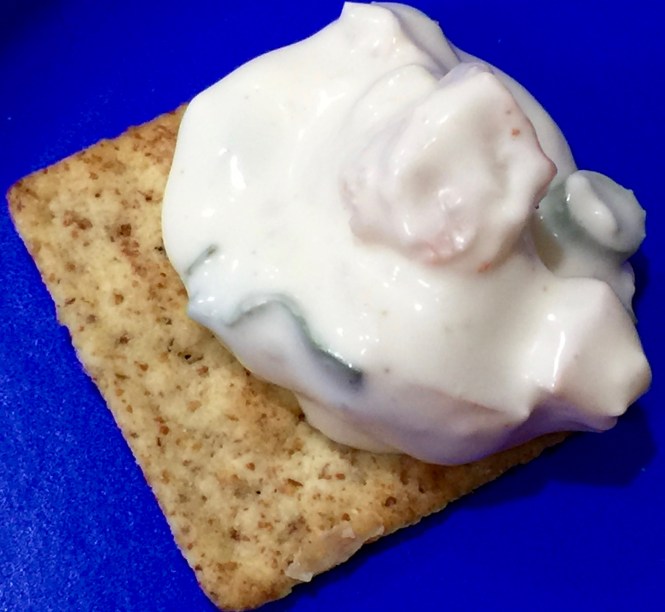
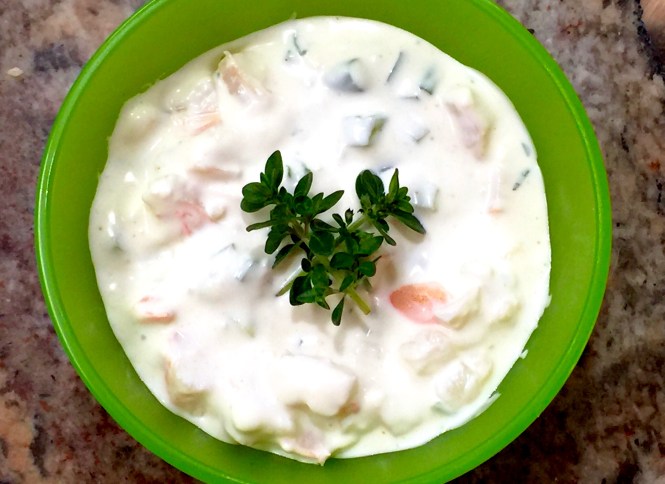
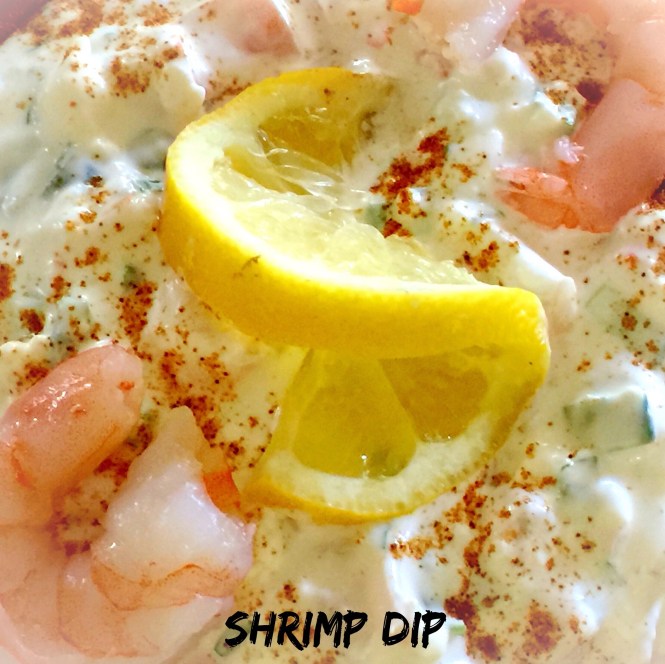
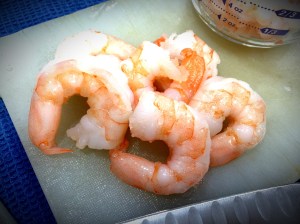 Lesson Learned 1 – Use LOTS of shrimp: I used a 12 oz. bag of frozen cooked and deveined shrimp. I thawed the shrimp in the refrigerator overnight and then chopped it up into small bite sized pieces. I kept a couple of shrimp to garnish the top of the dip (of course you don’t have to do that) and all the rest went into the dip. My point being this is a shrimp dip – the more shrimp the better.
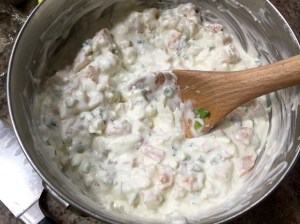 Lesson Learned 3 – If you can, make this recipe the day before: Like almost any dish, the more the ingredients are acquainted directly relates to upping the wow factor of the flavor. So it is with this dish. It is such an easy dish to make that it shouldn’t be too difficult to make it the day before and let it sit overnight in the refrigerator. But if you’re in a rush and need something quick, you can serve this the same day and it will still be very good.
 1 – 8 oz. package of cream cheese, room temperature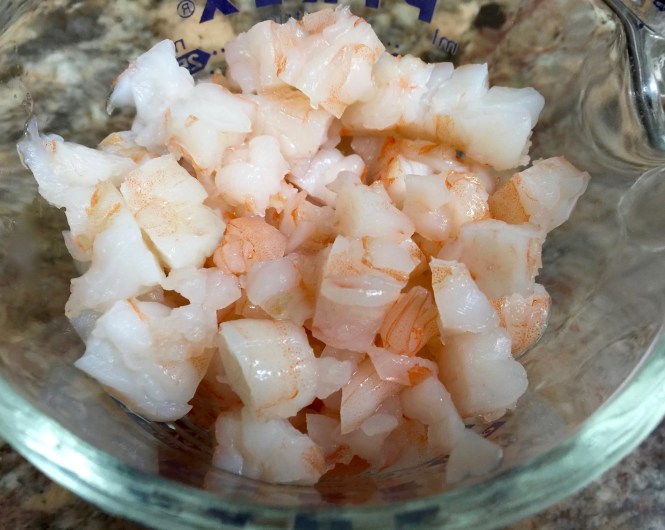
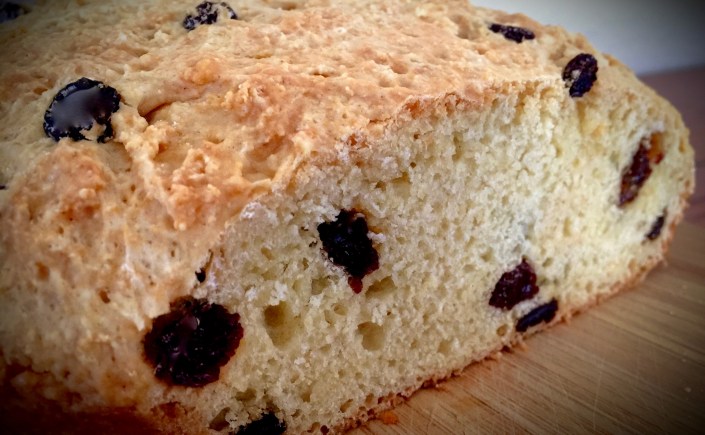
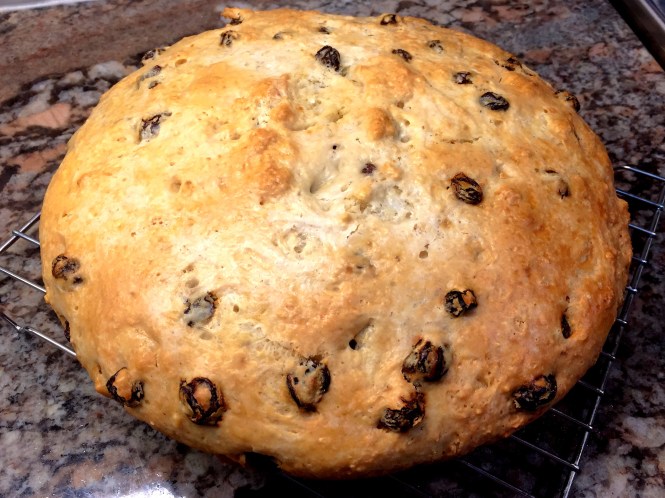
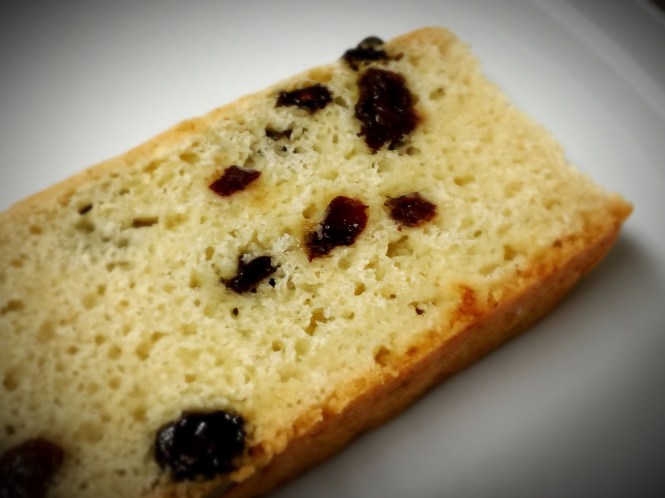
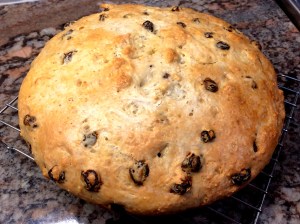 I’ve tasted many iterations of soda bread over the years and, to be honest, most of them were less than stellar. There was only one other time that I can remember having fabulous soda bread. That was when I was working at the Chicago Park District and one of my co-workers, Carol Diver, brought some to work. Carol was Irish through and through with an infectious laugh and a heart as big as all outdoors. And her soda bread was to die for. Unfortunately Carol is not longer with us and I’d never asked her for her soda bread recipe. But from then on, her soda bread was the standard to which I held all others. As time went on none would ever compare, until now.
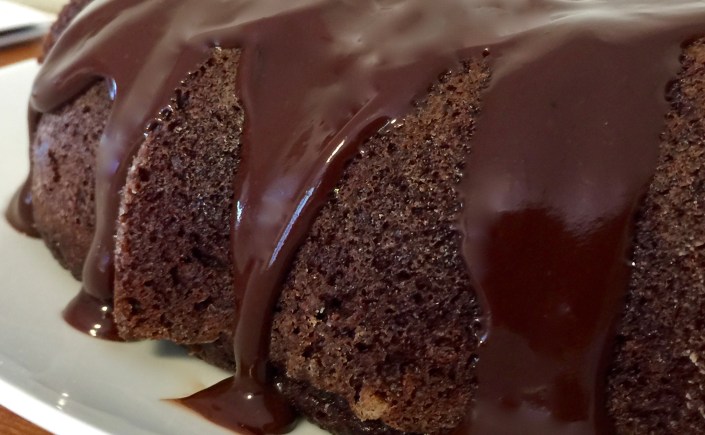
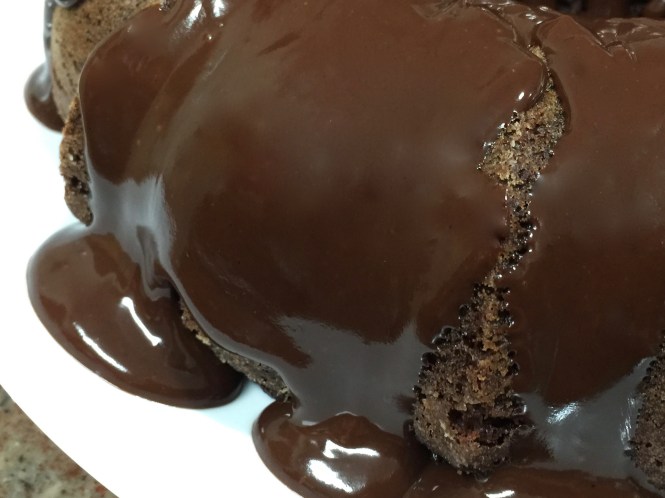
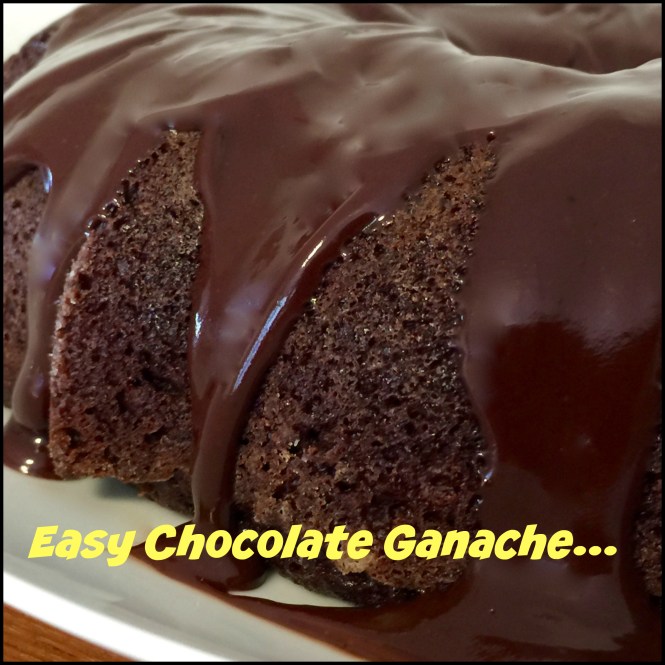
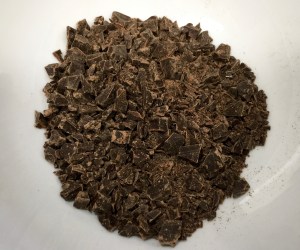 Lesson Learned 1 – There are many ways to make ganache: I am going to share with you the simplest way. The ratio is easy to remember 1:1. Use as many ounces of heavy cream as semi-sweet chocolate. It couldn’t be easier.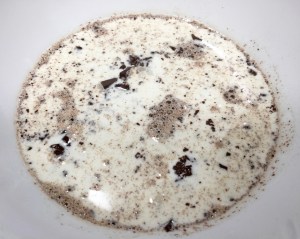
 4 ounces semi-sweet chocolate squares cut into small pieces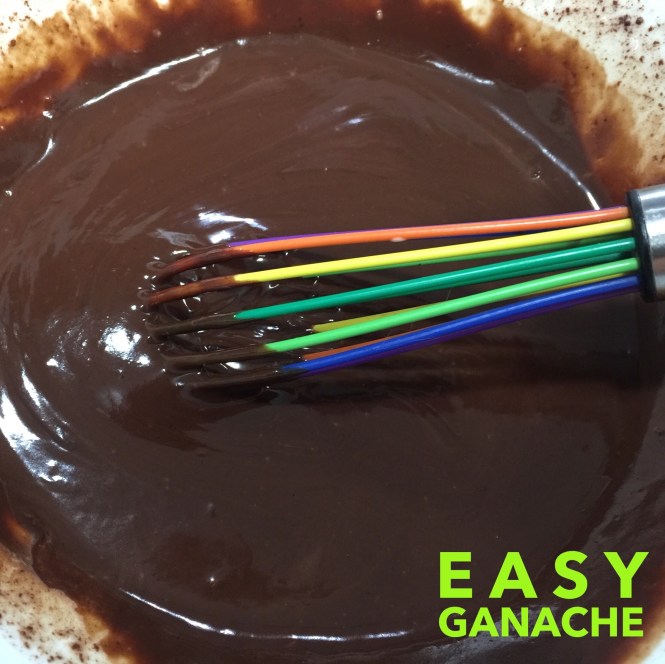
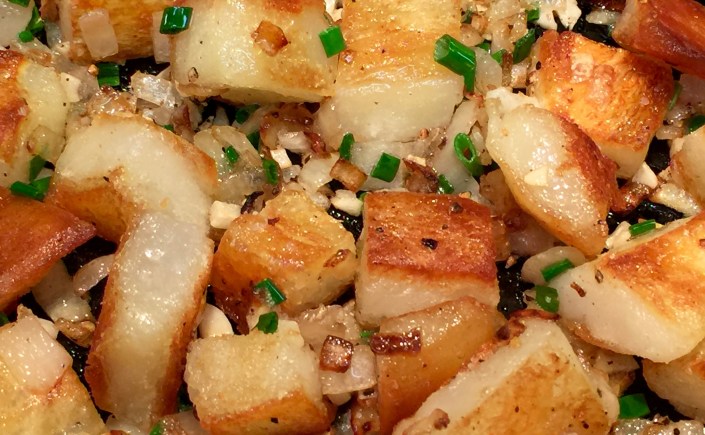
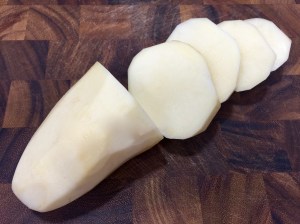 Lesson Learned 1 – Make sure to cut the potatoes to the correct size: For the purposes of this recipe you need to keep the pieces close in size (approx. 3/4 inch pieces). Here’s a little trick to help you achieve that. Using your chef’s knife cut a thin slice off of one of the longer sides of a peeled potato. Set the potato on the cut side and slice crosswise into even planks. Stack several planks and cut crosswise. Then rotate and cut crosswise again. This will give you evenly sliced potatoes.
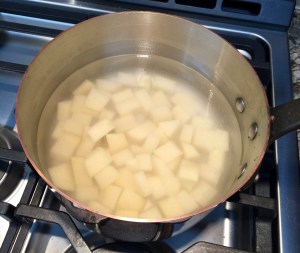 Lesson Learned 2 – You can cook the pieces of potatoes two different ways, on the stovetop or in the microwave: (I will include both methods in the recipe printout). I chose to cook them on the stove. The process is not much different than making mashed potatoes. The only difference is you want to monitor the potatoes as they boil to make sure they don’t get overly soft, otherwise they’ll break apart. You want them to hold their shape. I would boil them for about 7-10 minutes and check their consistency. If they are still hard, check every couple of minutes until they are just becoming fork tender.
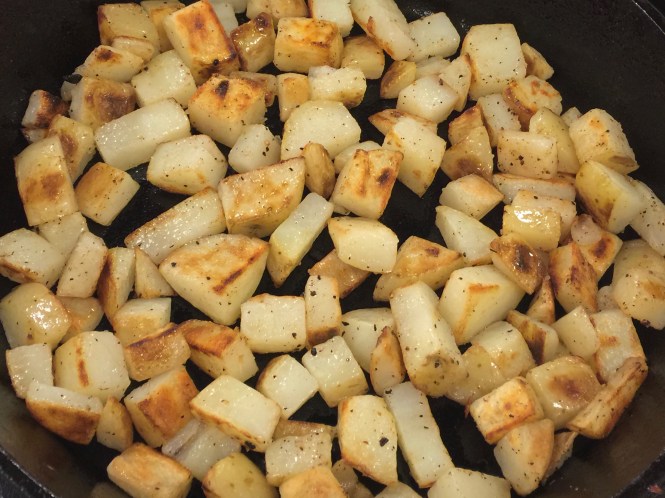
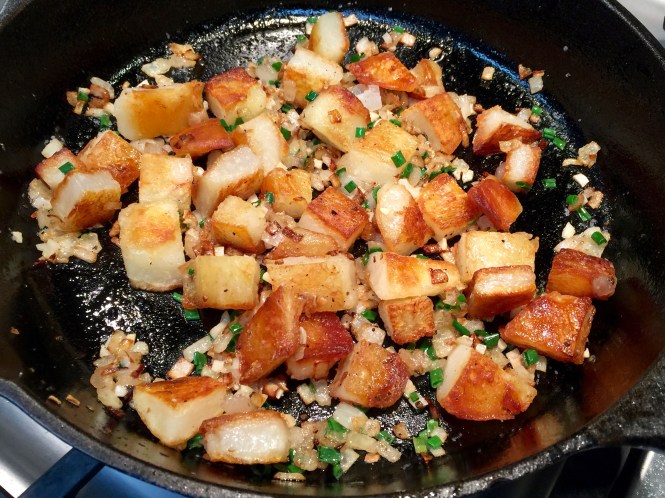
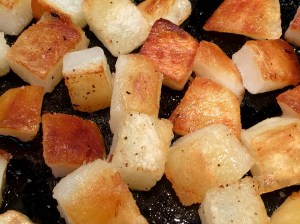 Lesson Learned 5 – Don’t continuously move the potatoes once they are in the skillet: In order to get the potatoes nice and brown you have to let them sit for a while in the skillet. The whole browning process can take about 20 minutes and you don’t want to be flipping the potatoes continuously during that time. If you want to check to see if they are ready to flip, turn one of the pieces or look on the sides of the pieces to see if the bottoms have started to to turn color. You’ll get a much better result if you are patient during the browning process.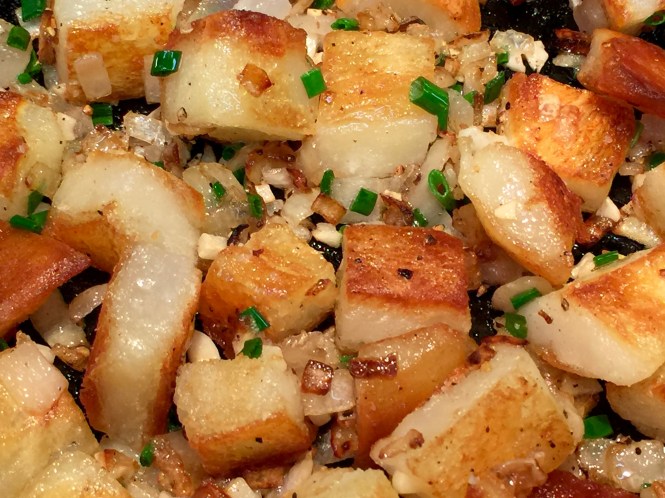
 2 large russet potatoes, peeled and sliced into 3/4 inch cubes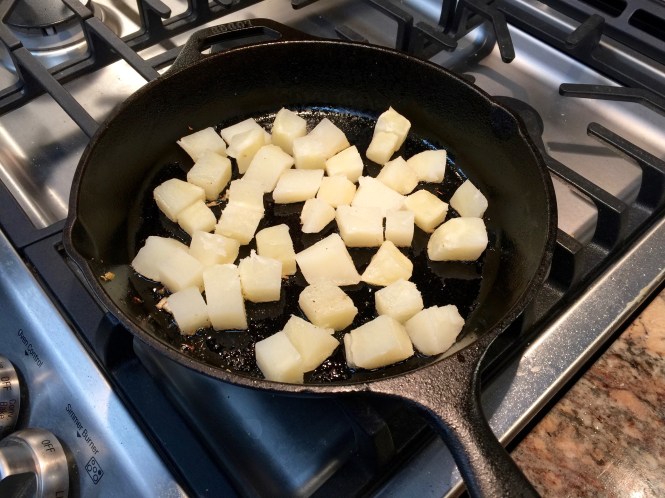
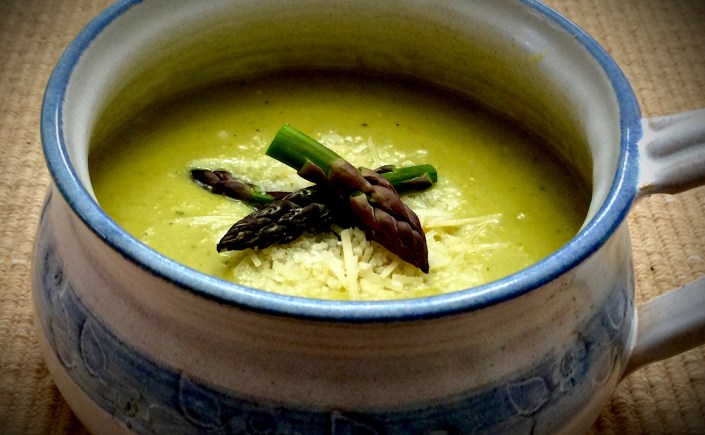
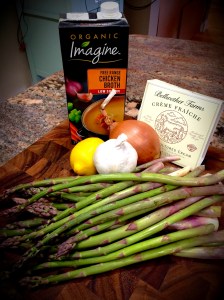
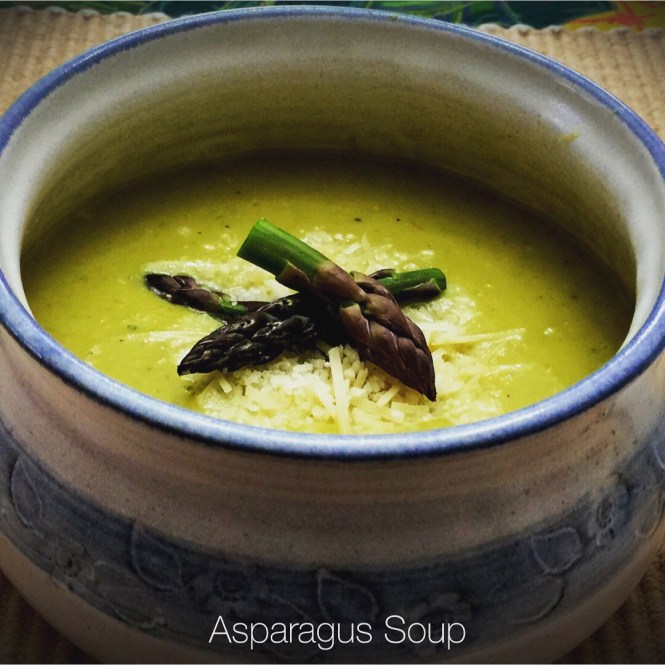
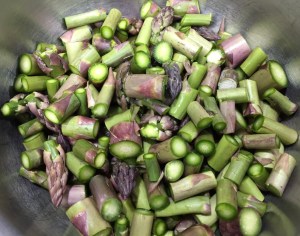 Lesson Learned 1 – Learn what parts of the asparagus spears you can use: Quite often you’ll see on television the way to trim asparagus is to bend it and where it breaks off is where you should trim your bunch. I’ve found that sometimes that wastes too much asparagus especially if you’re making soup. I learned early on that even with a very sharp knife, there can be a part of the spear that will very hard to cut – you almost always have to use two hands pressing down on the knife to cut it. That is the part you want to throw out. That still leaves some of the tougher parts of the asparagus, but as long as a knife will go through it without a lot of force you can use it in the soup. Keep in mind that soup is designed to use as much of the asparagus spear as you possibly can so don’t be afraid to use some of the tougher parts of the spear. As long as you can cut through it without a lot of force it will be perfectly fine for the soup.
 3 Tbs. butter, separated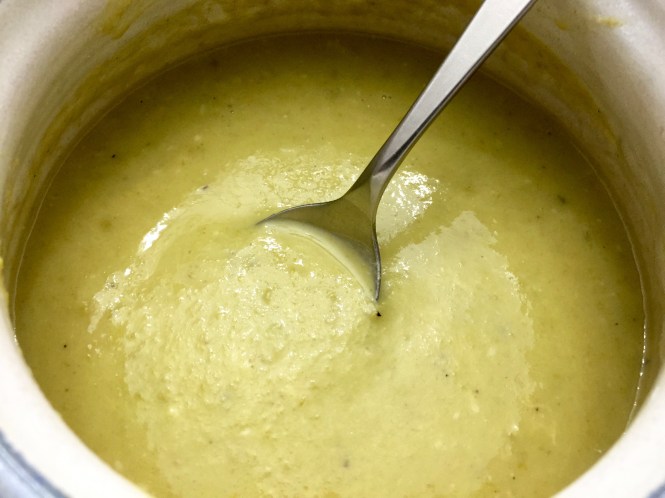
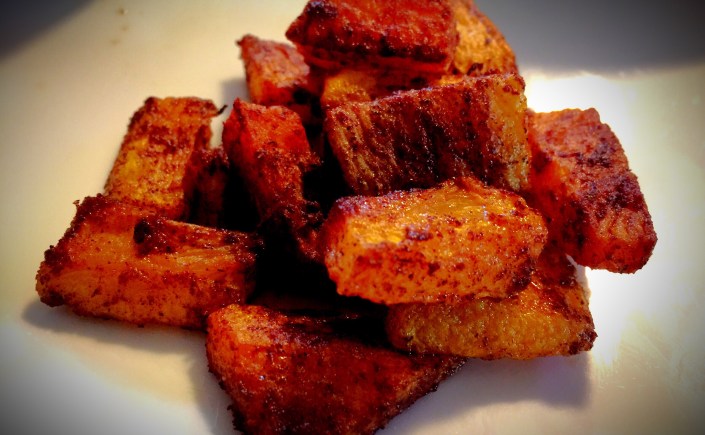
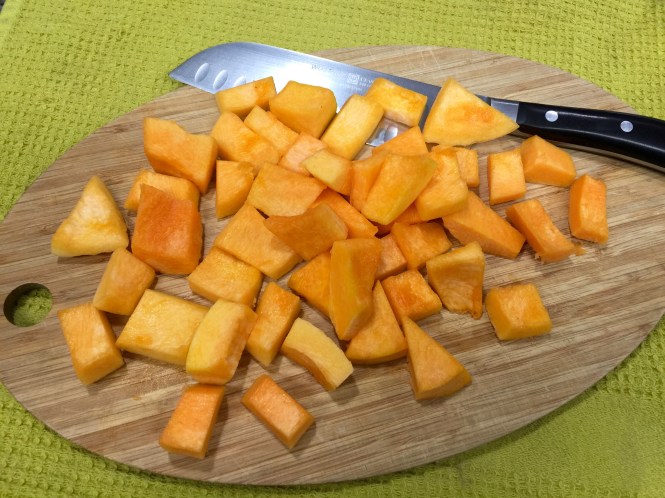
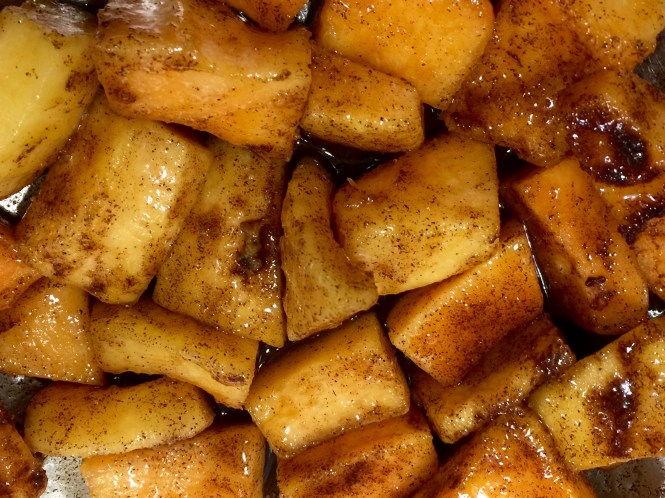
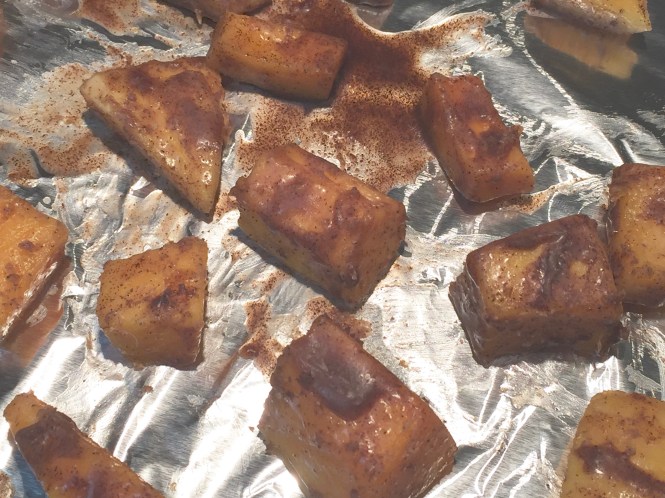
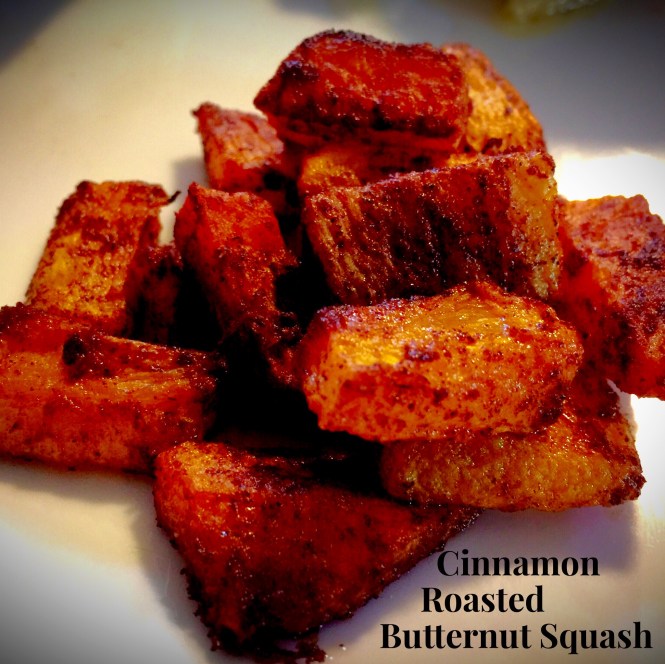
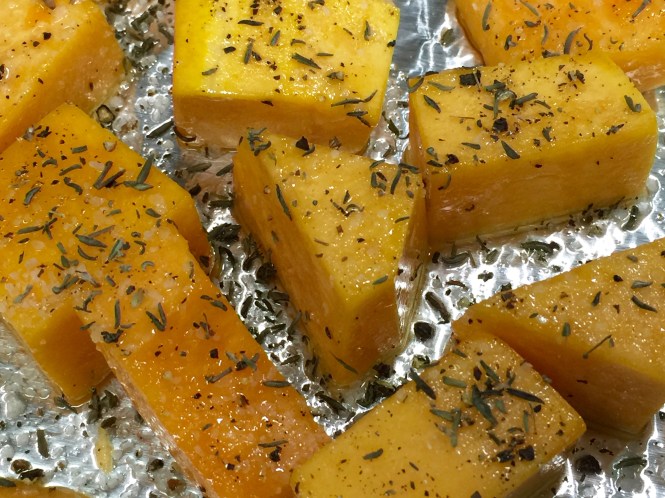
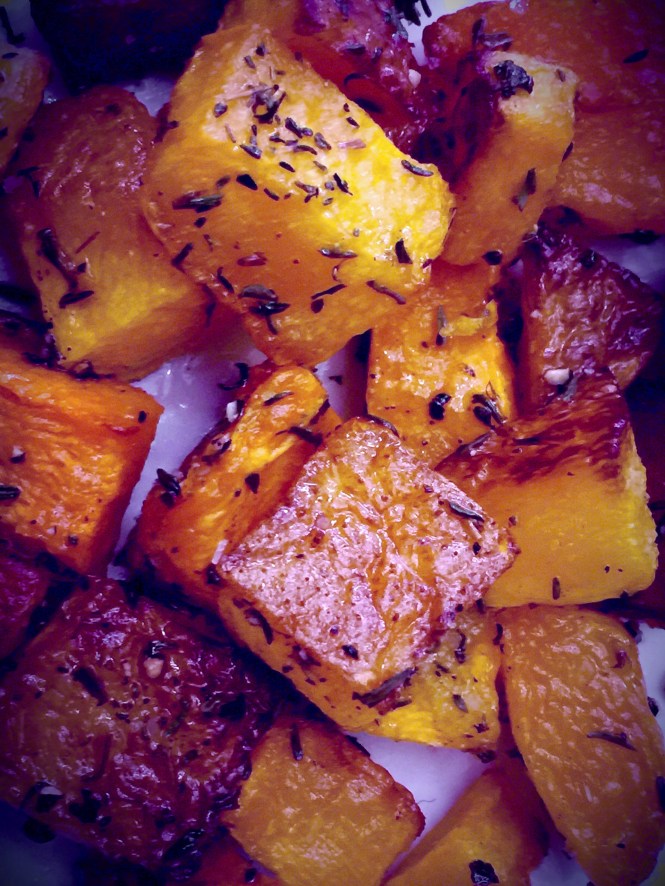
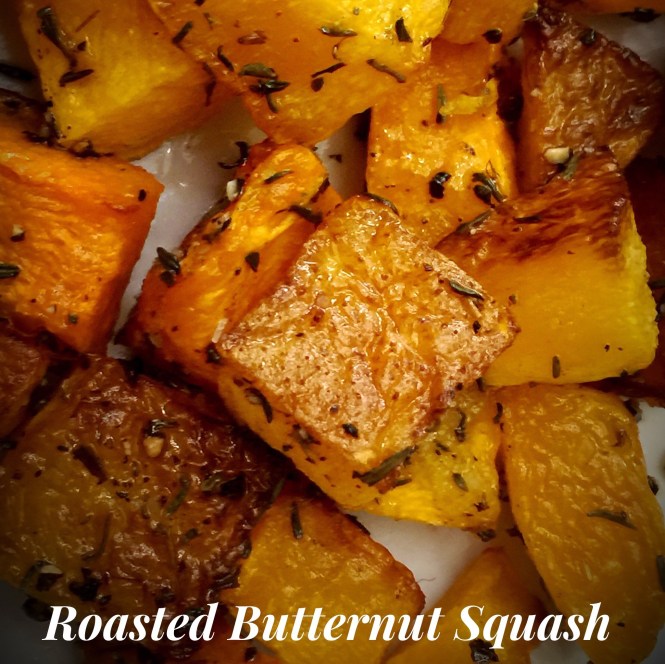
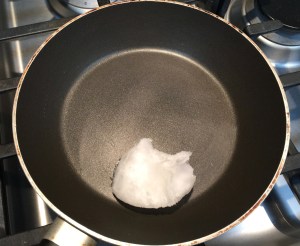 Lesson Learned 2 – Only use coconut oil in this recipe: If you use olive oil you simply will not get the same flavor. The coconut oil renders a subtle sweetness that, along with the cinnamon, makes the squash taste so good. Now, can you use olive oil if you don’t have coconut oil – of course you can. But I wouldn’t recommend using cinnamon with olive oil. I don’t think the flavors would compliment each other as much.
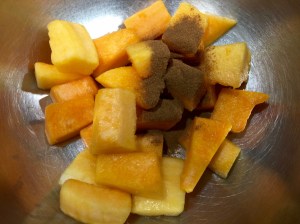 Lesson Learned 3 – Be careful how much cinnamon you add: In this recipe it is important for the oil and cinnamon to balance each other out in order to get the correct flavor and sweetness. For that to happen the correct proportions need to be used.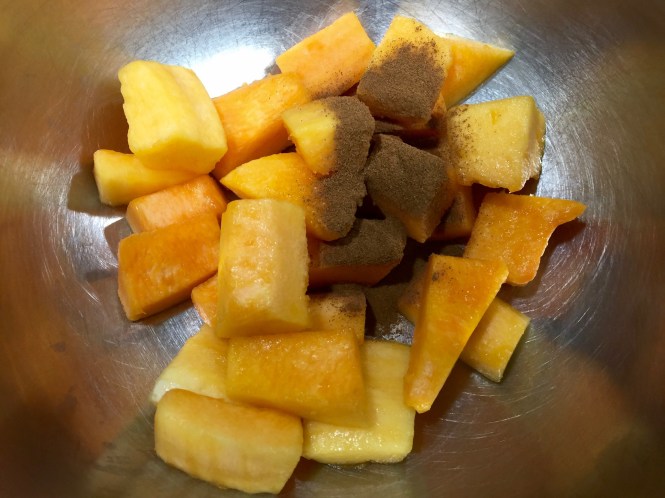










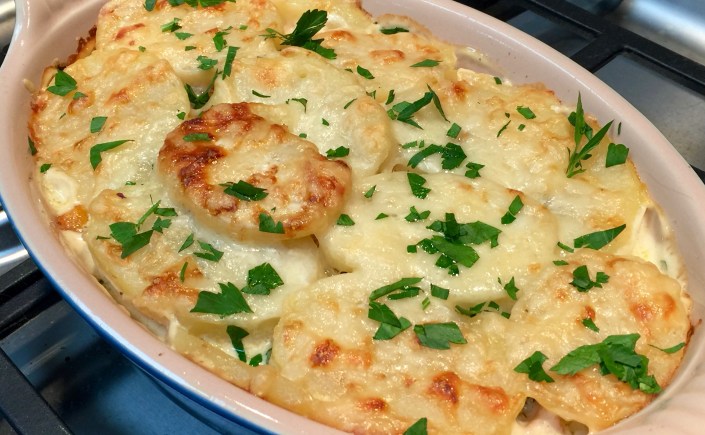
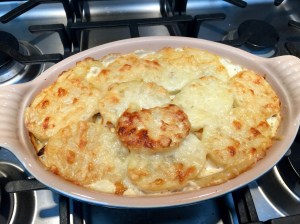 One more note… from time to time I will also focus on making recipes for two. It’s just my husband and I that I cook for now unless we are having a party and sometimes I find if I make too much we either throw stuff out or eat leftovers. And some recipes are more conducive to leftovers than others. These days it is hard to cook for two since grocery stores seem to sell bigger portions. But I found this particular recipe can be adapted in many ways and one of them is the amount you make. So I am writing this recipe for two people but keep in mind you can increase the ingredients proportionally to serve more.
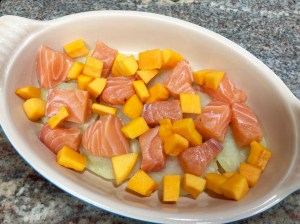 Lesson Learned 2 – Adapting this recipe: I originally wanted to use some spinach in this recipe but didn’t have it on hand and didn’t feel like going to the grocery store to buy some. But I did have some flat leaf parsley and so I used that. If you use spinach just saute it with the onions and only use a couple of handfuls. The spinach should act as the accompaniment to the recipe and shouldn’t overpower it. The same applies to flat leaf parsley. I only used a little more than a tablespoon (and of course I used some for garnish), just enough to enhance the flavor.
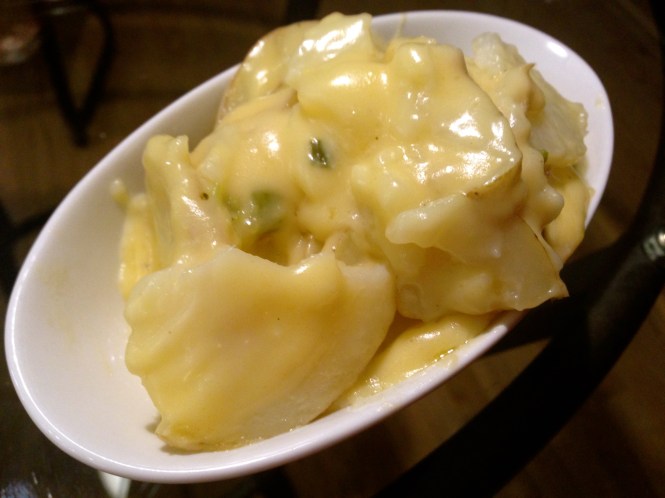
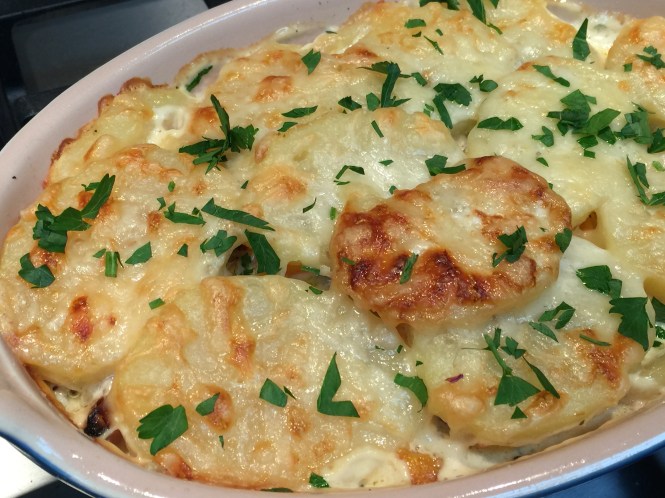
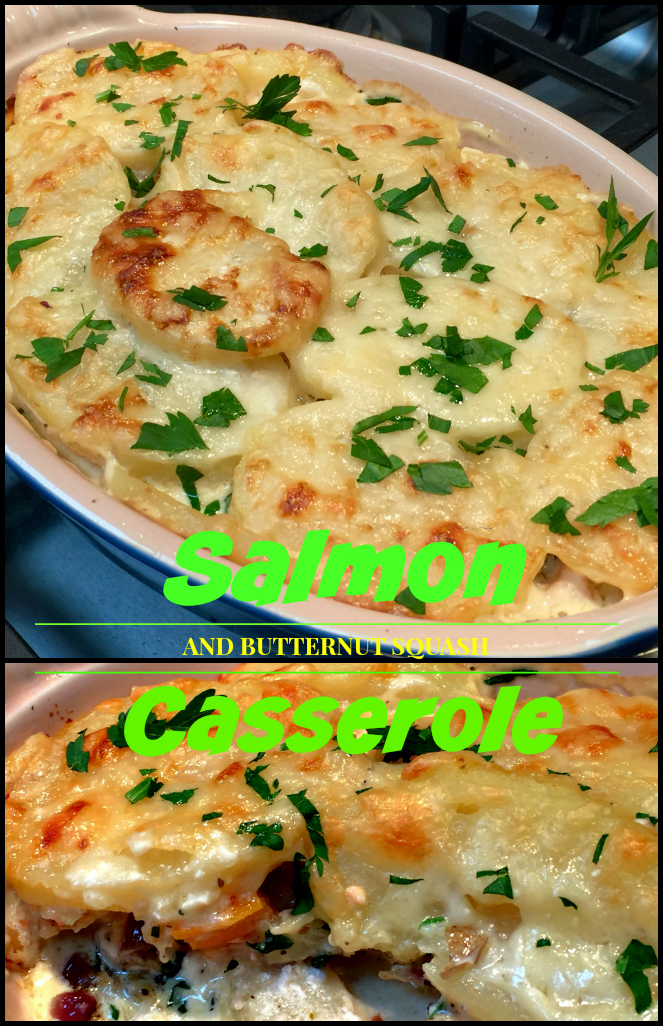
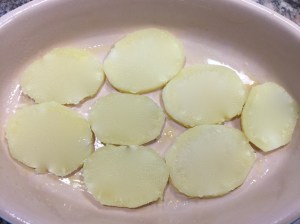 Lesson Learned 3 – Those tricky potatoes: I don’t know about you but, for me, potatoes are tricky when using them in a casserole, specifically sliced potatoes. I’ve experienced many instances where they were hard and not cooked through. This time they turned out perfectly. This is what I did. I used two medium sized yukon gold potatoes and boiled them with their skins on until I could easily stick a fork in them. Then I put them in a colander and let them cool. It is important to let them cool. If you try to cut them when they’re hot they’ll fall apart. Once they cool you can easily peel and slice them. Can you leave the peel on? Of course you can. My husband prefers them with the peel off. I sliced potatoes into half inch thick rounds and they were delicious. One of the first things my husband said when he took is first bite was, “the potatoes are good”. Success!!
 2 medium sized yukon gold potatoes, pre-boiled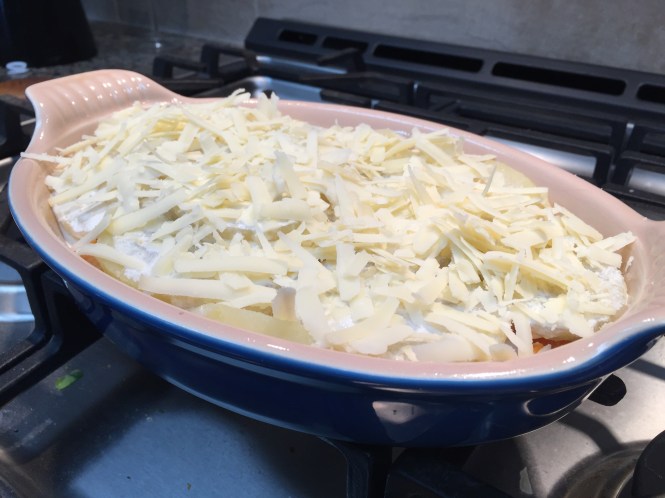

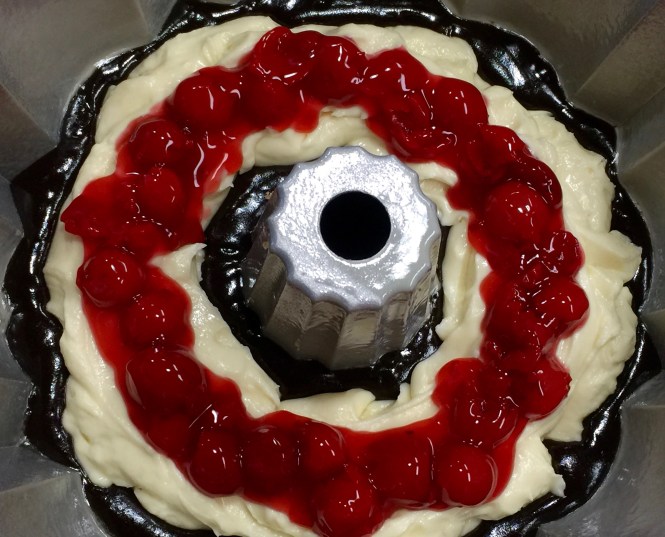
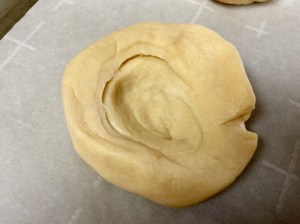 Lesson Learned 1 – Working with the refrigerator dough: Using this kind of dough is very convenient but you do have to work it a little bit. I cut the pieces along the pre-perforated edges as best I could (I wound up with 9 rounds and I should have only had 8 if I followed the perforations exactly – oh well…) and rolled each piece into a ball. I flattened each piece with my hand and then used my thumbs to create a crater inside the dough. The crater is important because that’s where you put the cream cheese and cherries. Making the crater as deep as possible helps to prevent the cherries from falling off. But don’t worry, if they do once you pull them out of the oven just use a small spoon to push them back on top. Once they cool they will stay put.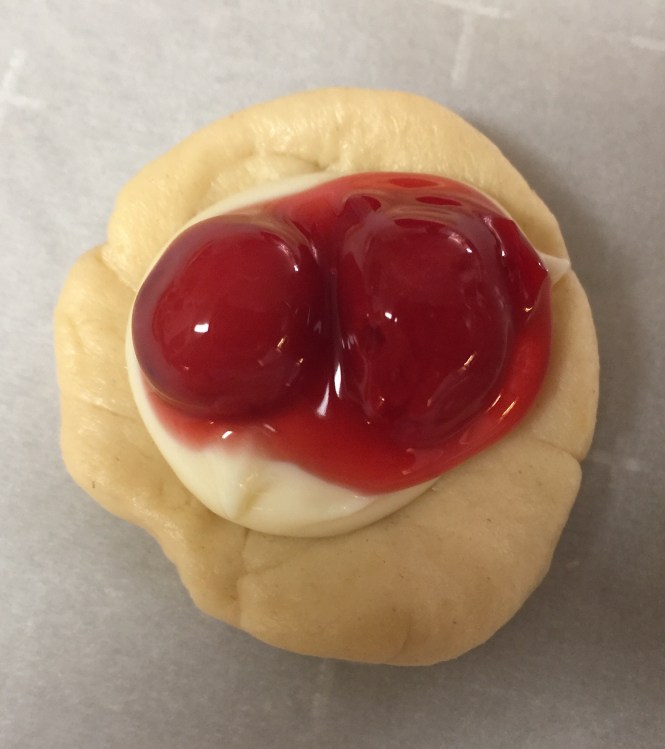



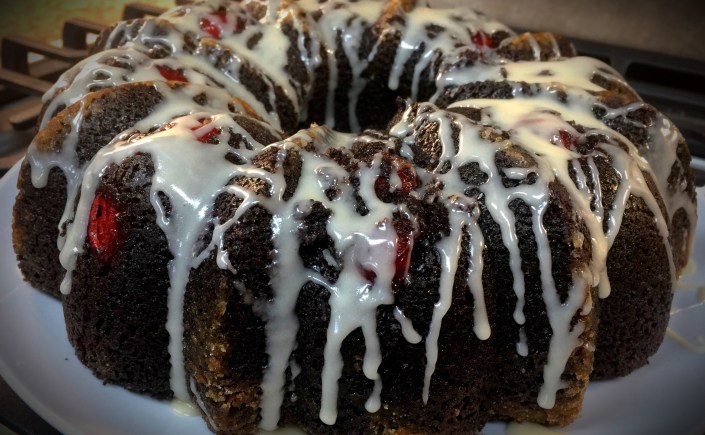
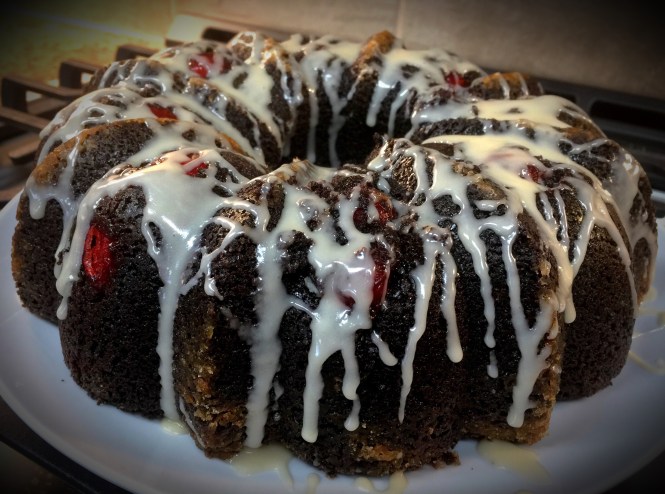
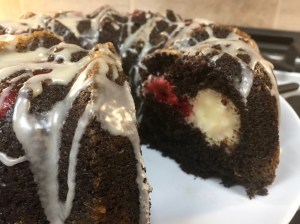 Lesson Learned 2 – Making the glaze: Making glaze for any type of cake or pastry couldn’t be easier. All it requires is some confectioners sugar, some liquid and perhaps some sort of additional flavoring. You can use water, milk, or heavy cream for your liquid and you can use a little extract, juice or zest to enhance the flavor of the glaze. More often than not I use milk as the liquid and in this particular recipe I used a little vanilla extract to enhance the flavor.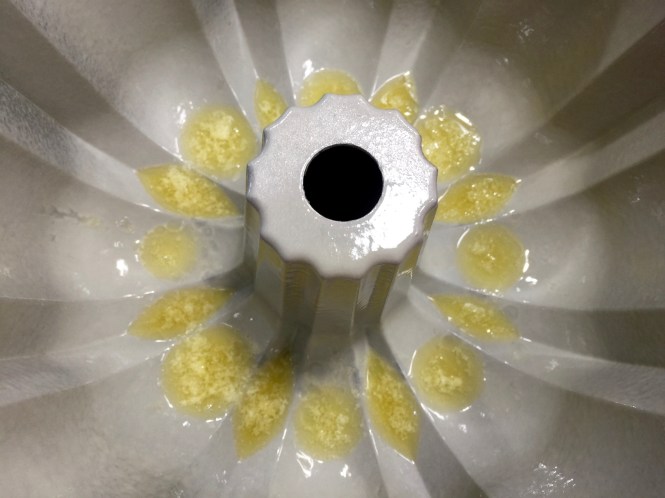
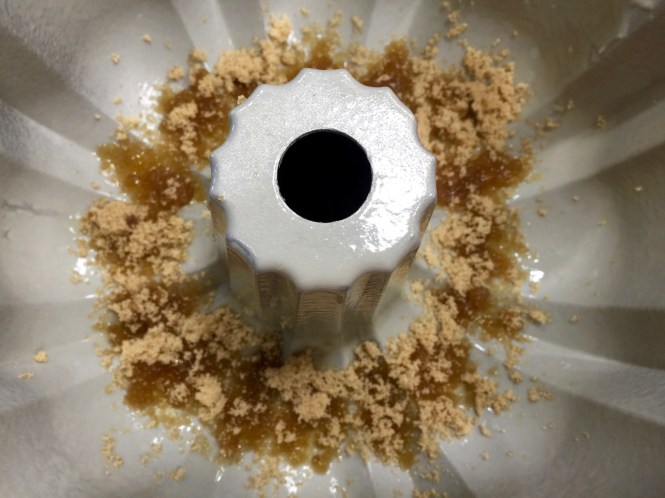


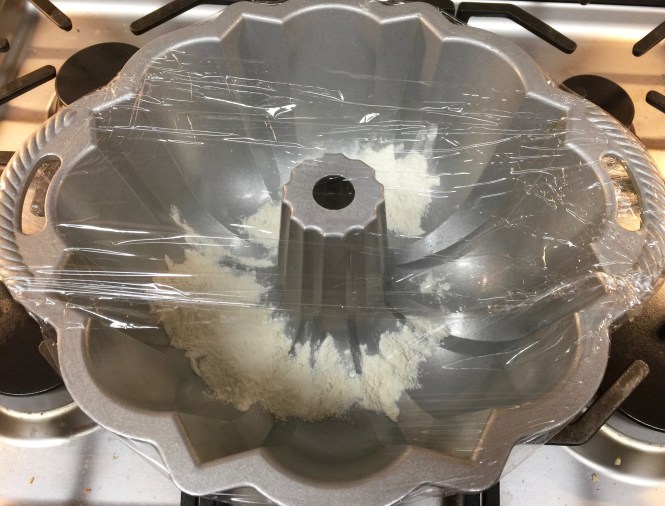
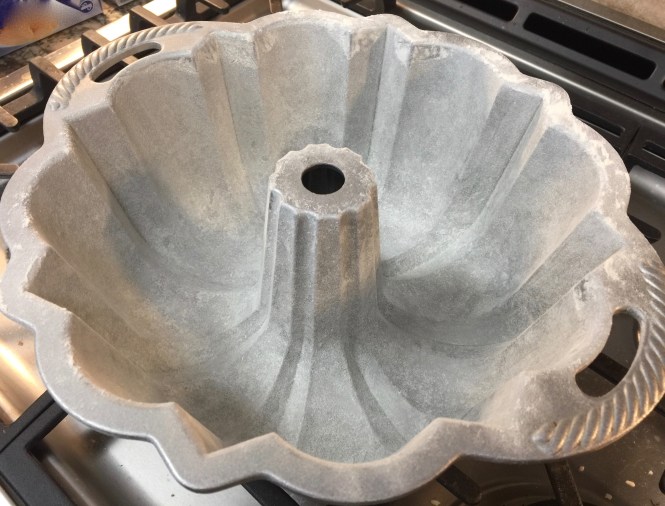
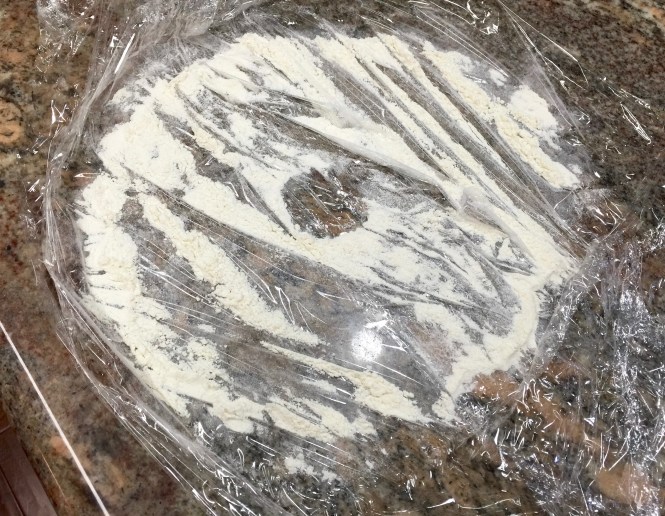
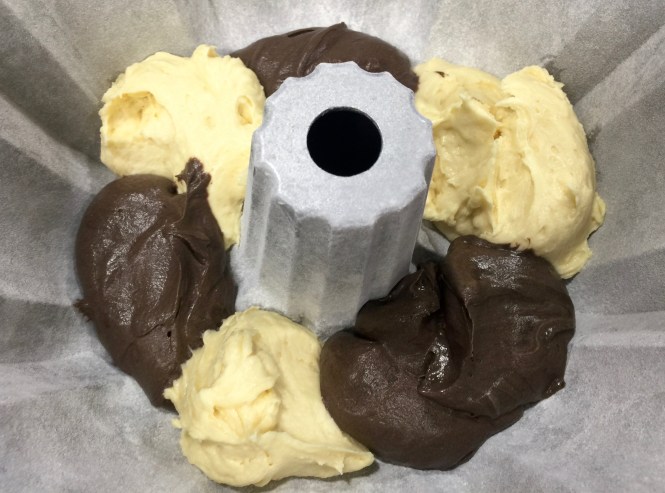
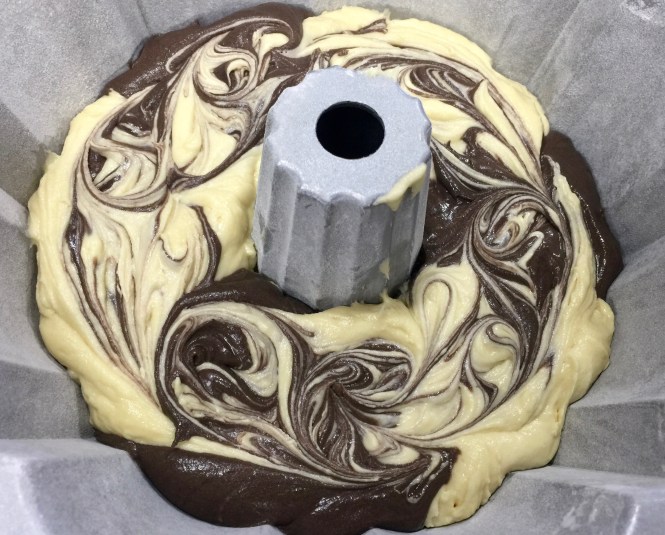
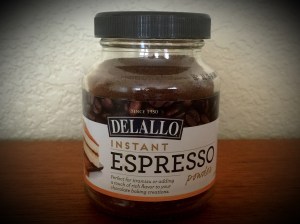 Lesson Learned 4 – Use instant espresso powder to enhance the flavor of the chocolate: In any recipe that includes chocolate I’d recommend adding at least a quarter teaspoon of espresso powder. It brings out the chocolate flavor so much more. Try making a chocolate recipe without it and then make the same recipe with it. You’ll be amazed at how much it enhances the flavor of the chocolate.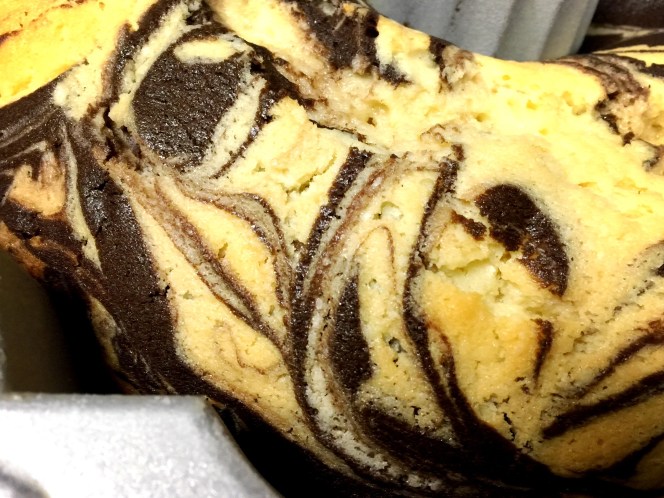
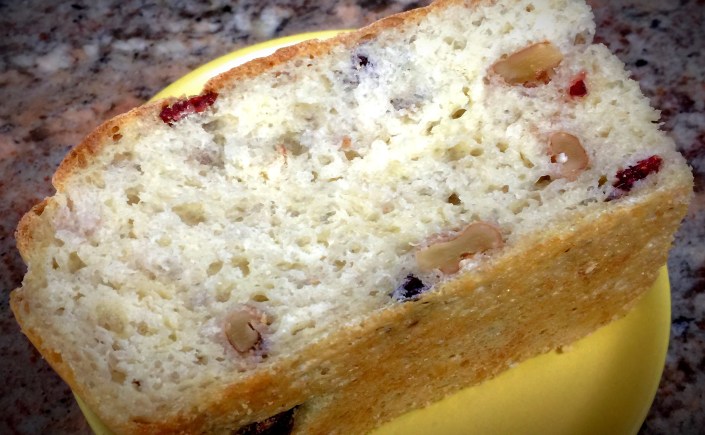
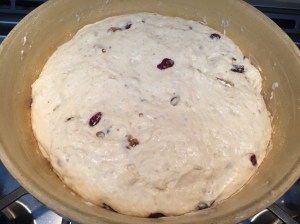
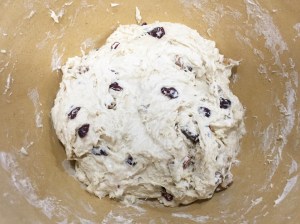
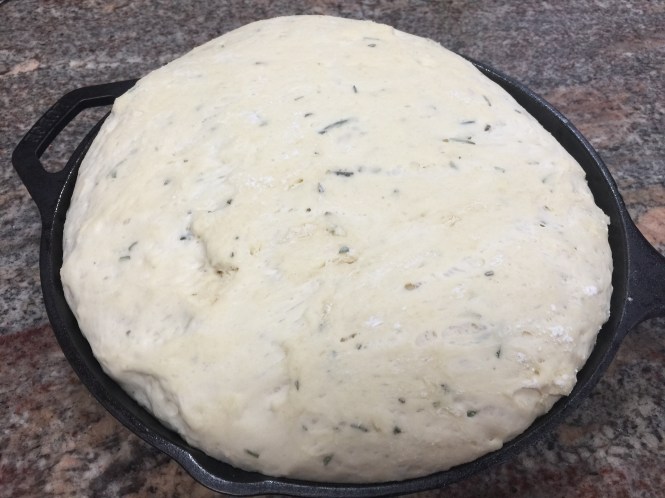
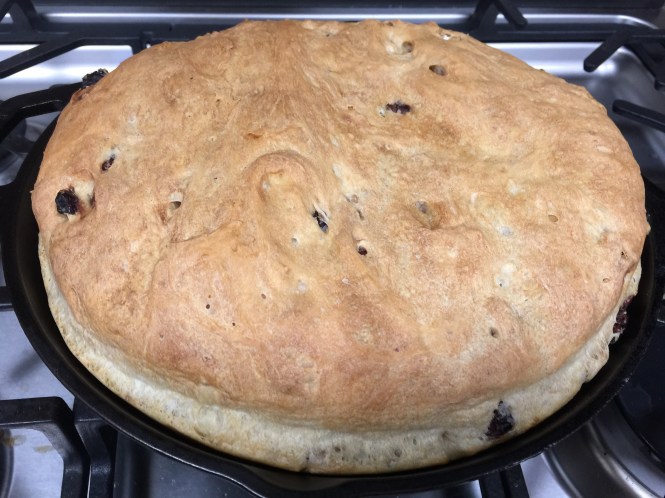
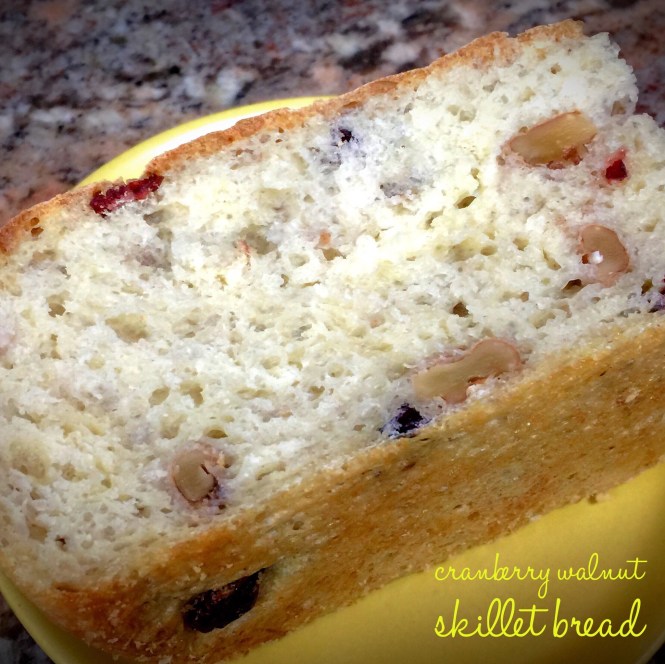
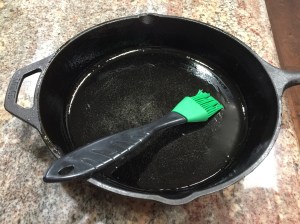 Take a silicone brush and lightly coat the bottom and sides of the skillet. You really don’t want a lot of oil sitting on the bottom. That will give you a greasy crust. And make sure you use a good quality olive oil. I used a garlic infused olive oil when I made the rosemary parmesan bread and a mild flavored premium olive oil for the cranberry walnut bread. If you don’t overdo the oil the crust will have just the right amount of crispiness and will taste heavenly. Just make sure you use a good olive oil. I prefer the crust in this method compared to the crust you get when using an enameled cast iron dutch oven (in the process you do not oil the pan). That crust, to me, is a little tougher. But don’t get me wrong, both methods produce wonderful bread.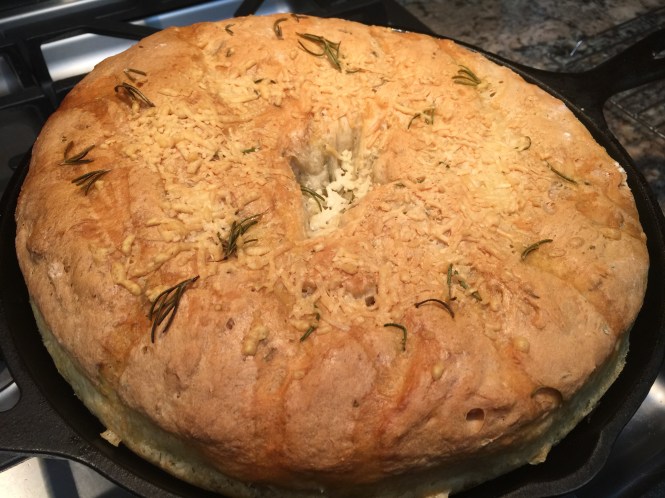
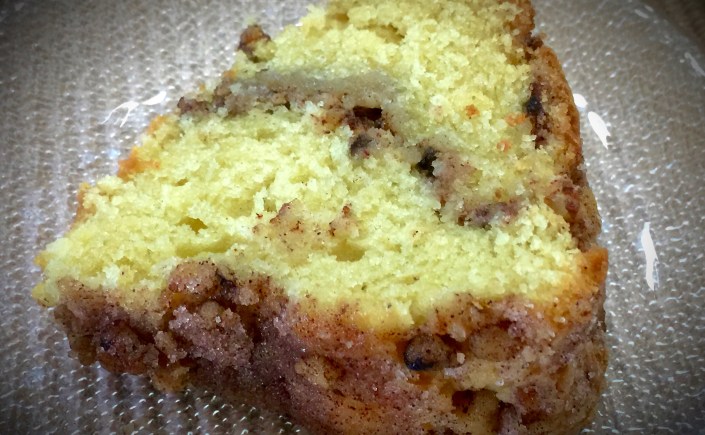
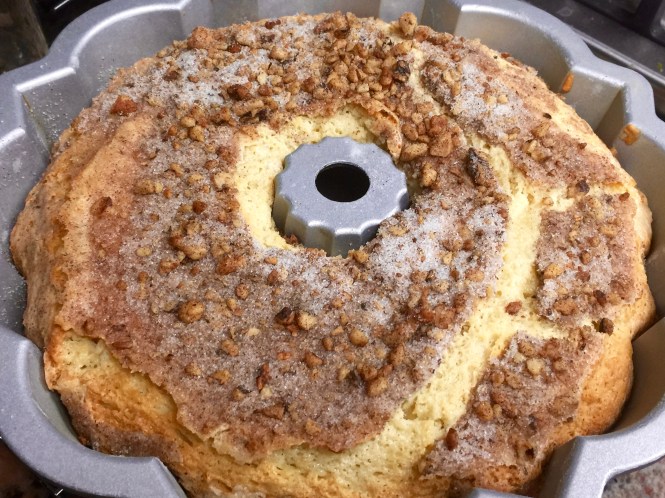
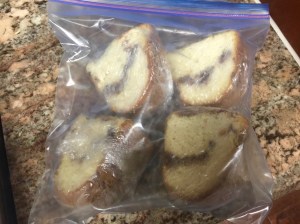 Lesson Learned 3 – This cake freezes beautifully: This recipe produces a large cake that really only stays fresh for a couple of days. If you’re not making it for a party or to bring to work I suggest you take what you don’t think you’ll eat in a couple of days and freeze it. I wrapped mine in 2-slice portions. Make sure you wrap the pieces tightly in plastic wrap and then put them in a freezer bag(s). Let as much air out of the freezer bag as you possibly can. By doing this you’ll have fresh moist cake for a month!
 3/4 cup chopped walnuts
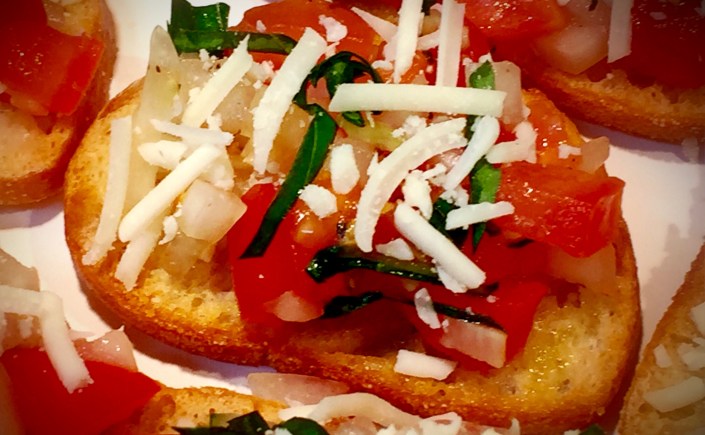
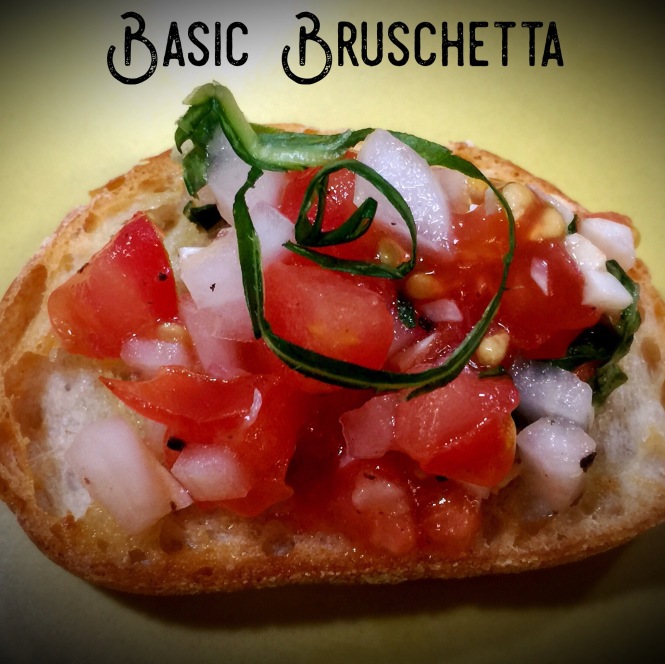
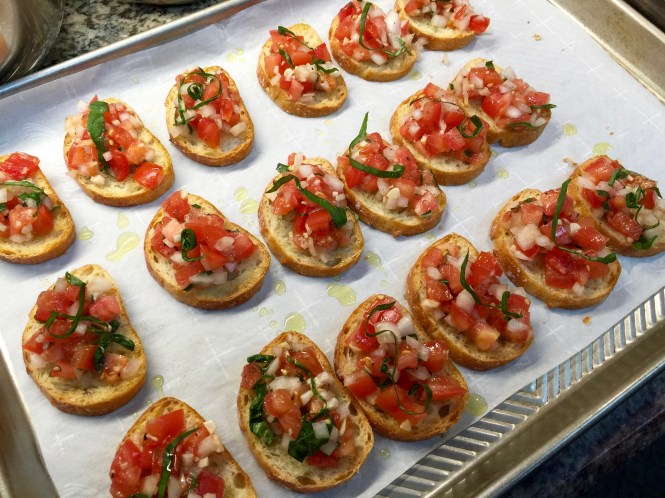
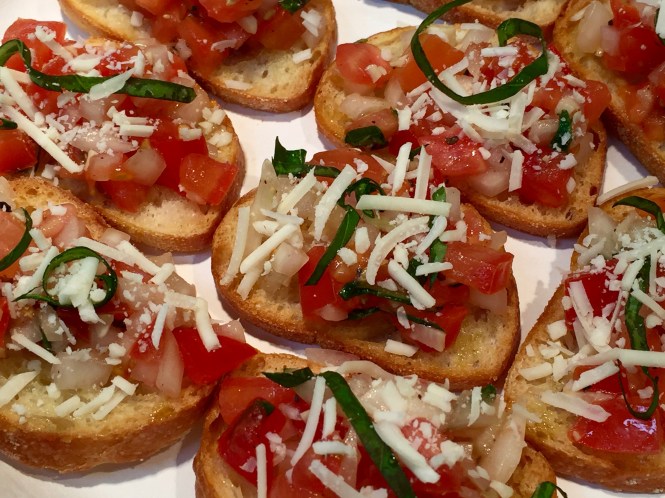
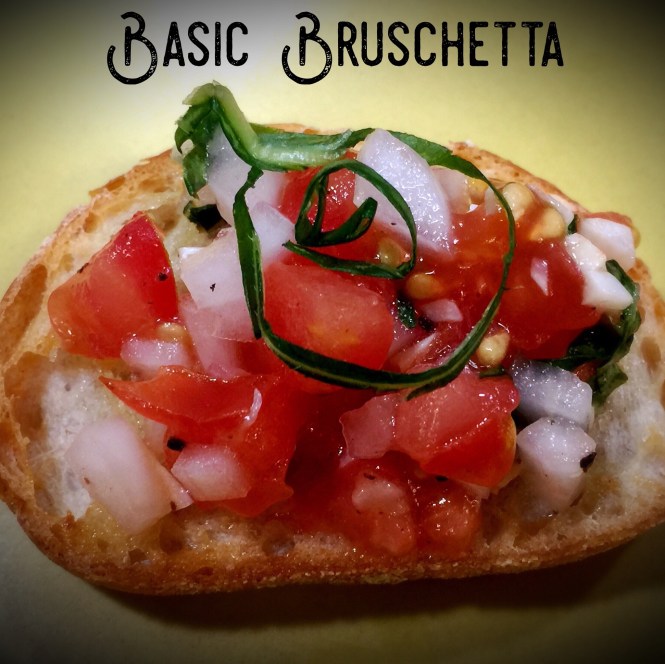
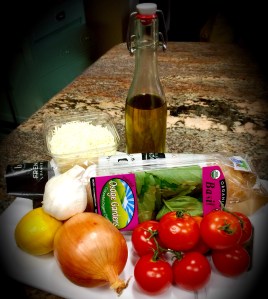 This recipe came out of my desire to finally tackle making bruschetta and my need to bring an appetizer to a community event. Since I’d never made it before I decided to start out with a basic recipe that included only tomatoes, onion, sautéed garlic, garlic infused olive oil, some fresh lemon juice and fresh basil. It was divine! You can tell your appetizer is a hit when it’s completely gone while others still remain. This one was eaten up quickly.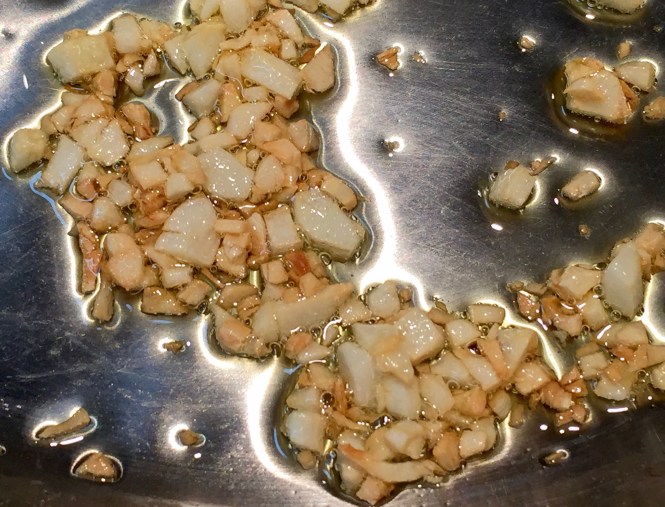
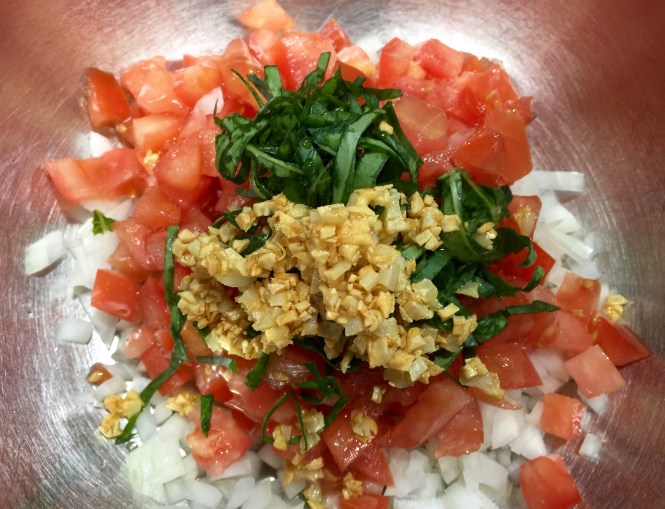
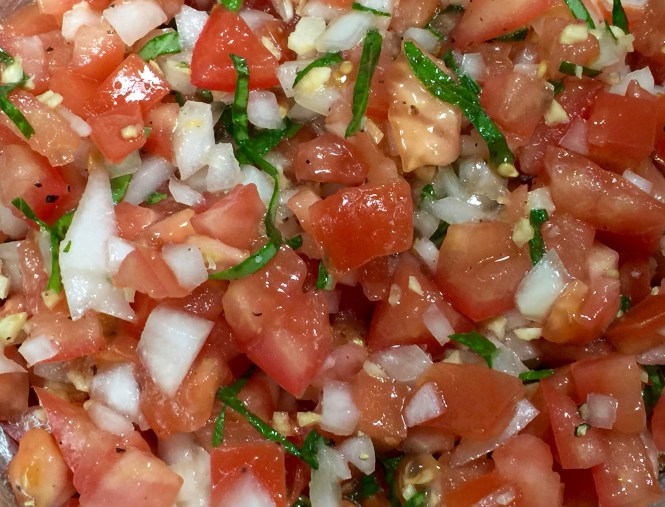
 1 6oz. French baguette loaf, sliced in 1/4 inch slices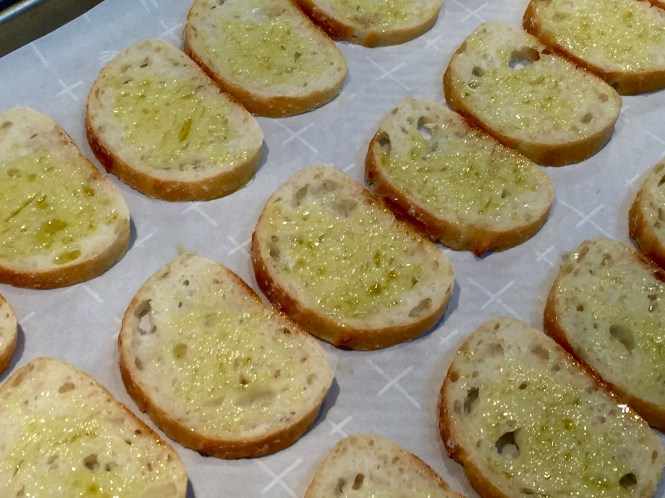
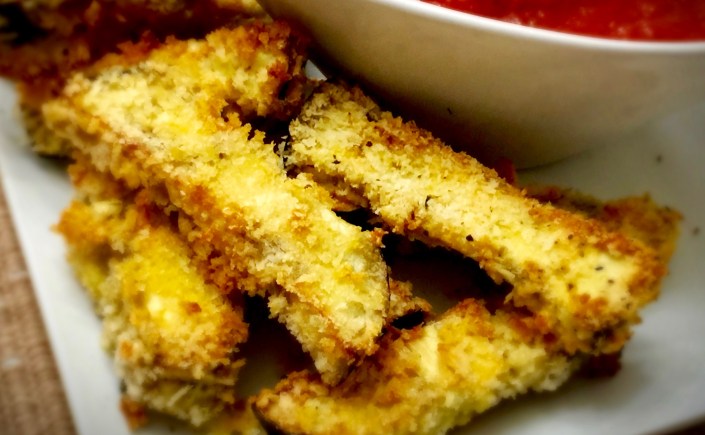
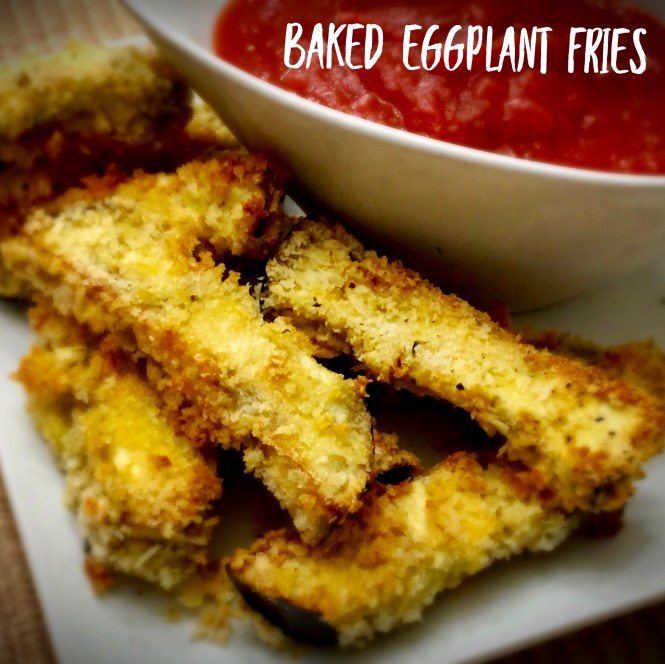
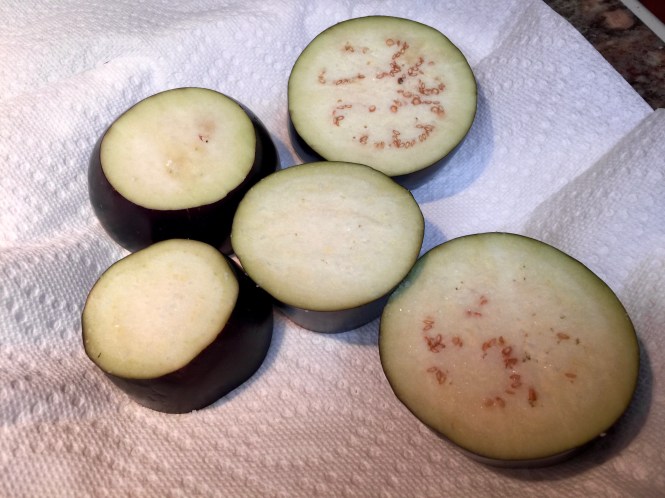 The picture above shows you the amount of 1 inch rounds you get from a small-medium sized eggplant. It is very important to salt both sides of the rounds and then let them rest. The salt will “sweat” out the eggplant and remove any bitterness. After 20-30 minutes you will be surprised at how much clear liquid is on each slice. Wipe them off with a paper towel and you are ready to go.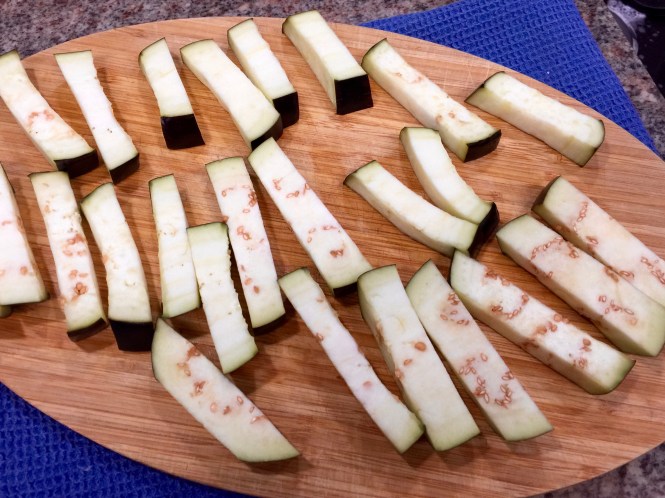
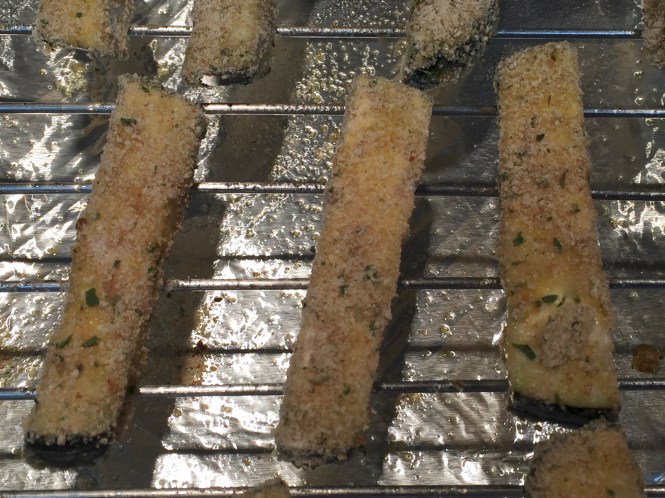
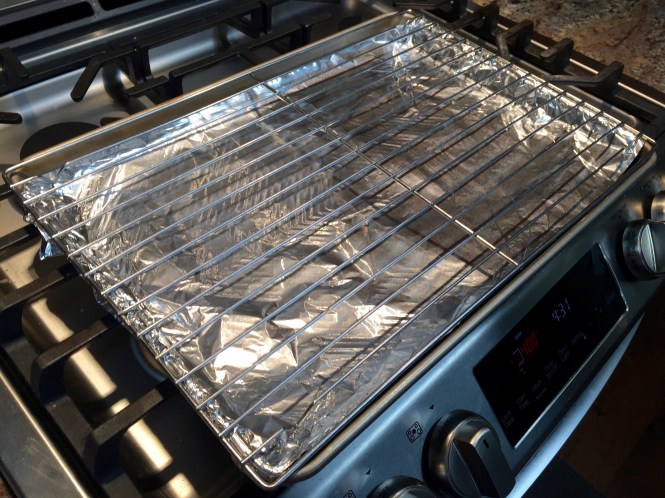






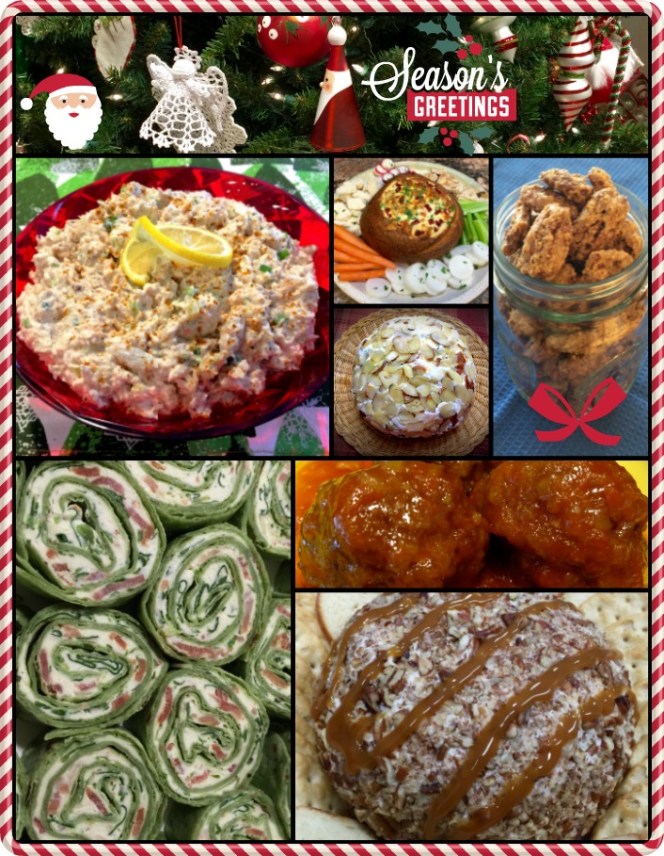
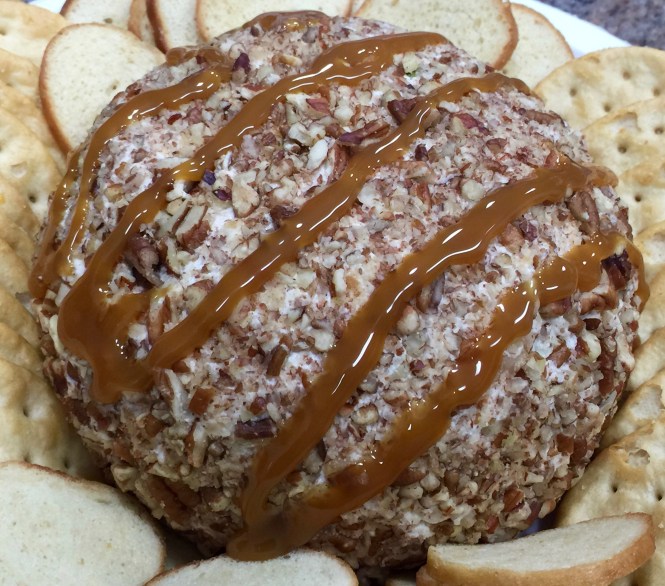

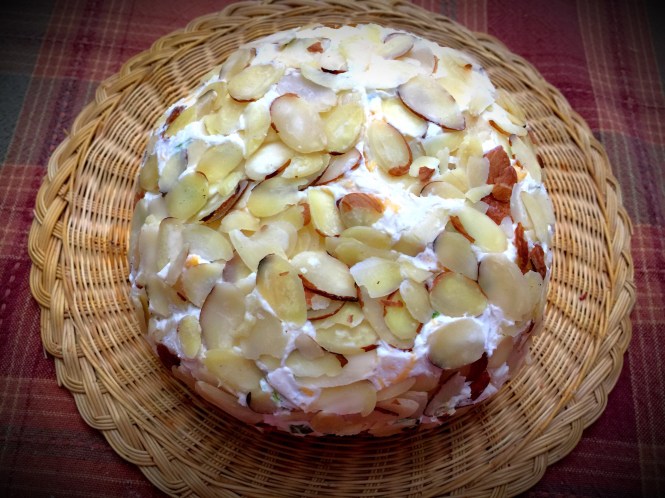




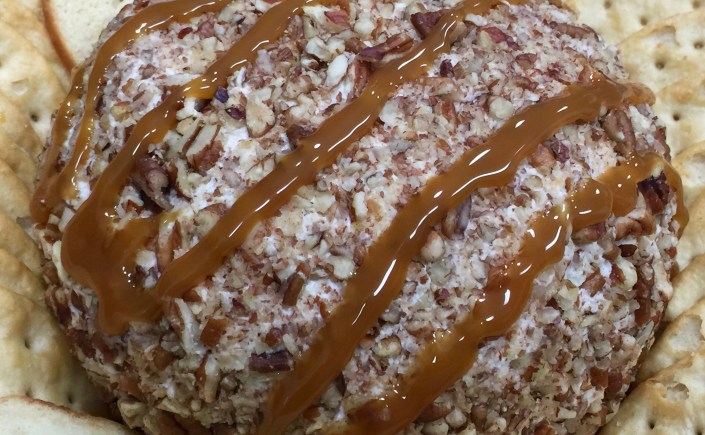
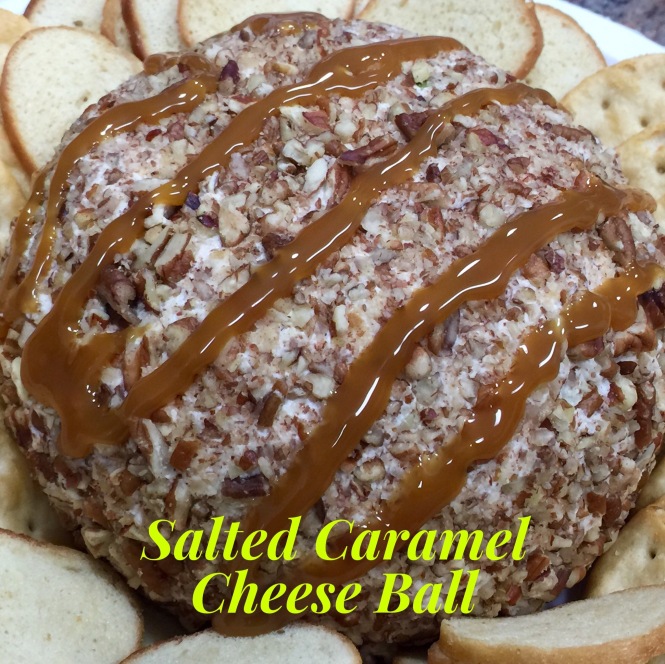
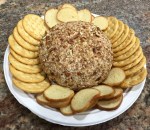
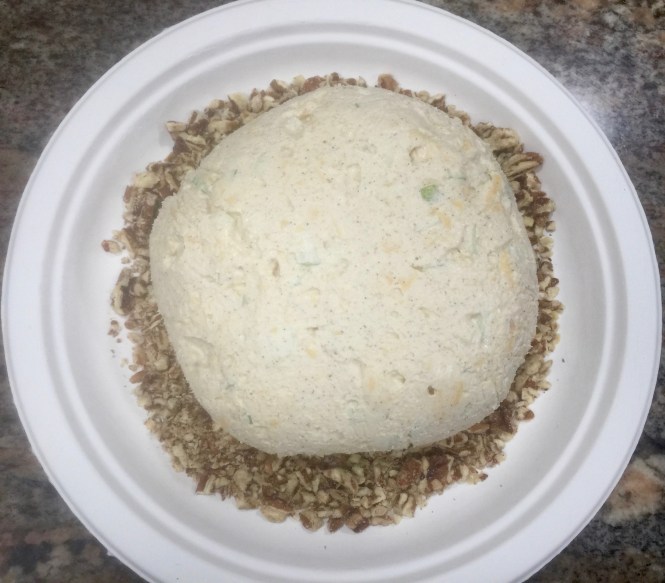
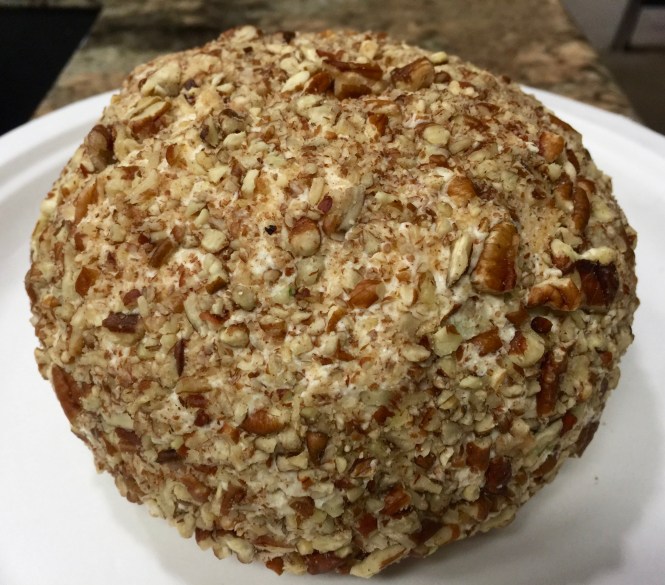
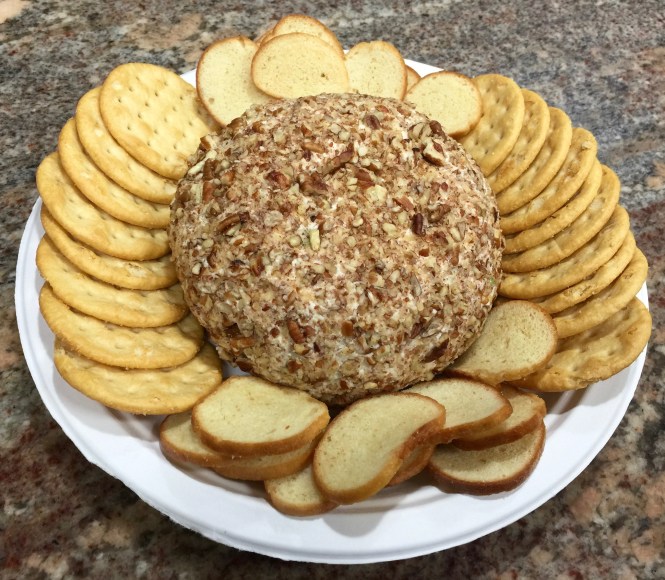
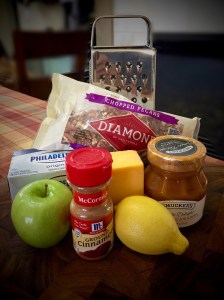 So when we had the first meeting of our book group in my condo community I thought what a great time to experiment with another type of cheese ball. This time with a little salted caramel flare. And once again it was a huge hit!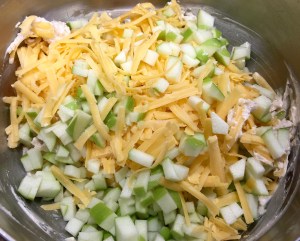
 2 – 8 oz. packages of cream cheese, softened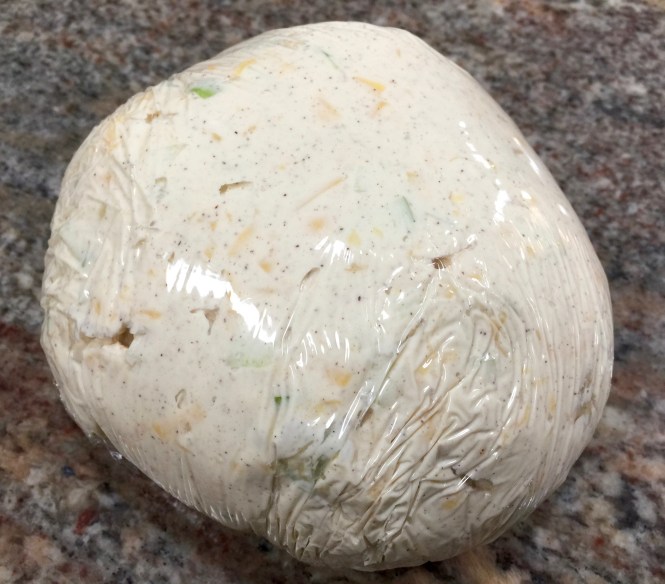
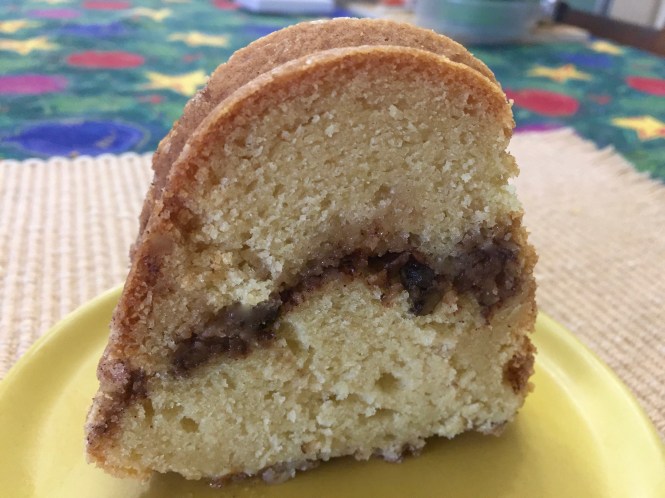
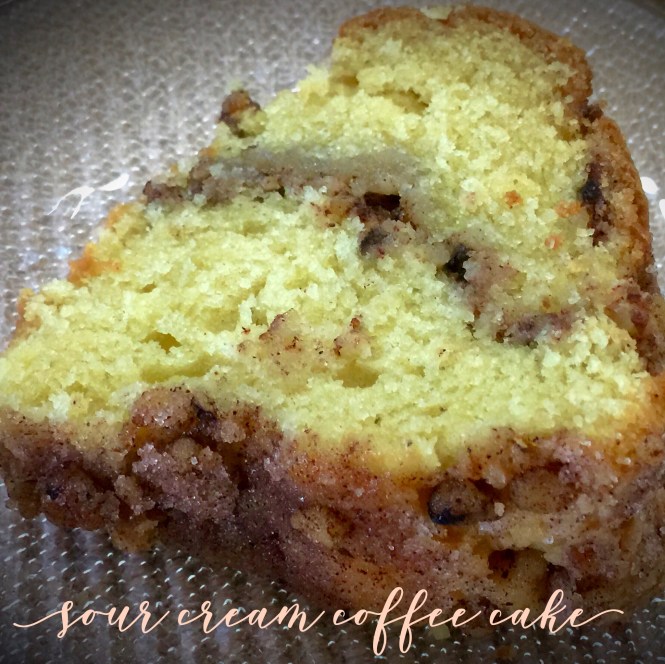
 I would also time the process and not leave it up to your memory. You will actually see the mixture double in size and become more thick when you beat it for that length of time. That’s what you’re looking for. Be careful. Don’t try to shortcut this part of the process. If you do you will be left with a somewhat flat coffee cake.

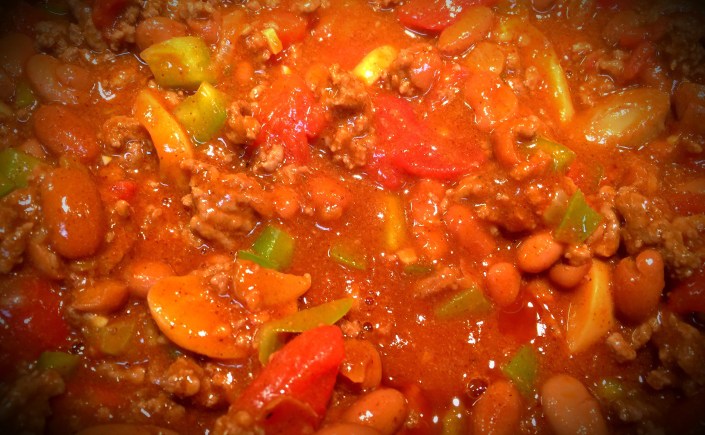
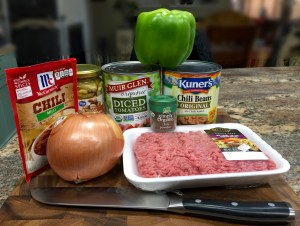
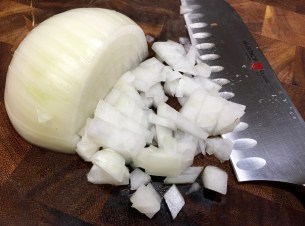
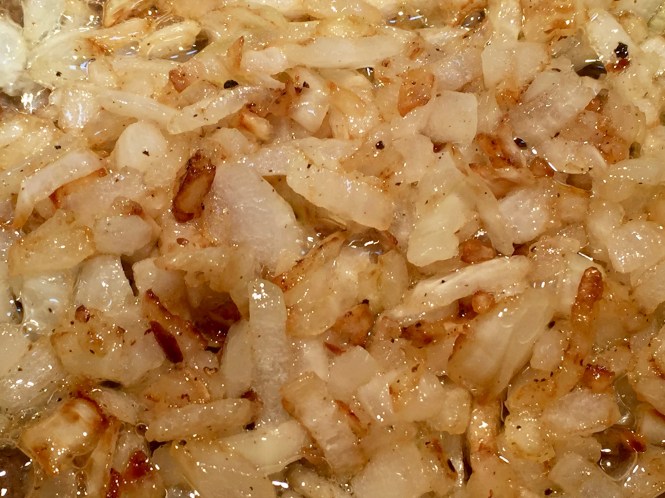
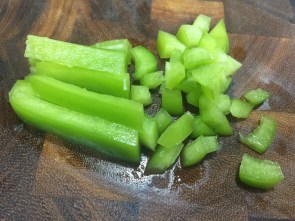
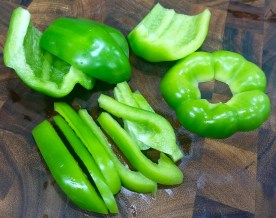
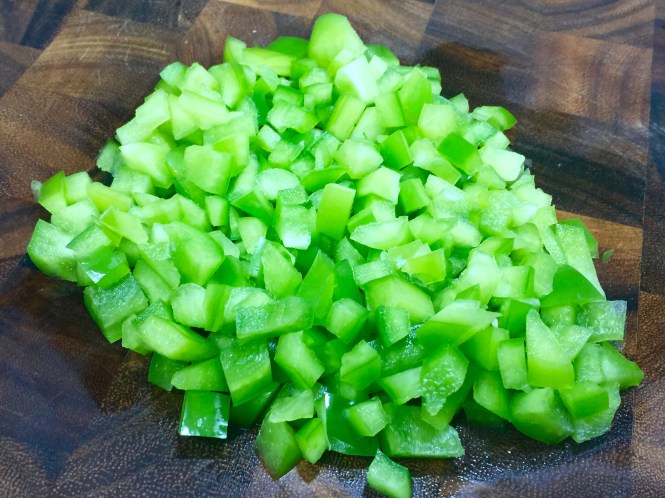
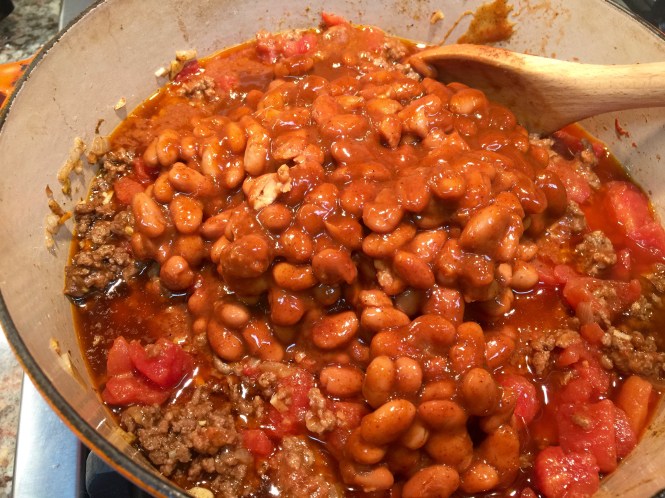
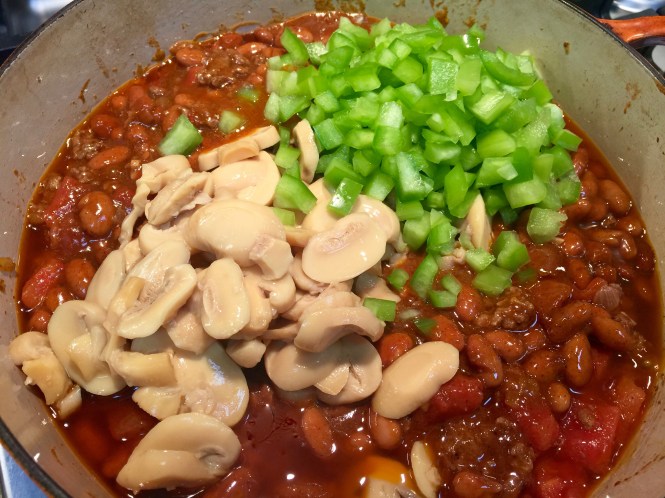
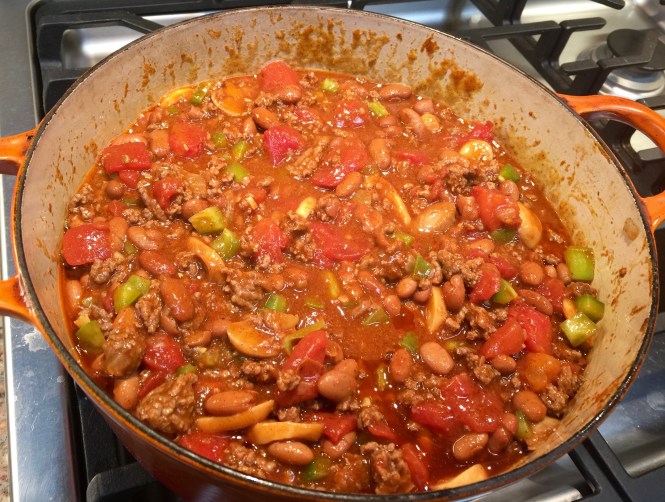
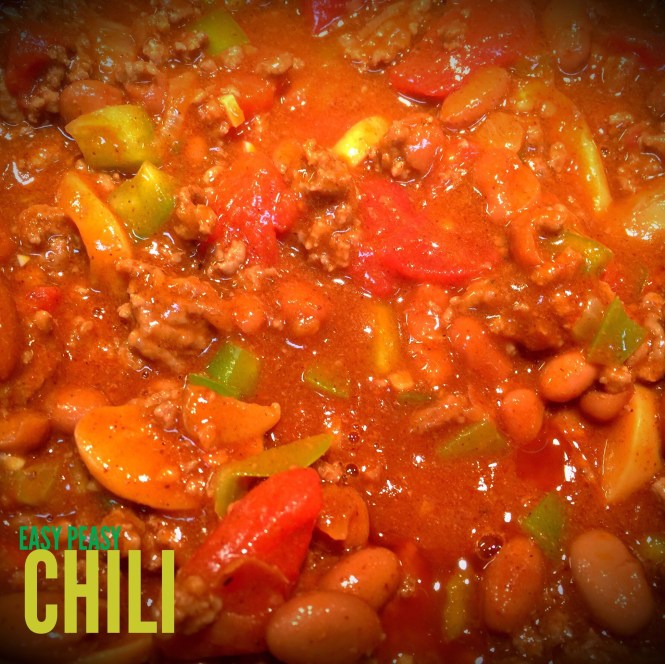
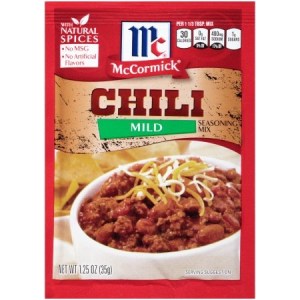 but you can make it has hot as you like. McCormick has a few varieties of seasonings and if you can’t find a seasoning mix that gets you the heat you crave you can always add red pepper flakes. This seasoning mix contains a blend of chili pepper, paprika, cumin, onion salt and garlic. I also add about a teaspoon of chili powder and this combination of seasonings gives us the kind of chili we prefer.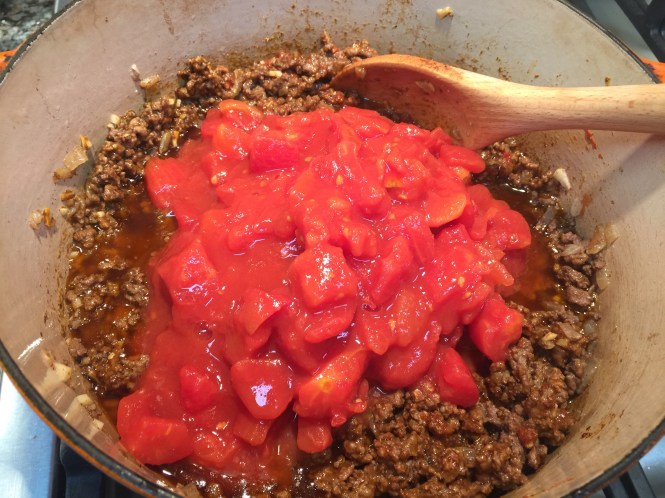
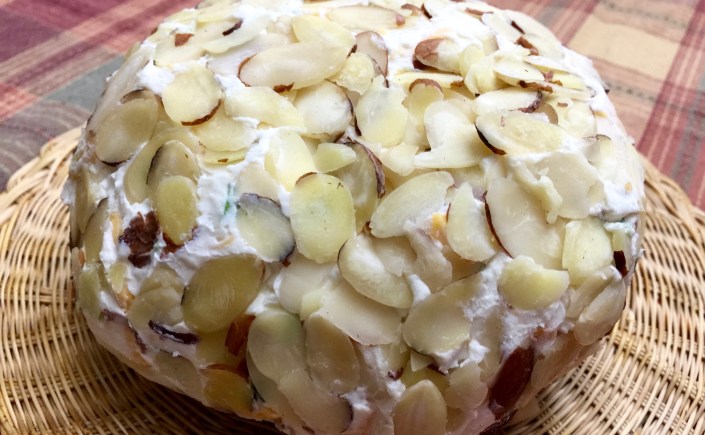
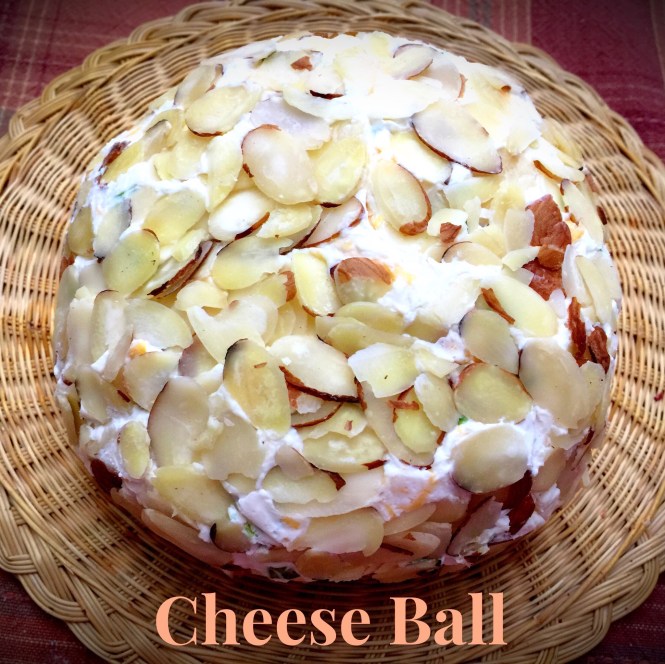
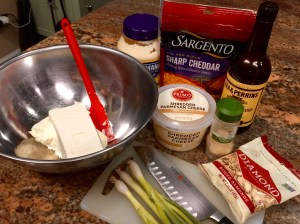 The ingredients for this recipe are not all that complicated, cream cheese, scallions, cheddar cheese, parmesan cheese, worcestershire sauce, mayo, spices and some almonds. Easy enough.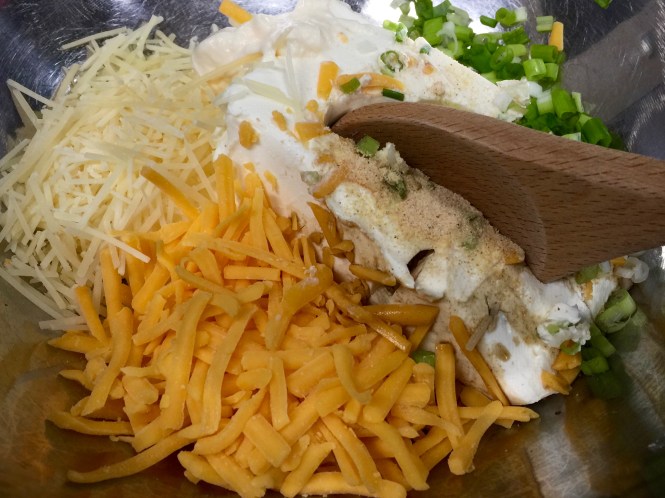
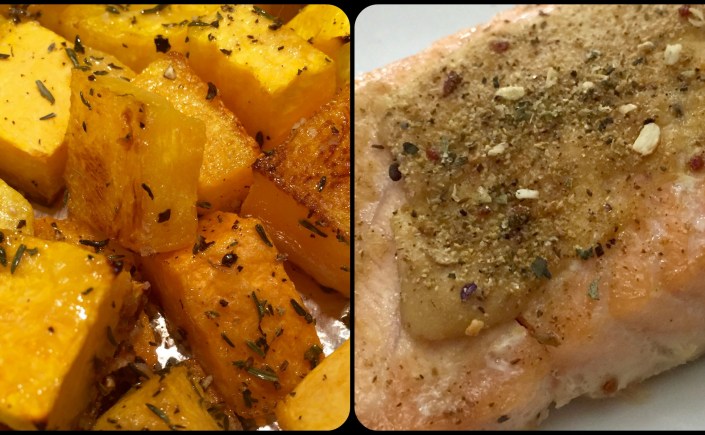
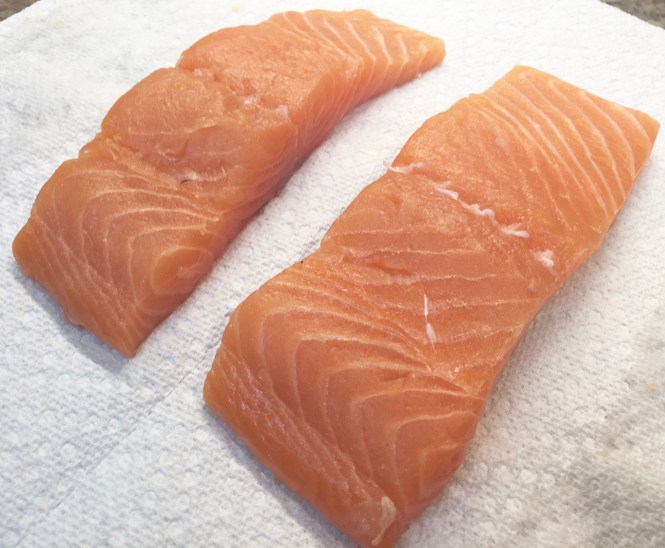
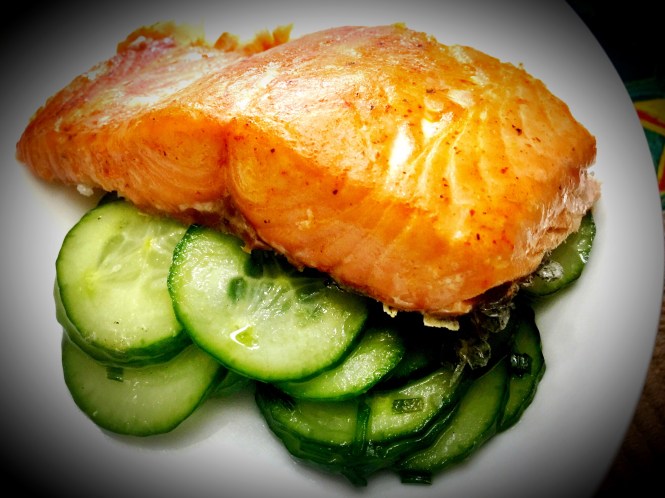
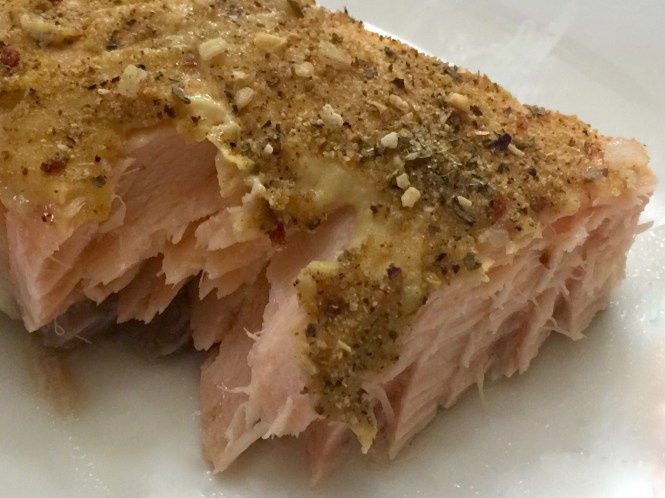
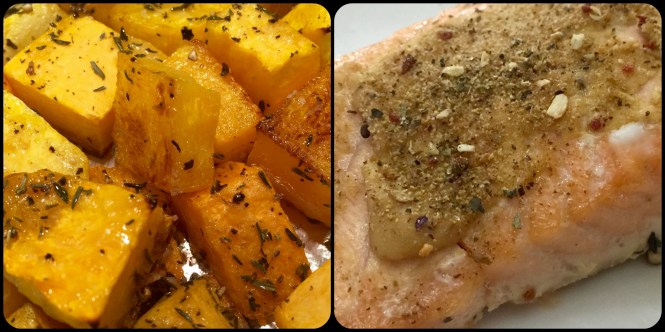
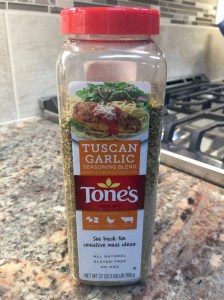 2. Choose any herb blend you think will work well with salmon: I used a Tuscan Garlic Seasoning Blend. It contains onion, garlic, spicy red pepper and lemon peel. I like it because it gives a gentle spicy kick to the salmon. If you’re not sure what to use read the label on the jar your considering. Quite often it will tell you whether it works best with meat, poultry or fish. Think of the herbs you enjoy and find a blend that resembles that. Or mix up a blend of your own.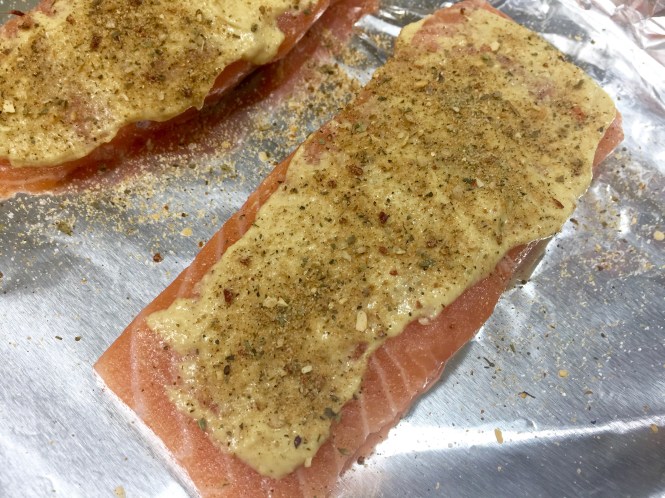



 You Betcha Can Make This!