
Every once in a while you stumble upon a recipe, make it and then say “Where have you been all my life?” This was that recipe for me. Based on a recipe by Robin Miller, I adapted it to my tastes and am so glad it’s now a regular on my dinner rotation. I am also so glad to share it with you.
Robin Miller used to be a chef on The Food Network. Back in the day when it was a fledgling network, the shows were more about how to cook versus all of the competition shows they have on now. Originally I remember thinking who, in their right mind, would watch someone cook on tv. But I started to watch and got hooked. Plus, as you can tell by the theme of this blog, I was never a cook in my early years and always felt that I’d never become one. But as I got older I got more interested and those cooking shows provided so much basic knowledge and started me on my culinary journey. All of a sudden I began thinking, “I can do this!” and as I started getting more adept I developed not only a deep interest but also a knack for creating successes in the kitchen. Robin Miller was one of the chefs that I credit teaching me basics and I, for one, am sad she no longer has a show on The Food Network. But I follow her on Facebook and am privy on a daily basis to some of her great recipe ideas.
Her recipe for flatbread pizza struck my fancy and I amended it to include some of the ingredients I especially like on a pizza. What I also like is this recipe is meatless. Not to say you couldn’t add some cooked sausage, or bacon, or pancetta on top, but I like to limit my intake of red meat and to find something this flavorful and meatless is always a plus for me.
LESSONS LEARNED MAKING THIS RECIPE:
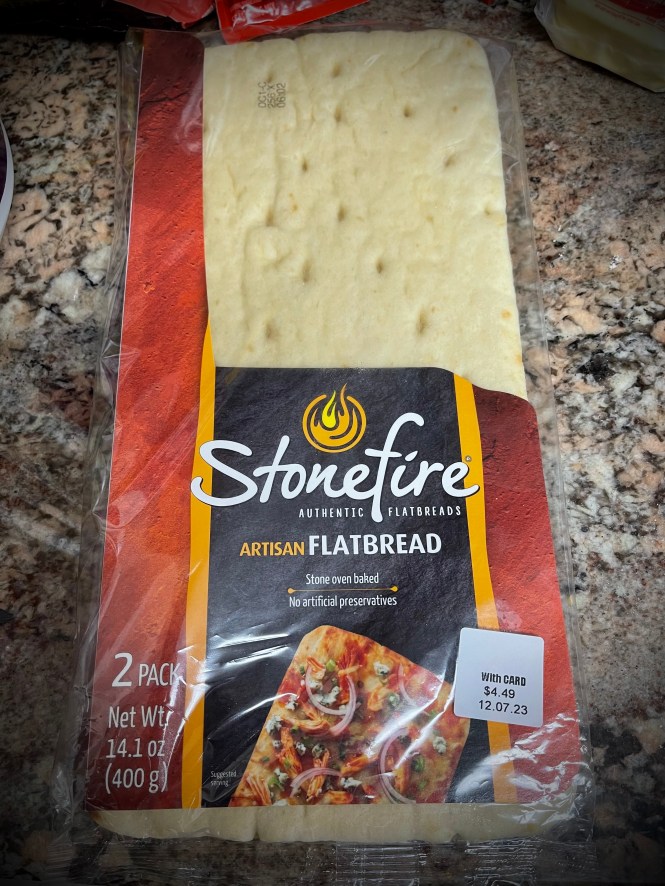
- I used Stonefire Artisan Flatbread. I prefer this because it basically serves as a blank canvas. You can try to use others, this is simply the one I prefer for this recipe.
- Be creative with your toppings. When I order a “regular” pizza, I like mushrooms and green peppers on it. For this particular recipe I just added green pepper (make sure you chop it into small pieces). But I plan on trying it with mushrooms and probably onions as well.
- Use sun dried tomatoes packed in oil. I found drizzling a little oil over the pizza once all the toppings are on and it’s ready to go into the oven adds more depth of flavor.
- Don’t overload the flatbread with pesto. All you need is a light spread over the bread. If you add too much it tends to overpower all the other ingredients.
- The measurements in the recipe are guidelines: I find it hard to put measurements into a recipe like this because so much is done by sight and taste. If you want more cheese on your flatbreads than put it on. The same goes for the tomatoes, and green pepper. With the capers, I would err on the lighter side as they give a nice briny taste to the pizza but could overpower the other ingredients if there are too many. Just my opinion.
- Each flatbread makes 2 servings. The package contains two flatbreads. To serve use both.
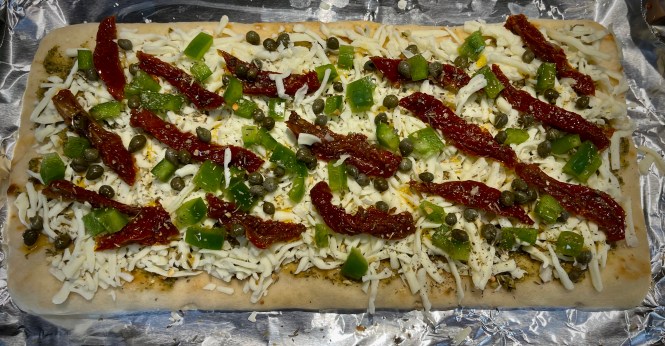
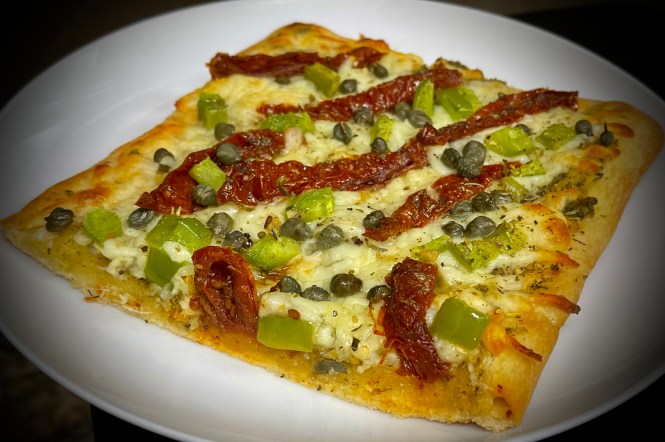
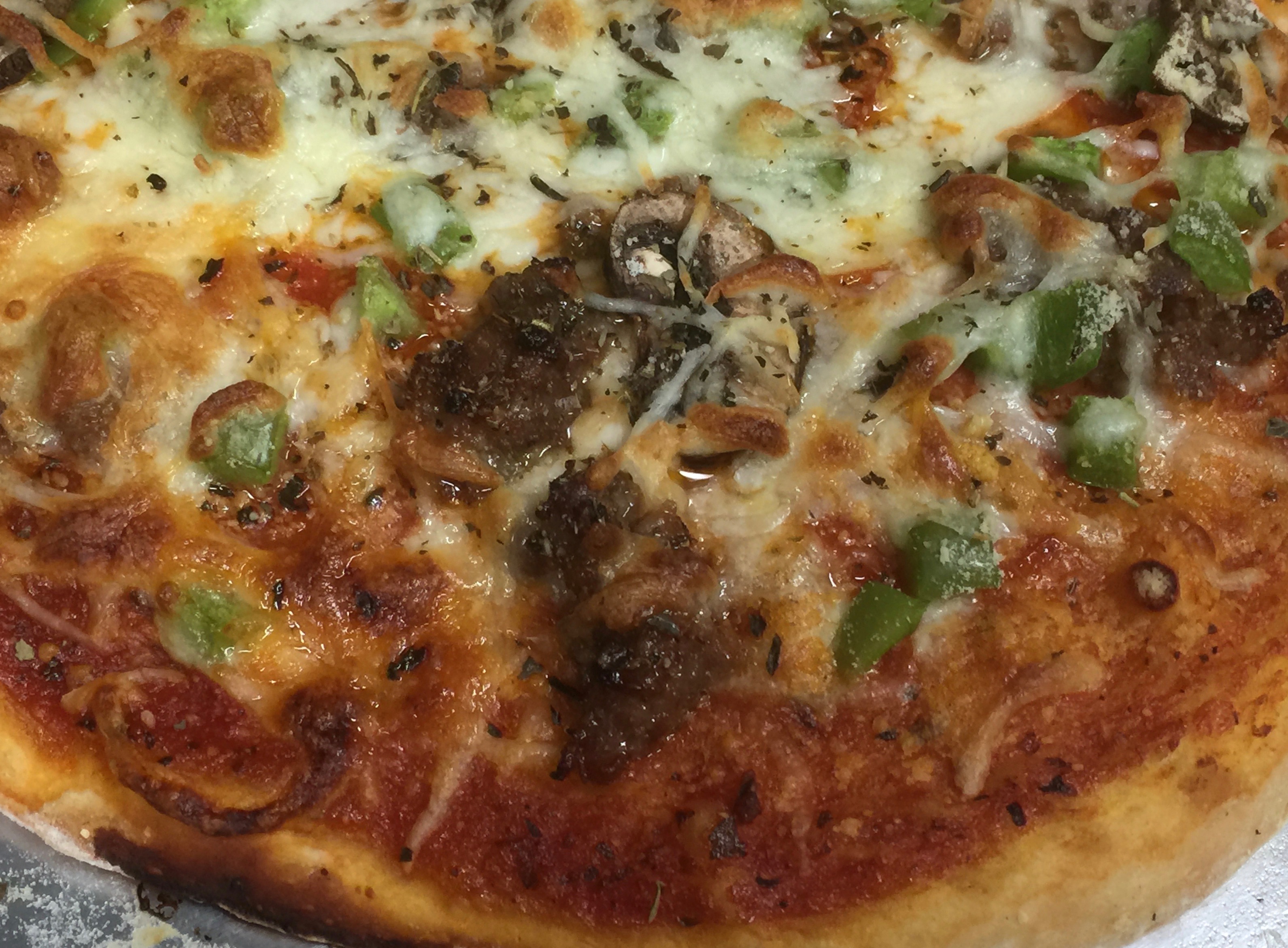
Ready To Go Into The Oven
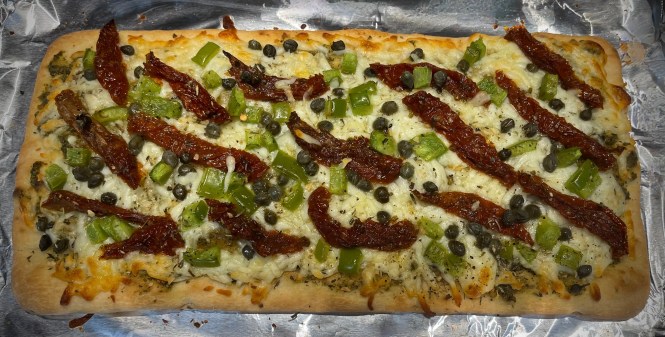
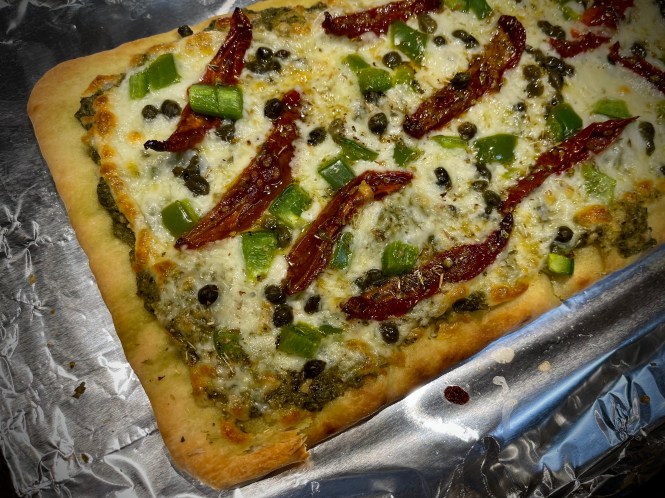
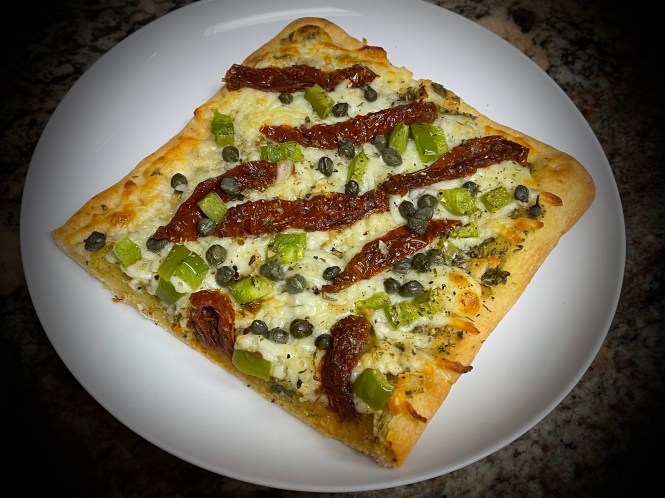
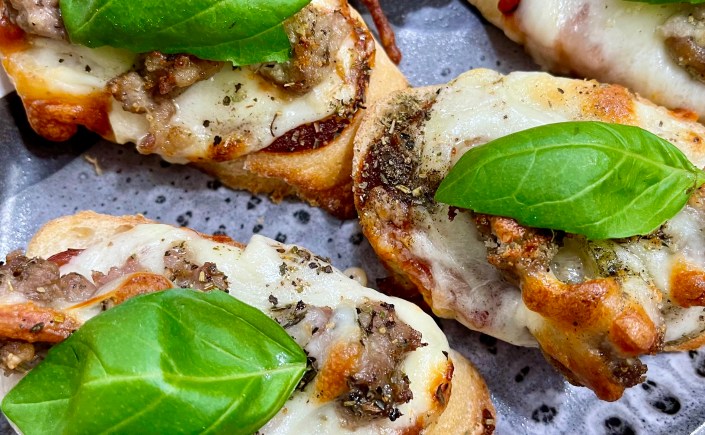
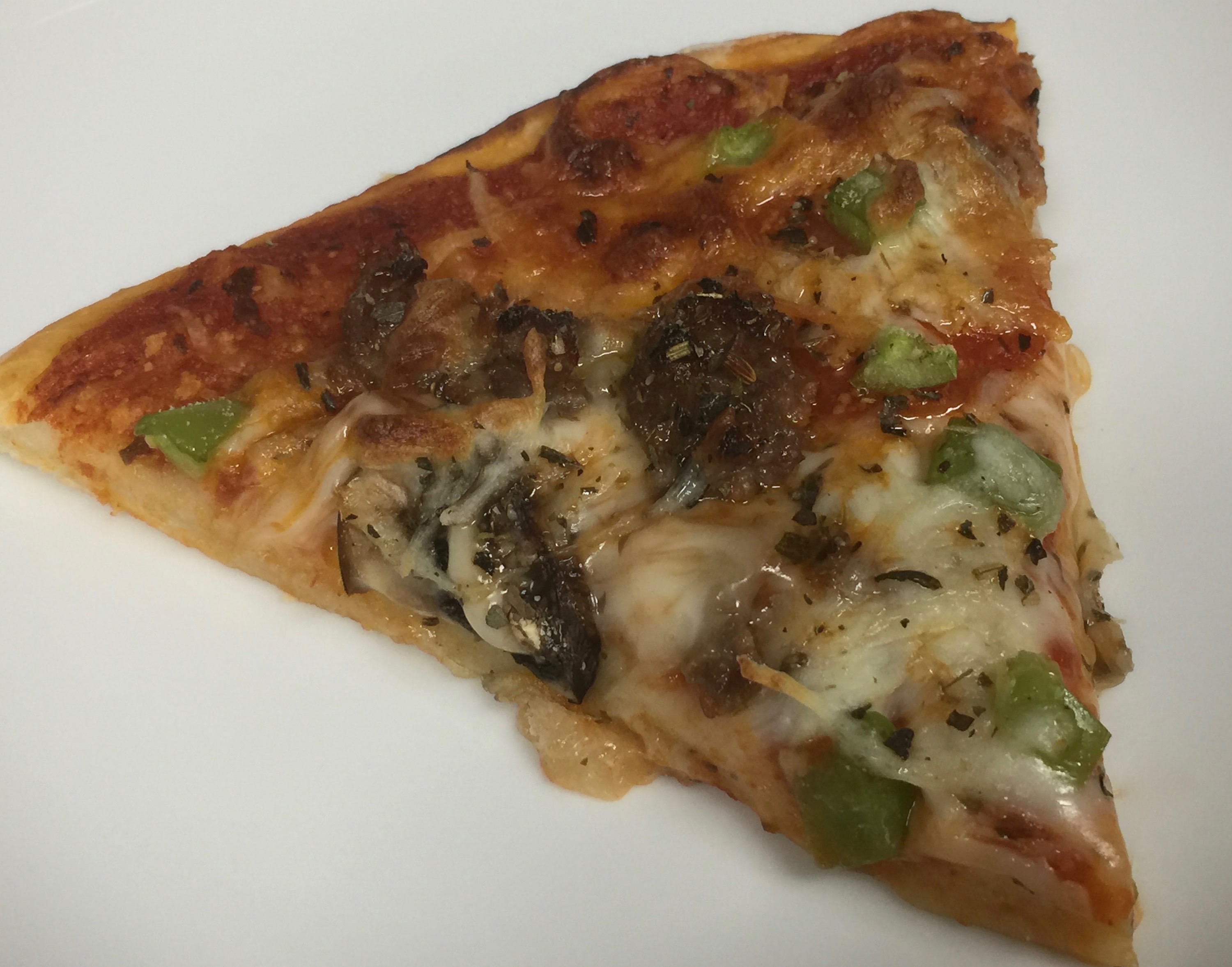
Fresh Out Of The Oven
Flatbread Pizza
INGREDIENTS:
2 Flatbreads
1/4 cup basil pesto
2 cups shredded mozzarella cheese
1/4 cup sun dried tomatoes packed in oil, sliced plus 2 TB oil from the jar
1 TB capers, drained
1/4 cup green pepper, diced small
1 tsp Italian seasoning
DIRECTIONS:
Preheat the oven to 400 degrees. Line a baking sheet with foil.
Arrange the flatbreads on the prepared pan. Spread the pesto over the flatbreads to about 1/2 inch from the edges. Spread the cheese on top of the pesto. Arrange the sliced sun dried tomatoes, capers and diced green pepper on top. Drizzle the oil from the sun dried tomatoes over the flatbreads. Sprinkle with the Italian seasoning.
Bake for 10-15 minutes or until the cheese is melted and slightly browned and the edges of the flatbread are slightly crispy.
Cut into slices and serve.











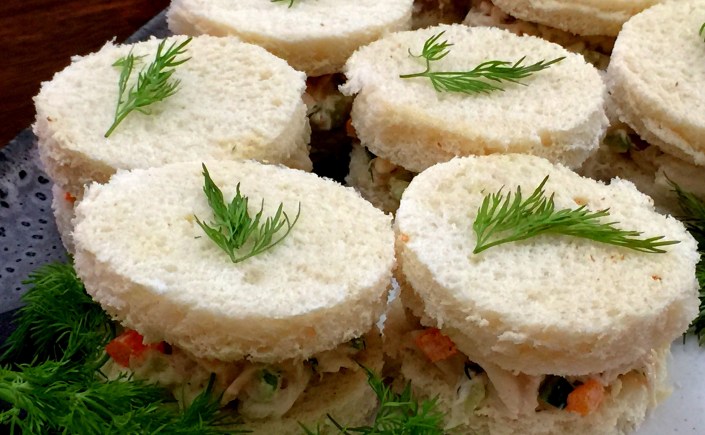
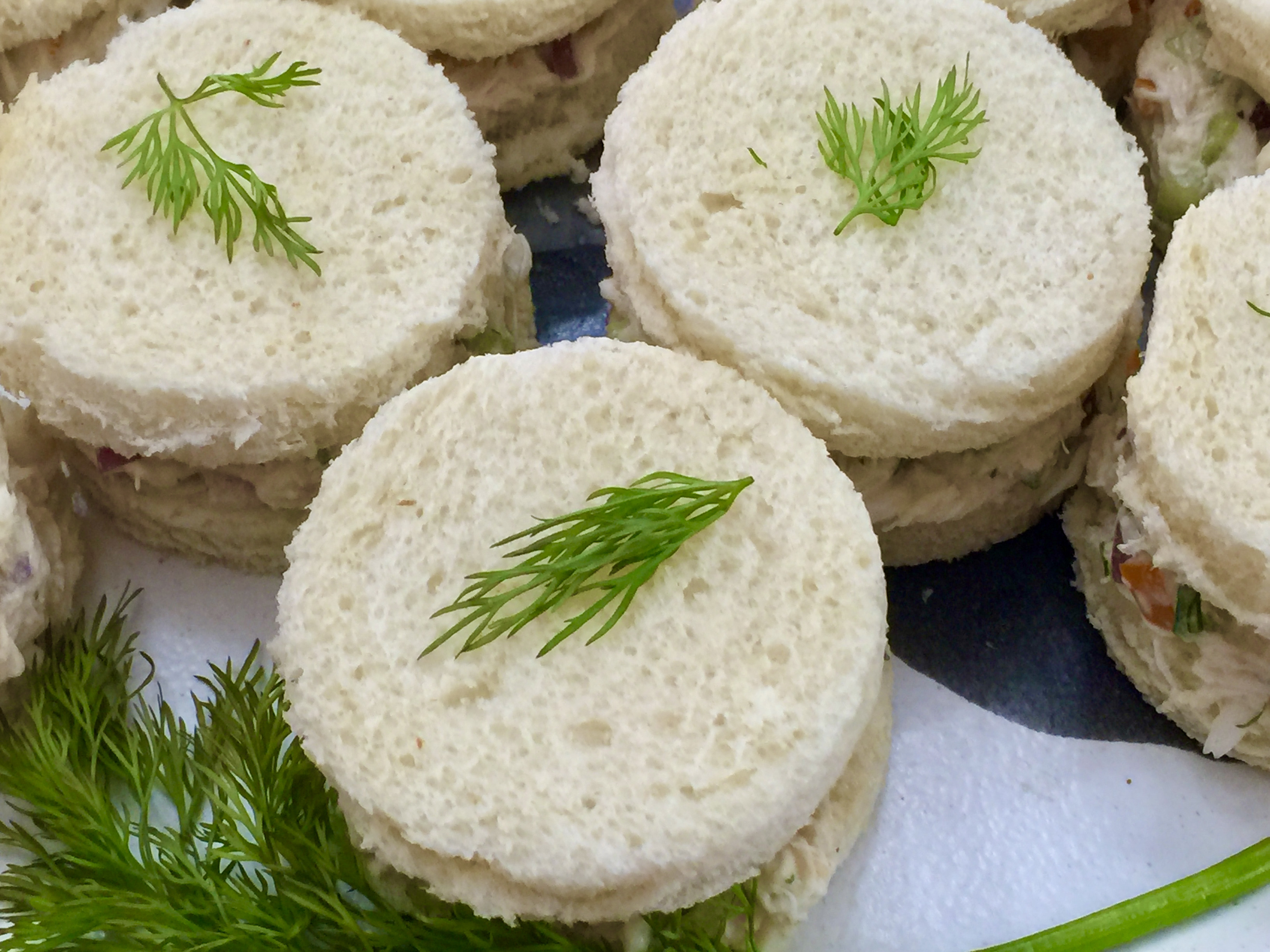
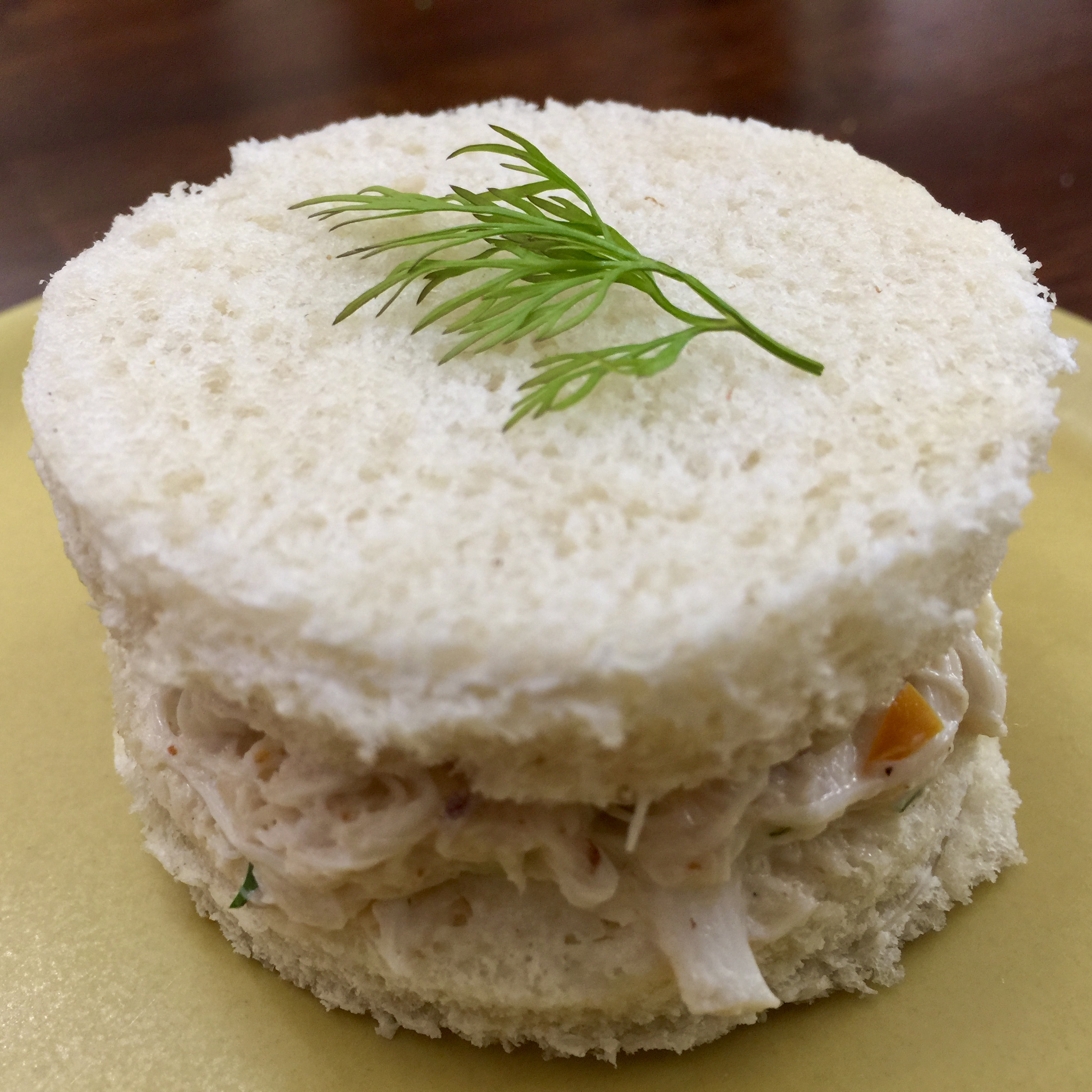
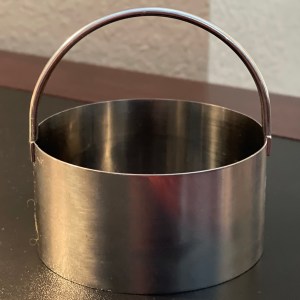 Lesson Learned 4 – The trick to cutting nice small round sandwiches: I used a 3 inch biscuit cutter to make the sandwiches. I found I could make one sandwich, top and bottom, out of one slice of bread. I also discovered a little secret. Initially when I was cutting out the circles I swirled the biscuit cutter like you would when you cut dough. That created somewhat scraggly edges on the bread. Since the bread is so soft anyway, all you need to do is press down with the cutter. The round will form, you can easily pop it out of the biscuit cutter and you wind up with nice smooth edges. Live and learn…
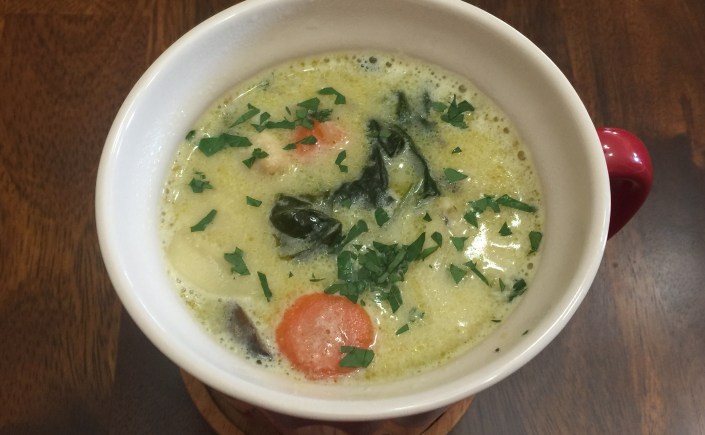
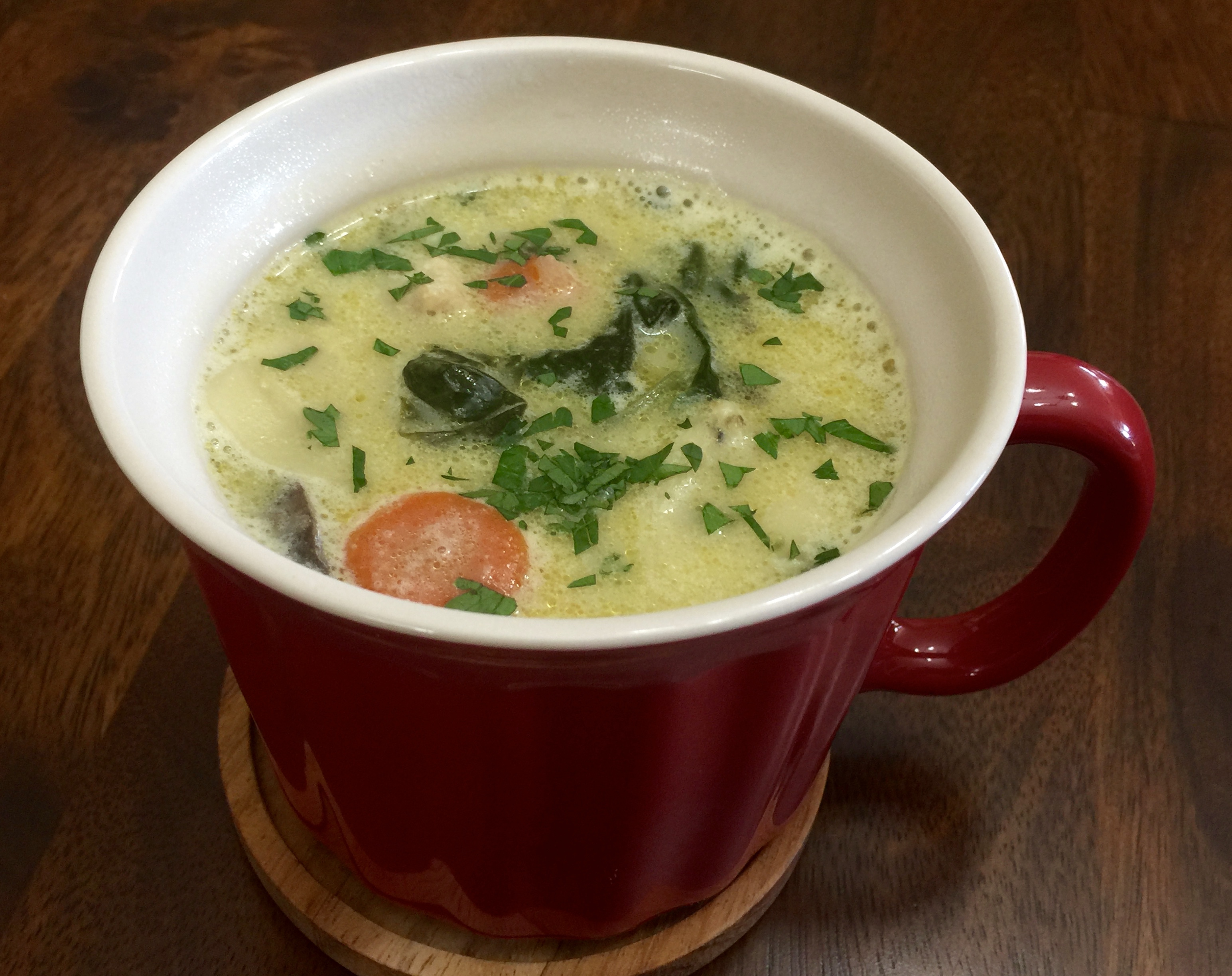
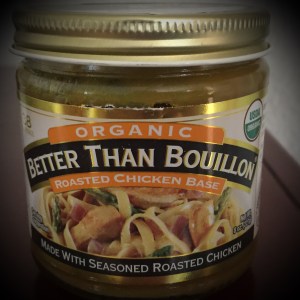 Lesson Learned 1 – I love Better Than Bouillon: Many recipes call for adding bouillon cubes or granules to enhance the flavor of a soup. I’ve found that Better Than Bouillon is a great substitute and gives the soup more depth of flavor compared to the cubes or granules. I highly recommend using it but if you don’t have it substitute a couple of cubes or a tablespoon of granules and that will add some additional flavor. But you will definitely notice the difference in flavor if you use Better Than Bouillon.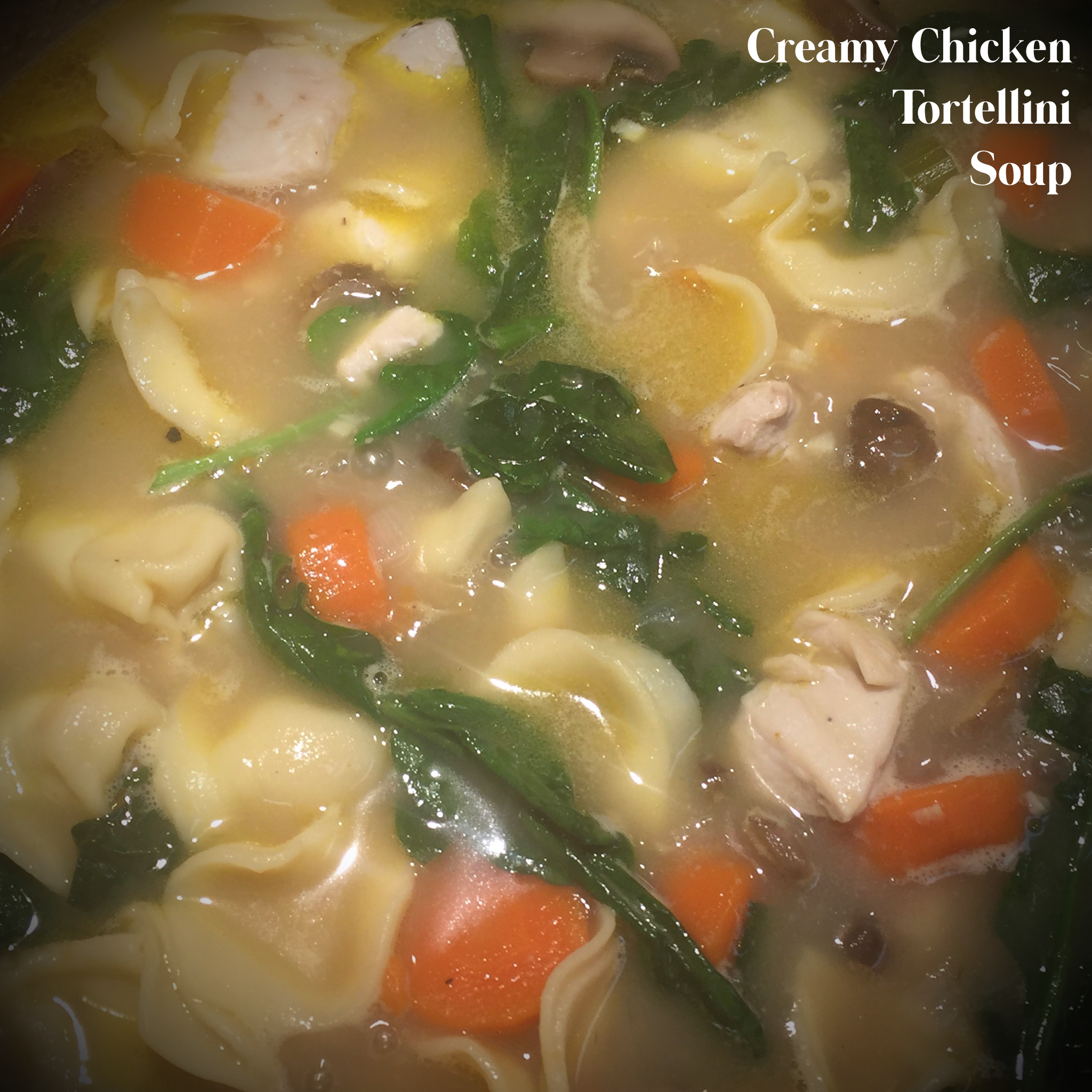
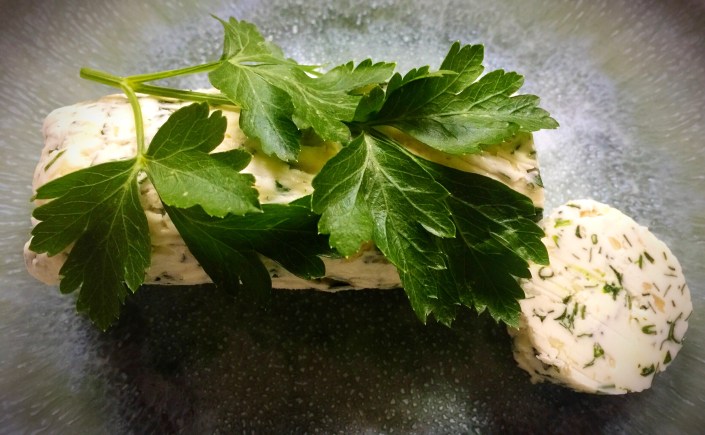
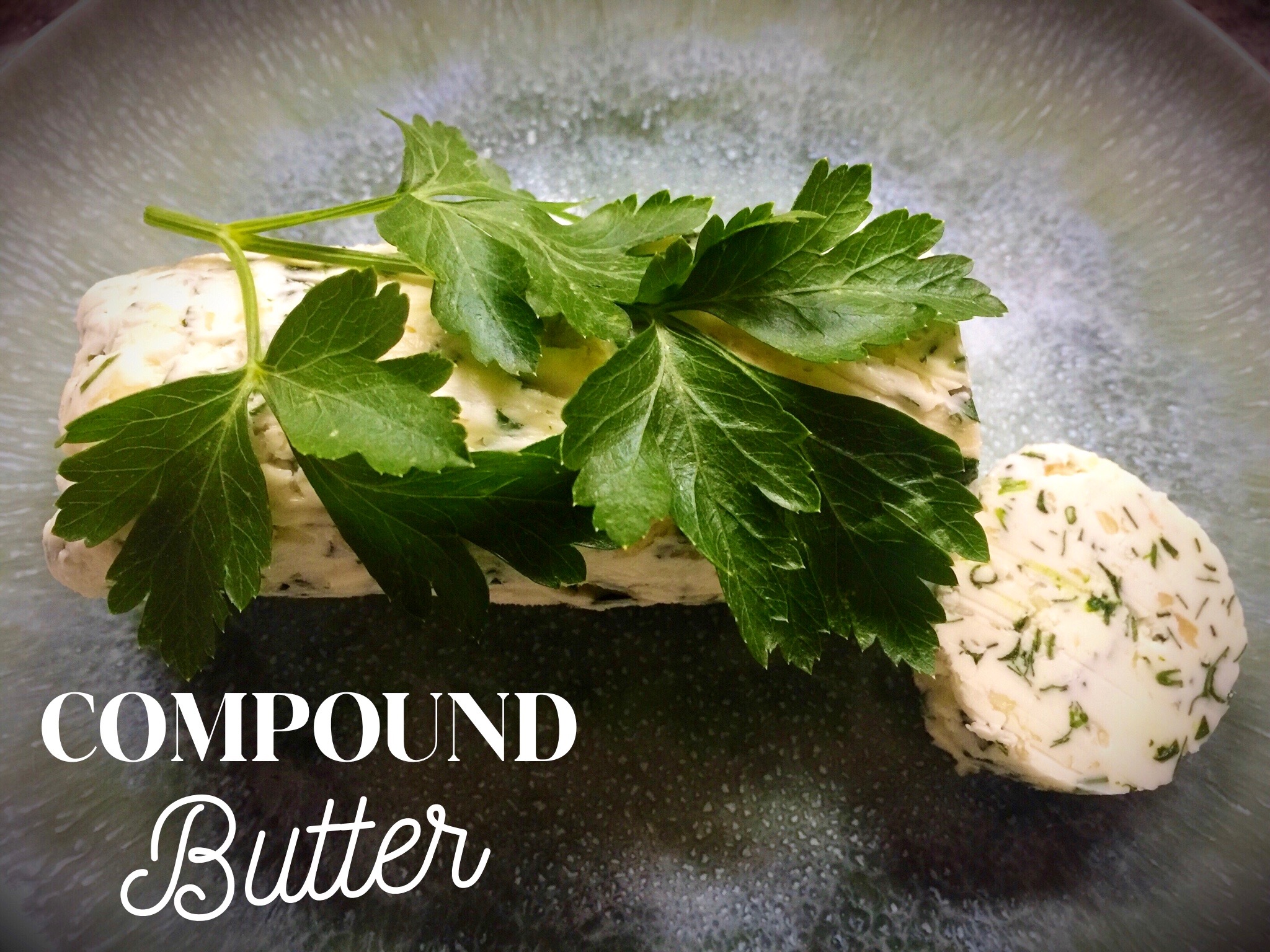
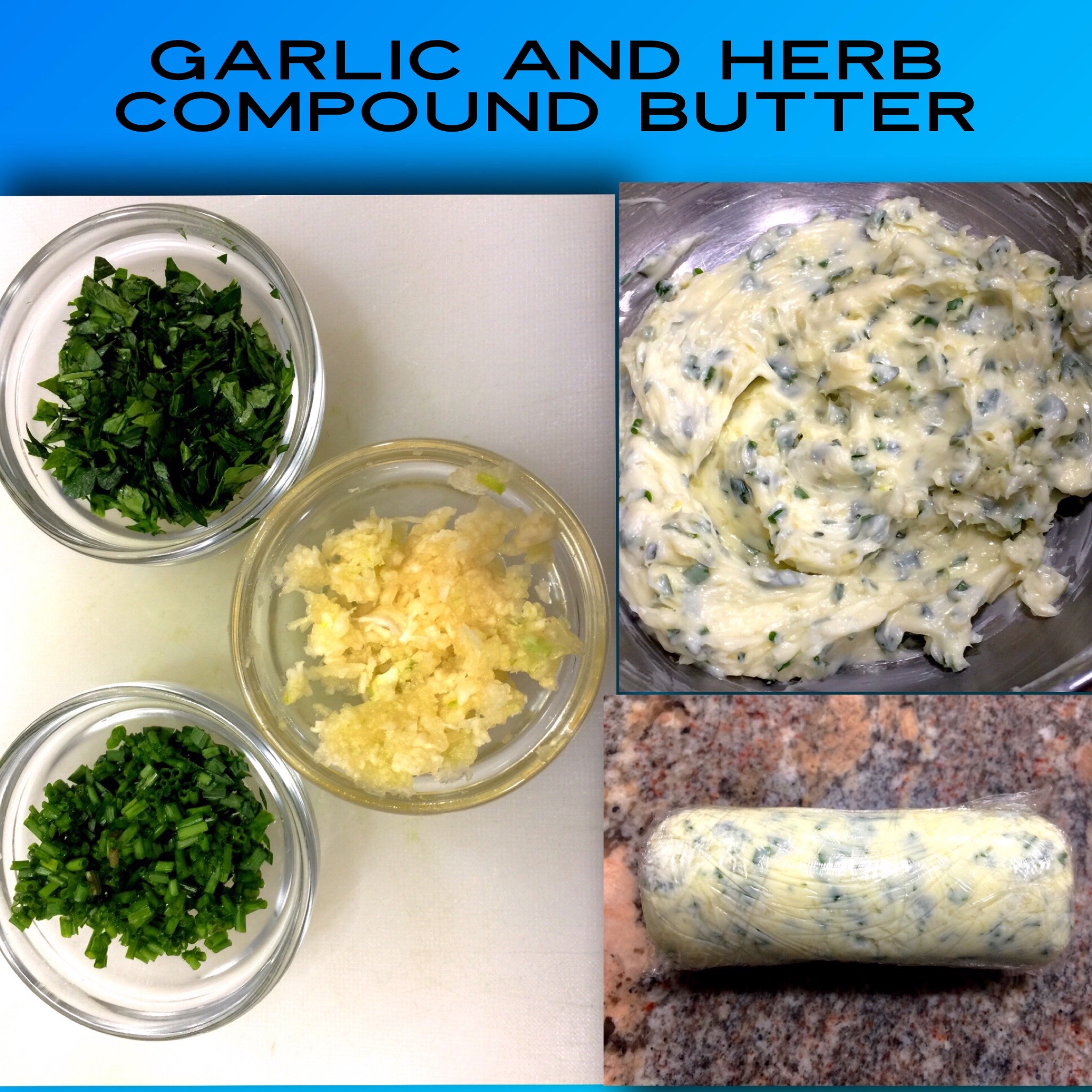
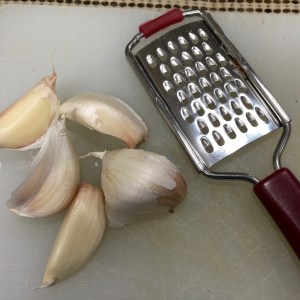 Lesson Learned 4 – Don’t make this butter if you don’t like garlic: This butter has a healthy dose of grated garlic in it and the flavor is very robust. If you don’t like garlic you won’t like this compound butter. I recommend using fresh cloves of garlic and a grater to process the garlic. Grating fresh garlic, in my estimation, allows the full garlic flavor to shine through.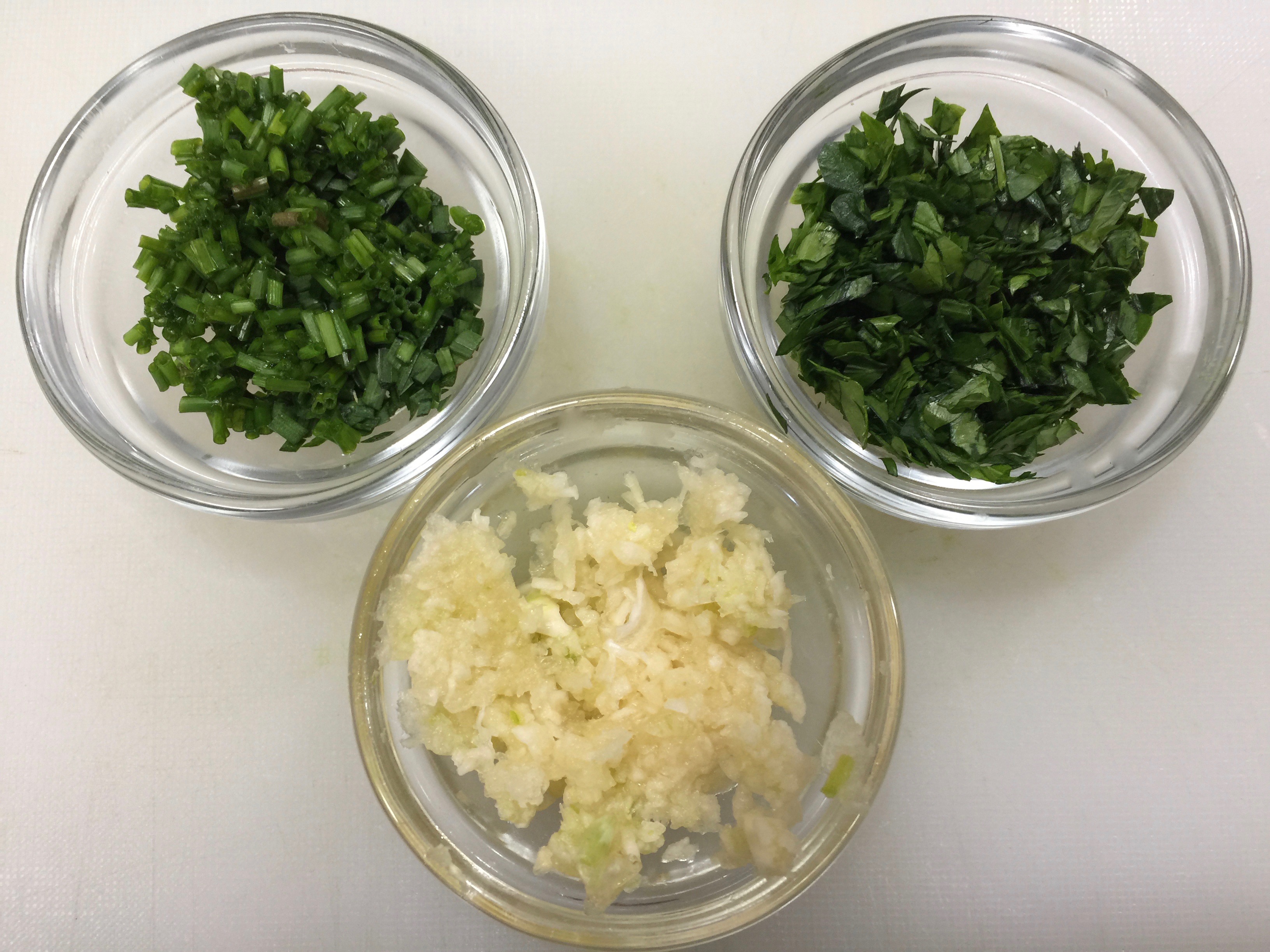
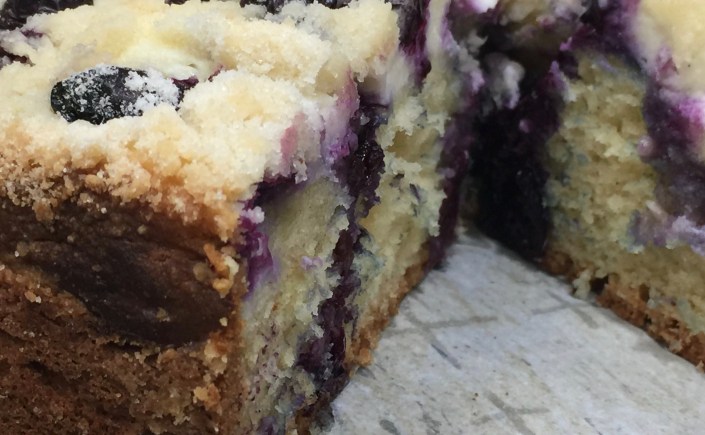
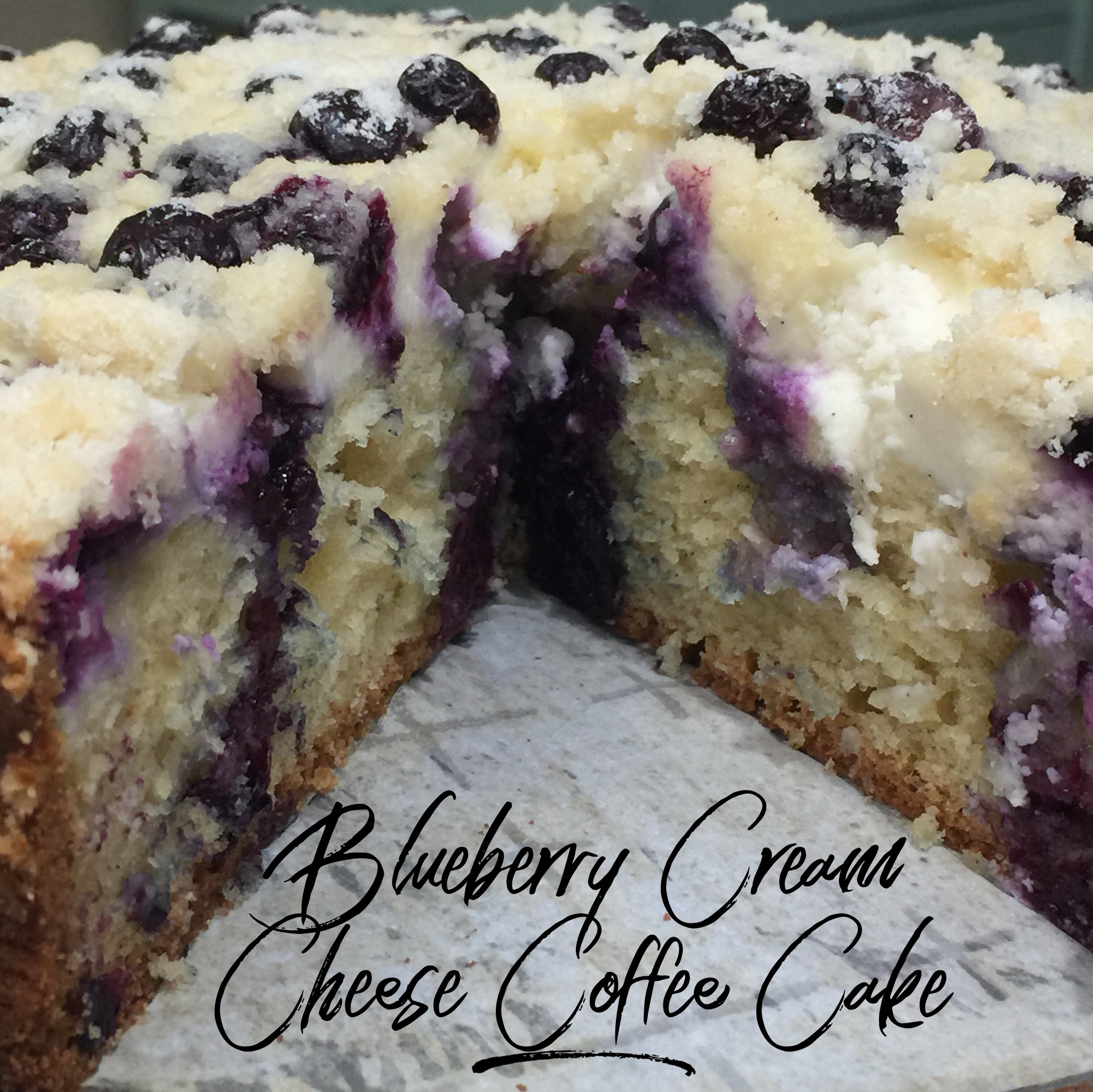
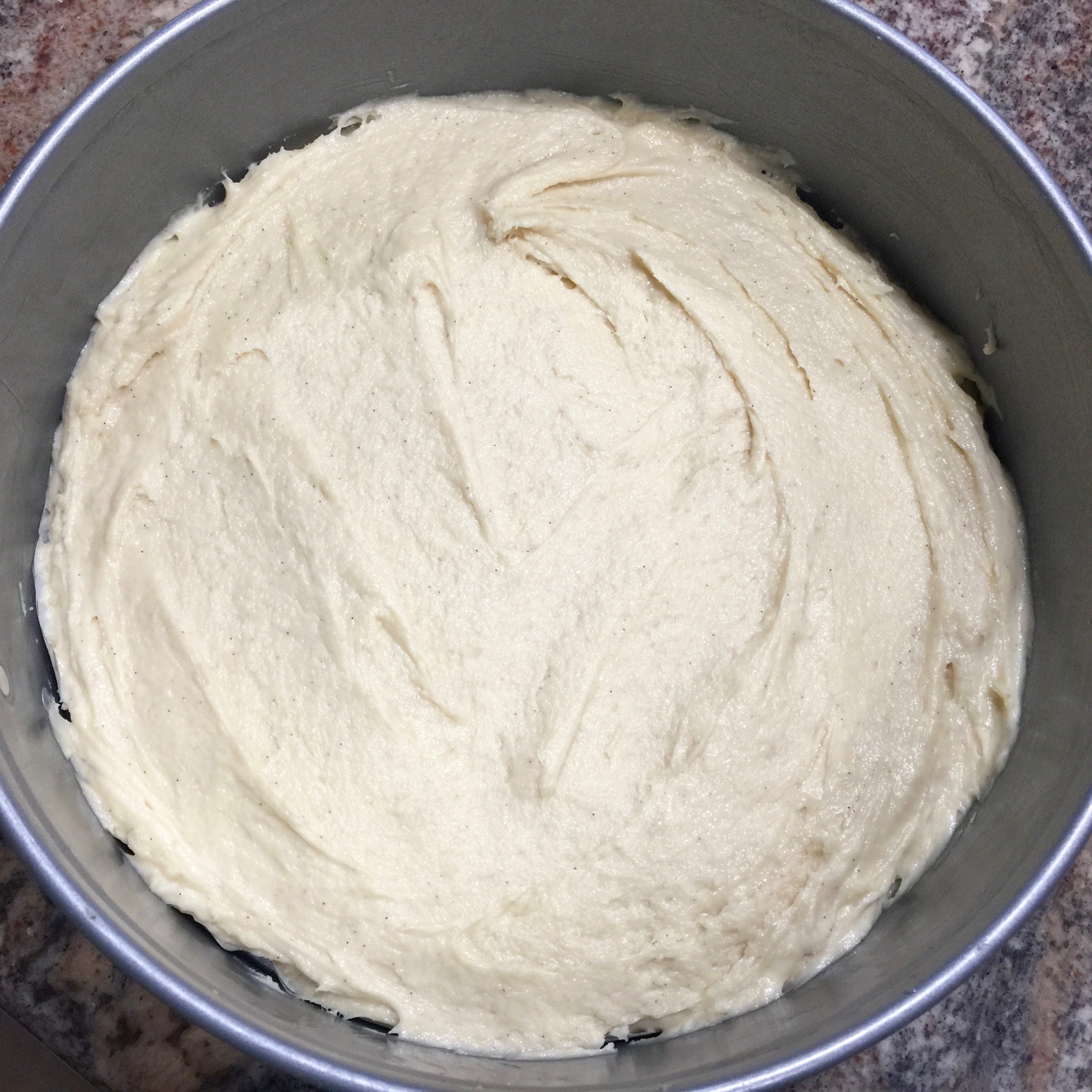
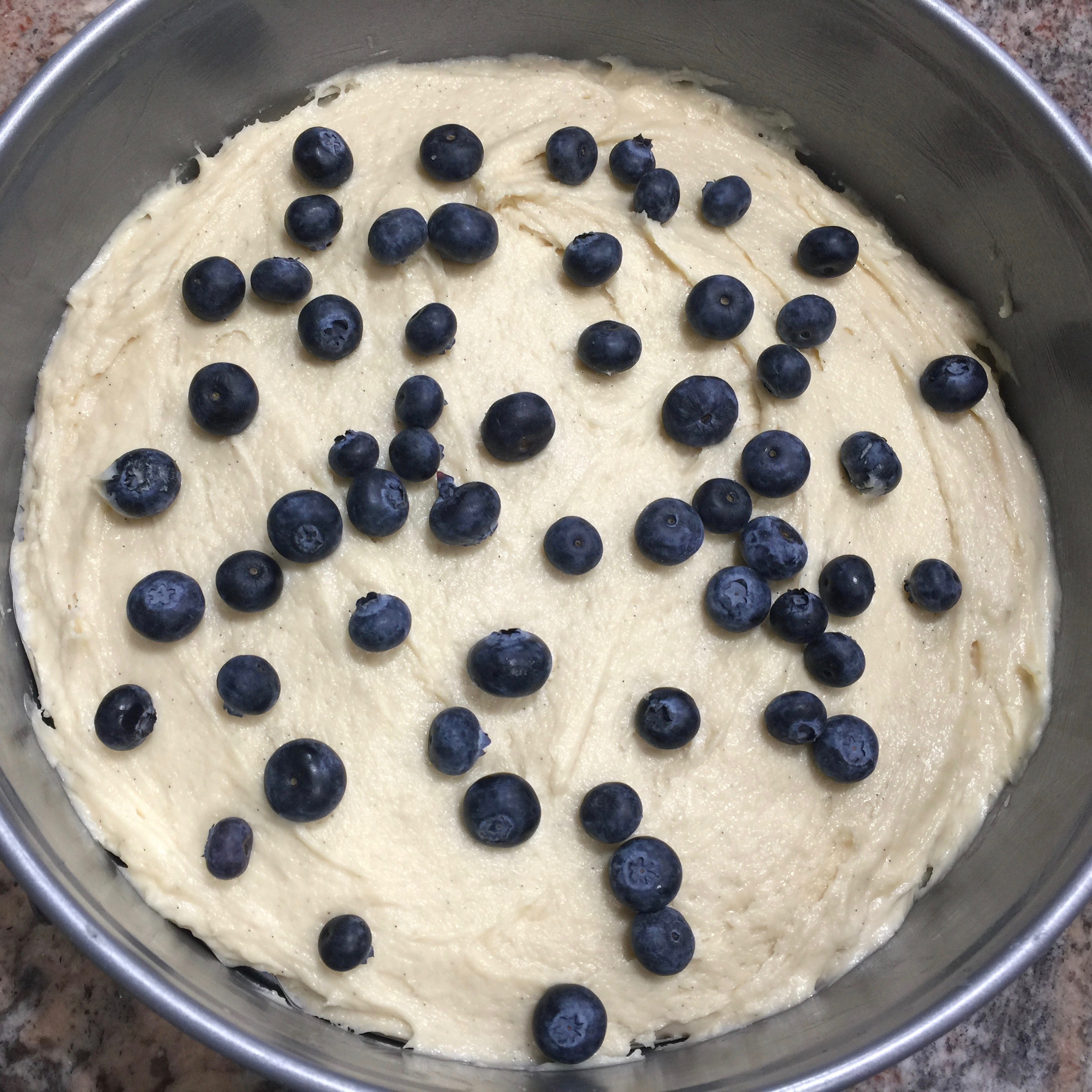
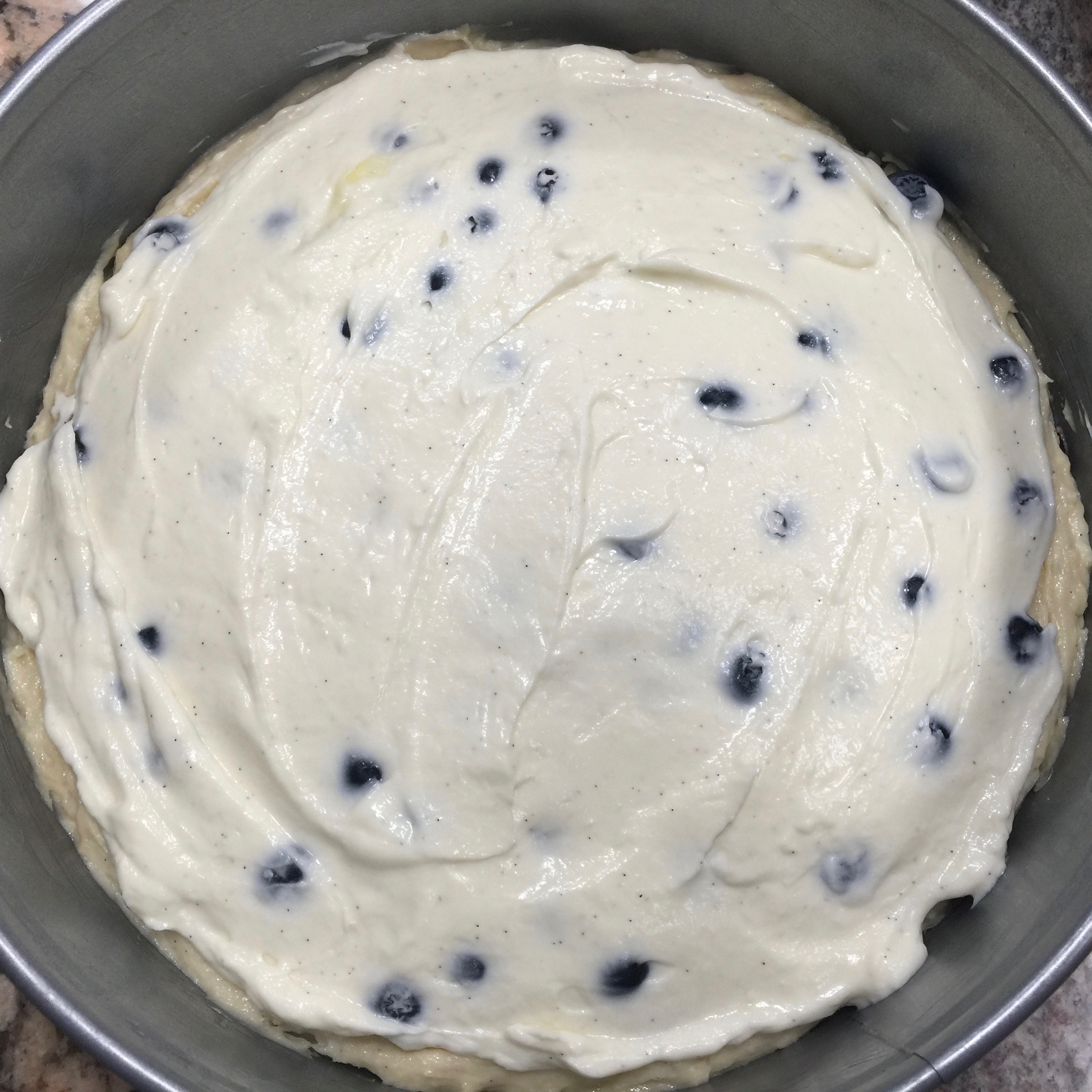
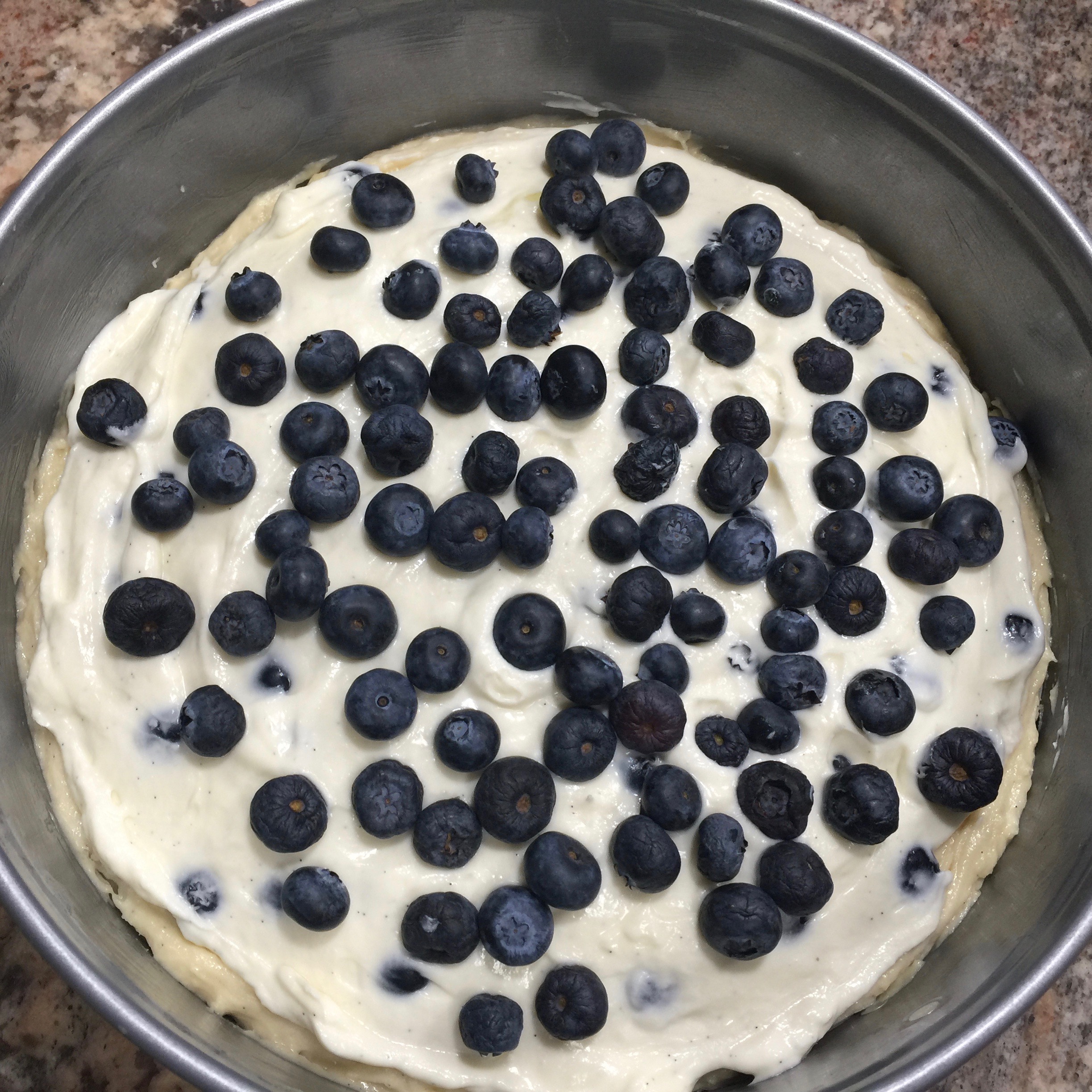
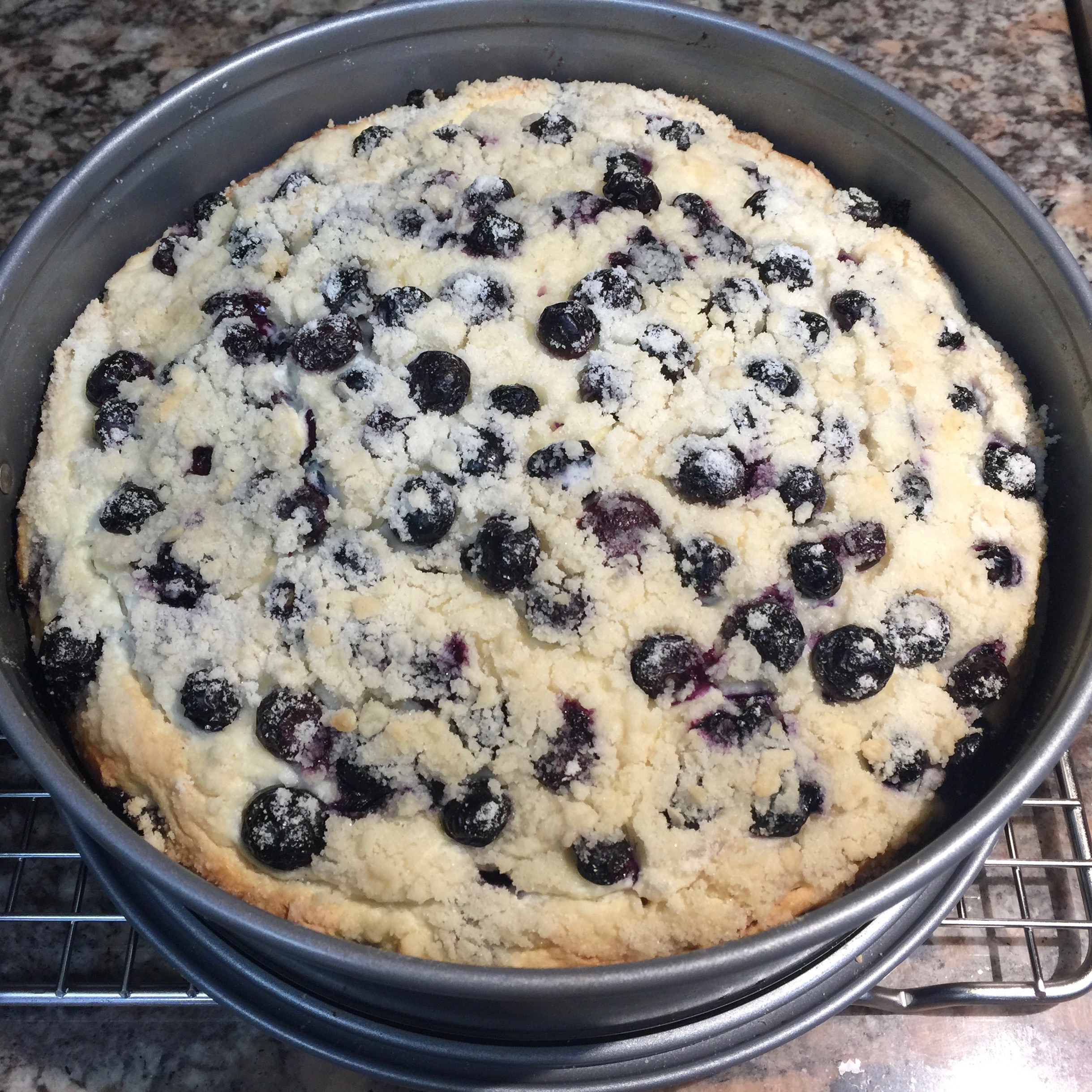


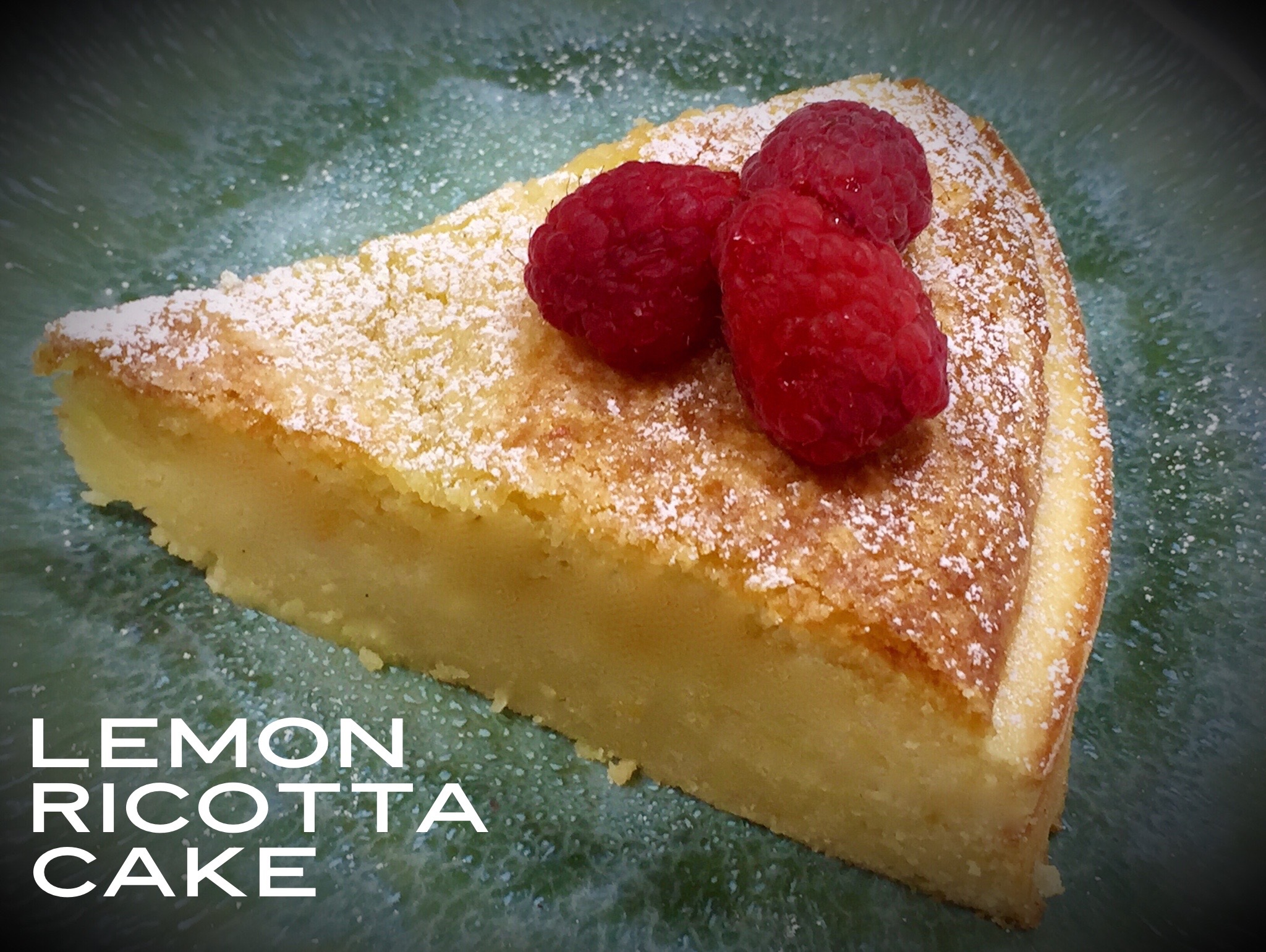
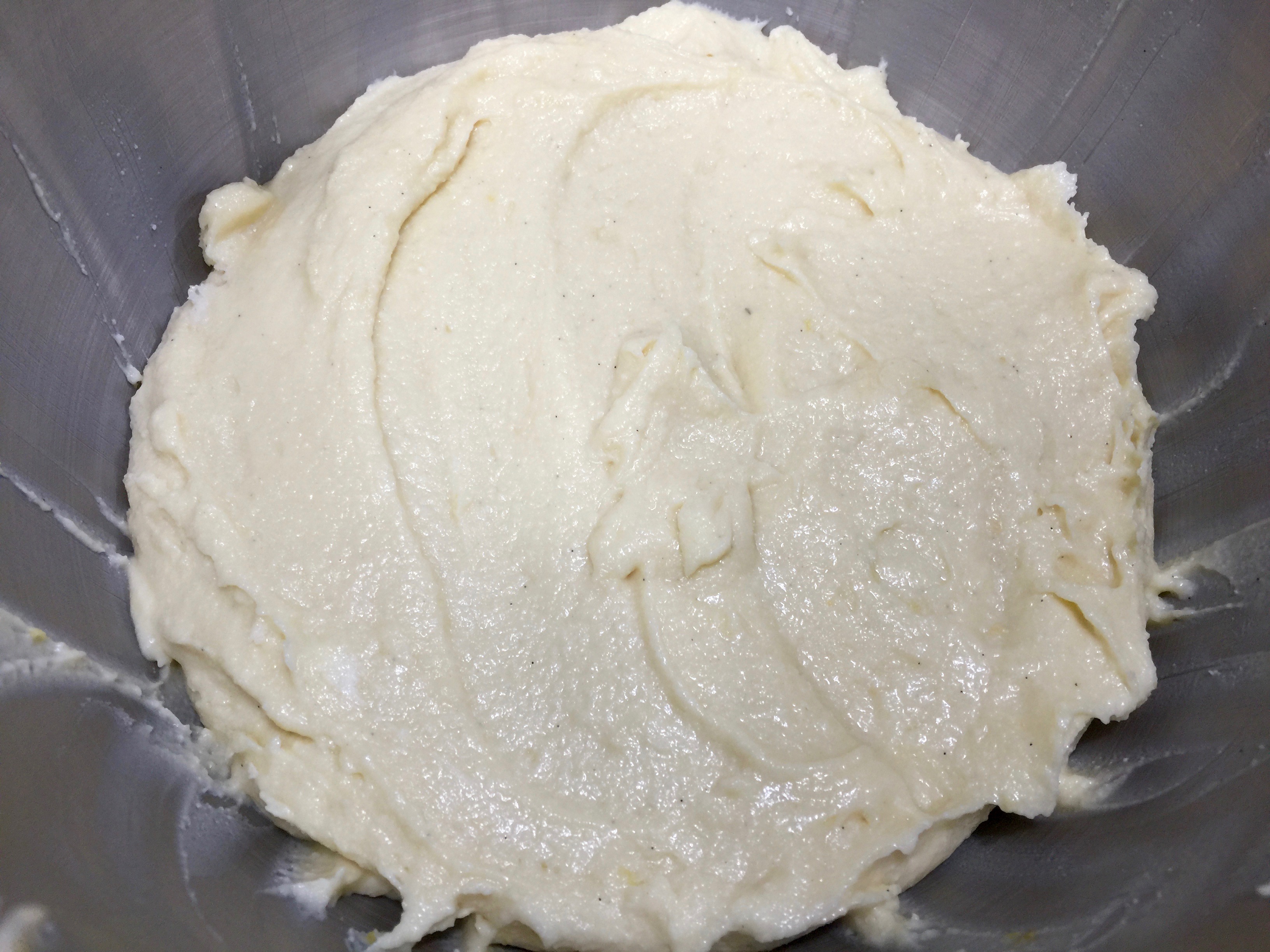
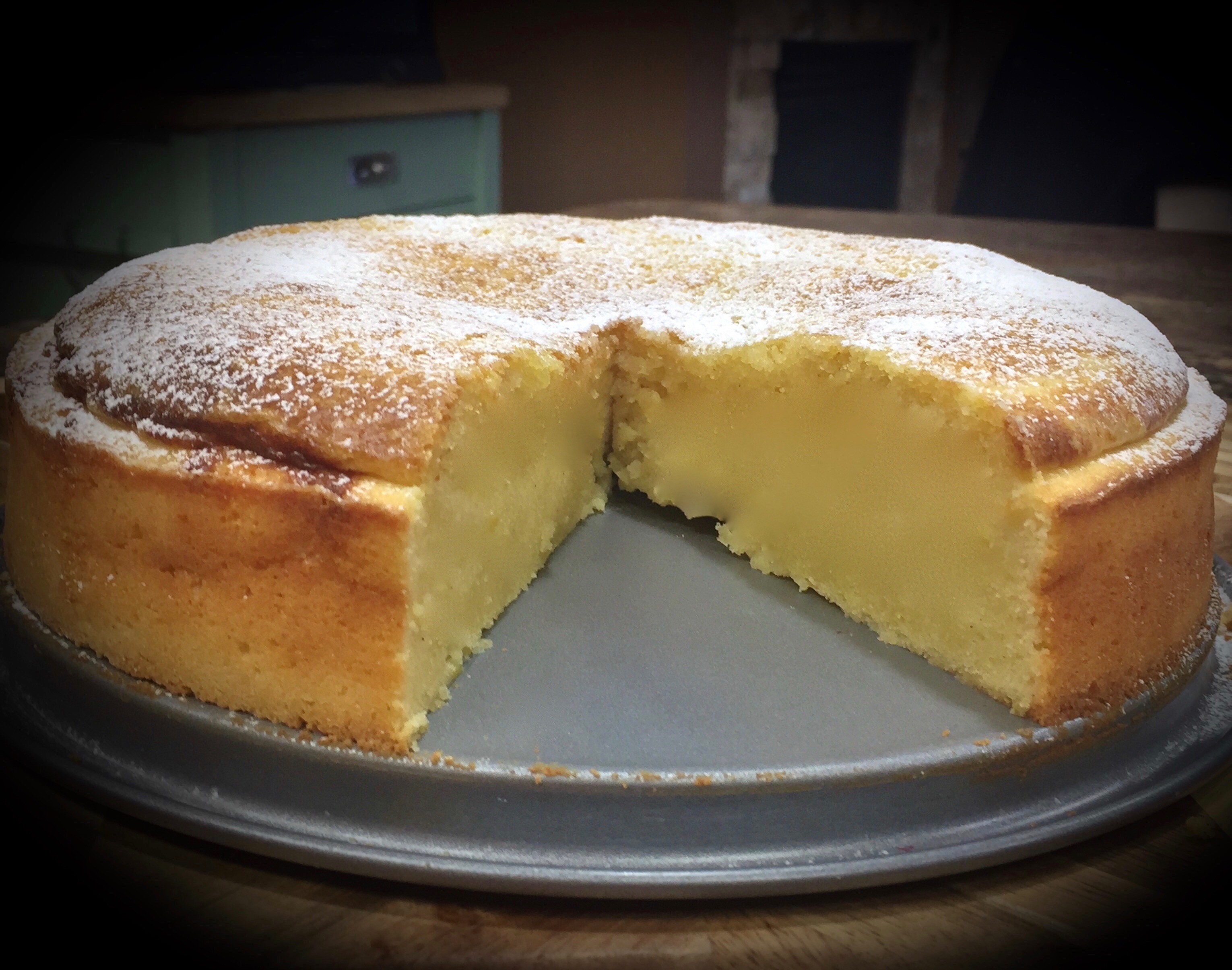
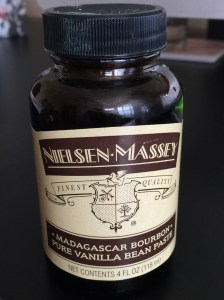 Lesson Learned 4 – Try using vanilla bean paste: I was made aware of vanilla bean paste during a cooking class and I love it. I don’t use it all the time as a jar can be quite expensive ($20 or so) but in dishes where I want a richer vanilla flavor I use the paste. I wouldn’t use it for making cookies but for cakes or custards it adds much more depth of flavor. It measures just like vanilla extract (a teaspoon for a teaspoon) but it gives a much richer vanilla flavor than extract. If you can afford it try it sometime.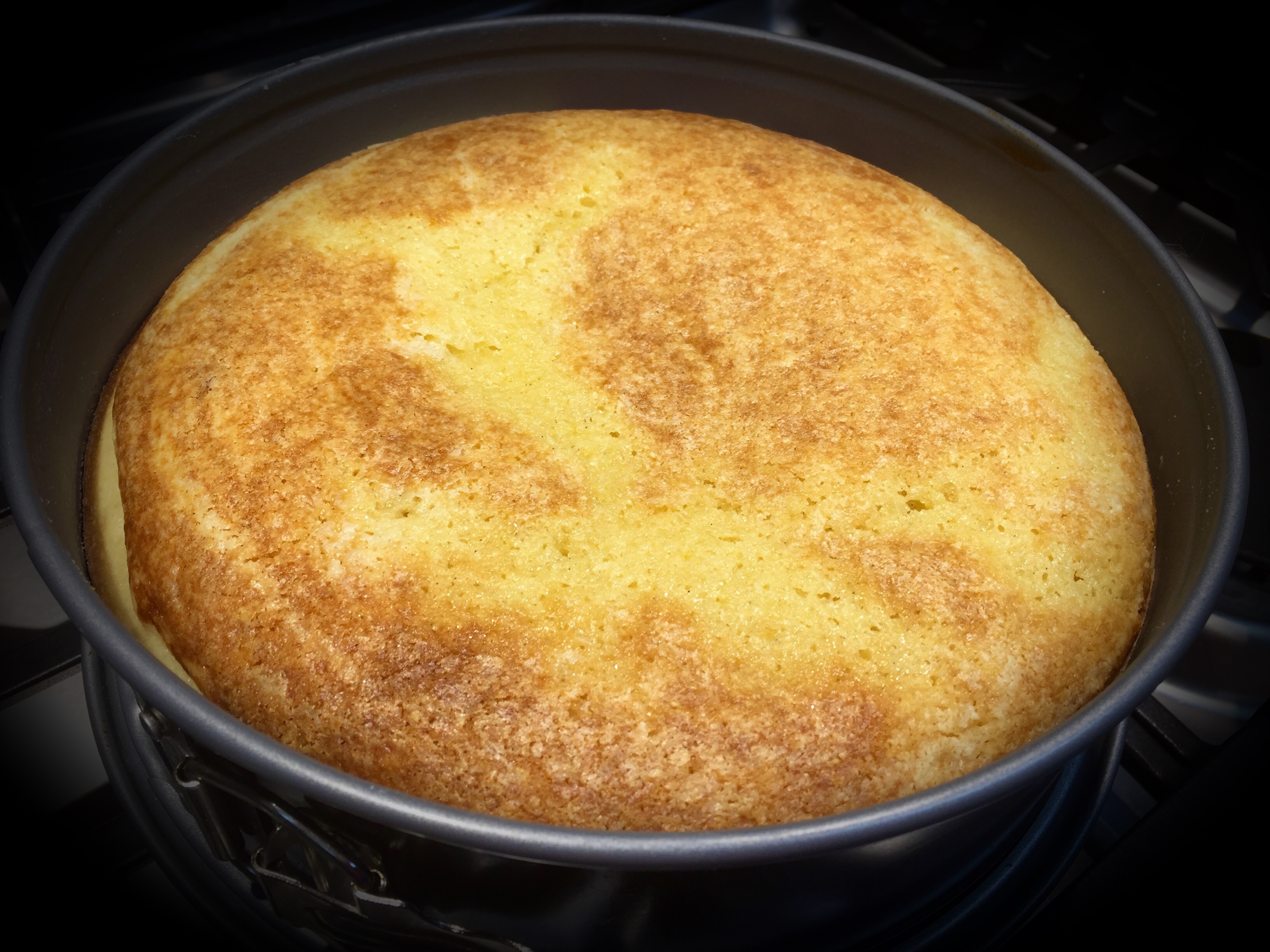

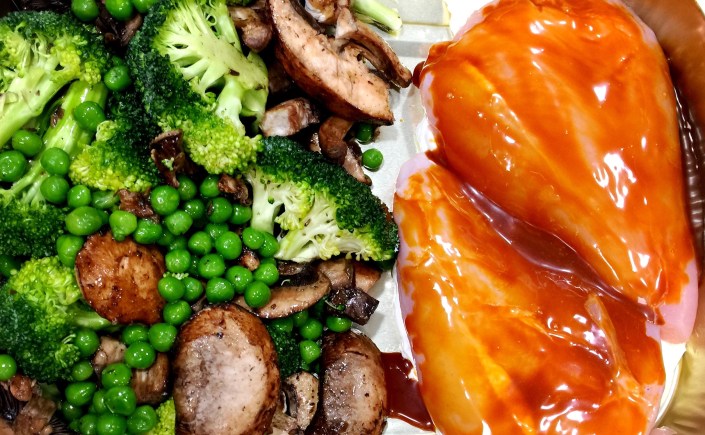
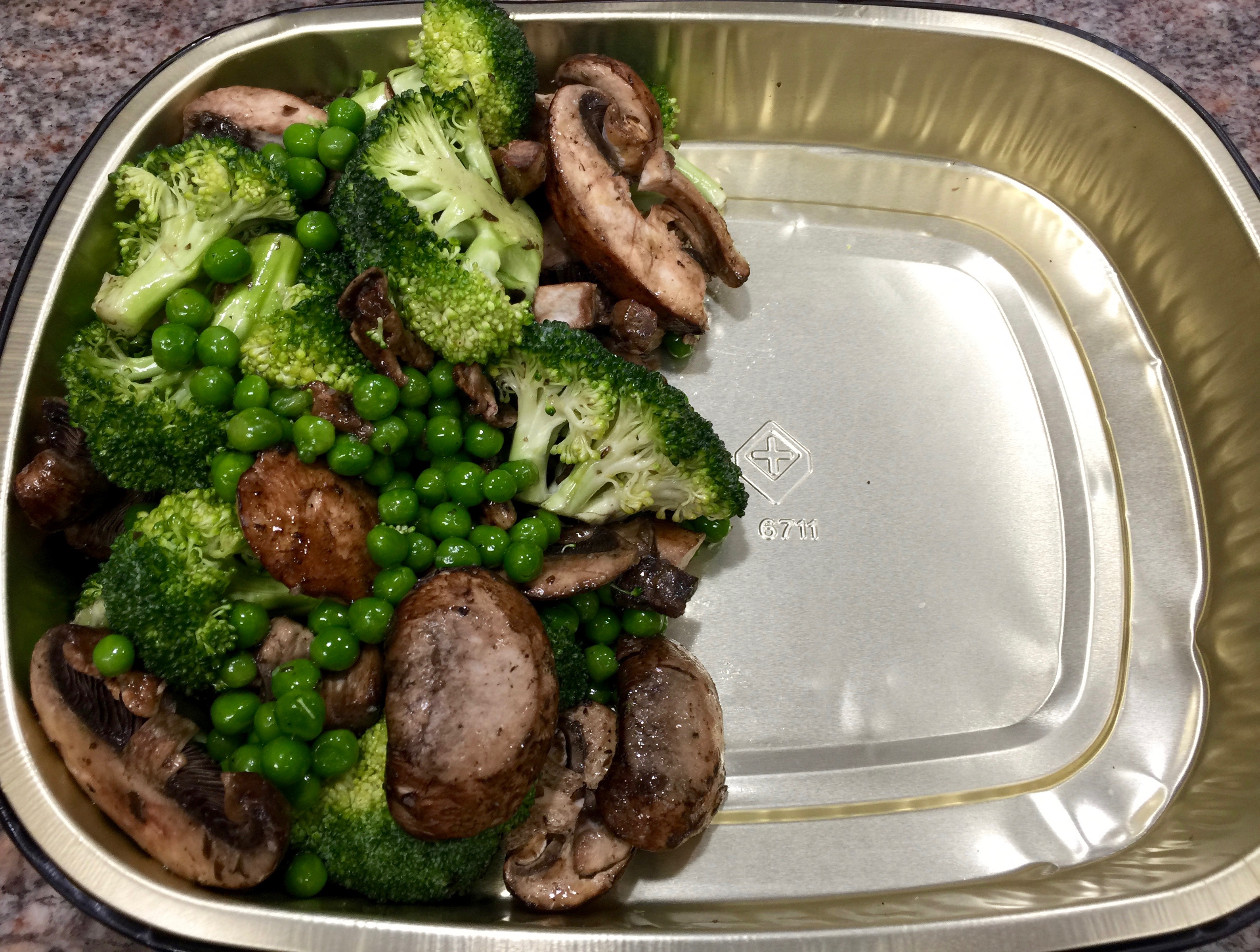
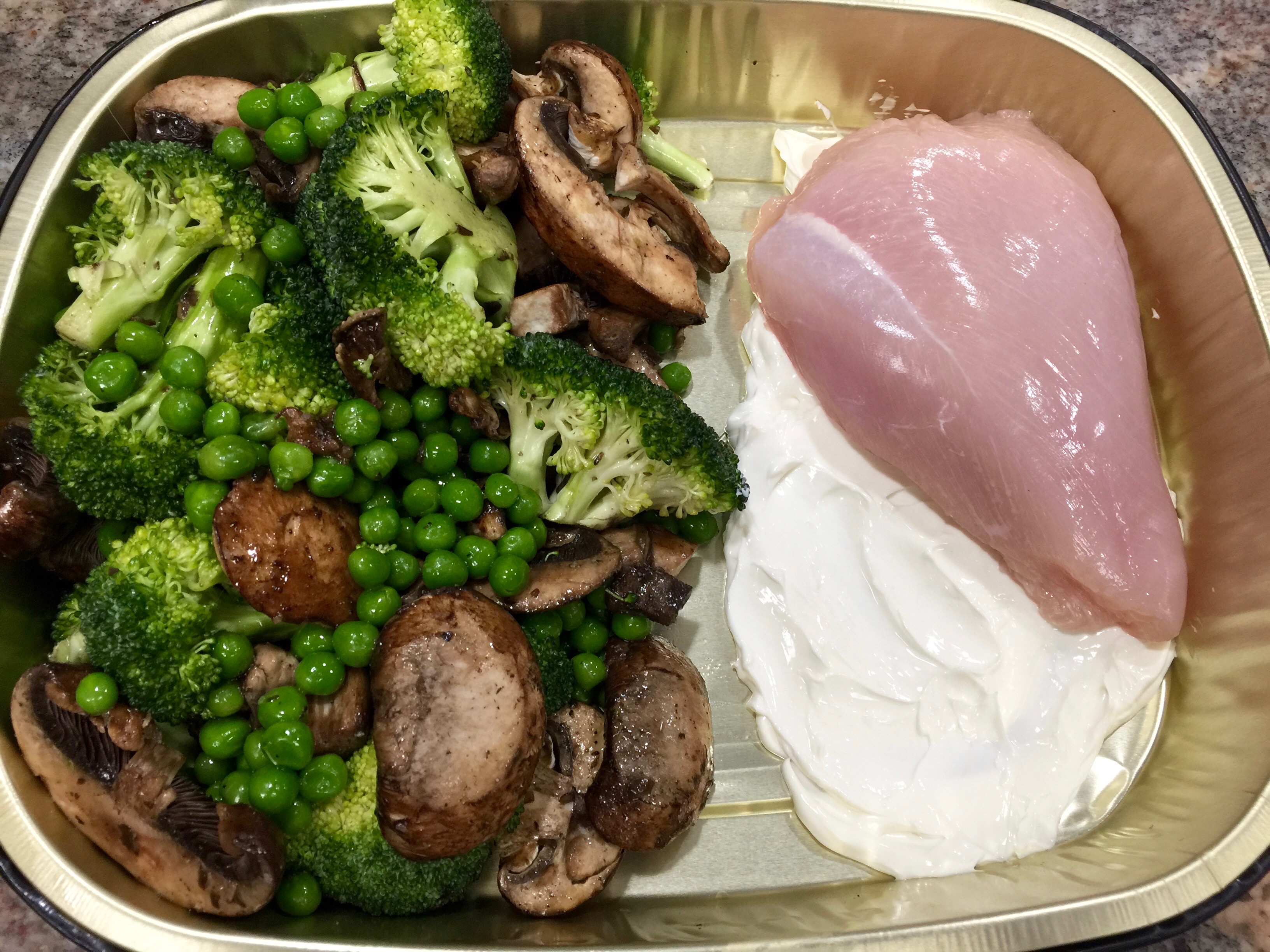
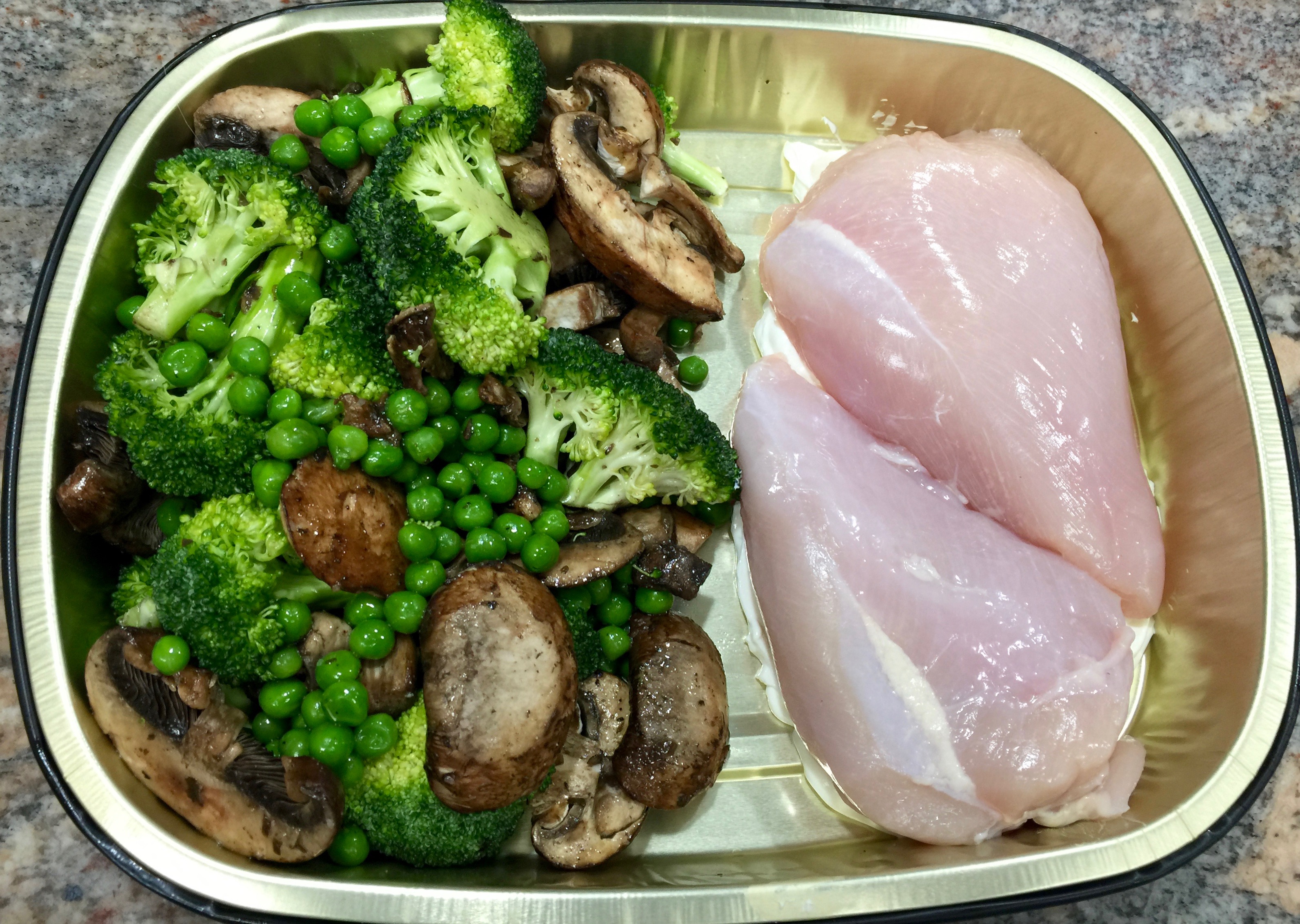
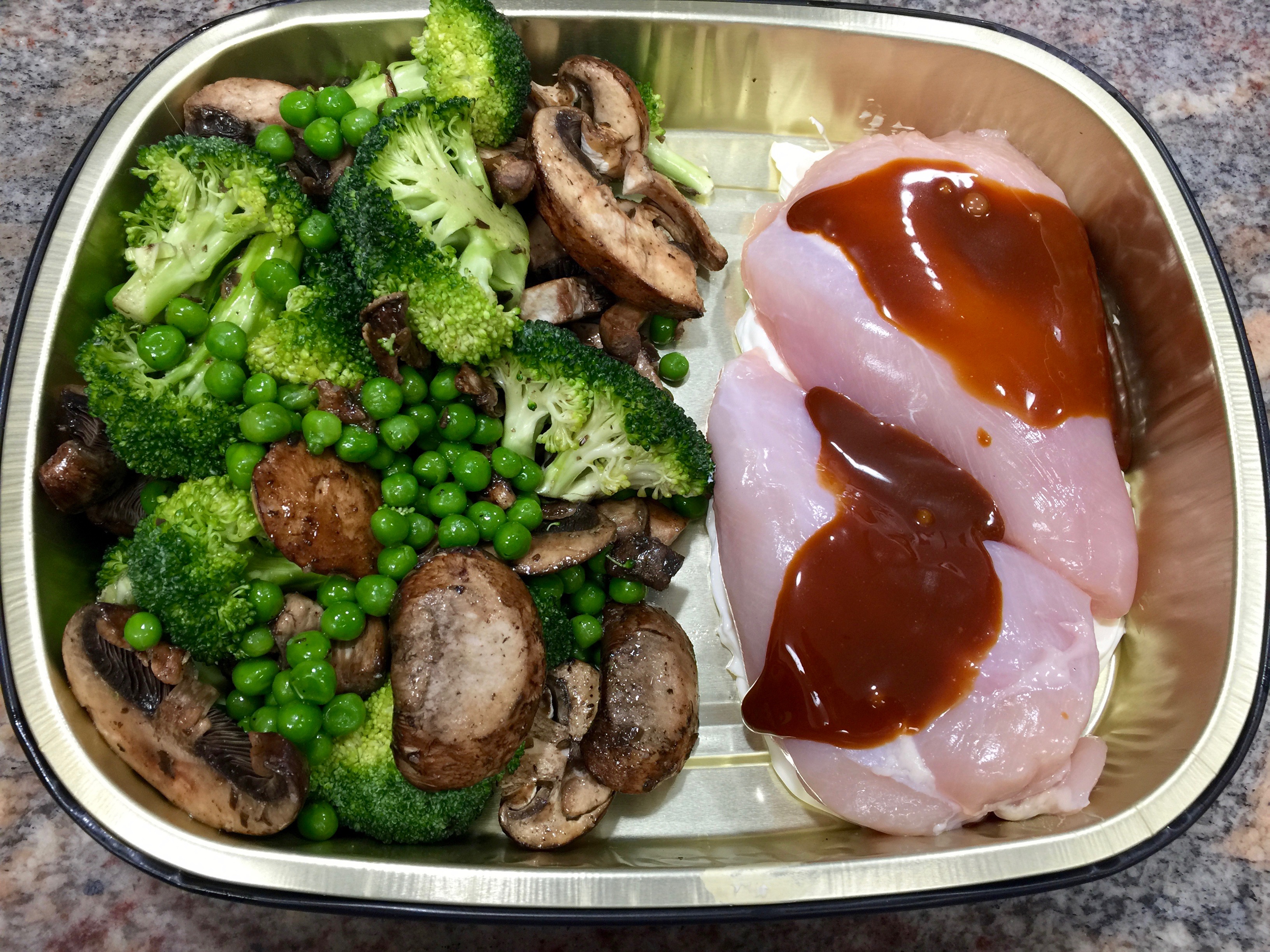
 Lesson Learned 1 – Recipes are designed to be guides, not gospel: The instructor in one of my more recent cooking classes said this and it really struck home with me. When you are making something savory, make the recipe your own. You don’t have to follow the recipe exactly ingredient by ingredient. Now mind you, this is not the case when you’re baking – you need to be precise with those recipes. But savory recipes can take on a life of their own depending upon your likes and dislikes. So feel free to experiment. Some of my most popular recipes were a result of doing just that.
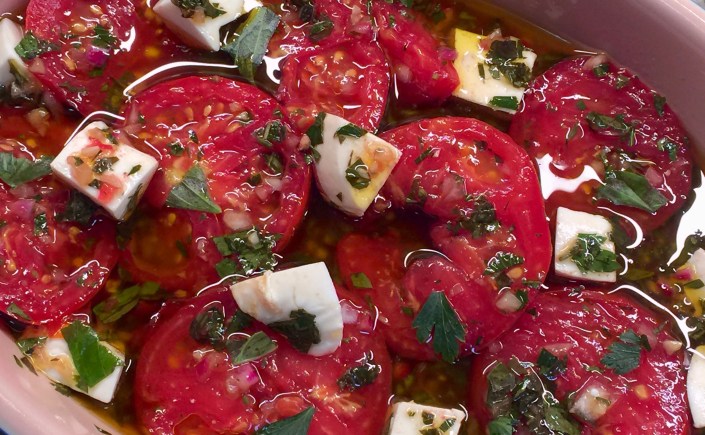
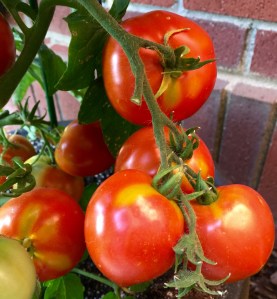
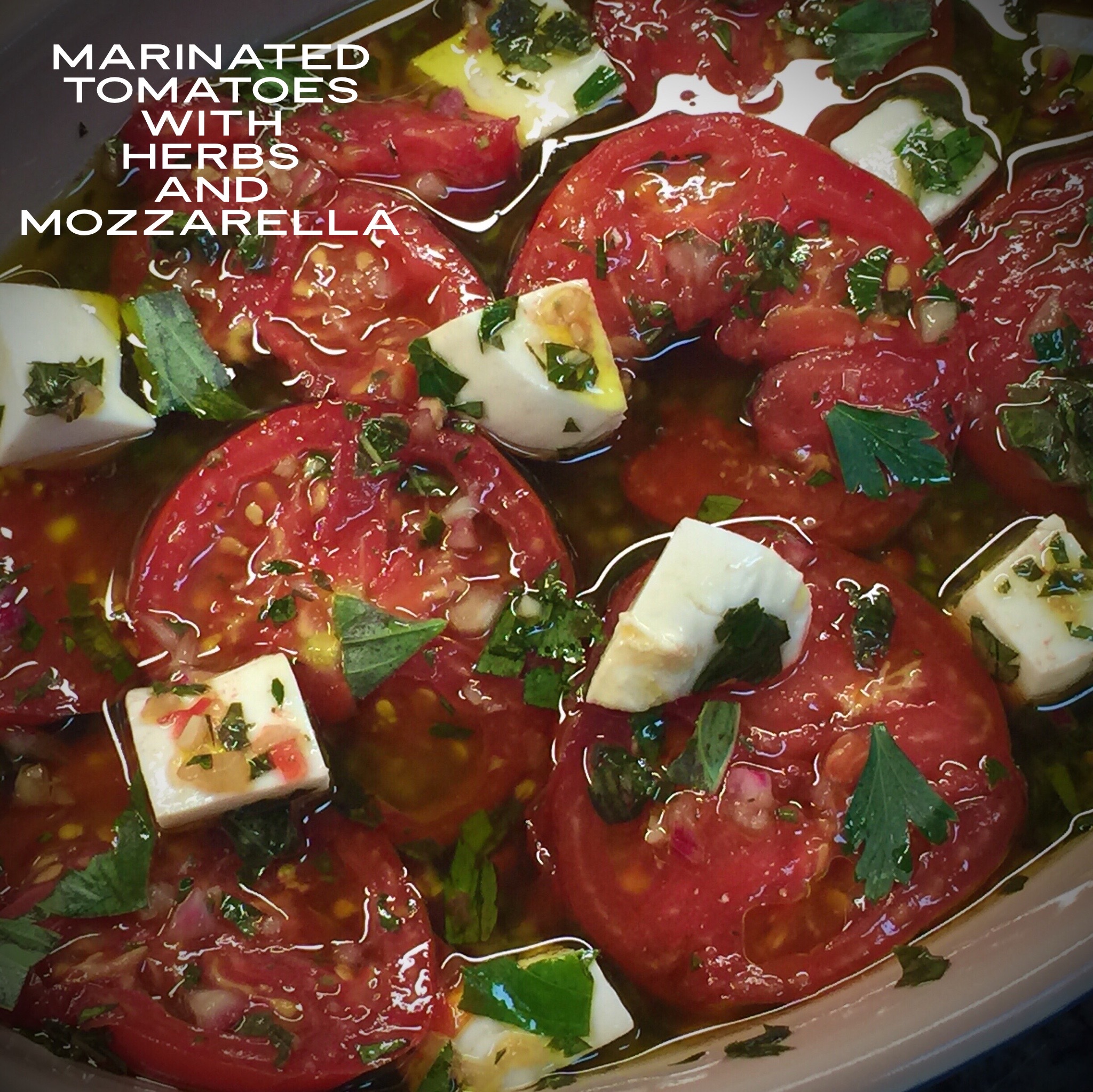
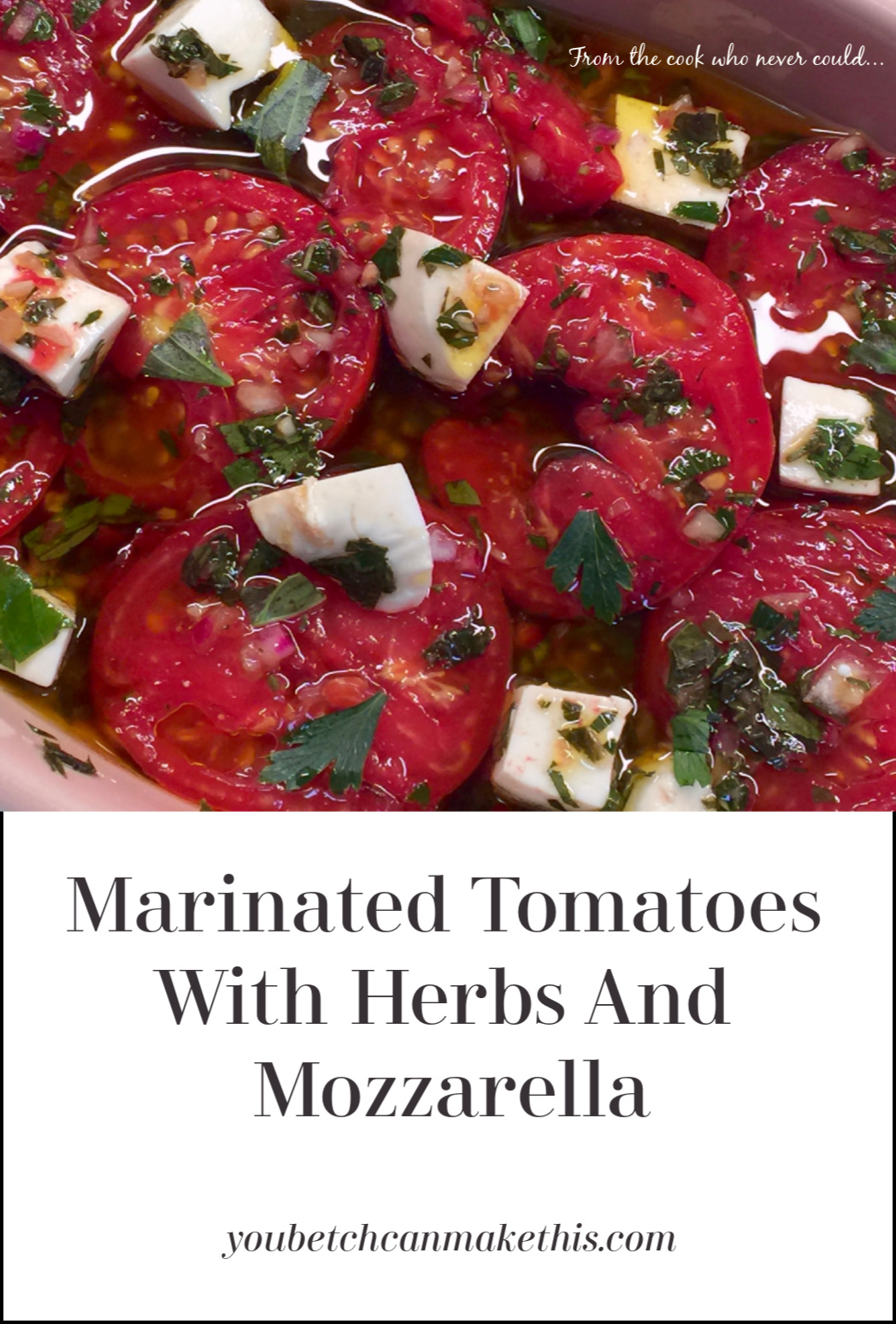
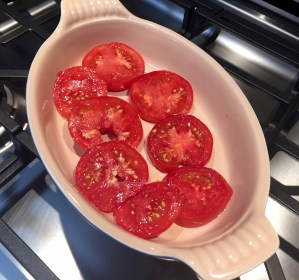 Lesson Learned 1 – Cut the tomatoes at least 1/2 inch thick: The marinating process will break the tomatoes down slightly so if you cut them too thin you’ll wind up with mush. Make sure to cut them thick to avoid that. Also make sure you don’t layer them but rather put them in a single layer. That way you’ll be able to get the full effect of the marinade.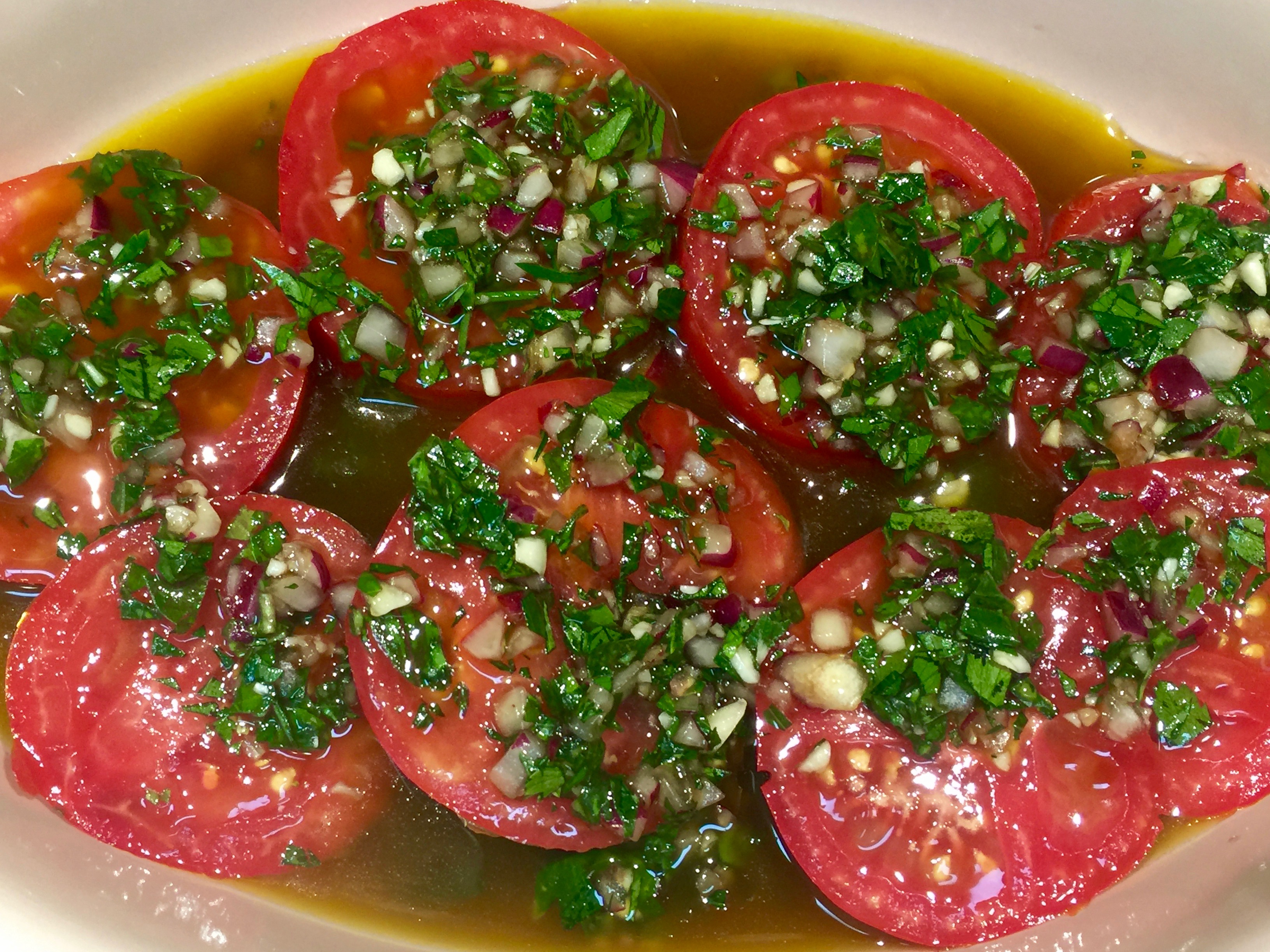
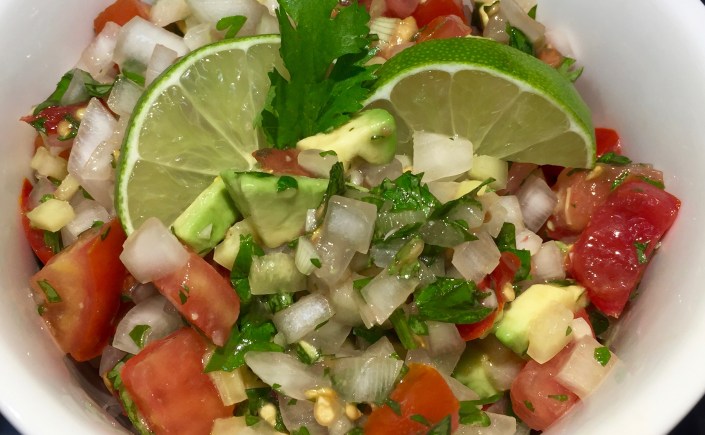
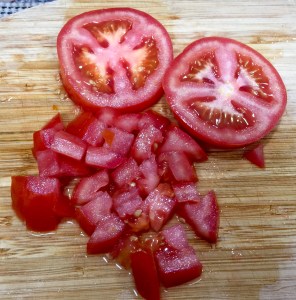 Lesson Learned 1 – I recommend prepping the tomatoes first: There’s a good reason for this. Tomatoes are filled with moisture and you want to give them an opportunity to release some of that moisture before you mix them with the other ingredients. You don’t want soggy pico de gallo. I chopped my tomatoes into small bite size squares and placed them in a strainer over a bowl. That way I could drain off their excess water. With the amount of tomatoes I used, I had about a quarter of a cup of liquid drain out of them. That’s quite a bit. And every once in a while I would stir them to release more water. Don’t worry if you don’t get all of the liquid out. You’ll get most of it out and that will be good enough.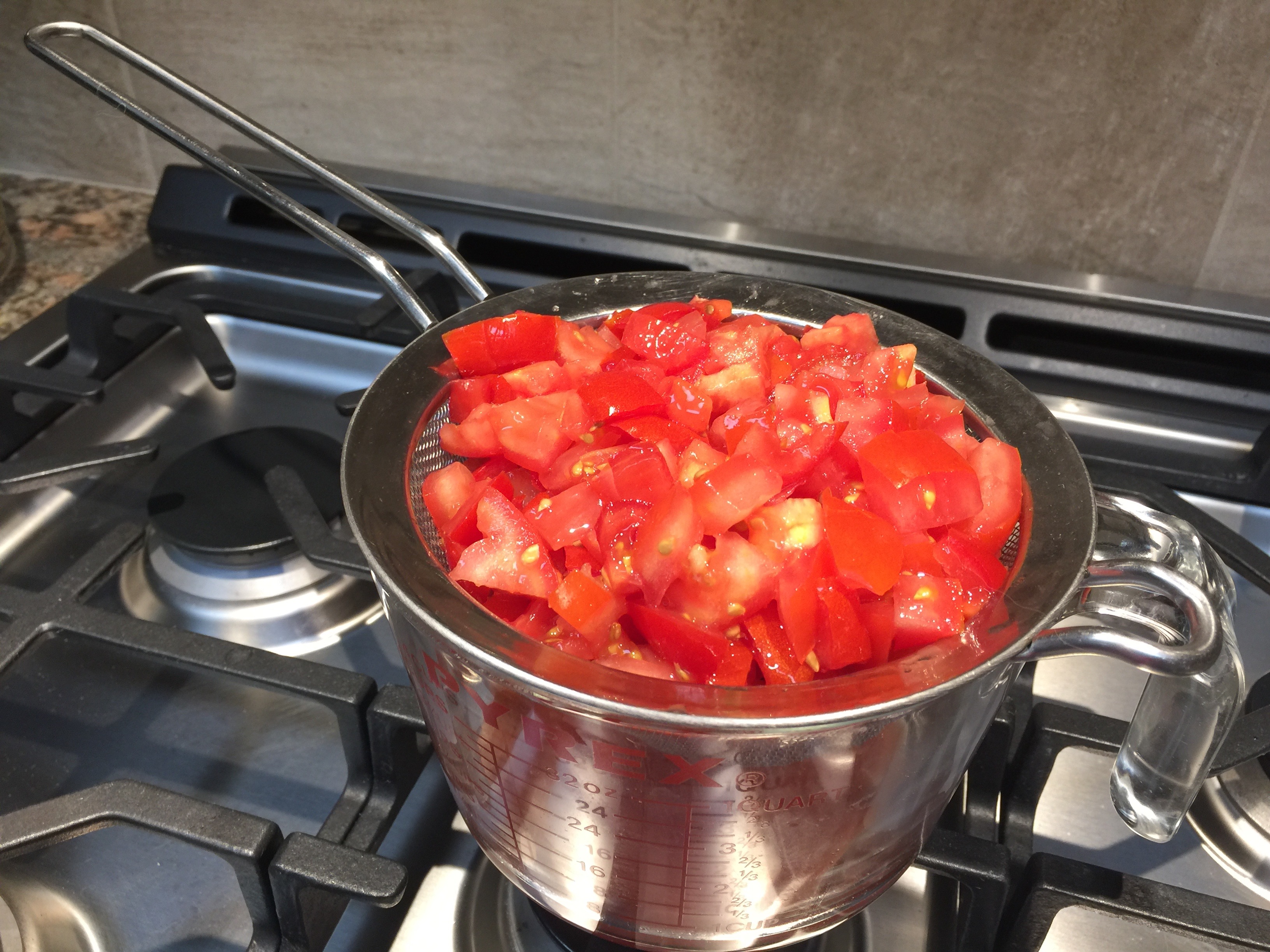
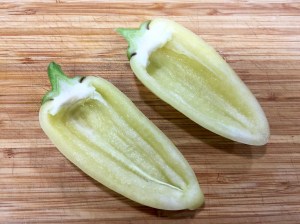 Lesson Learned 2 – Determine how much heat you want in your pico: Most recipes I saw suggested using one jalapeno pepper. I am growing banana peppers in my patio garden and I wanted to use those. Banana peppers have heat, but not as much as a jalapeno, so I used two of them and the pico had a nice but mild bite to it. Remember to scrape away the seeds on the inside of these peppers. That’s where you’ll find the highest concentration of heat. Here again you can choose what type of pepper you want to use depending on how much kick you want or can handle.

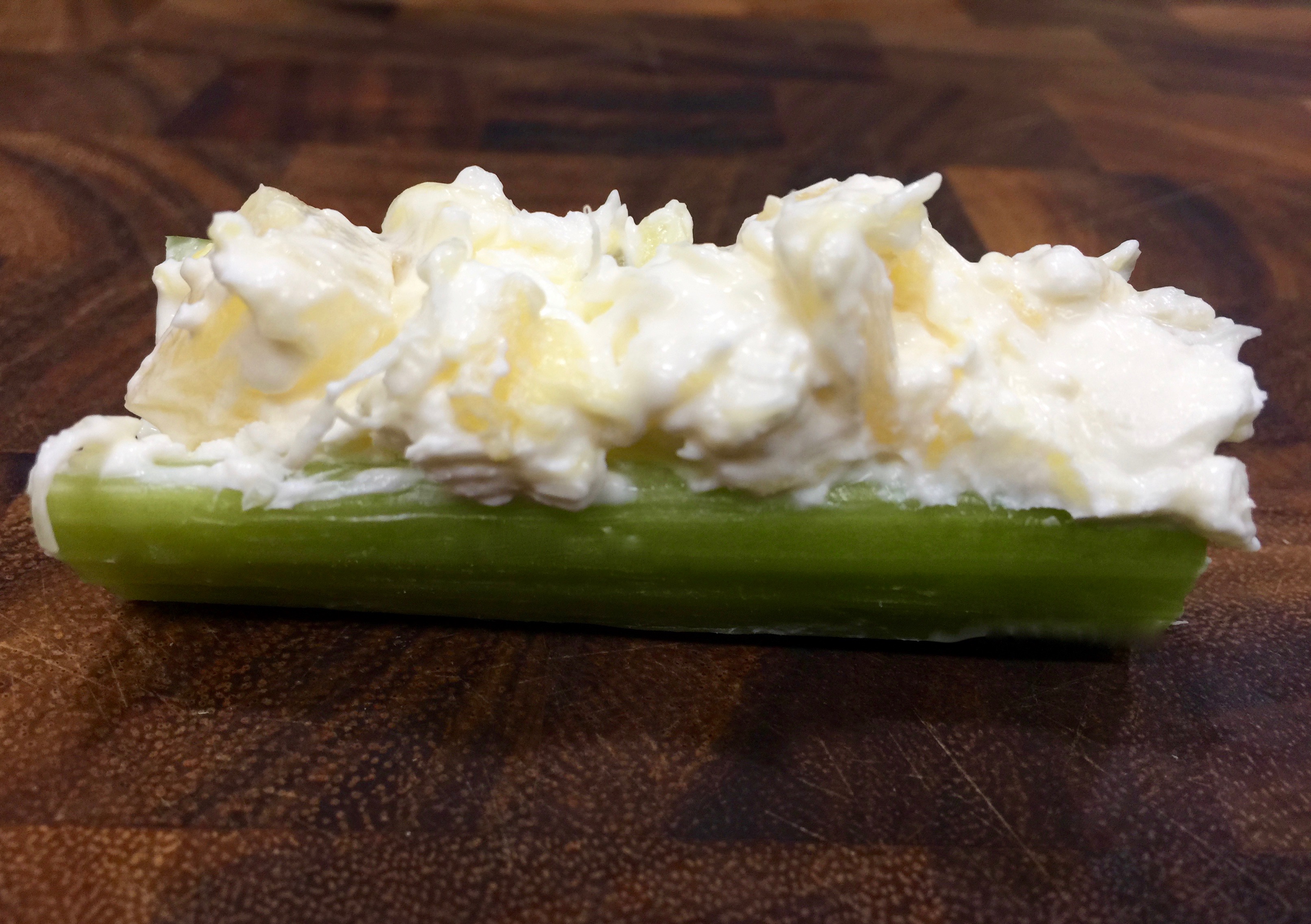
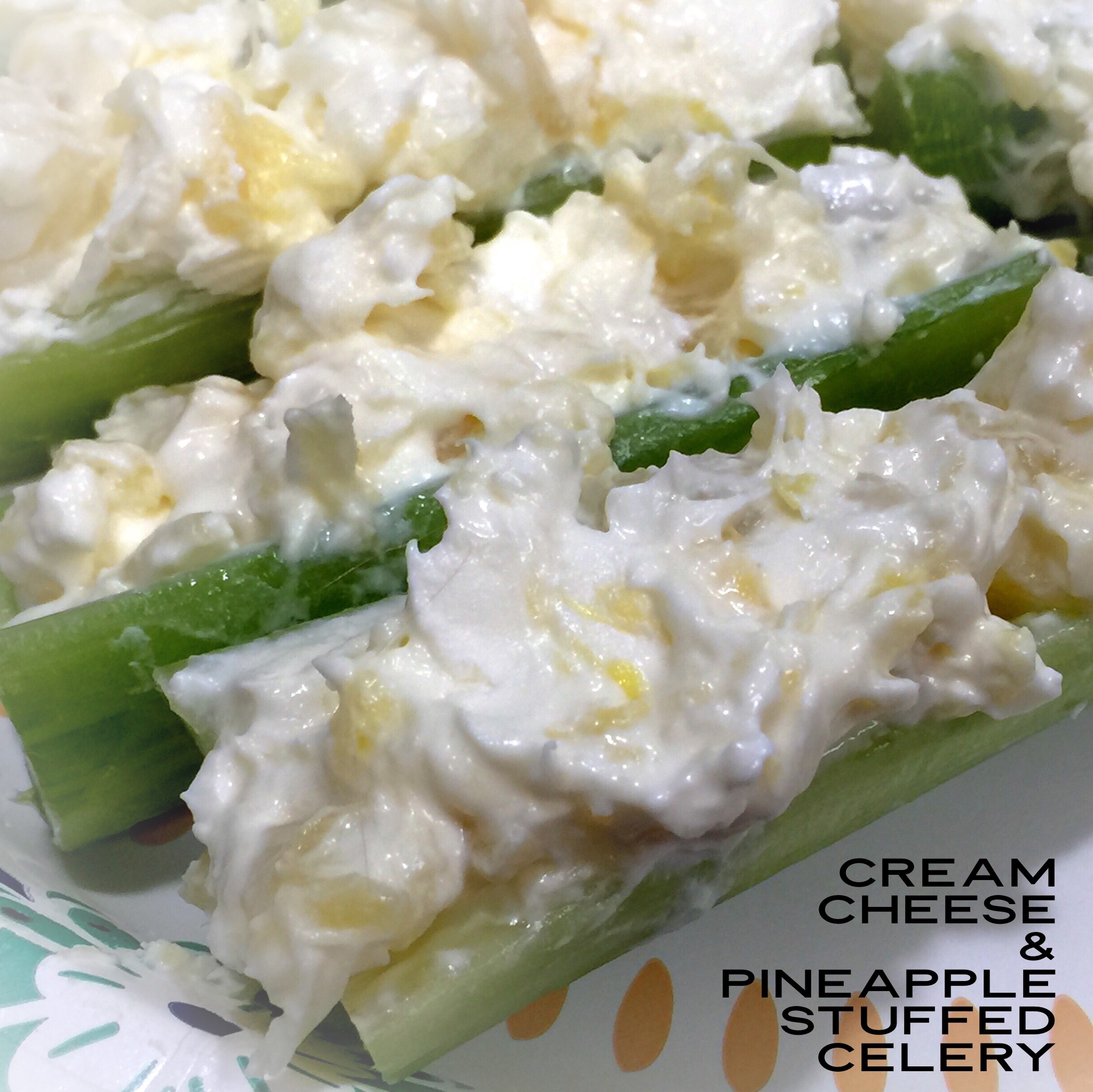
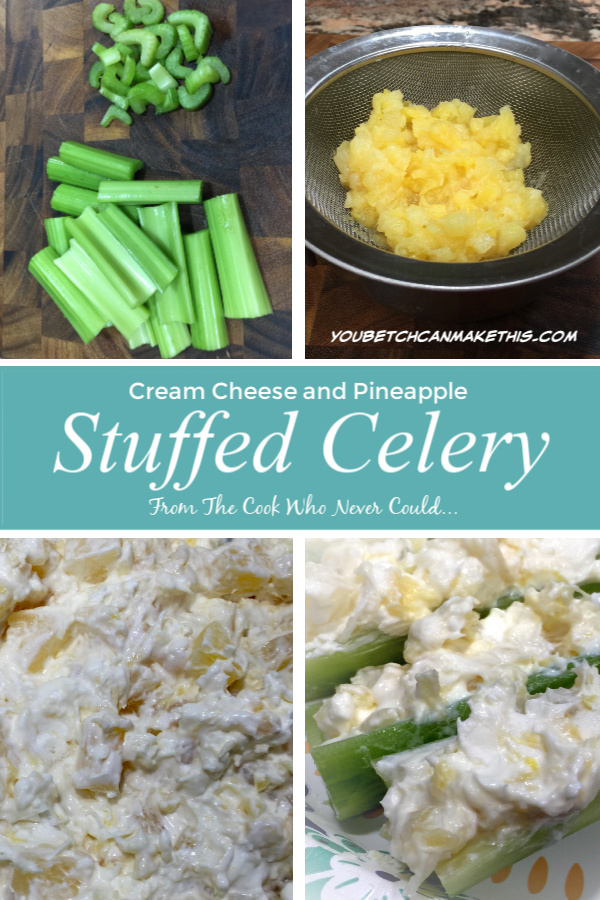
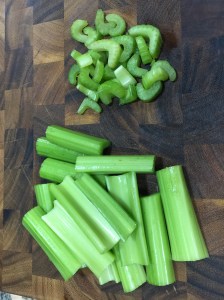 Lesson Learned 1 – Pre-cut celery is a great time saver: My grocery store cells pre-cut celery. The stalks are approximately three inches in size and packed in water. That’s the perfect size for this recipe. The only thing I needed to do to prepare the celery was take a small slice off each end to freshen the ends up. I was able to pat them dry and stuff them right away. But you can also buy celery and wash and slice it on your own. But I loved the convenience of having all that work done for me ahead of time.
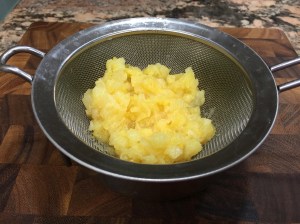 Make sure you drain both the crushed and chunked pineapple so that the cream cheese mixture doesn’t become too runny.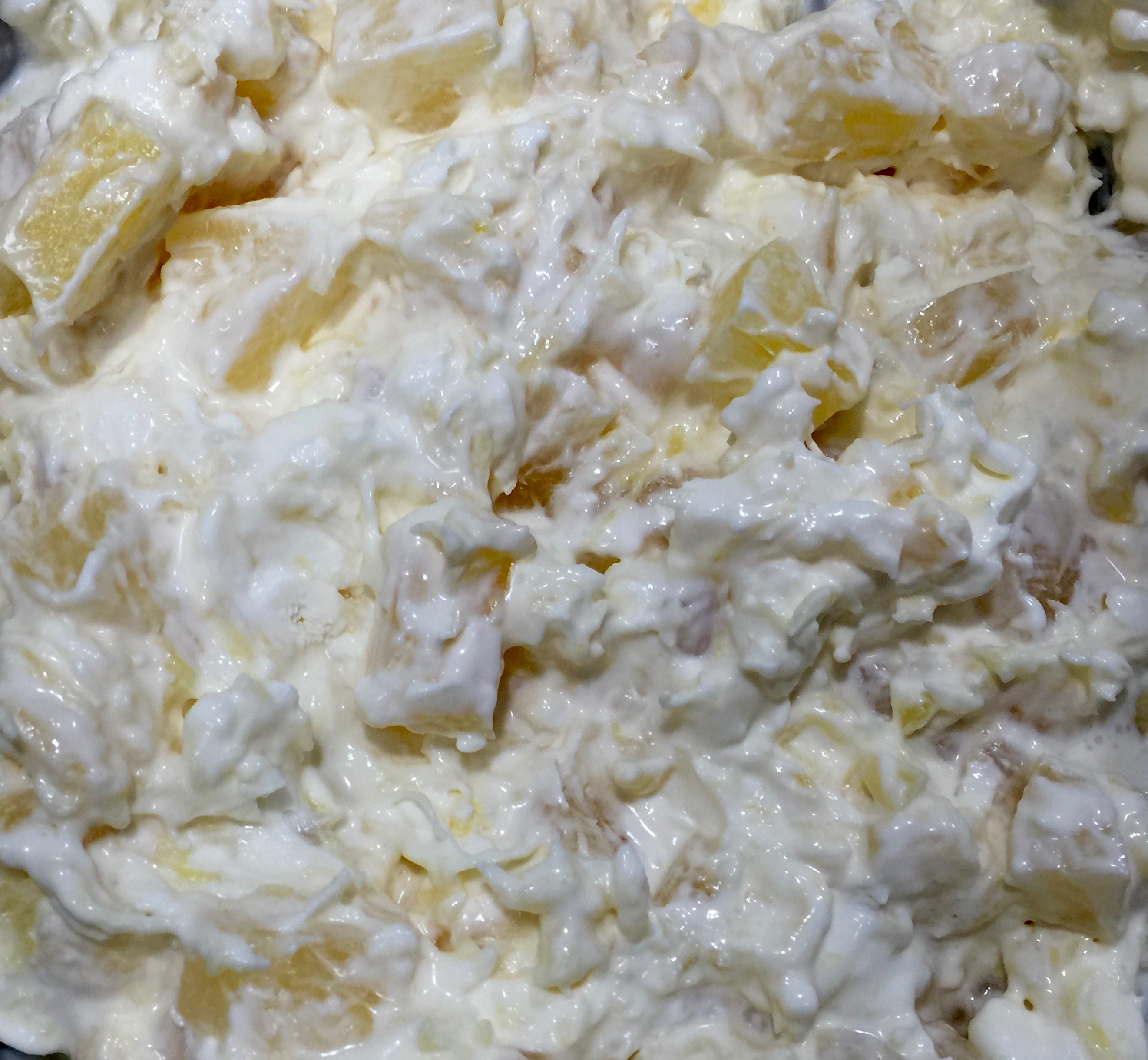
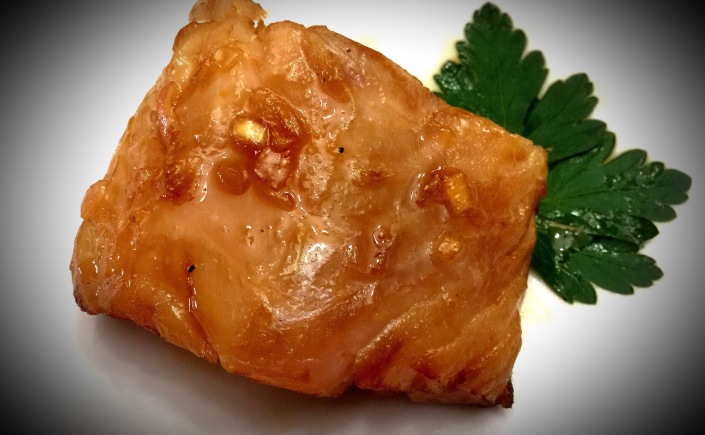
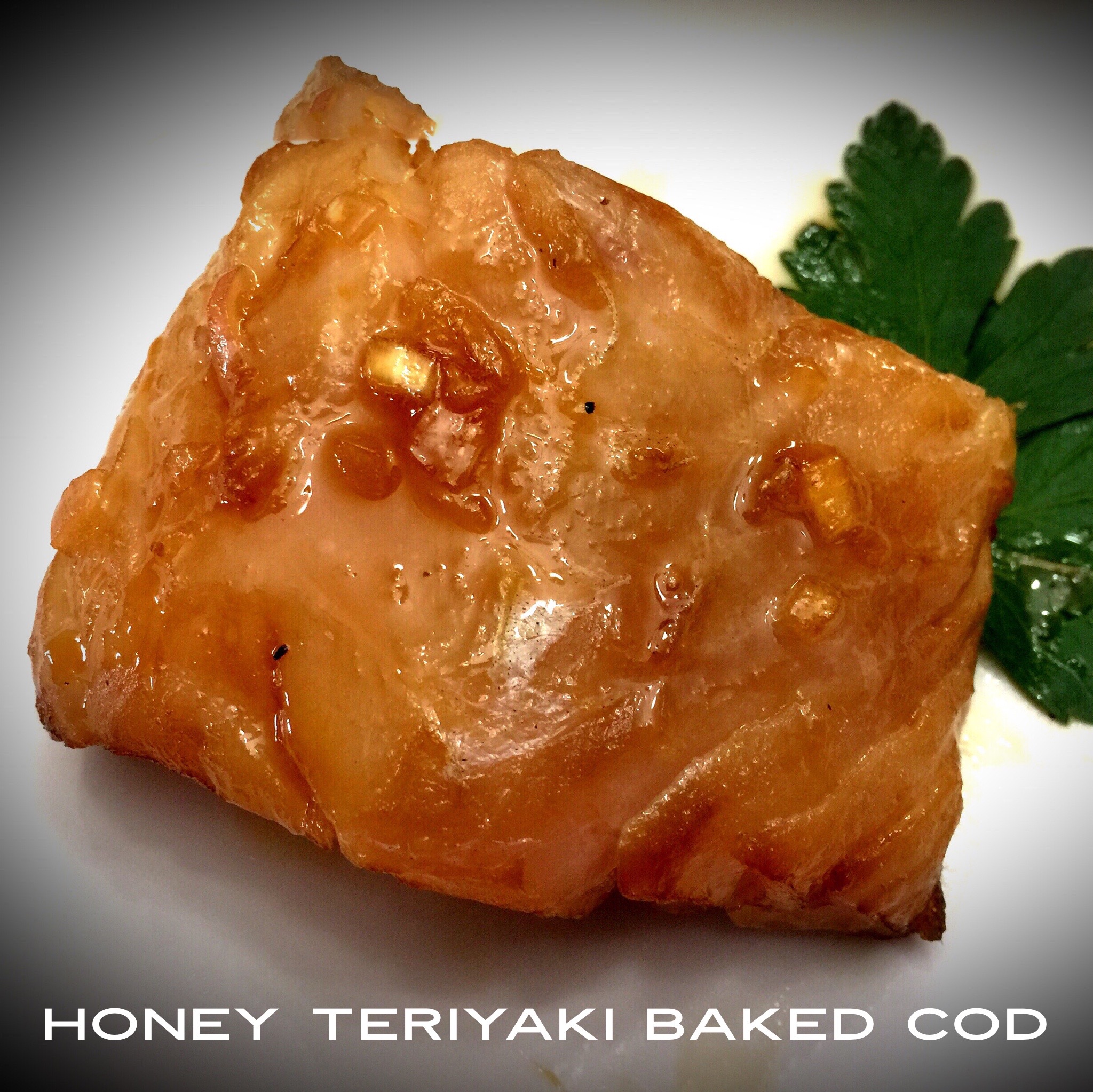
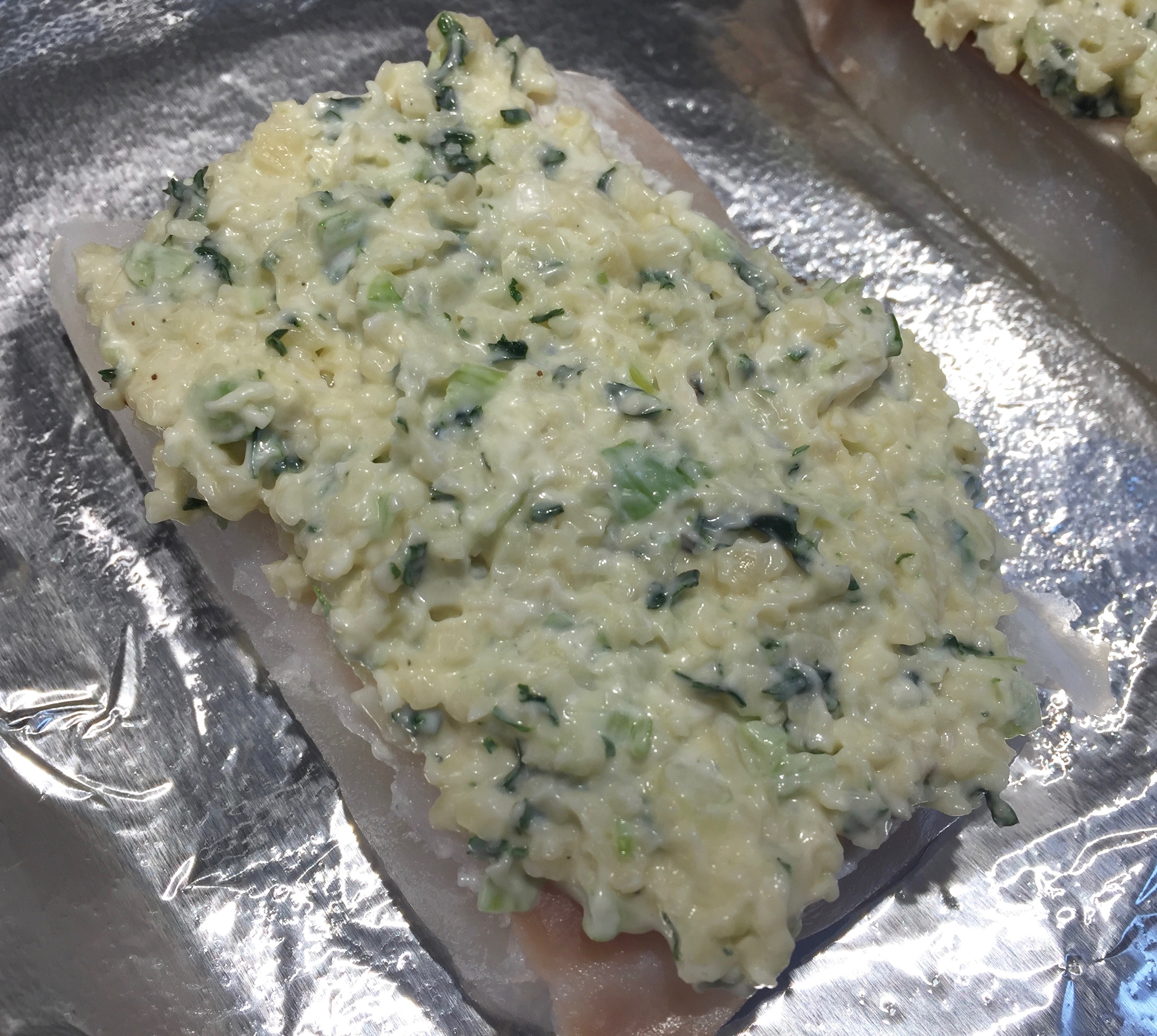
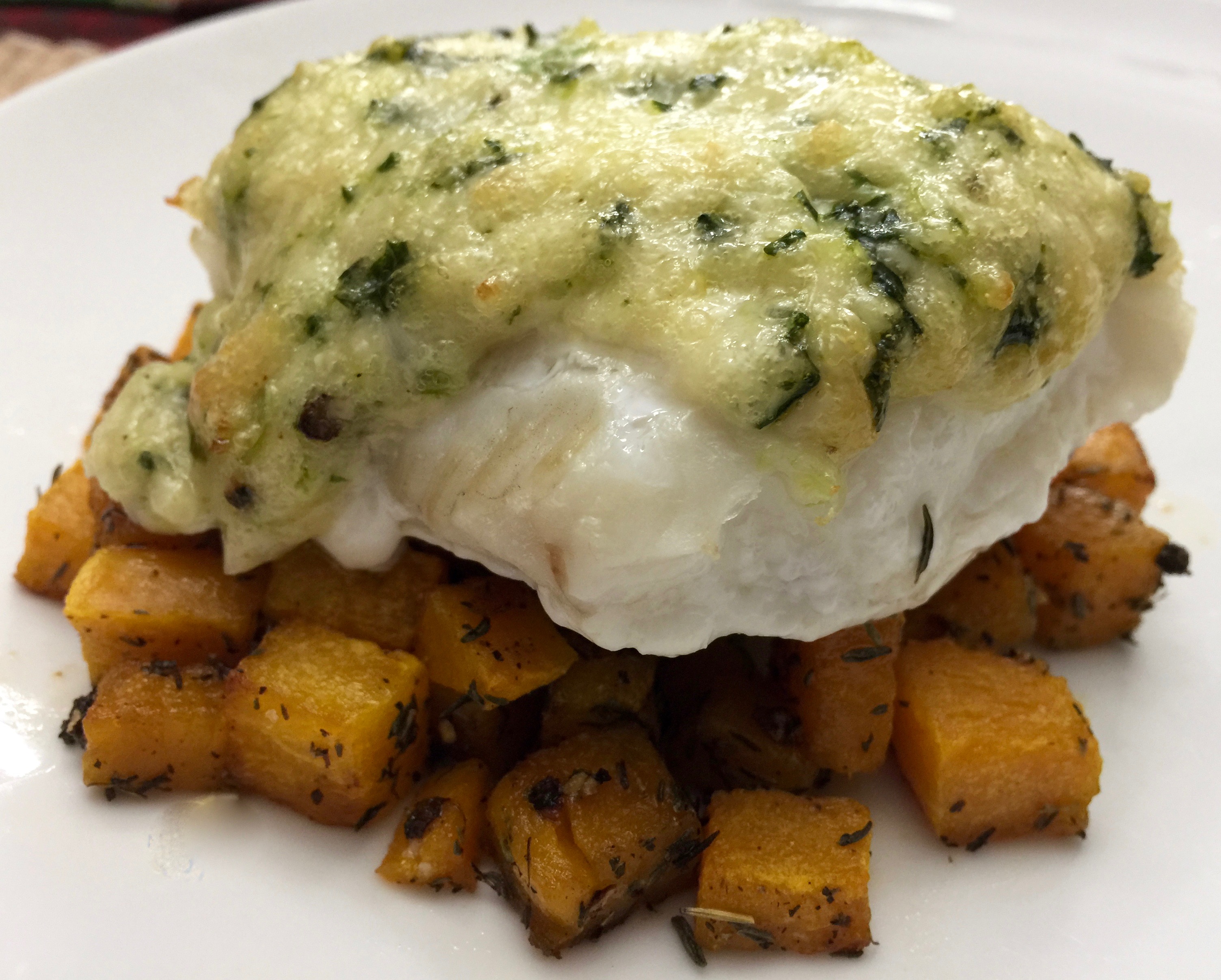
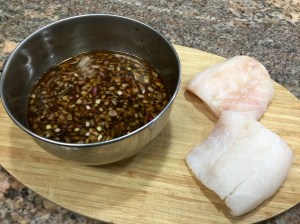 Lesson Learned 1 – All fish are not created equal when it comes to cooking them: I think that’s the part of cooking fish that makes people shy away from doing it. So it’s important, if possible, to cut your fish into equal sized portions to determine a somewhat standard cooking time for it. I usually cut 4 to 6 ounce portions. That way I am relatively sure how long to cook my fish.
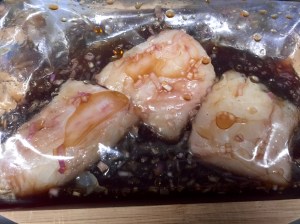 Lesson Learned 2 – The longer you marinate the cod in this recipe, the better: I marinated mine for about 7 hours but you can go up to 24 hours on this one. I may try that next time if I have the time, but it was quite flavorful after being marinated for 7 hours. I wouldn’t marinate it for less than 6 hours – I don’t think the fish will absorb the flavors of the marinade that well if you only marinate it for a short while. And don’t forget to turn the bag over every once in a while to make sure both sides of the fish are getting the marinade.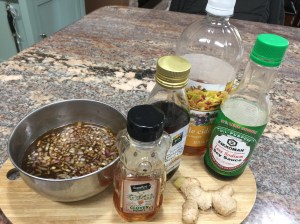
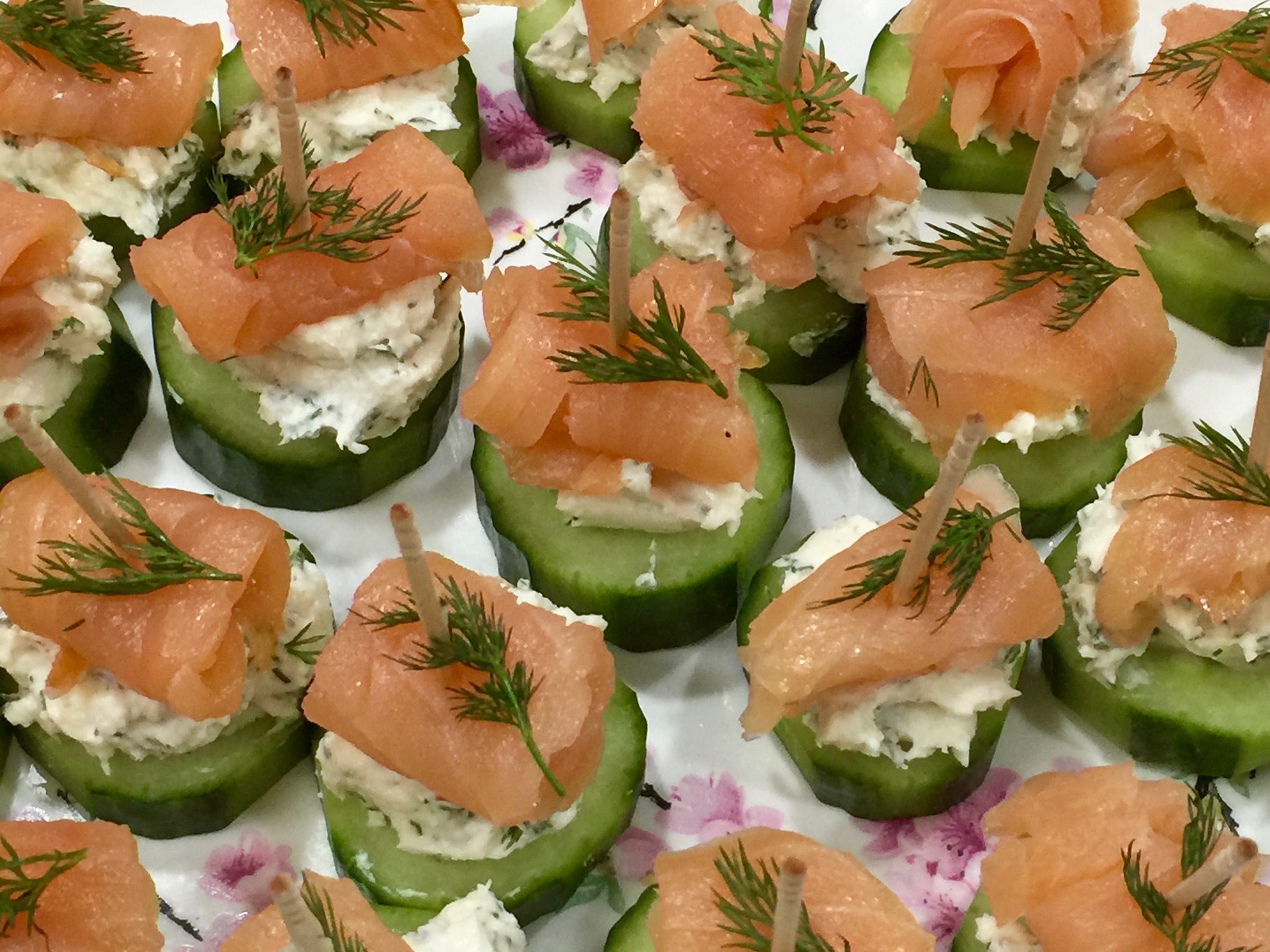
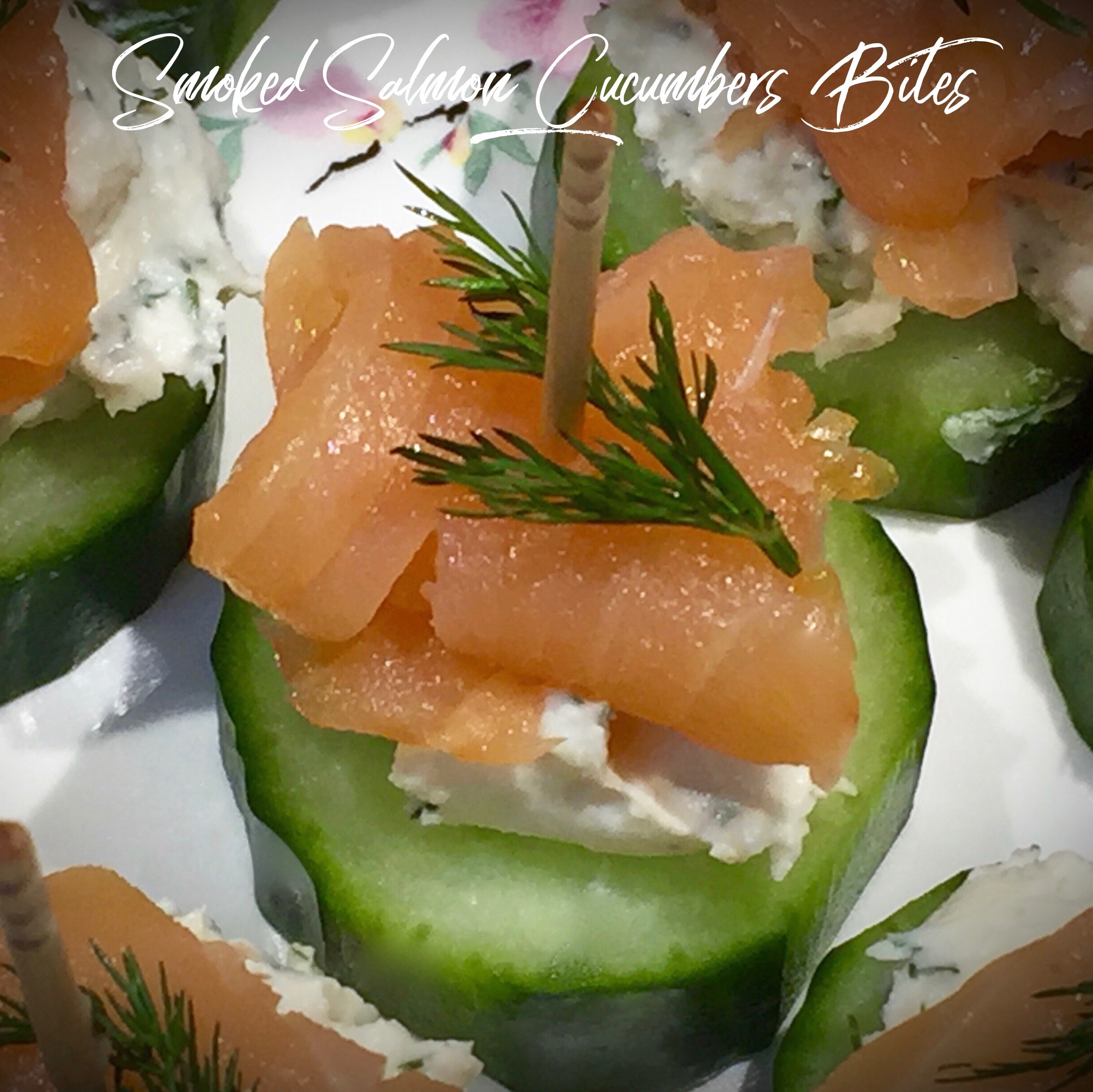
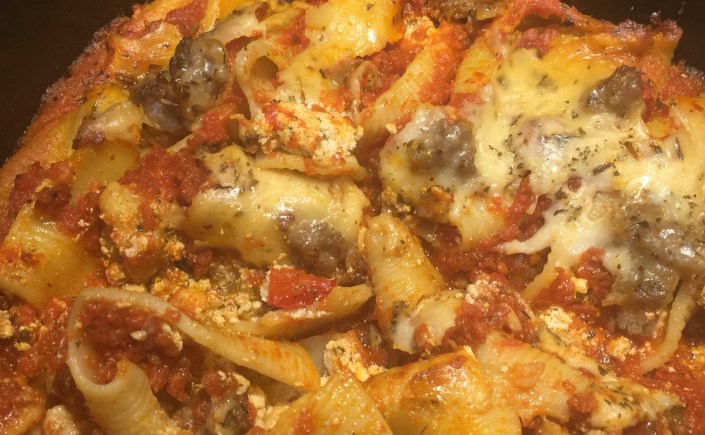
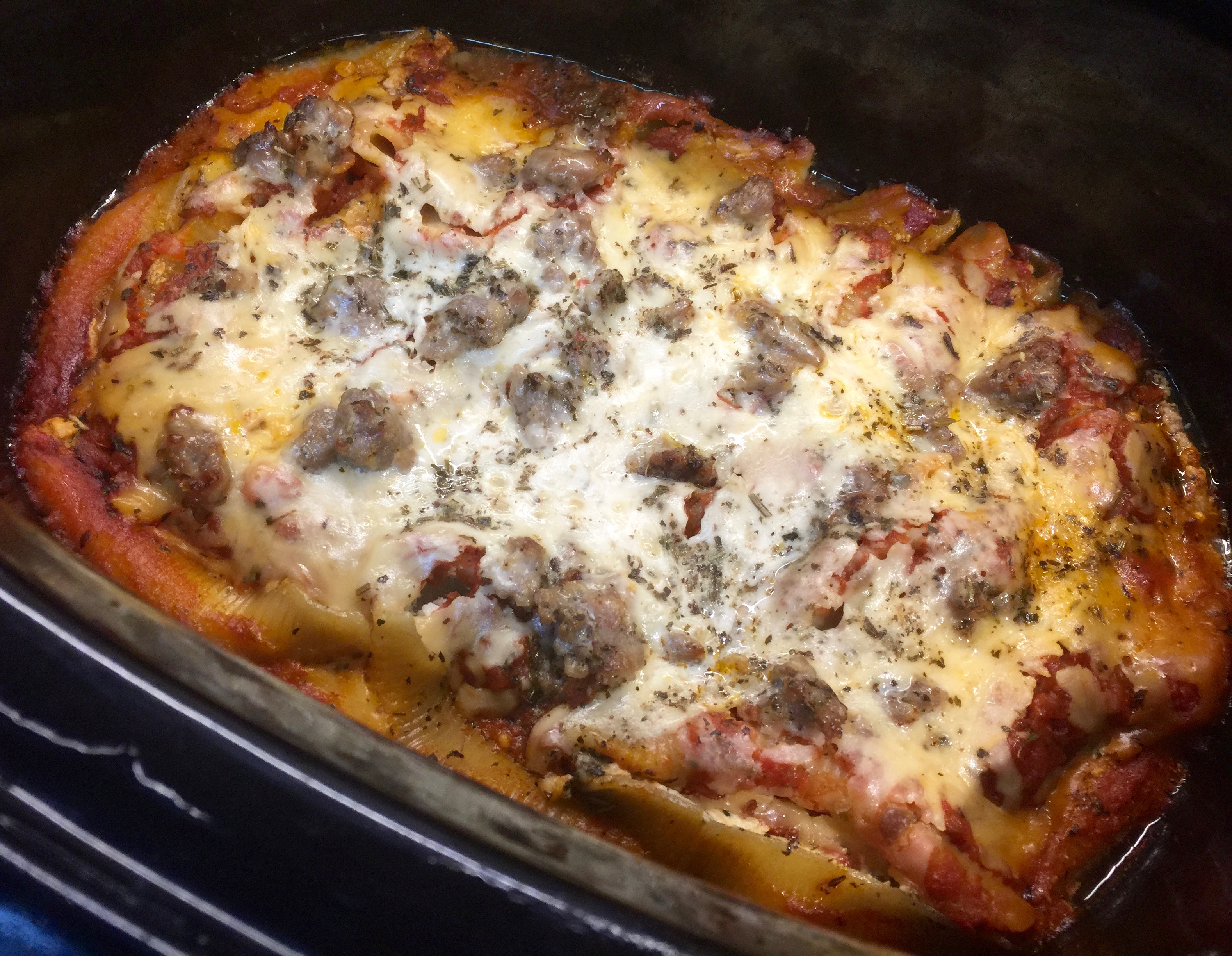
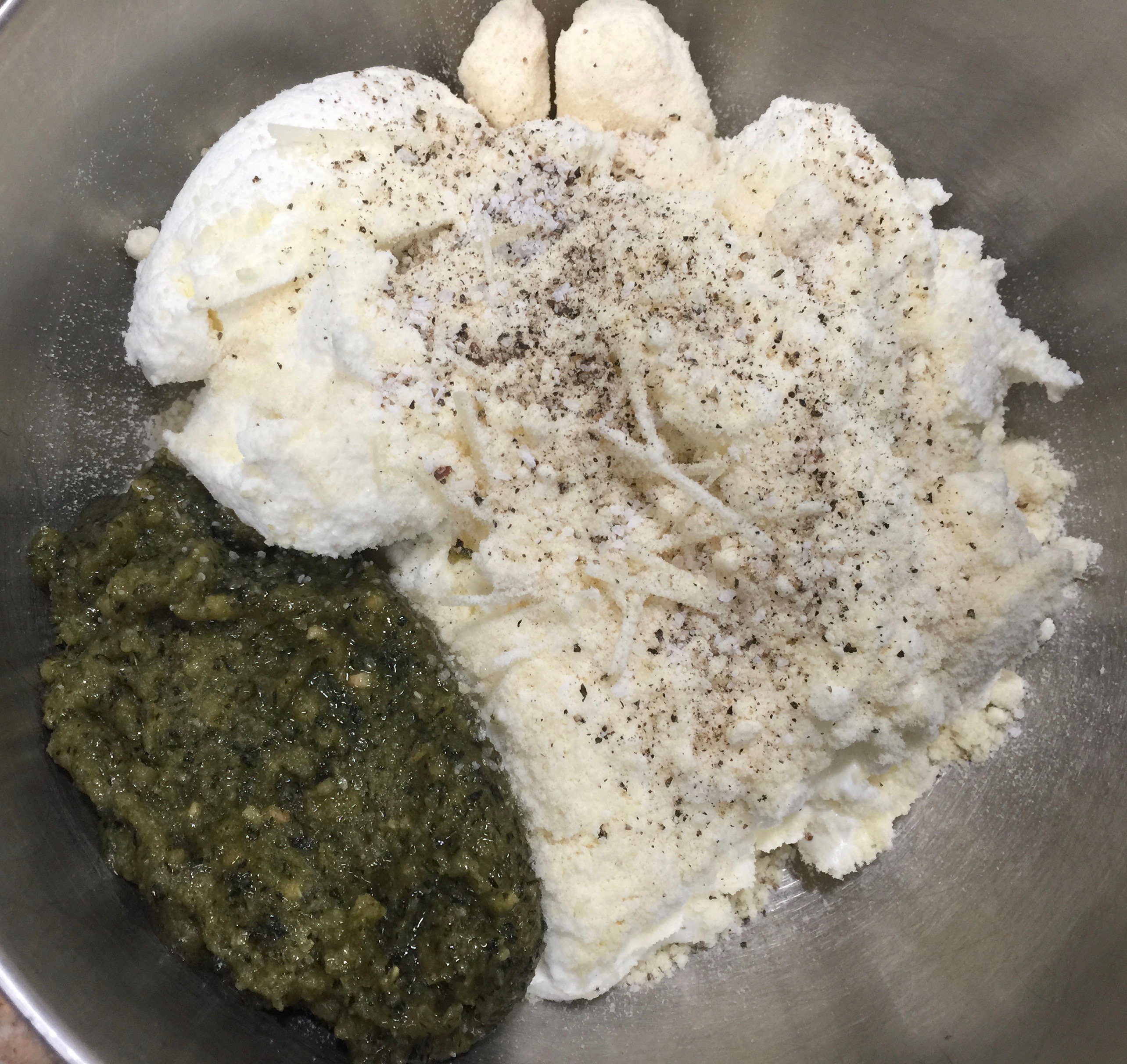
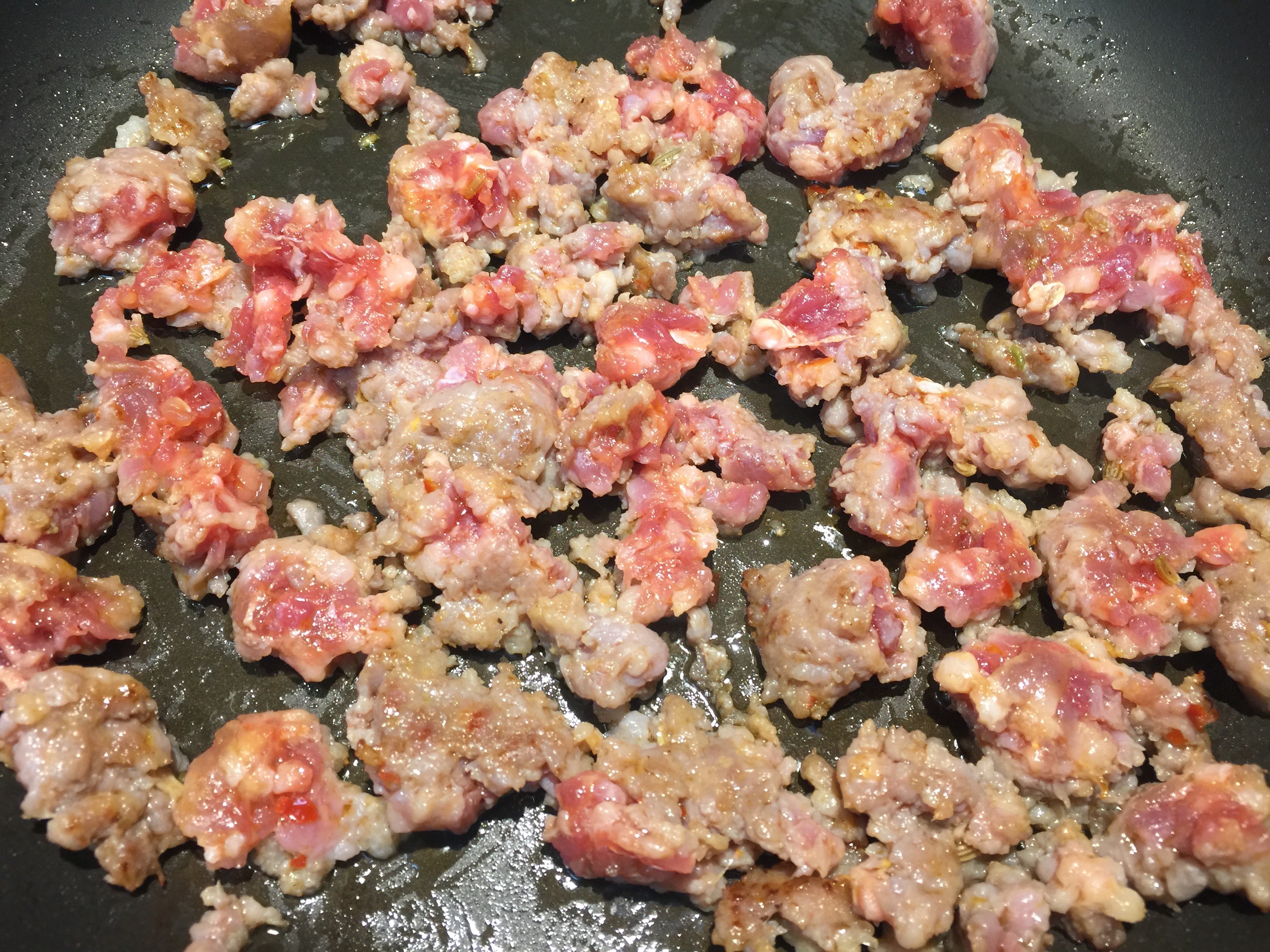
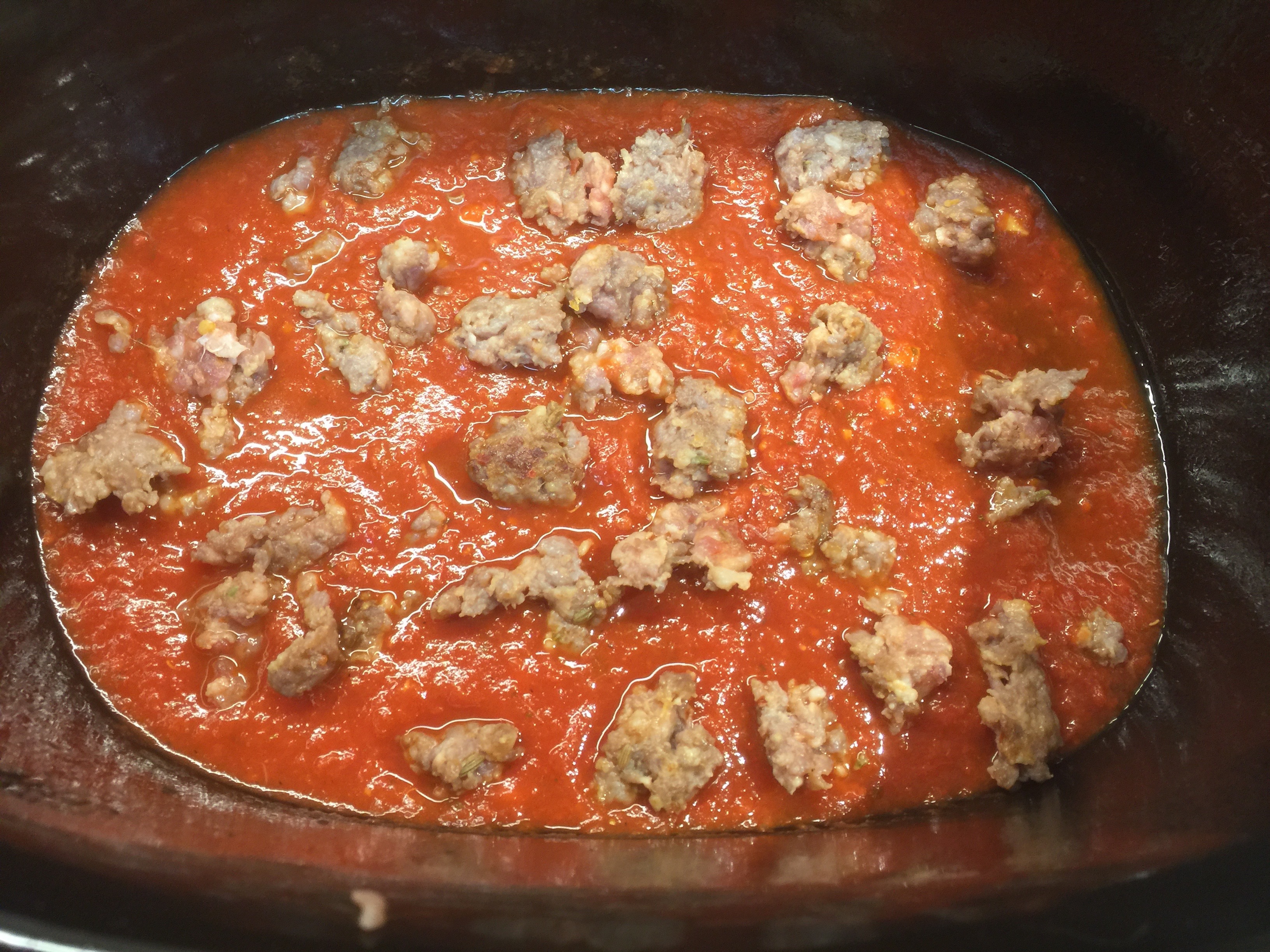
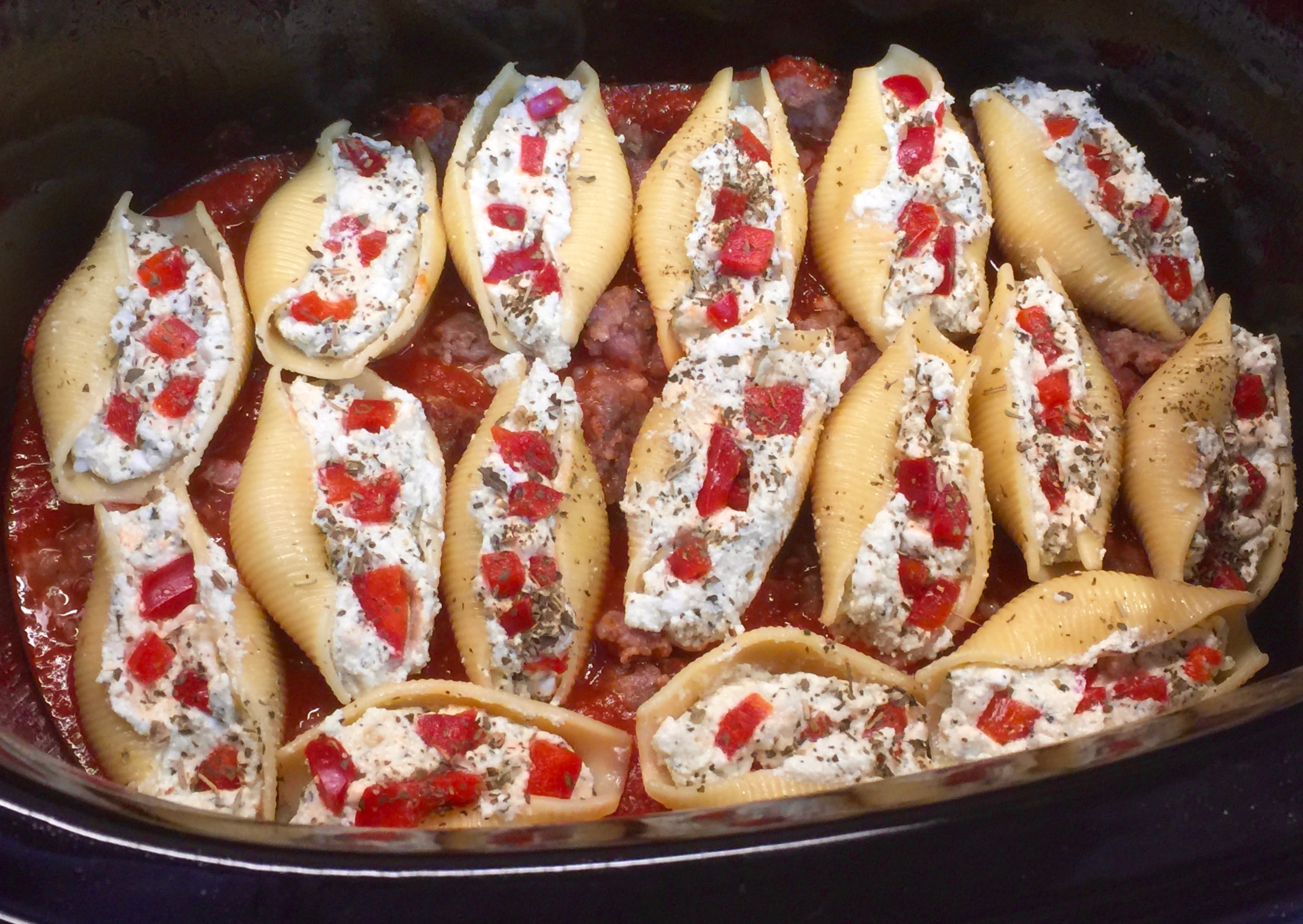
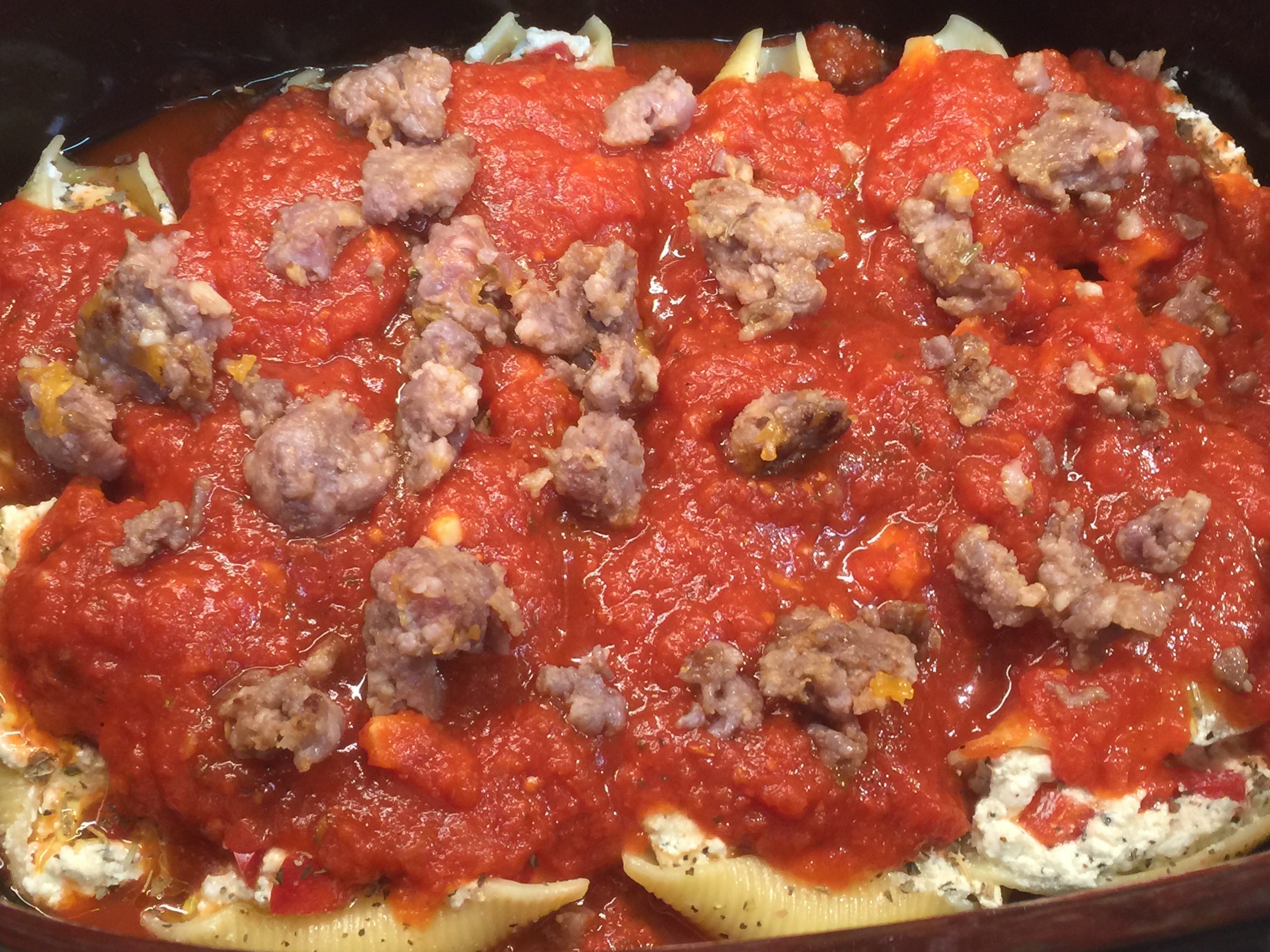
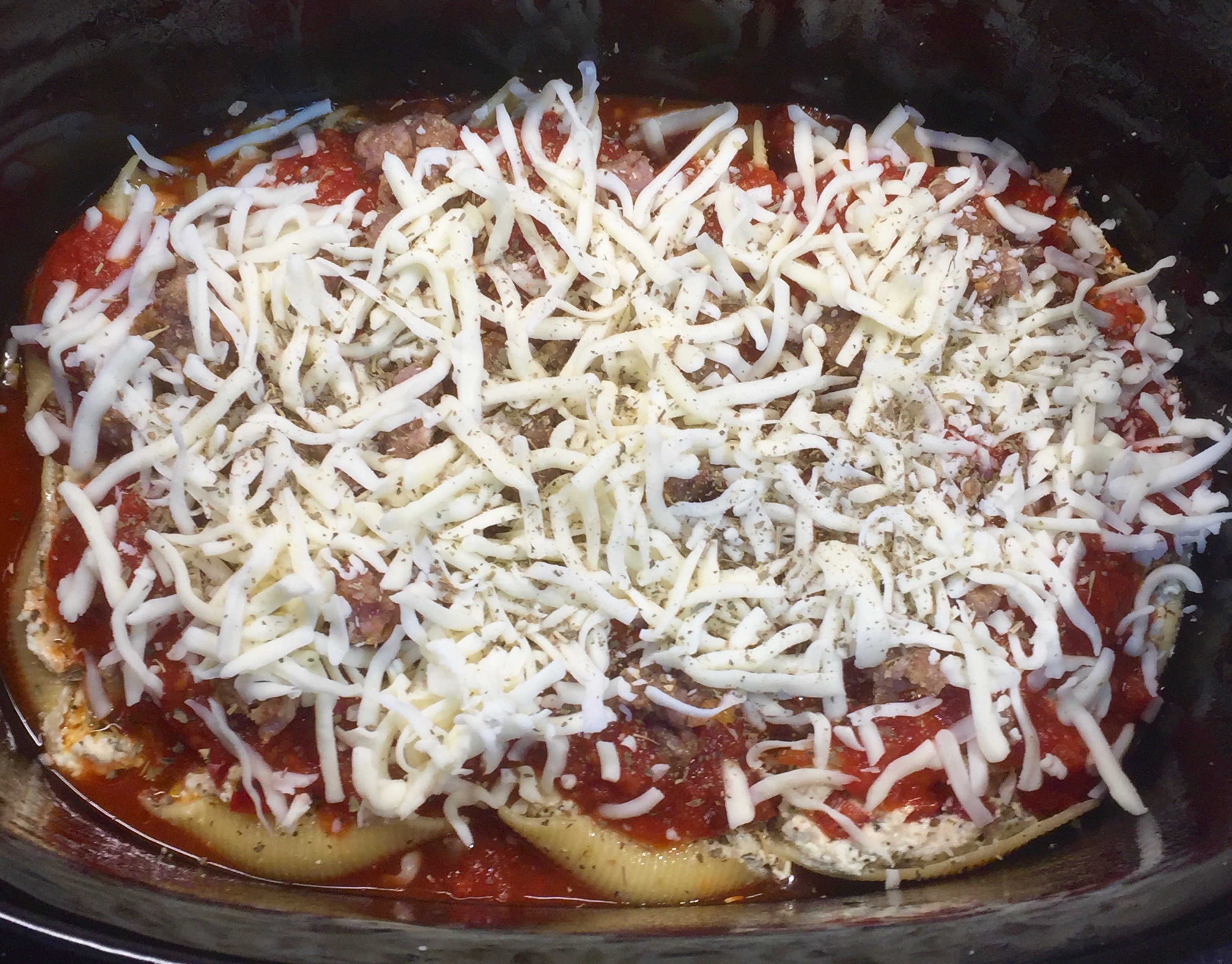
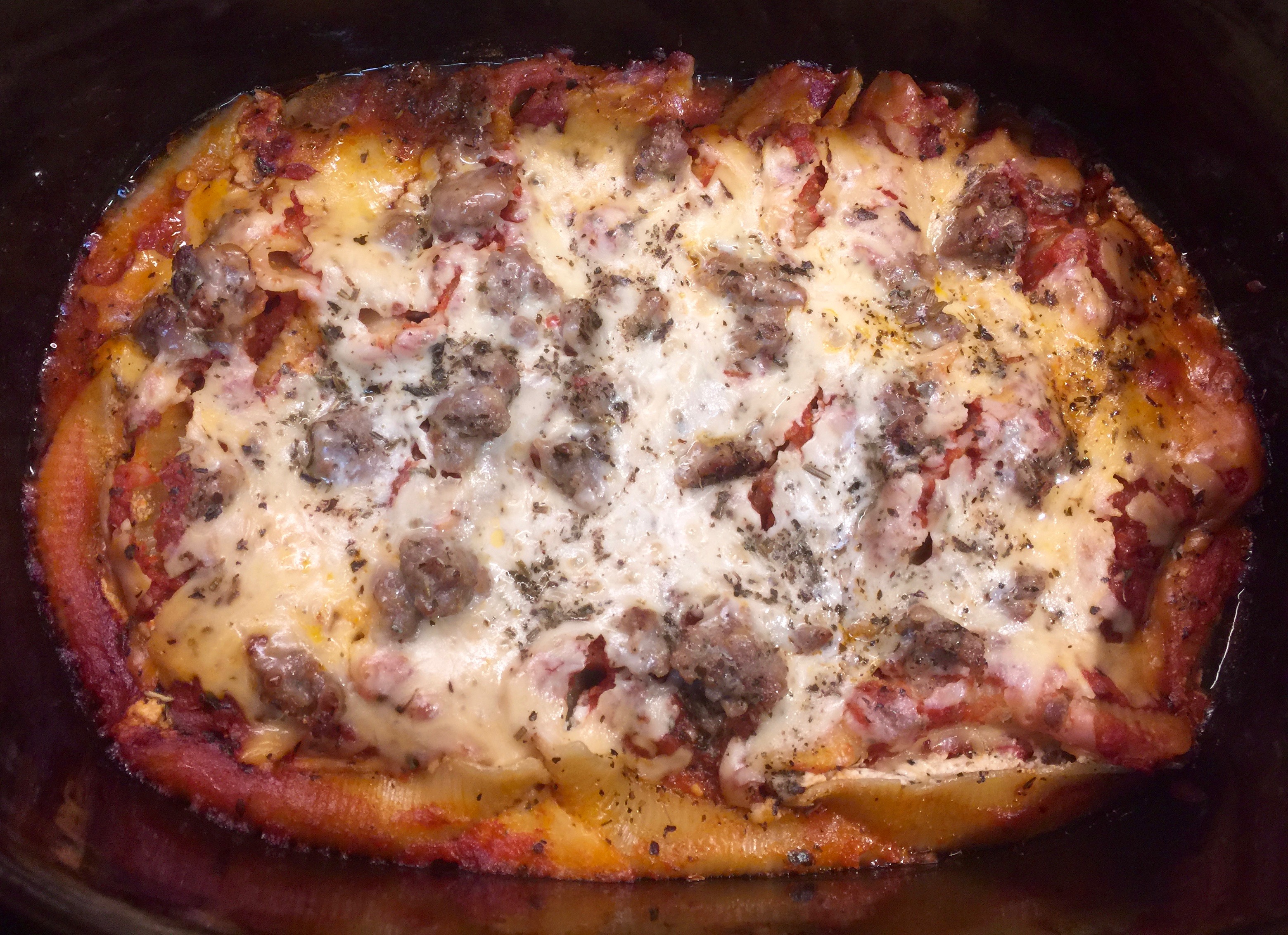
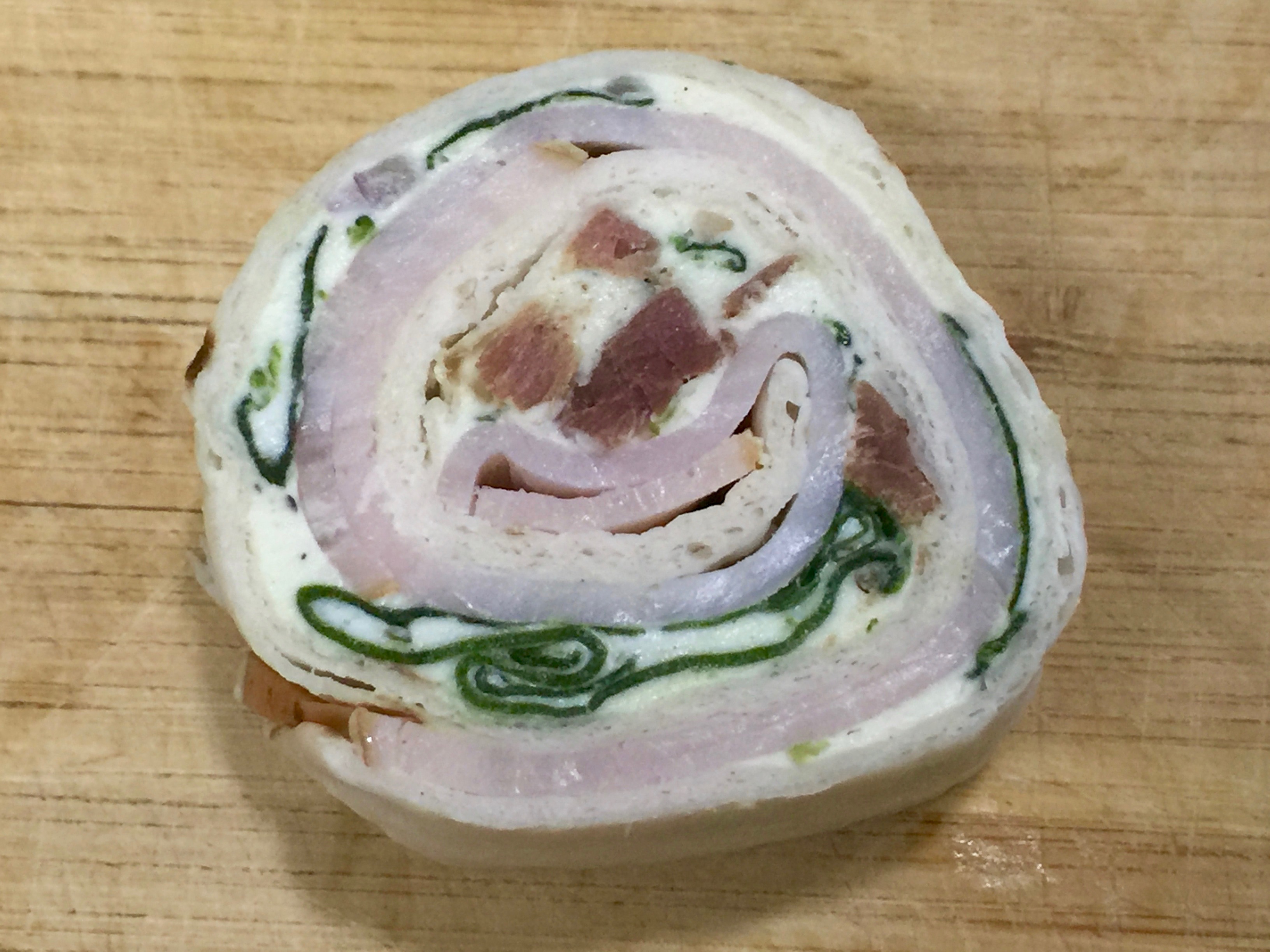






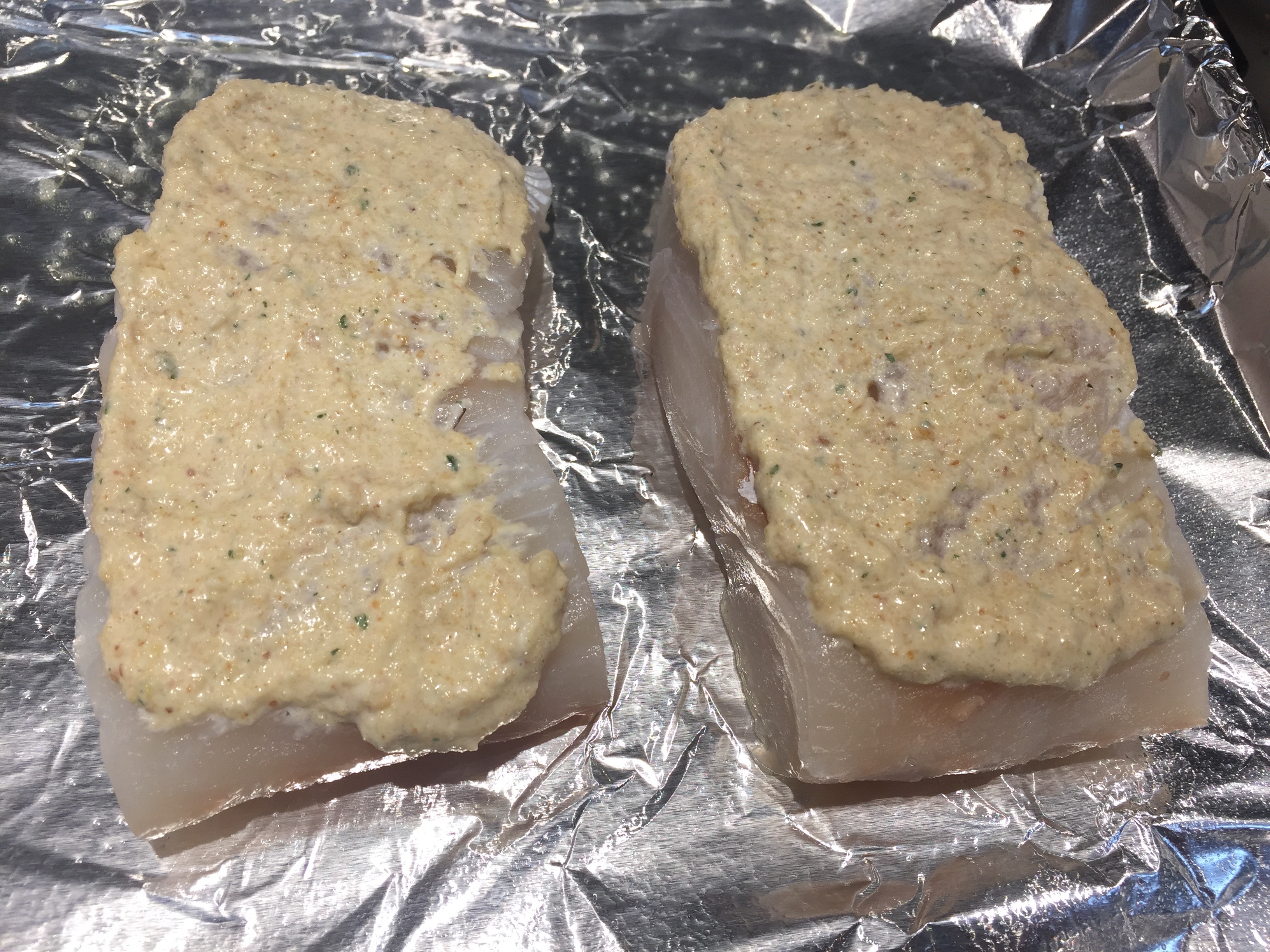
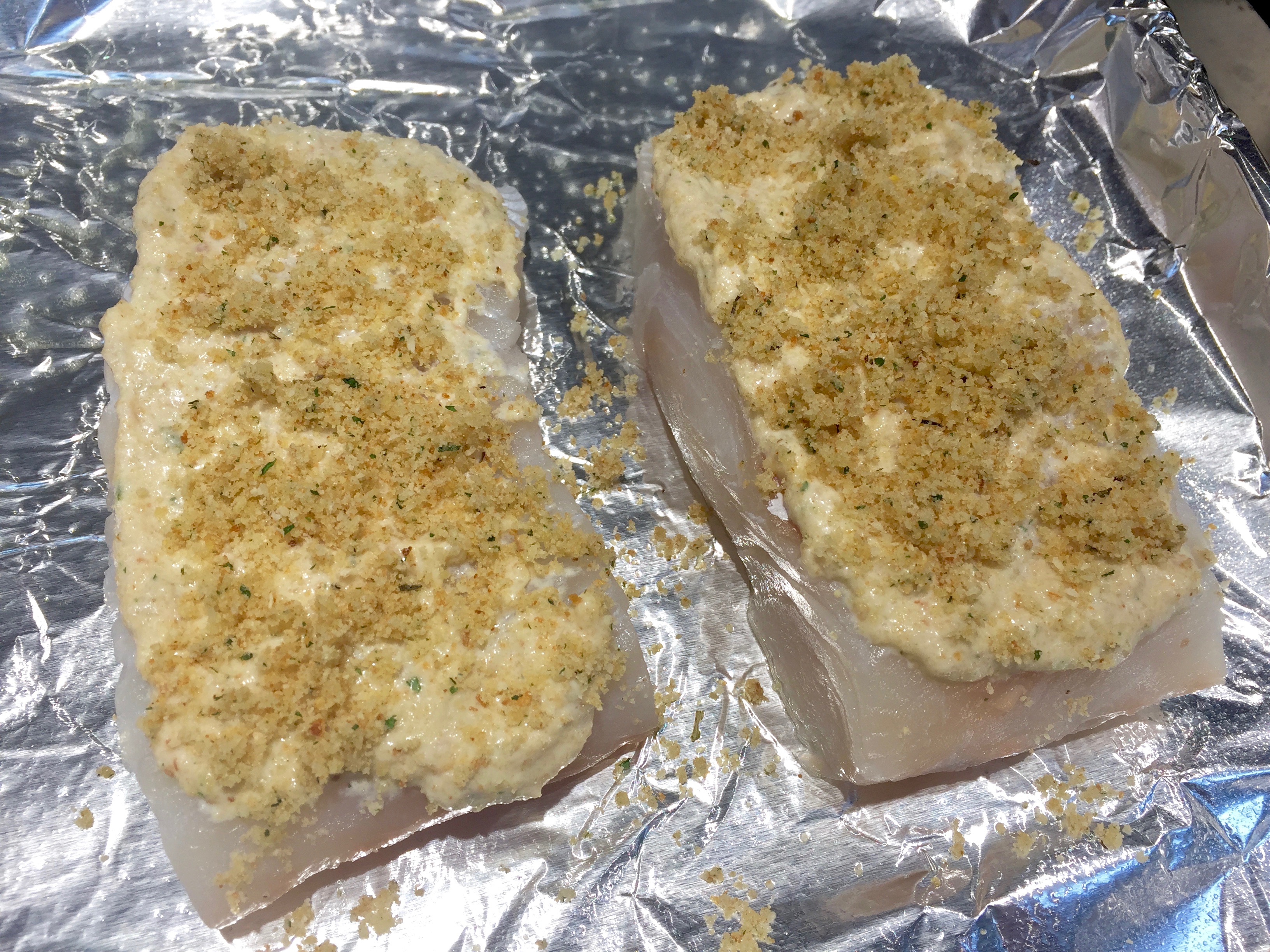
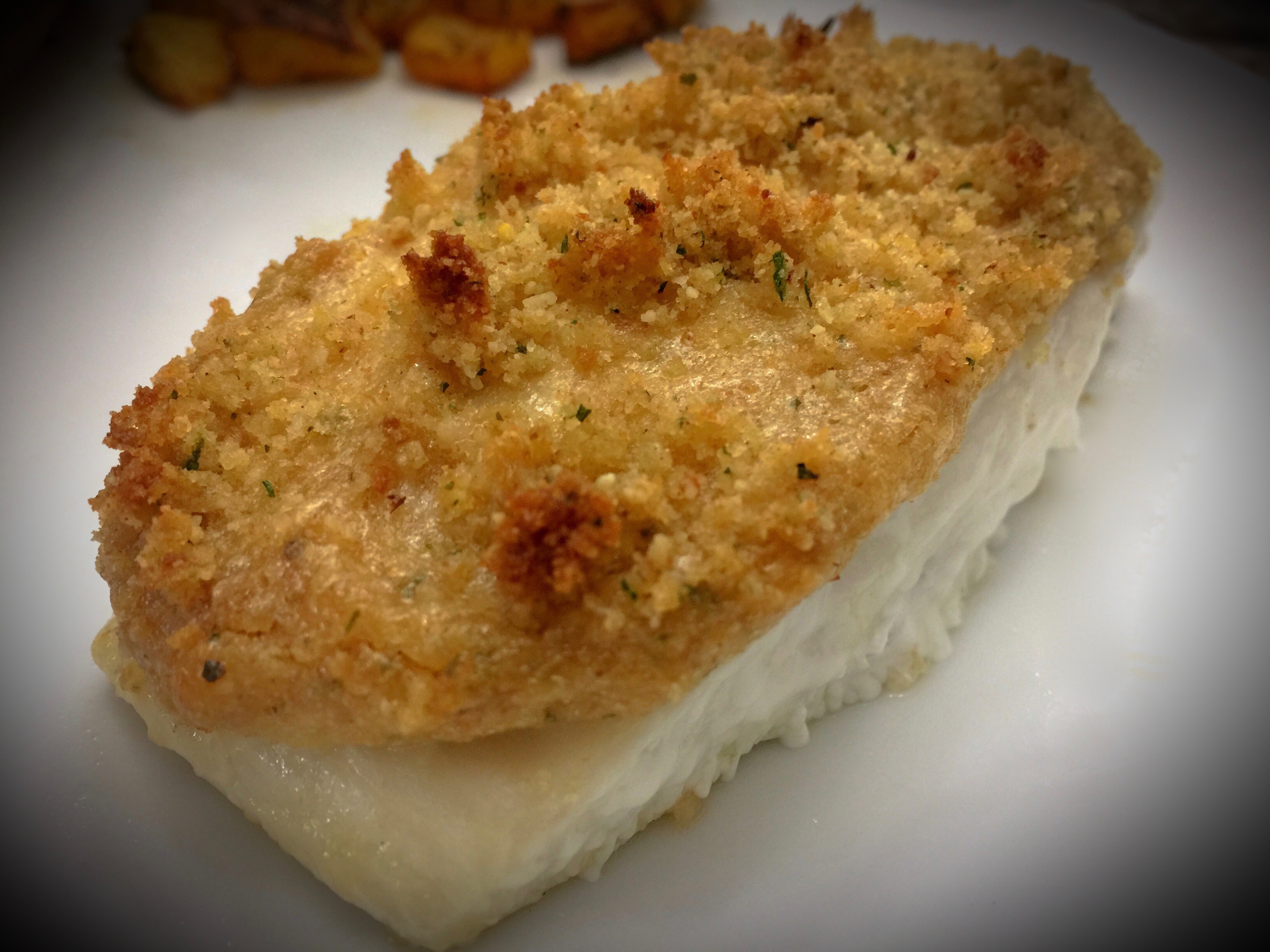



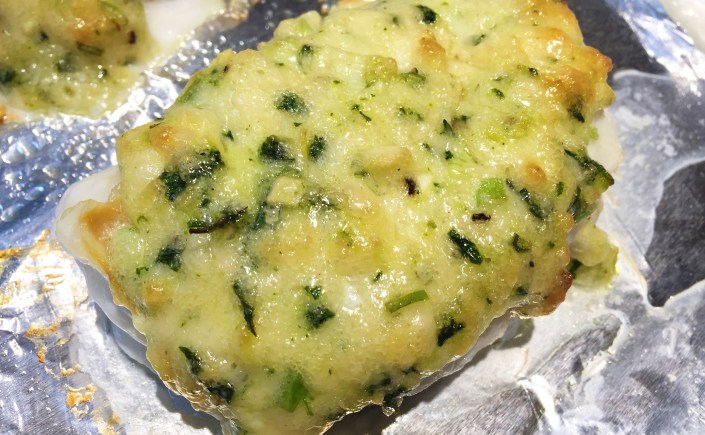


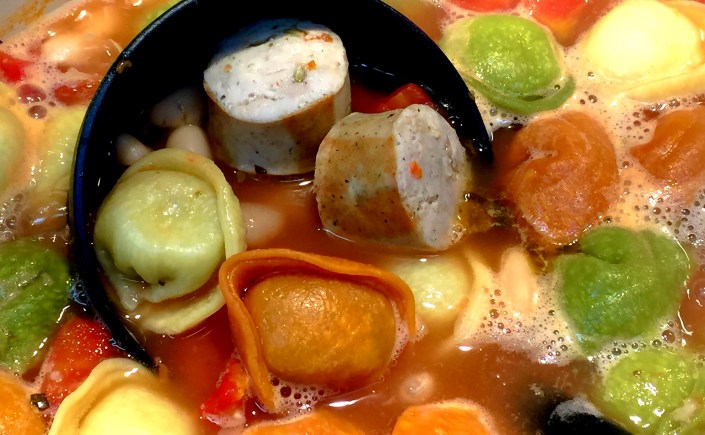
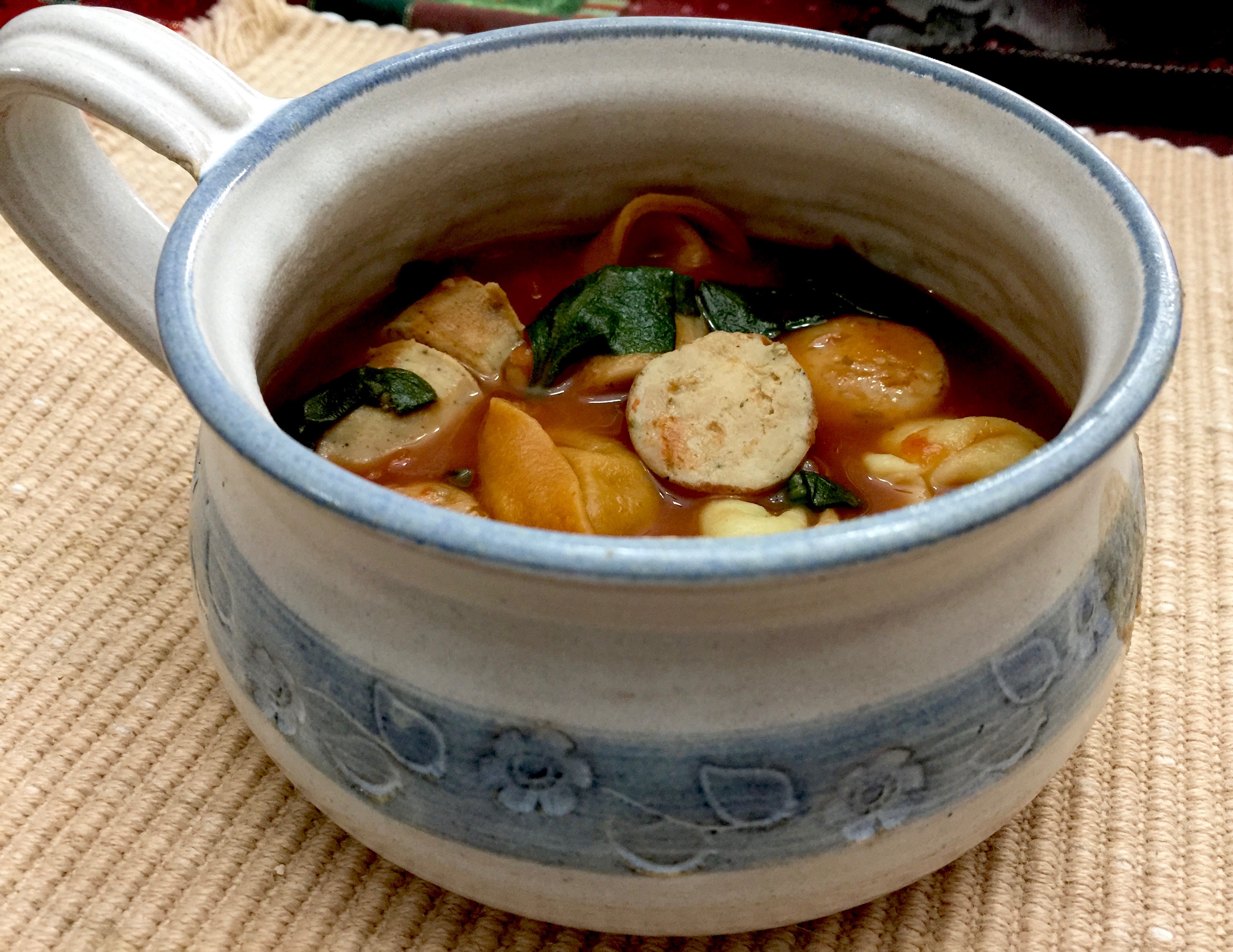
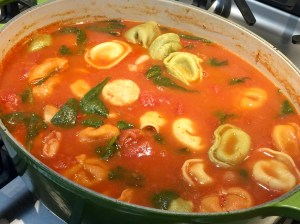
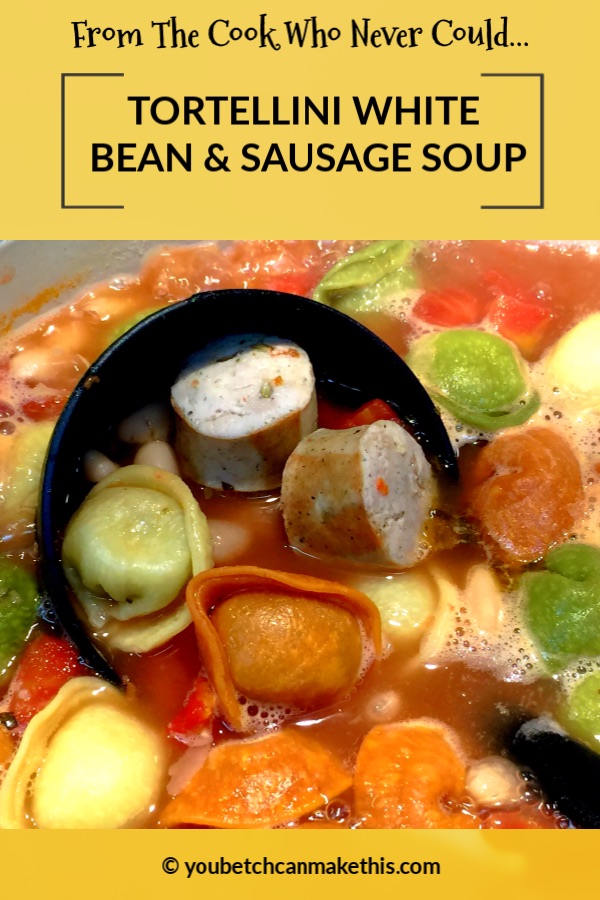
 Lesson Learned 1 – I learned the beauty of chicken sausage: When researching various recipes I came across one that used chicken Italian sausage. I never tried that before, and sometimes I am leery of the flavor of chicken and turkey substitutes for beef or pork but decided to give it a go in this recipe. I was glad I did. It was divine!
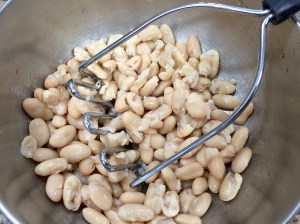 Lesson Learned 3 – Slightly mash the white beans: After you rinse the beans and before you add them to the soup give them a slight mash with a hand masher. You don’t want to do too much, just a little. This along with the tomato paste helps thicken the broth.
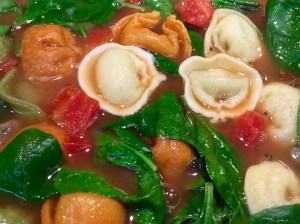 Lesson Learned 5 – Don’t be afraid to improvise: A recipe like this is ripe for improvisation. I used a tri-color three cheese tortellini but you an certainly choose any kind you like. I used chicken Italian sausage but if you’re skeptical a more traditional sweet Italian sausage will work. Or you can make sausage meatballs. If you want to spice it up a bit you can always add a little red pepper flakes or some cayenne pepper. When I warm up my leftovers I’m going to put some parmesan shavings on top. Even if you’re a novice cook, don’t be afraid to add your own touches or adjust the ingredients to your taste. Cooking is not like baking, you don’t need to be exact. Step out of your comfort zone and try a few things. You’ll be happy you did.
 INGREDIENTS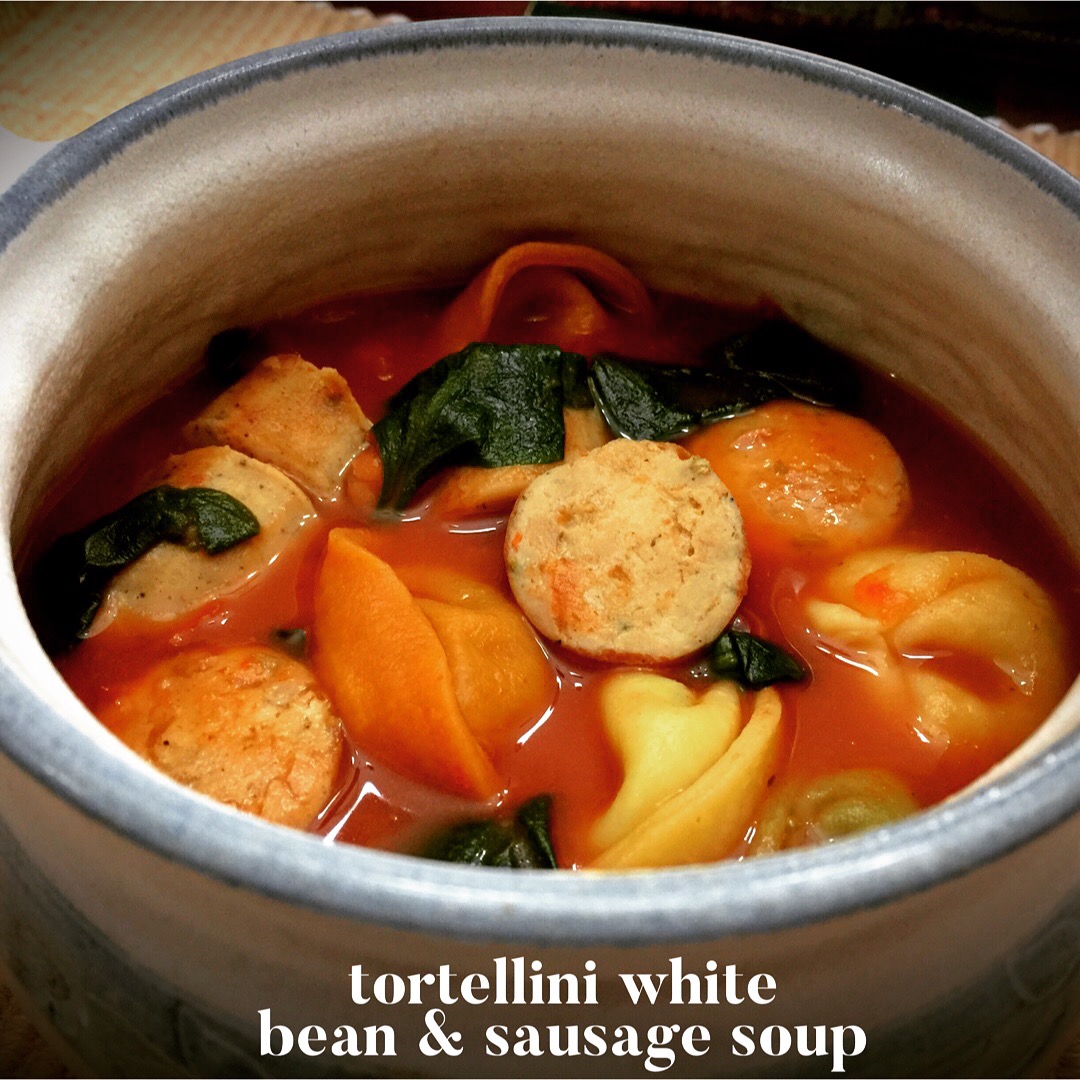
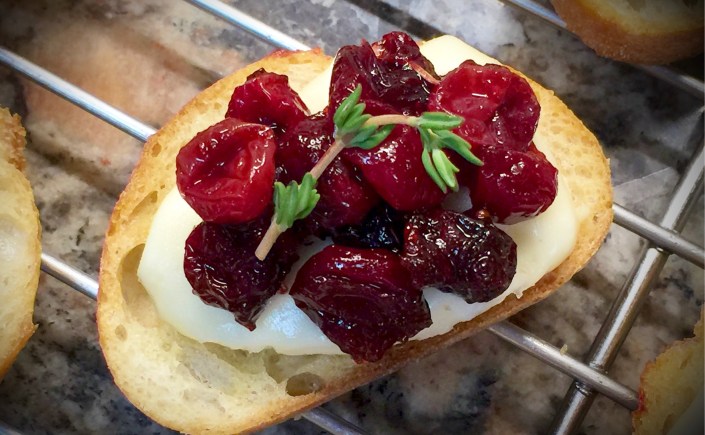
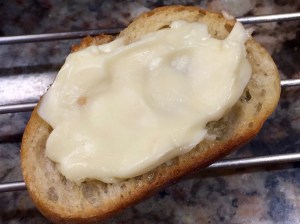 Lesson Learned 3 – Working with brie: I love brie but it can be a pain in the butt to deal with, especially if you’re not fond of the outer skin and want to remove it. Brie is not easy to slice because it is so soft. Make sure you have a really sharp knife and watch out for your fingers.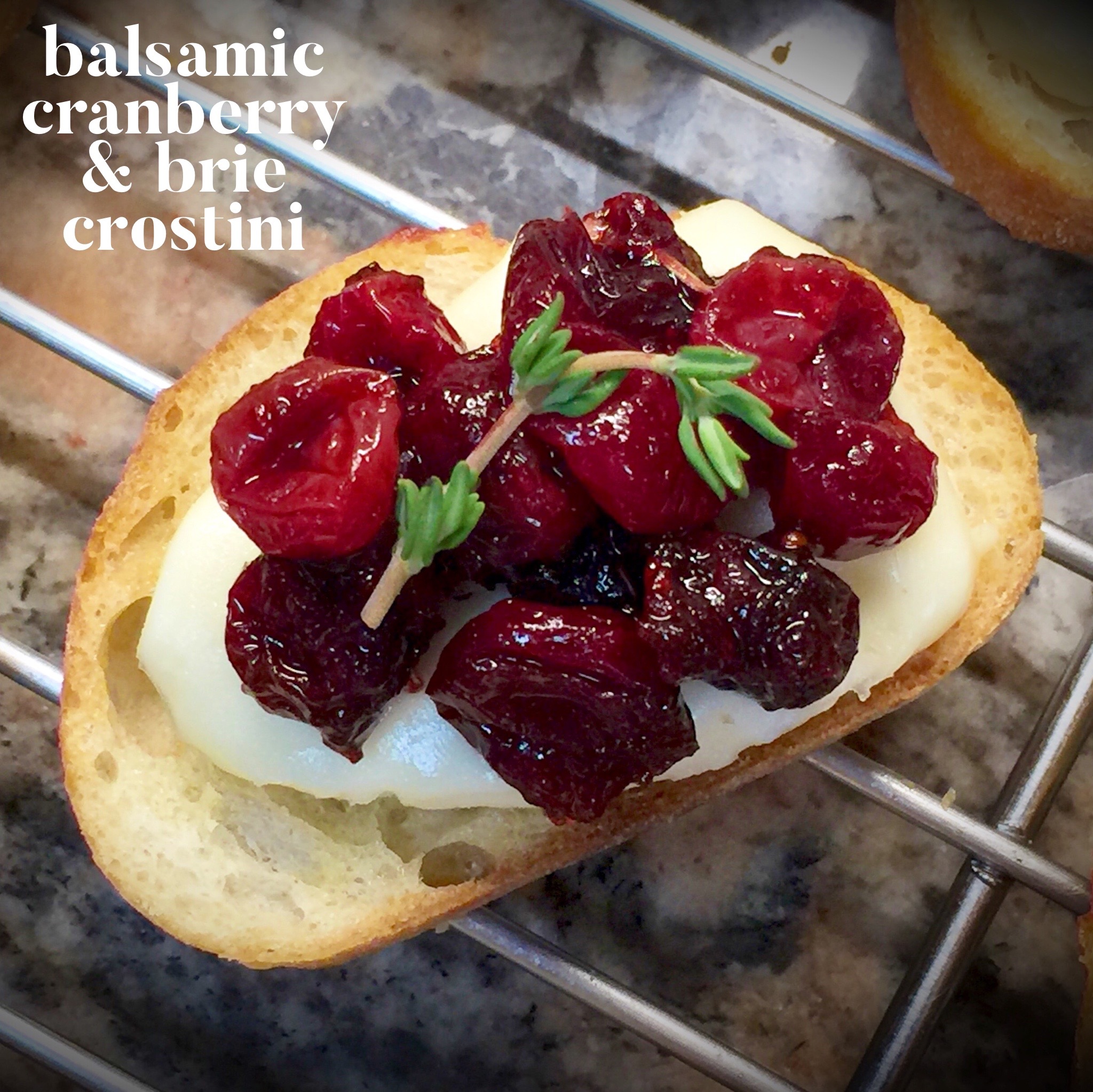







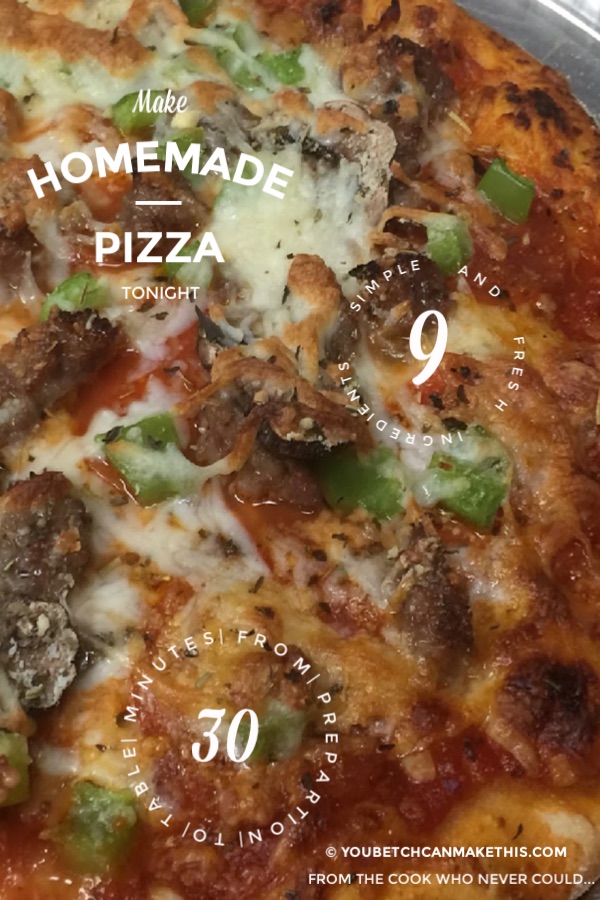
 Lesson Learned 1 – Tips for working with pizza dough: Pizza dough, like most other types of dough, likes to rest before you roll it out. One common mistake with using store bought pizza dough is to take it out of the refrigerator and immediately start working with it. Doing that will result in a tough crust. Let the dough rest on your counter for about 20 minutes before you begin rolling it out. That way the glutens in your dough won’t get overworked and you won’t have a tough crust.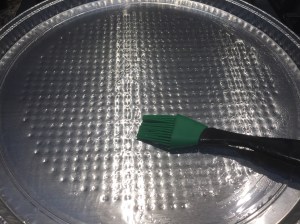
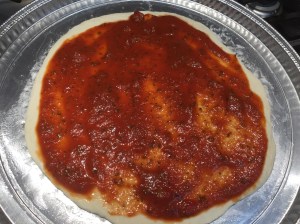 Lesson Learned 3 – Don’t drench the pizza with sauce: I used the smallest jar of marinara I could find, 14 ounces, and I still didn’t use all of it. Now you may ask should I use pizza sauce or pasta sauce. I don’t think it really matters. Some make pizzas with alfredo sauce. I don’t think there is a hard fast rule. It’s really all up to you. What’s more important is to make sure you don’t drown your dough in sauce. Just spread it on to lightly and evenly cover it. You don’t want to create soggy dough.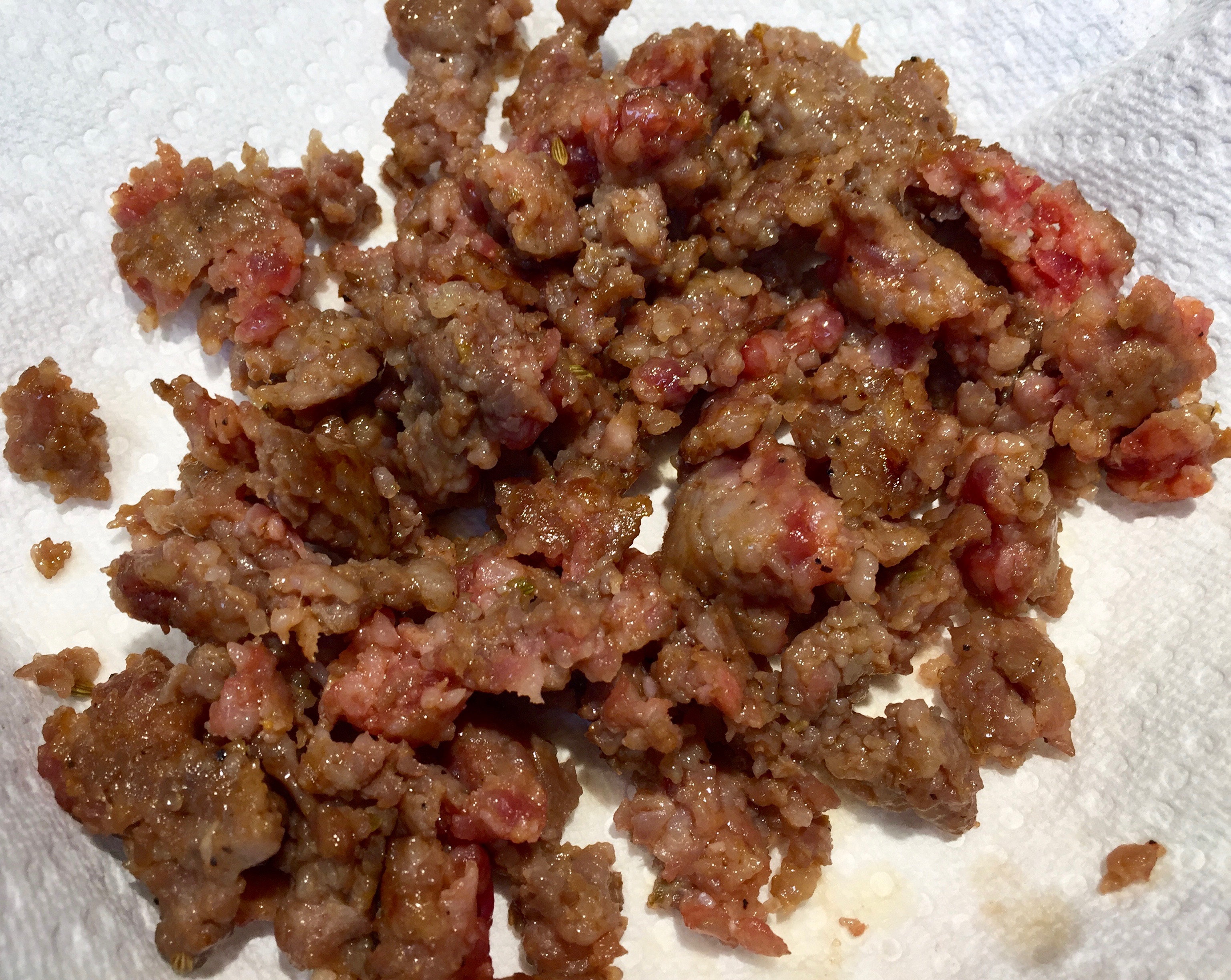
 Another mistake common in making homemade pizza putting the toppings on too thick. Now don’t get me wrong, I like lots of toppings on my pizza. Just be careful not to create a huge mound. What happens when putting too much toppings on is the crust will get done before your toppings are cooked or even warmed through. You don’t want that.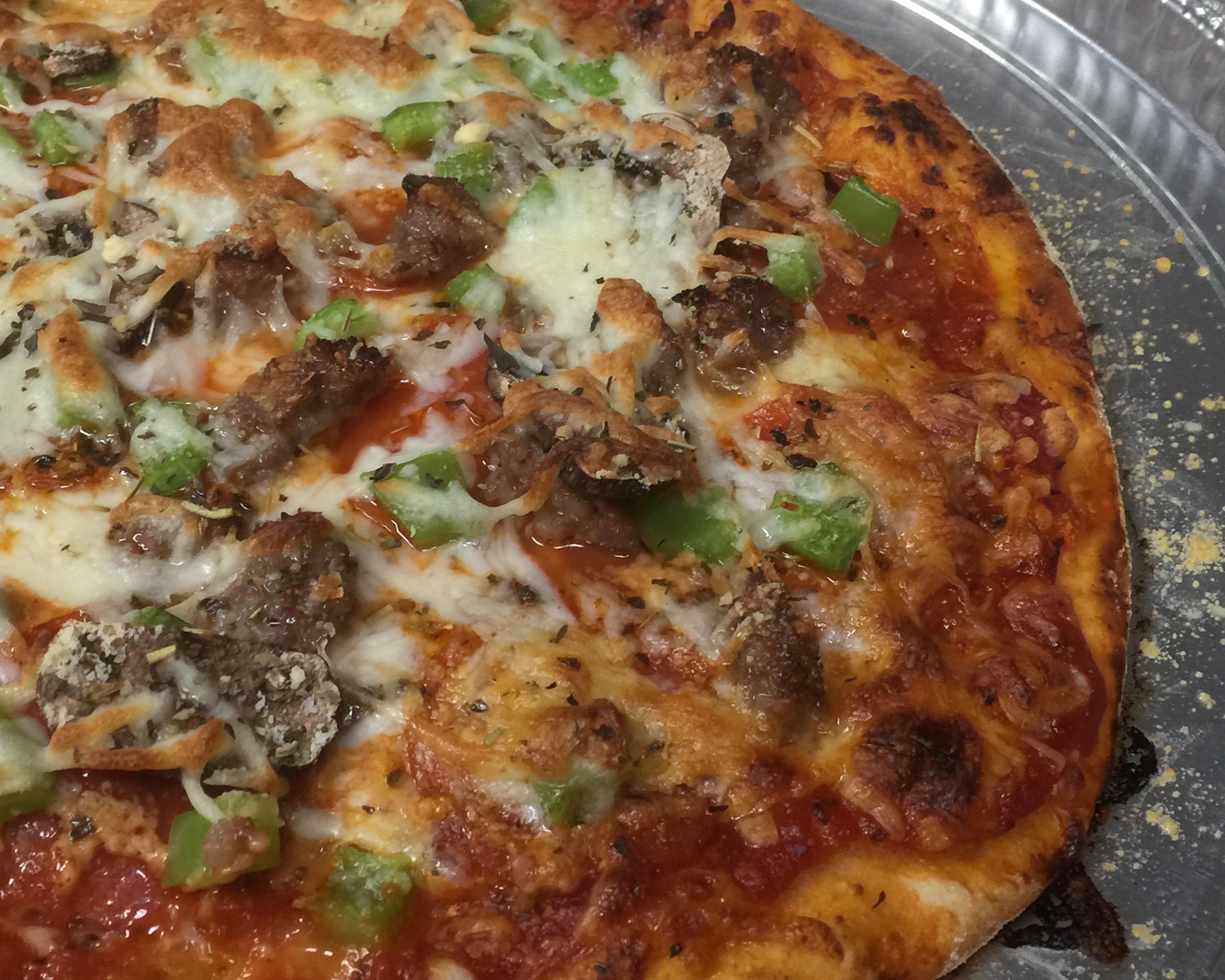



 2 cups flour
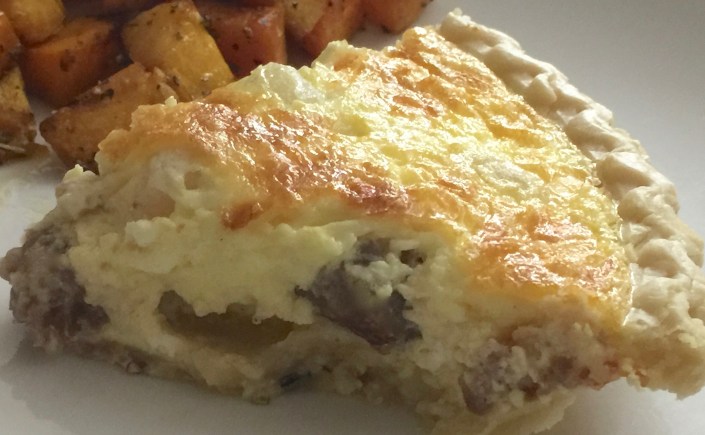
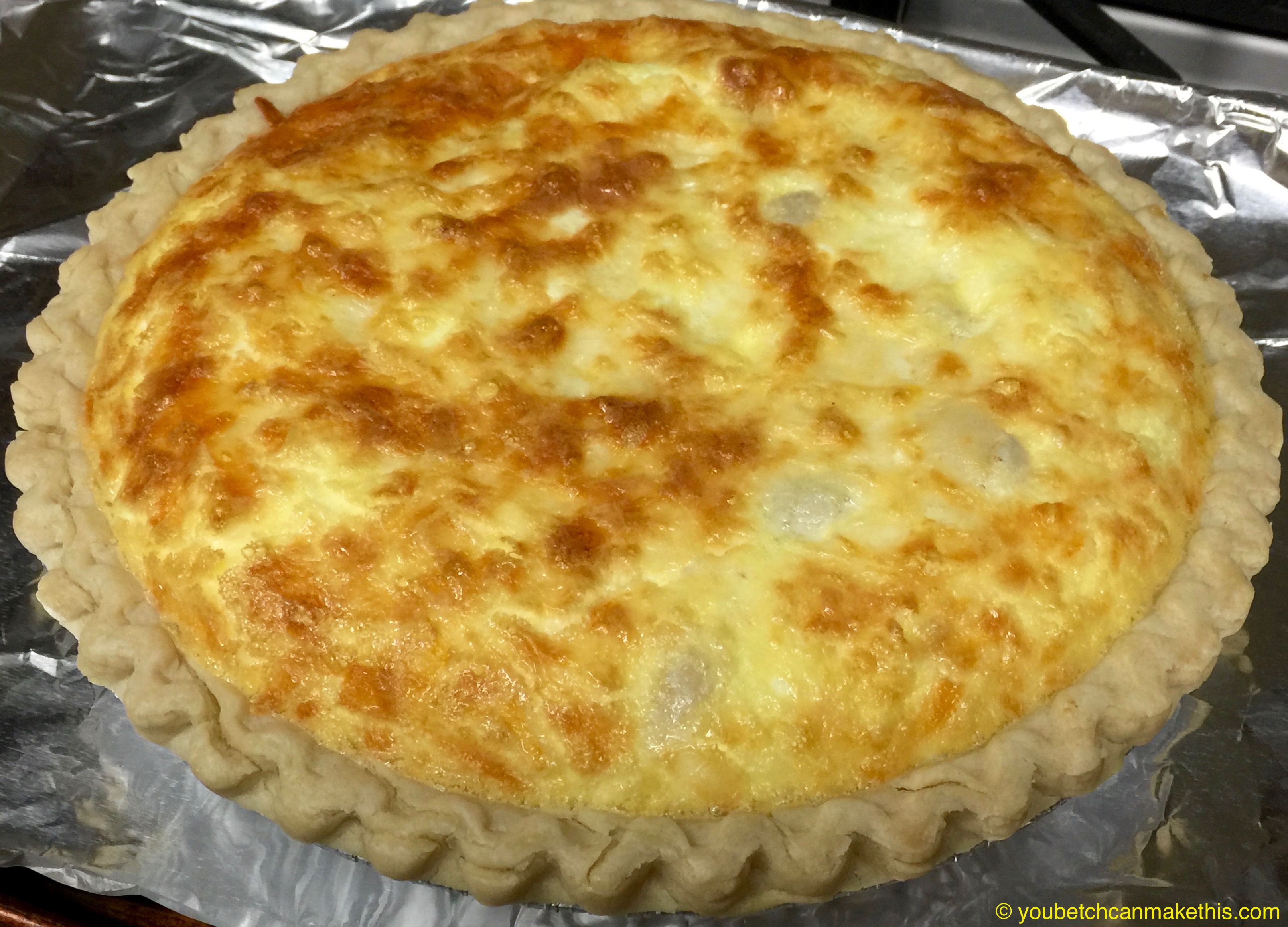
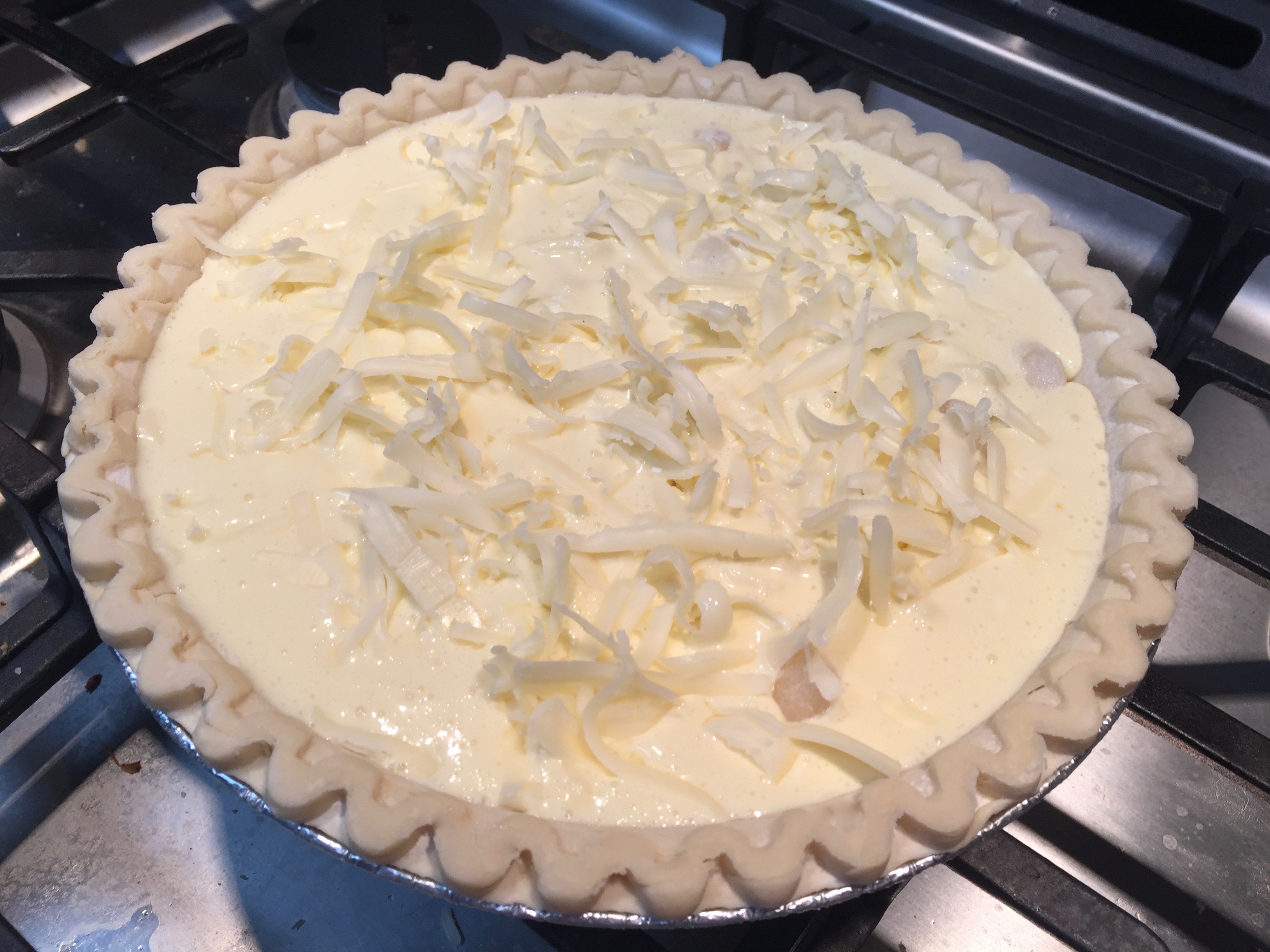
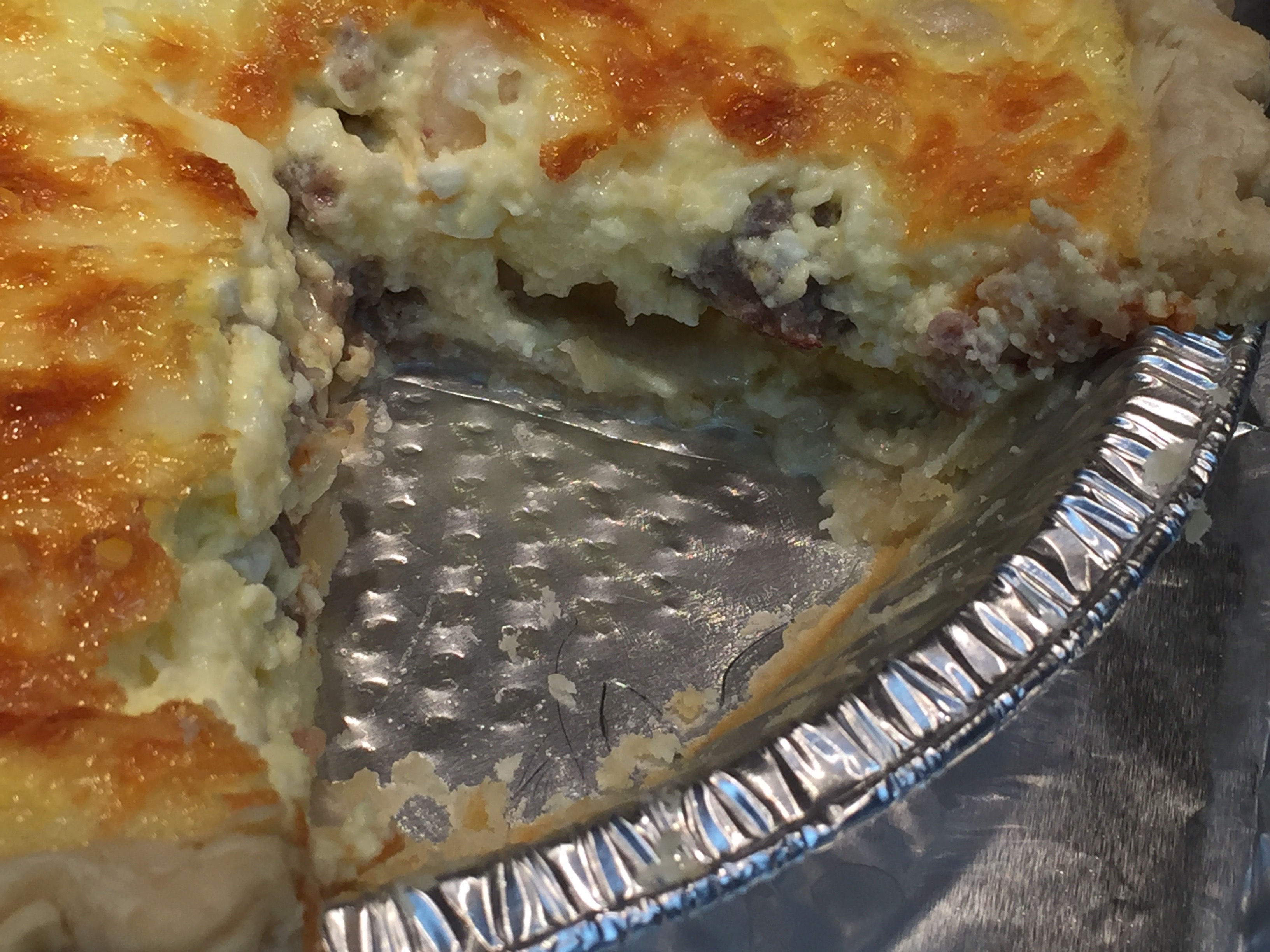
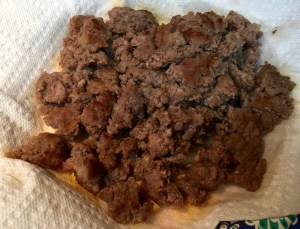 Lesson Learned 2 – Cook the breakfast sausage until you see only a little light pink: Remember the quiche is going to bake for an hour so the sausage will continue to cook during that time. I like to cook my sausage first, mix it with the cream cheese and let it sit a little before I put it in the pie crust. I normally use that time to put the egg mixture together.
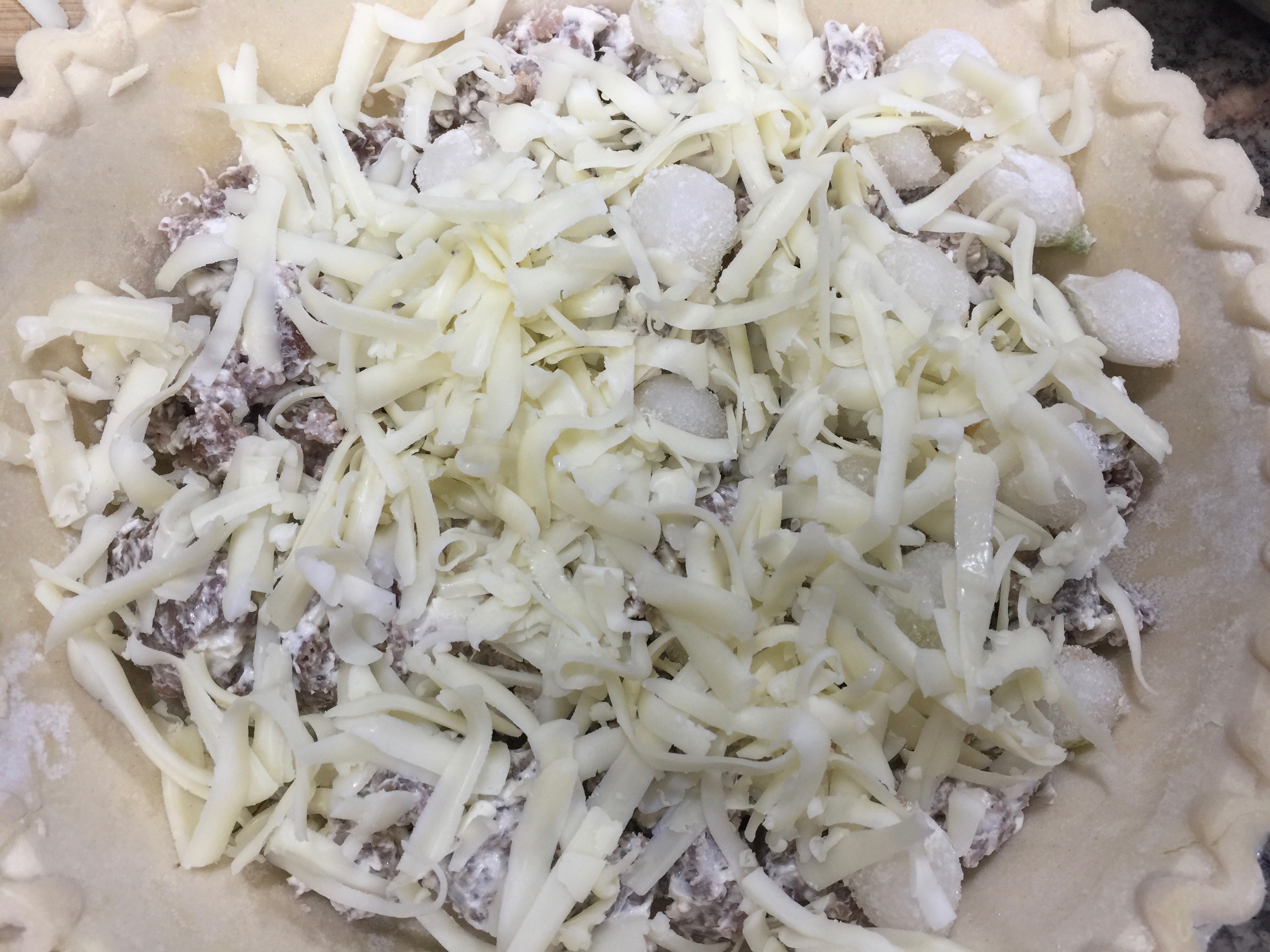
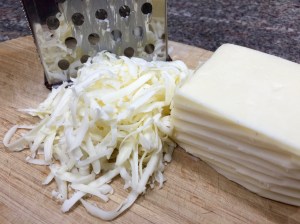 Lesson Learned 4 – Use a good melting cheese: You can use a wide variety of melting cheeses in a quiche. I like this particular recipe because it pairs a little cream cheese with another melting cheese. I used muenster in this recipe but you can also use cheddar, gruyere, swiss, or mozzarella. That’s the beauty of making a quiche. The choice is yours!
 1 9 inch frozen pie crust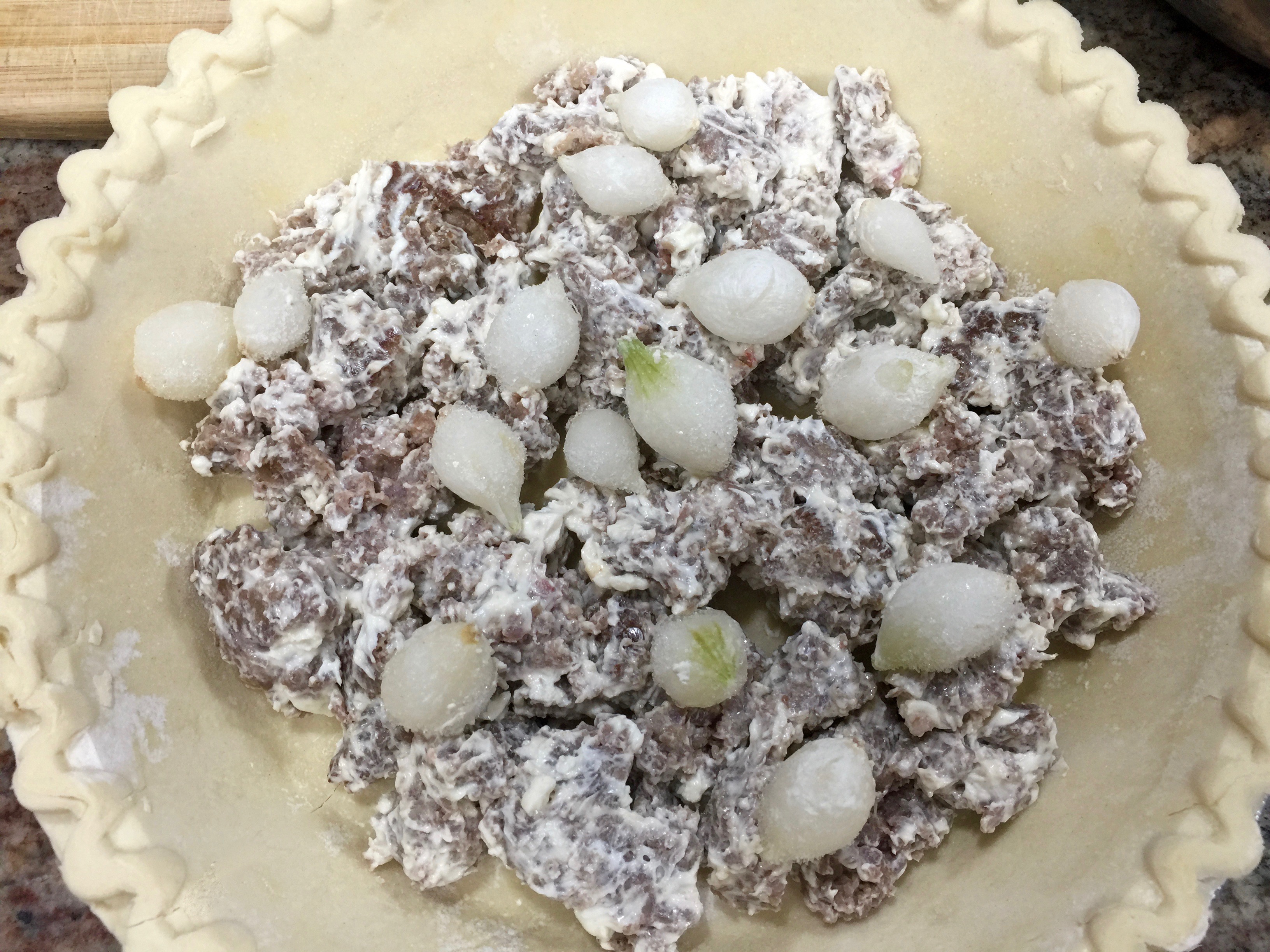

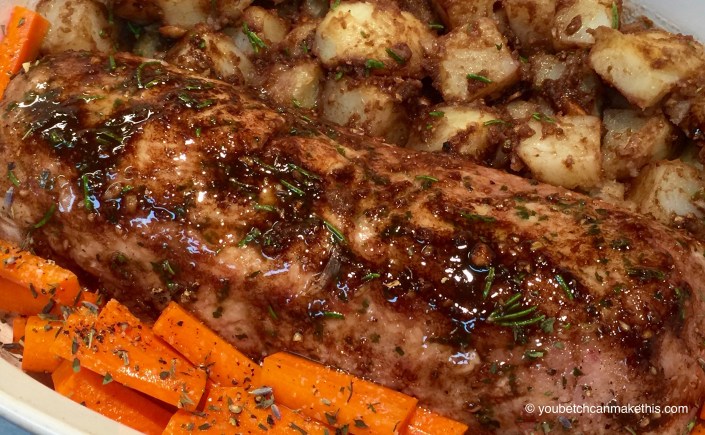
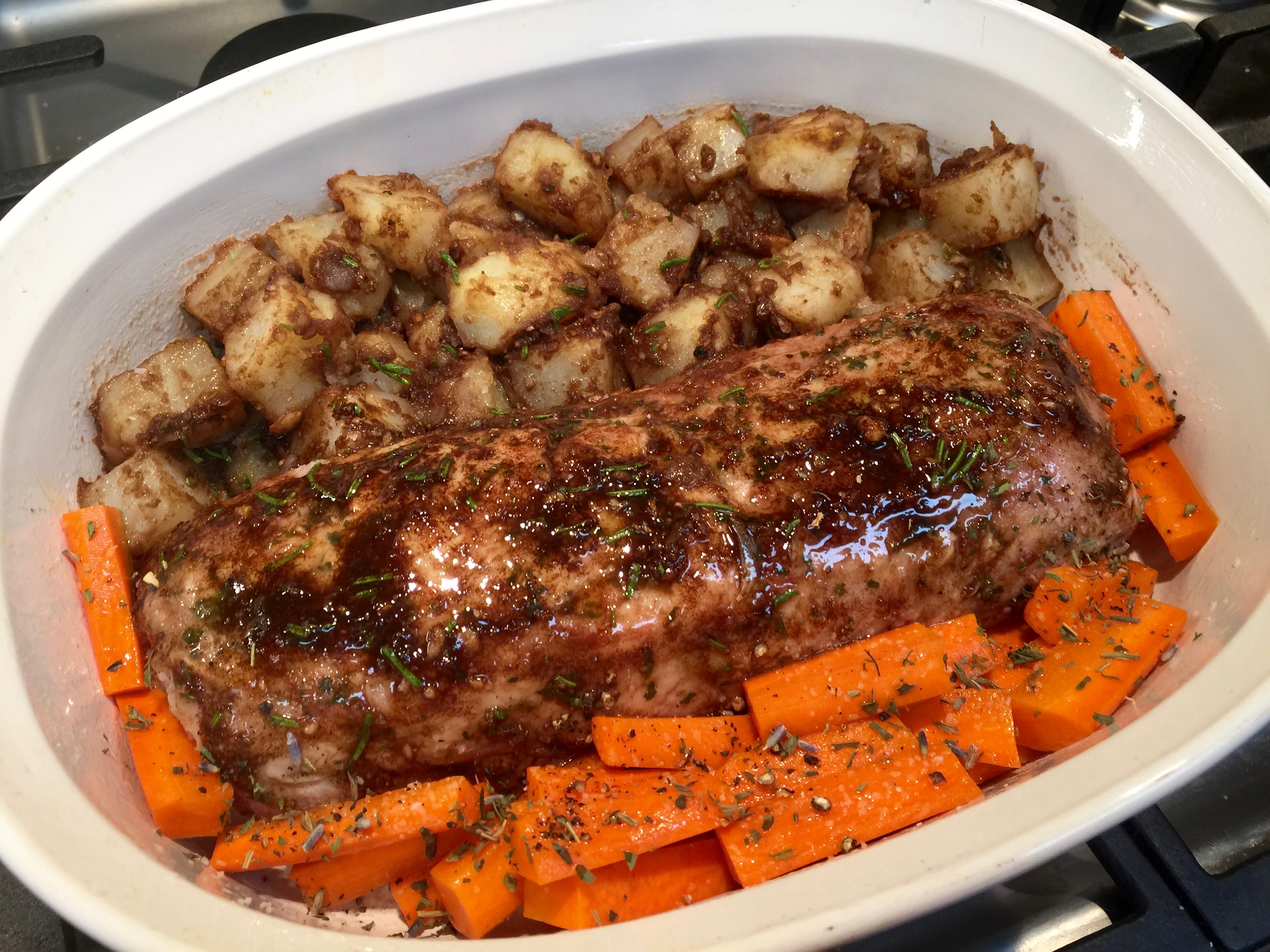
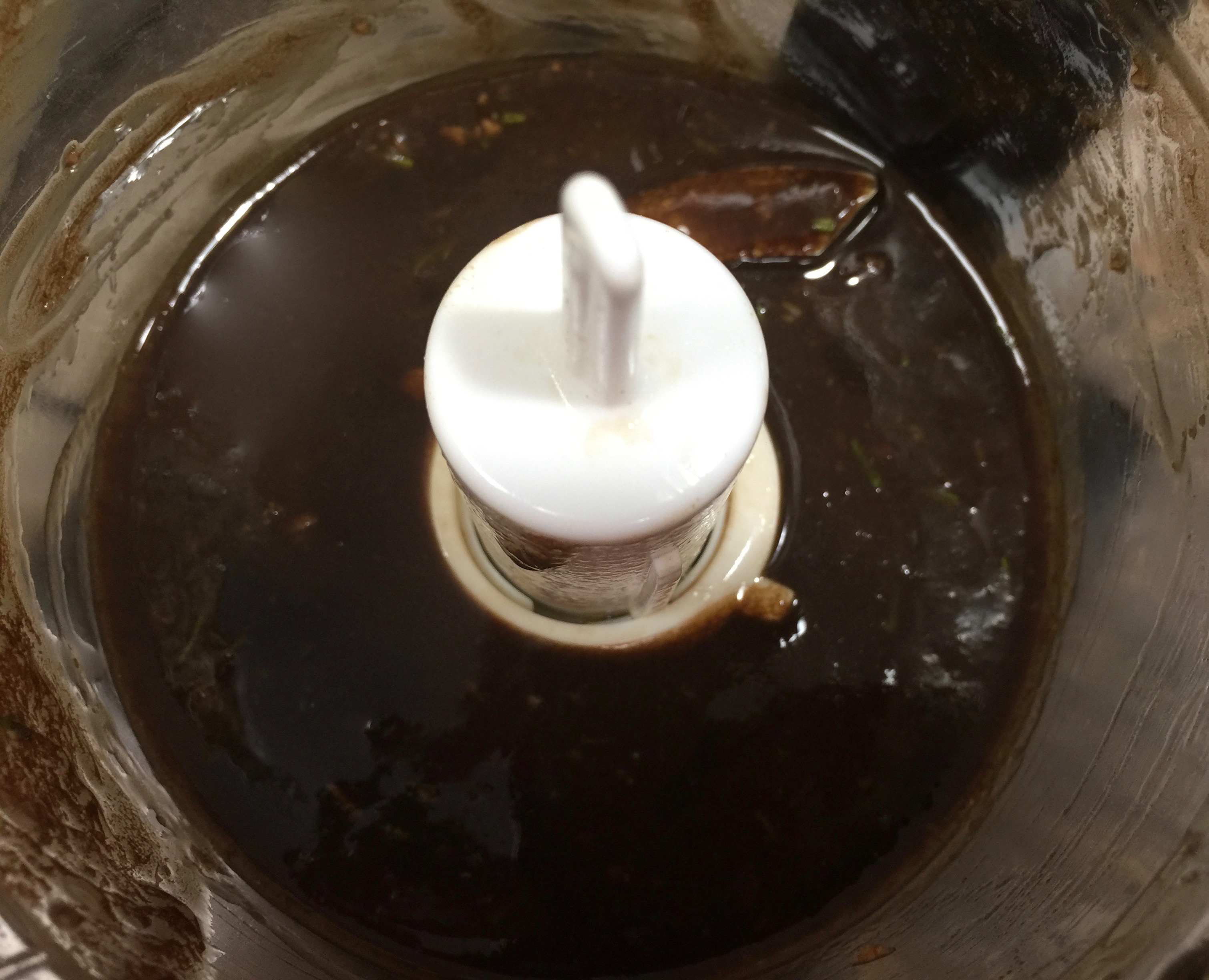
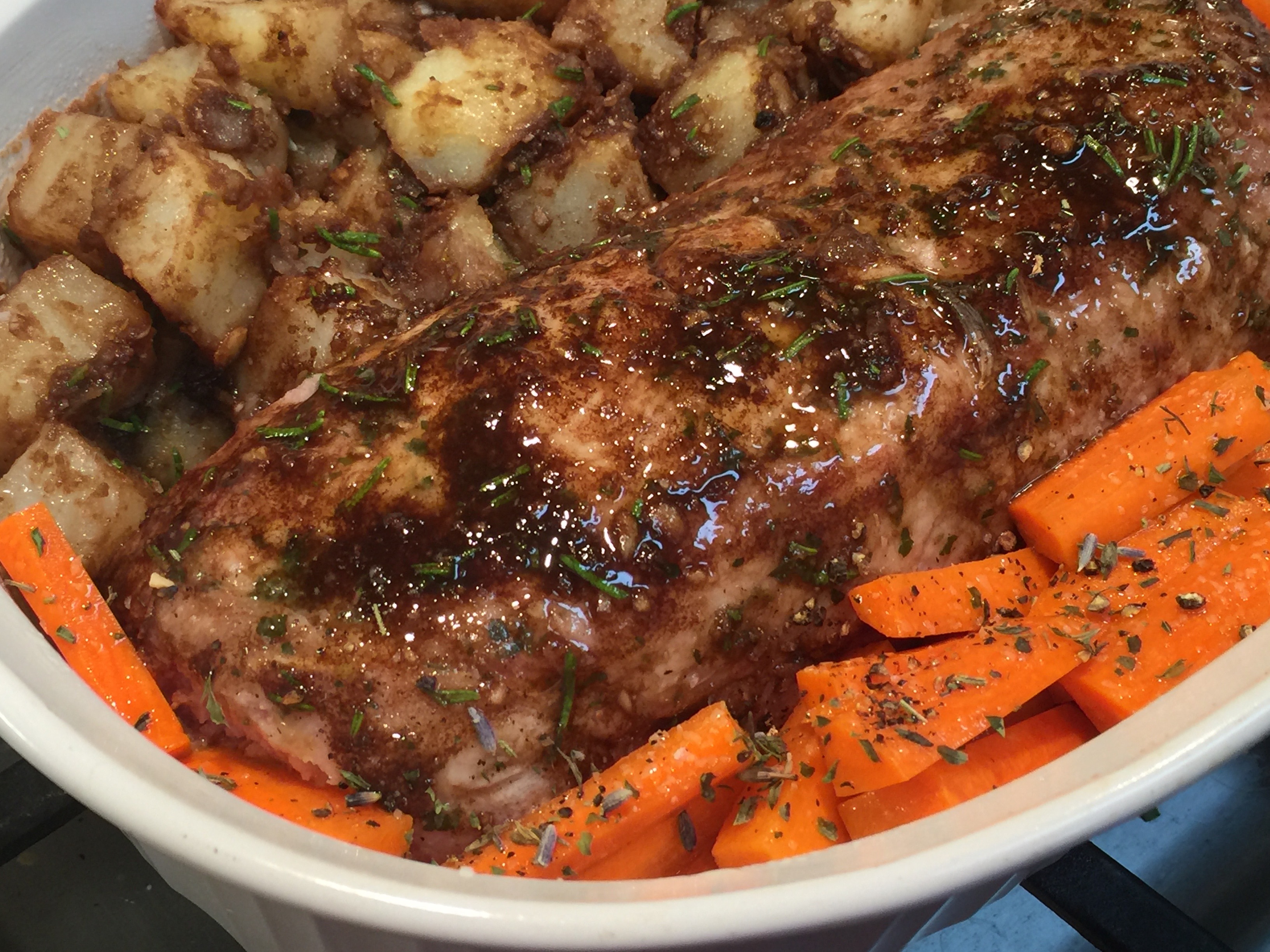
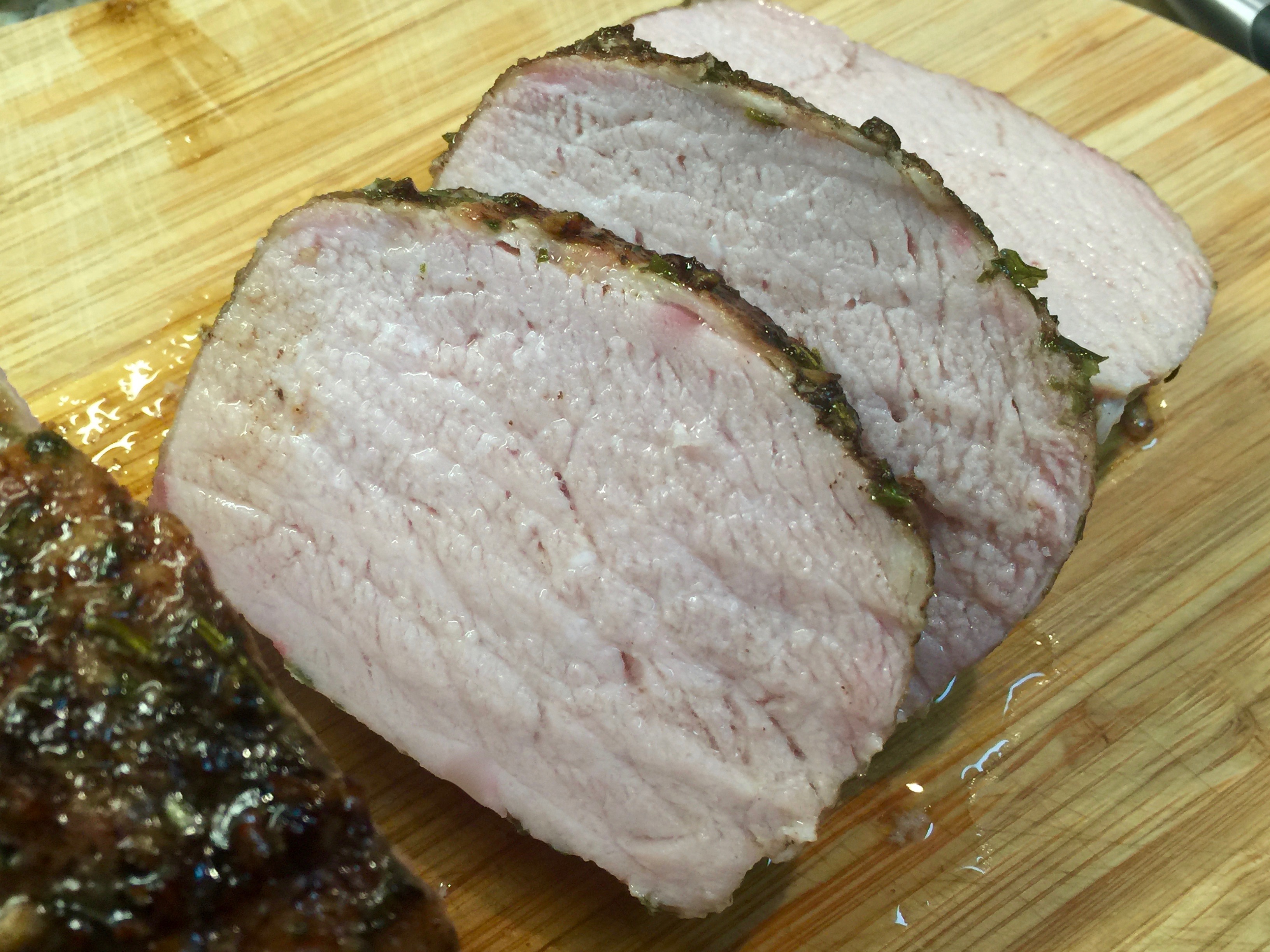
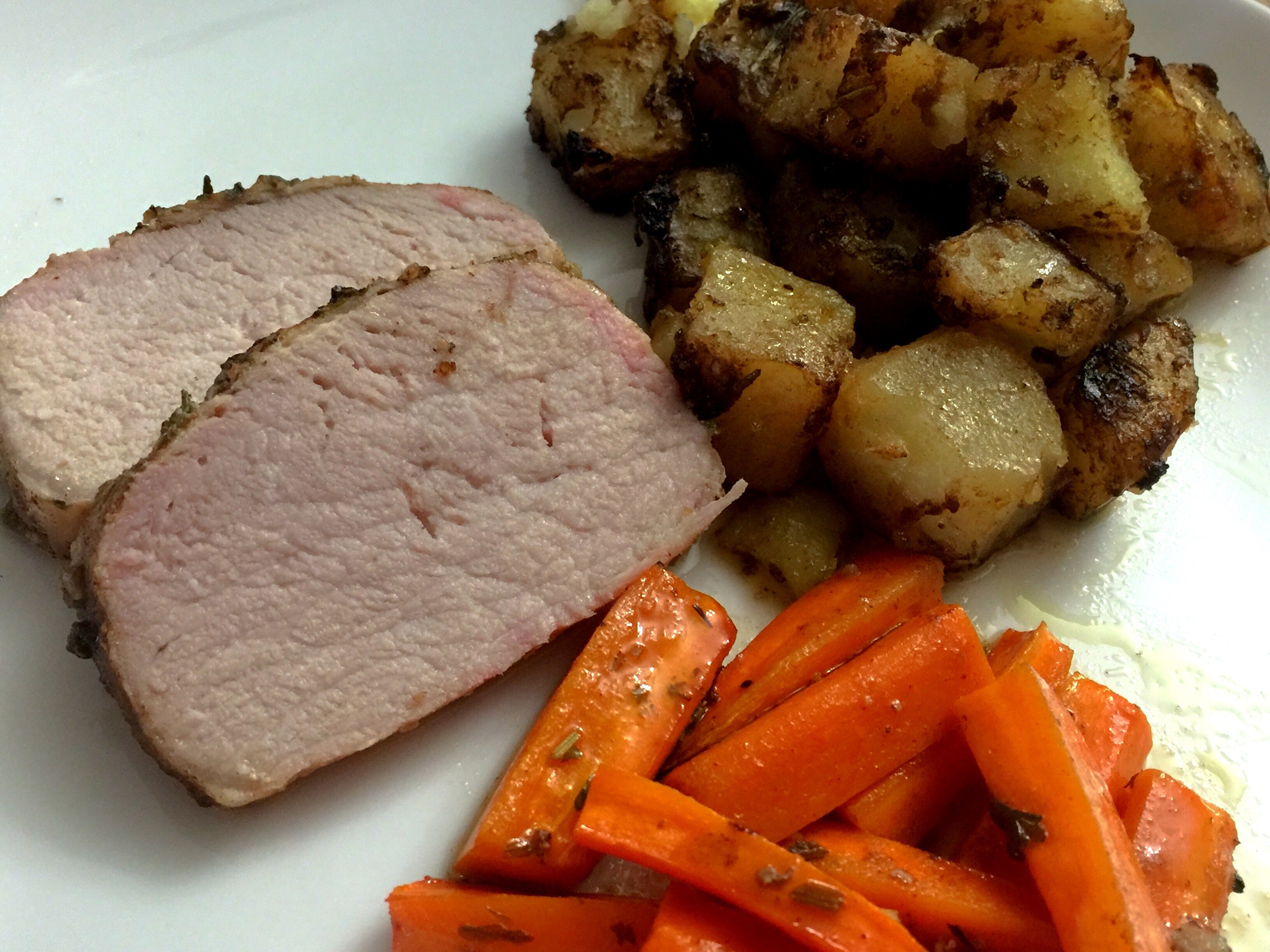
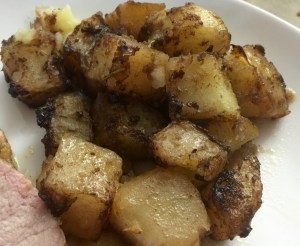 Lesson Learned 1: Slightly par boil your potatoes before roasting them: I don’t know about you but I’ve found that roasting potatoes can be tricky. I usually wind up with hard or semi hard potatoes that are not cooked through. In this recipe it is important to cut the potatoes as evenly as possible (mine were approximately one inch squares). Once I do that I put them in a pot with water, bring the water to a boil and boil the potatoes for about 5 minutes or just until they start to turn tender around the edges. Then I drain the potatoes and let me cool slightly in the strainer. I’ve found when I do this my potatoes come out perfectly when making this recipe. After I strain off the water I transfer them into a bowl so that I can coat them with the balsamic mixture before putting them in the roasting pan. It’s a little extra work, but definitely worth it.
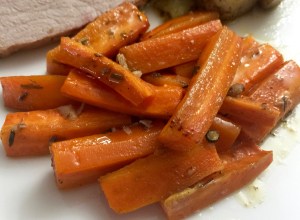 Lesson Learned 2 – This recipe roasts the carrots to crisp tender: Carrots are also tricky to cook and although I prefer mine to be crisp tender, some people prefer their carrots to be soft. If soft is your preference roasting them this way will not give you that consistency unless you either cut them into thin rounds or use small baby carrots. I cut my carrots into about 2 inch chunks, cut each chunk into half and then half again. This produced a somewhat softened crisp tender carrot, which I love.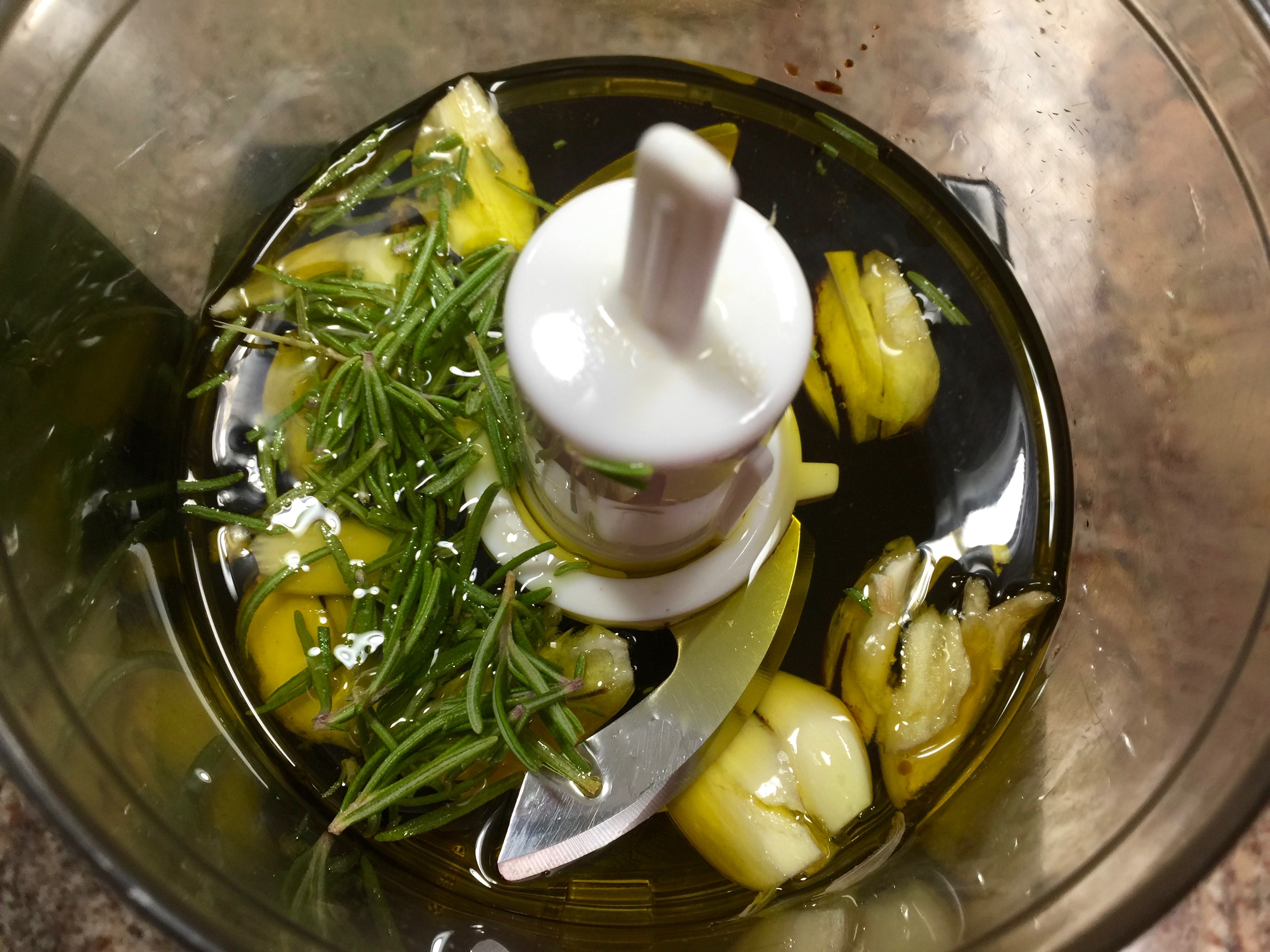
 You Betcha Can Make This!